Yes, you can put most liquids in a checked bag, but hazardous, flammable, and restricted items remain prohibited.
If you are wondering, “can you put liquids in a checked bag,” the answer depends on the liquid, its size, and the rules of your airline and destination. Most shampoo, lotion, drinks, and nonflammable toiletries can travel in checked luggage, but good packing matters because leaks can ruin an entire suitcase. This guide explains the rules, common exceptions, packing methods, and mistakes to avoid.
Can You Put Liquids in a Checked Bag?
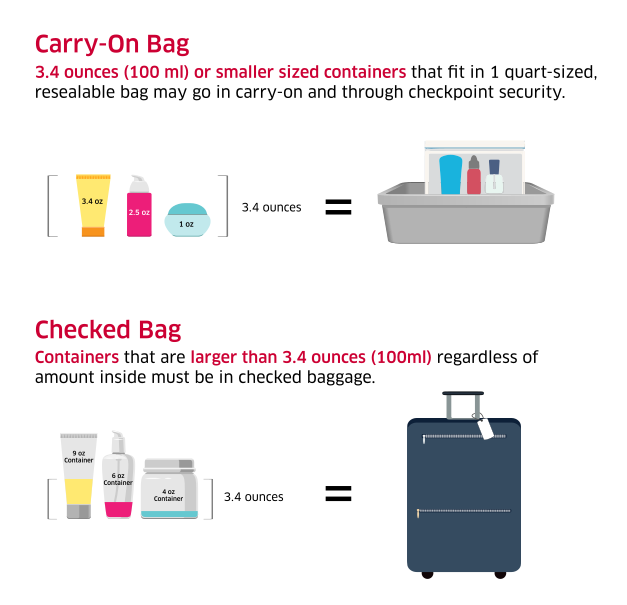
Yes, you can put liquids in a checked bag in most cases. The Transportation Security Administration, or TSA, does not apply the familiar 3.4-ounce liquid limit to most items packed in checked luggage. That limit mainly applies to liquids, gels, creams, and aerosols carried through the security checkpoint in a carry-on bag.
Still, checked baggage is not a free pass for every liquid. Aviation safety rules prohibit certain dangerous materials, including many flammable liquids, explosive substances, and toxic chemicals.
Common liquids that are usually allowed in checked bags include:
• Shampoo, conditioner, and body wash
• Lotion, sunscreen, and liquid makeup
• Toothpaste and shaving cream
• Bottled water and other nonalcoholic drinks
• Liquid food items, such as sauces and soup
• Contact lens solution
• Nonflammable cleaning products
• Wine, beer, and some spirits within the allowed limits
When asking, “can you put liquids in a checked bag,” think of the rule this way: ordinary personal liquids are usually fine, while dangerous liquids need special review or are banned.
Checked Bag Liquid Rules You Need to Know
The most important point is that checked bag liquid rules differ from carry-on rules. A large bottle of shampoo may be acceptable in checked baggage but not in your carry-on. However, the bottle still needs to meet airline, TSA, and hazardous materials requirements.
The 3.4-ounce rule usually does not apply
The TSA 3-1-1 rule limits carry-on liquids to containers holding 3.4 ounces, or 100 milliliters, or less. All containers must fit in one quart-size, clear plastic bag for each passenger.
This rule does not normally apply to regular liquids in checked luggage. You may pack a full-size bottle of shampoo or a large container of lotion in a checked bag if the product is otherwise permitted.
That does not mean you should pack unlimited amounts. Airlines can apply weight limits, and some products have separate quantity rules.
Hazardous liquids are restricted
The Federal Aviation Administration regulates dangerous goods in air transportation. Some liquids create a fire, explosion, chemical, or pressure risk in the cargo hold.
Do not place these common hazardous liquids in checked baggage:
• Gasoline and fuel
• Lighter fluid
• Paint thinner
• Turpentine
• Many camping fuels
• Fireworks and explosive liquids
• Spray paint
• Strong industrial solvents
• Some pool chemicals
• Certain pesticides
If a product label shows a flame, skull, exploding bomb, or other hazard symbol, check the rules before packing it. When in doubt, leave it at home rather than risk confiscation or a delayed bag.
Liquids in pressurized containers
Aerosols need extra care. Toiletry aerosols such as hairspray, shaving foam, and deodorant are often allowed in checked baggage when they are for personal use and meet quantity limits.
The container must usually have a protective cap or another feature that prevents accidental release. Aerosols that are not personal-care products, such as spray paint or some industrial sprays, may be prohibited.
How Much Liquid Can You Pack in Checked Baggage?
There is no single liquid limit for every product. The amount depends on the type of liquid and the applicable safety rule.
For toiletries and medicinal products, aviation rules commonly limit the total amount of restricted medicinal or toiletry articles to 2 kilograms or 2 liters per person. Each individual container may be limited to 0.5 kilograms or 500 milliliters. These limits can apply to aerosols, gels, and other similar products.
Alcohol has separate rules:
• Alcoholic drinks containing 24% alcohol by volume or less are generally not subject to the same dangerous-goods quantity limit, although airline baggage limits still apply.
• Drinks containing more than 24% and up to 70% alcohol by volume are commonly limited to 5 liters per passenger.
• Each bottle should remain in its original retail packaging.
• Drinks containing more than 70% alcohol by volume are generally not allowed on passenger aircraft.
Airlines may impose stricter rules. A carrier may also limit the number of bottles, total weight, or type of packaging. Always review the airline’s baggage policy before traveling with alcohol or large quantities of liquid.
If you ask, “can you put liquids in a checked bag” after buying local wine or spirits, the answer is often yes. The bottle should be sealed, protected from impact, and within the alcohol limits.

Liquids You Can Usually Put in a Checked Bag
Most travel liquids fall into a few simple groups. Knowing the group can help you decide how to pack them.
Toiletries and cosmetics
You can usually pack full-size toiletries in checked baggage. This includes:
• Shampoo and conditioner
• Liquid soap and body wash
• Perfume and cologne
• Makeup remover
• Foundation and liquid concealer
• Hair gel
• Sunscreen
• Nail polish
• Moisturizer
Put each bottle in a sealed plastic bag. A screw cap can loosen during changes in air pressure or rough baggage handling. A simple bag can save your clothes from a sticky, expensive mess.
Food and drinks
Many nonalcoholic liquids are allowed in checked bags. Examples include olive oil, hot sauce, maple syrup, jam, and bottled drinks.
Food packaging must be secure and suitable for travel. Glass bottles need more protection than plastic containers. Also, customs rules may restrict food when you enter another country, even if TSA allows it on the flight.
Medical liquids
Prescription and over-the-counter liquids are generally allowed in checked baggage. However, it is usually safer to keep essential medicine in your carry-on.
Checked bags can be delayed or lost. If you need insulin, liquid prescription medicine, eye drops, or other vital treatment during the journey, keep enough with you in the cabin. TSA provides exceptions for medically necessary liquids, but you should tell the security officer about them.
Household liquids
Some household liquids may be allowed, but they need careful review. Mild cleaning products may travel in checked luggage if they are not flammable or otherwise dangerous.
Never assume that a normal household product is safe for air travel. Read the label and check the manufacturer’s safety information. Products made for industrial, automotive, or laboratory use deserve special caution.
How to Pack Liquids So They Do Not Leak
Knowing can you put liquids in a checked bag is only half the problem. The next challenge is protecting your belongings.
Use this packing method:
-
Check the cap on every bottle.
-
Wipe away any liquid around the opening.
-
Place plastic wrap over the bottle opening.
-
Screw the cap on tightly.
-
Put the bottle inside a leakproof plastic bag.
-
Add a second bag for products that could stain clothing.
-
Wrap glass containers in clothing or bubble wrap.
-
Place liquids in the center of the suitcase.
-
Keep them away from electronics, passports, and delicate items.
-
Leave space so the bag is not forced shut.
For flip-top bottles, add tape around the hinge or place the entire bottle in a zippered bag. For pump bottles, lock the pump if possible. You can also remove the pump, cover the opening, and pack the pump separately.
A useful approach is to pack liquids inside a small toiletry case. The case acts like a second line of defense. It also makes inspection easier if airport staff need to open your checked bag.
In my experience helping travelers prepare luggage, the most common mistake is trusting a “tight” cap. Baggage goes through drops, vibration, and pressure changes. A bottle that seems secure at home may leak after hours of movement. Double-bagging is a small step that prevents a major cleanup.

What Liquids Should You Keep Out of a Checked Bag?
Some liquids are legal in checked luggage but still a poor choice. Others are not allowed at all.
Keep these items out of your checked bag:
• Essential prescription medicine
• Travel documents and valuables
• E-cigarettes and vaping devices
• Spare lithium batteries
• Flammable fuel
• Fireworks
• Compressed gas cartridges that are not approved
• Bleach and strong corrosive chemicals
Electronic cigarettes and spare lithium batteries generally belong in carry-on baggage, not checked baggage. A battery fire is easier to detect and manage in the cabin than in the cargo hold.
You should also avoid checking expensive perfume, fragile bottles, or special food products. Even when an item is permitted, baggage handlers cannot treat every suitcase as if it contains glass.
Can You Pack Alcohol in a Checked Bag?
Yes, you can often pack alcohol in a checked bag, but the alcohol percentage and amount matter.
Beer, wine, and other drinks with 24% alcohol by volume or less are generally permitted in checked baggage. Stronger drinks, such as whiskey, vodka, rum, and tequila, usually must contain no more than 70% alcohol by volume and may be limited to 5 liters per passenger.
Use the original, unopened packaging whenever possible. Wrap each bottle in a padded sleeve or several layers of clothing. Place bottles inside a sealed bag and position them in the middle of the suitcase.
Do not pack homemade alcohol in an unmarked container. Security staff may not be able to identify it, and customs officers may question it at your destination.
International travelers should also check import rules. You may be allowed to fly with a bottle but still owe taxes or duties when entering another country.
Checked Bags, International Flights, and Customs
TSA rules answer only part of the question, “can you put liquids in a checked bag.” Your destination country may have separate customs and import rules.
For example, a country may restrict:
• Fresh juice or dairy products
• Meat-based sauces
• Homemade foods
• Fruits and vegetables
• Large amounts of alcohol
• Certain herbal or medical products
A liquid can be safe to carry on an aircraft but illegal to import. Customs rules focus on agriculture, public health, taxes, and product safety. These rules are separate from airport security rules.
Before an international trip, check:
-
The TSA or airport security rule for departure.
-
The airline’s checked baggage policy.
-
The customs rules for your destination.
-
The rules for any country where you connect.
This four-step check is especially important when carrying food, alcohol, medication, or large quantities of personal products.

What Happens If a Liquid Is Not Allowed?
If security staff find a prohibited liquid, they may remove it from your baggage. In serious cases, the bag may be delayed for further inspection, and the item may be referred to law enforcement.
Airlines and airport authorities do not treat all mistakes the same way. Forgetting a large shampoo bottle is very different from packing fuel or an explosive substance. Still, an avoidable mistake can lead to delays, missed connections, or lost property.
If you are unsure about a product, search the exact product name in the TSA rules or contact the airline before packing. Keep the product in its original container, since the label helps staff identify what it is.
Do not disguise a restricted liquid in another bottle. Clear labeling is safer and more practical.
Common Mistakes to Avoid
Travelers often focus on bottle size and forget other important details. These mistakes are easy to prevent:
• Packing flammable liquids because they are sold in regular stores
• Checking medicine that is needed during the trip
• Forgetting that customs rules differ from TSA rules
• Placing glass bottles next to electronics
• Packing a leaking pump bottle without a sealed bag
• Assuming every aerosol is allowed
• Ignoring the alcohol percentage on a bottle
• Exceeding the airline’s baggage weight limit
• Putting lithium batteries in checked luggage
• Packing liquids without checking the destination’s import rules
The safest habit is to separate your items into three groups: carry-on essentials, permitted checked liquids, and items that should not travel by air. This makes packing faster and lowers the chance of a last-minute problem.
Frequently Asked Questions About Can You Put Liquids in a Checked Bag
Can you put full-size shampoo in a checked bag?
Yes, full-size shampoo is usually allowed in checked baggage. Seal the bottle in a leakproof bag and keep it away from clothing and electronics.
Can you put water bottles in a checked bag?
Yes, unopened water bottles can usually go in checked luggage. However, bottled water adds weight, so it may be cheaper and easier to buy water after security.
Can you put perfume in a checked bag?
Yes, perfume is generally allowed in checked baggage when it is packed securely and falls within toiletry quantity limits. Keep the bottle in its original packaging or wrap it well to prevent breakage.
Can you put rubbing alcohol in a checked bag?
Small amounts of rubbing alcohol may be treated as a toiletry or medicinal product, but larger amounts or highly concentrated products can face restrictions. Check the product label and current airline or aviation rules before packing it.
Can you put liquid medicine in a checked bag?
Yes, liquid medicine can usually be checked, but essential medicine should stay in your carry-on. This protects you if your checked bag is delayed or lost.
Can you put wine in a checked bag?
Yes, wine is commonly allowed in checked baggage. Protect the bottle from impact and review both the airline’s baggage policy and the destination’s alcohol import rules.
Can you put aerosols in a checked bag?
Some personal-care aerosols, such as deodorant and hairspray, are allowed in checked baggage. Flammable or industrial aerosols may be restricted or prohibited, so check the label before traveling.
Conclusion
So, can you put liquids in a checked bag? In most cases, yes. Full-size toiletries, many foods, drinks, cosmetics, and some alcohol can travel in checked luggage, while flammable liquids, dangerous chemicals, fuel, and other hazardous materials cannot.
Pack every bottle as if it might be dropped: seal it, bag it, cushion it, and place it in the center of your suitcase. Keep essential medicine, valuables, e-cigarettes, and spare batteries in your carry-on, then check the latest TSA, airline, and customs rules before you leave.
A few minutes of planning can protect your clothes, your trip, and your peace of mind. Check your airline’s current policy today, and share your best leak-proof packing tip in the comments.

Zayden Halbrook is a travel enthusiast and gear researcher passionate about making every journey smoother and more enjoyable. With a keen eye for practical travel essentials and real-world tips, he helps readers choose the right gear and travel smarter. When he’s not testing travel kits or exploring new destinations, Zayden shares simple, reliable advice to make every trip stress-free.