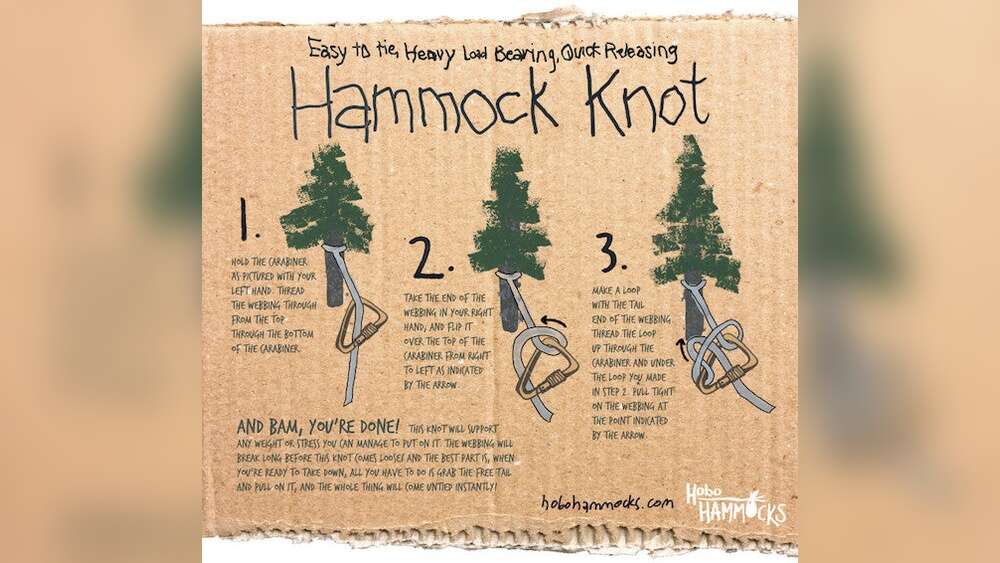
How To Tie A Hammock
Few things feel as relaxing as lying in a hammock on a warm day, listening to the wind and birds. But before you can enjoy that, you need to know how to tie a hammock safely and correctly. Over the years, I’ve hung hammocks in backyards, parks, and forests, and I’ve learned a lot about what works and what doesn’t.
In this guide, I’ll share everything you need to know to tie a hammock like a pro—no matter your experience. Whether you want to set up a hammock for a camping trip or for a sunny afternoon at home, you’ll find simple steps, expert tips, and solutions for common problems here.
Understanding Hammock Types And Materials
Before you start tying, it’s good to know what kind of hammock you have. Not all hammocks are the same, and their materials and attachments can change how you hang them.
Rope Hammocks
Rope hammocks are classic. They are usually made from cotton or polyester ropes. These are great for hot weather because they let air flow through. But they stretch over time and can be hard to get into if the ropes are too loose.
Fabric Hammocks
Fabric hammocks are made from canvas or nylon. They are warmer and block wind. Nylon hammocks, often called “parachute hammocks,” are light and easy to pack. I use a nylon hammock for camping because it dries fast and is strong.
Hammocks With Spreaders
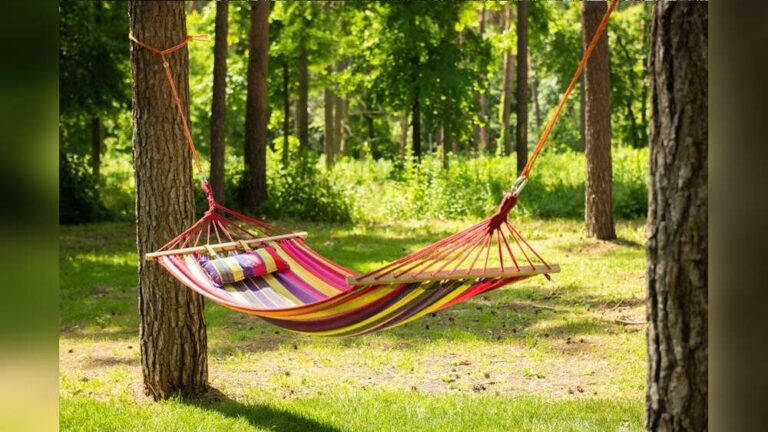
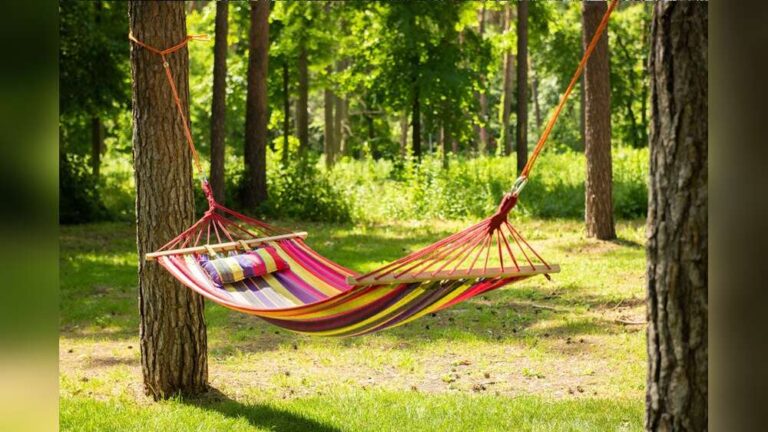
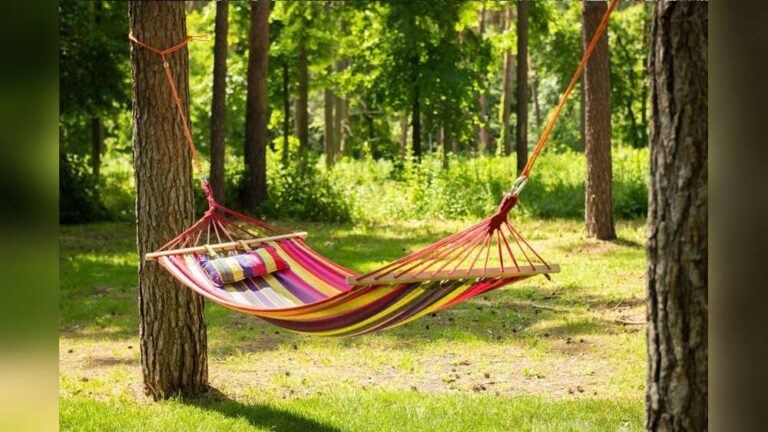
Some hammocks have wooden or metal bars at each end. These spreaders keep the hammock open and flat. They look nice but can tip over more easily.
Hammocks Without Spreaders
These are sometimes called Brazilian or Mayan hammocks. They curve more and hug your body. They are less likely to flip but can feel snug.
Suspension Materials
The way you hang your hammock depends on what comes with it. Some hammocks have pre-attached straps or carabiners, while others need you to tie your own knots. Always check the weight rating of your hammock and the straps.
Table: Hammock Types At A Glance
| Type | Material | Weight | Best Use | Pros | Cons |
|---|---|---|---|---|---|
| Rope | Cotton/Polyester | Medium | Backyard | Breathable | Can stretch, tricky to enter |
| Fabric | Canvas/Nylon | Light | Camping, Travel | Strong, dries fast | Less airflow |
| With Spreaders | Varies | Varies | Decor, Relaxing | Stays open | Tips easier |
| Without Spreaders | Varies | Varies | Sleeping | More stable | Can feel tight |
Choosing The Right Location And Supports
Where you tie your hammock is just as important as how you tie it. Picking the wrong place can lead to accidents or damage to trees.
Finding Good Supports
You need two strong supports. Most people use trees, but you can also use posts, walls, or special hammock stands.
- Trees: Look for healthy trees at least 6 inches thick. Avoid trees with soft bark or signs of disease.
- Posts or Beams: If you use posts, they should be set at least 2 feet deep in the ground.
- Walls or Decks: Use heavy-duty hooks made for hammocks.
Measuring The Distance
The distance between your supports should be about 1-2 feet longer than your hammock. For most hammocks, this is 10 to 15 feet. If the supports are too close, you’ll hang too low. If they’re too far, you’ll need to tie the straps higher.
Height Above Ground
Aim for your hammock to hang about 18 inches above the ground at the lowest point. This is about chair height, making it easy to get in and out. If you’re heavier or the hammock stretches a lot, tie it a bit higher.
Table: Ideal Hammock Setup Distances
| Hammock Length | Recommended Distance Between Supports | Tie Height on Supports |
|---|---|---|
| 8 ft | 9-10 ft | 4 ft |
| 10 ft | 11-12 ft | 4.5 ft |
| 12 ft | 13-15 ft | 5 ft |
A Personal Note
Once, I tried to hang my hammock between two small trees in the woods. Everything seemed fine until I sat down—and one tree bent almost to the ground! Since then, I always check that my supports are solid and thick enough.
Essential Knots And Suspension Systems
There are many ways to tie a hammock, but you don’t need to know every knot in the book. Here are the most useful and safe knots and systems for beginners and experts.
Hammock Straps
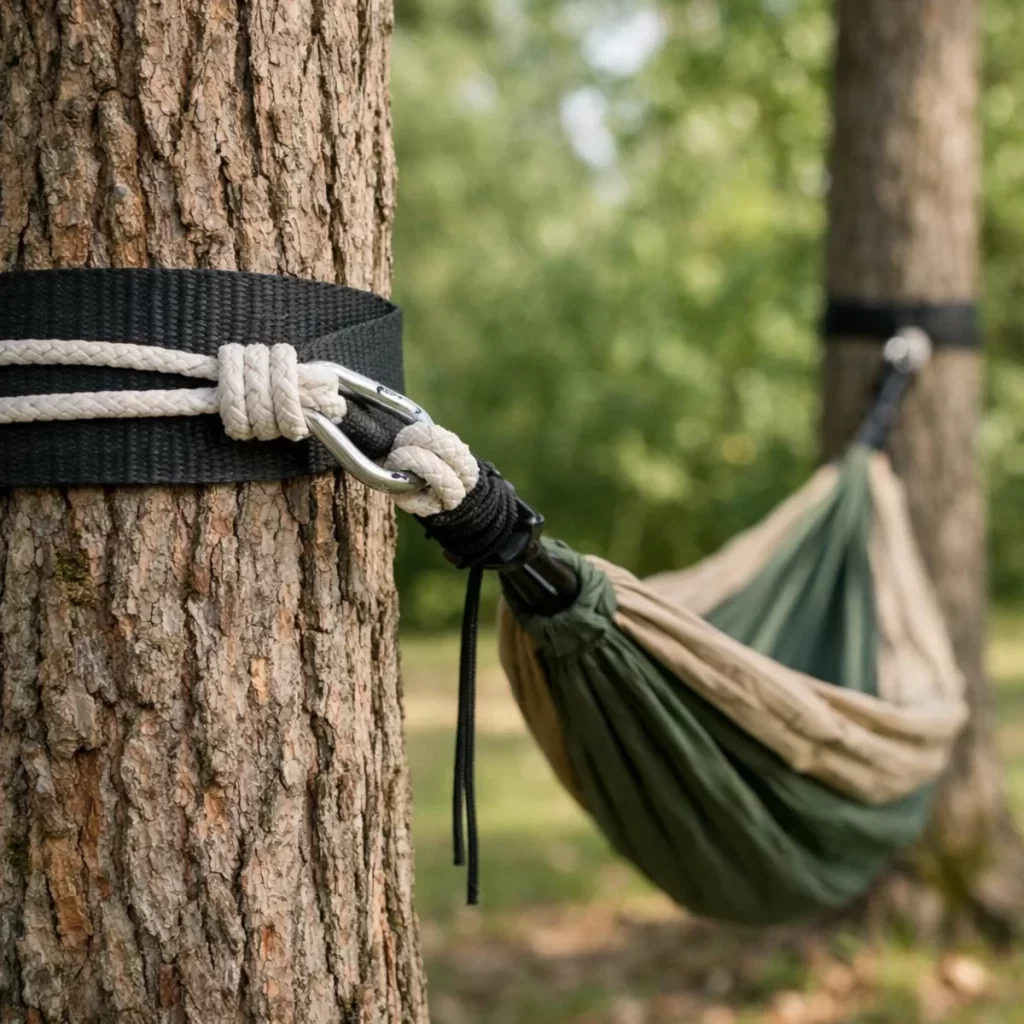
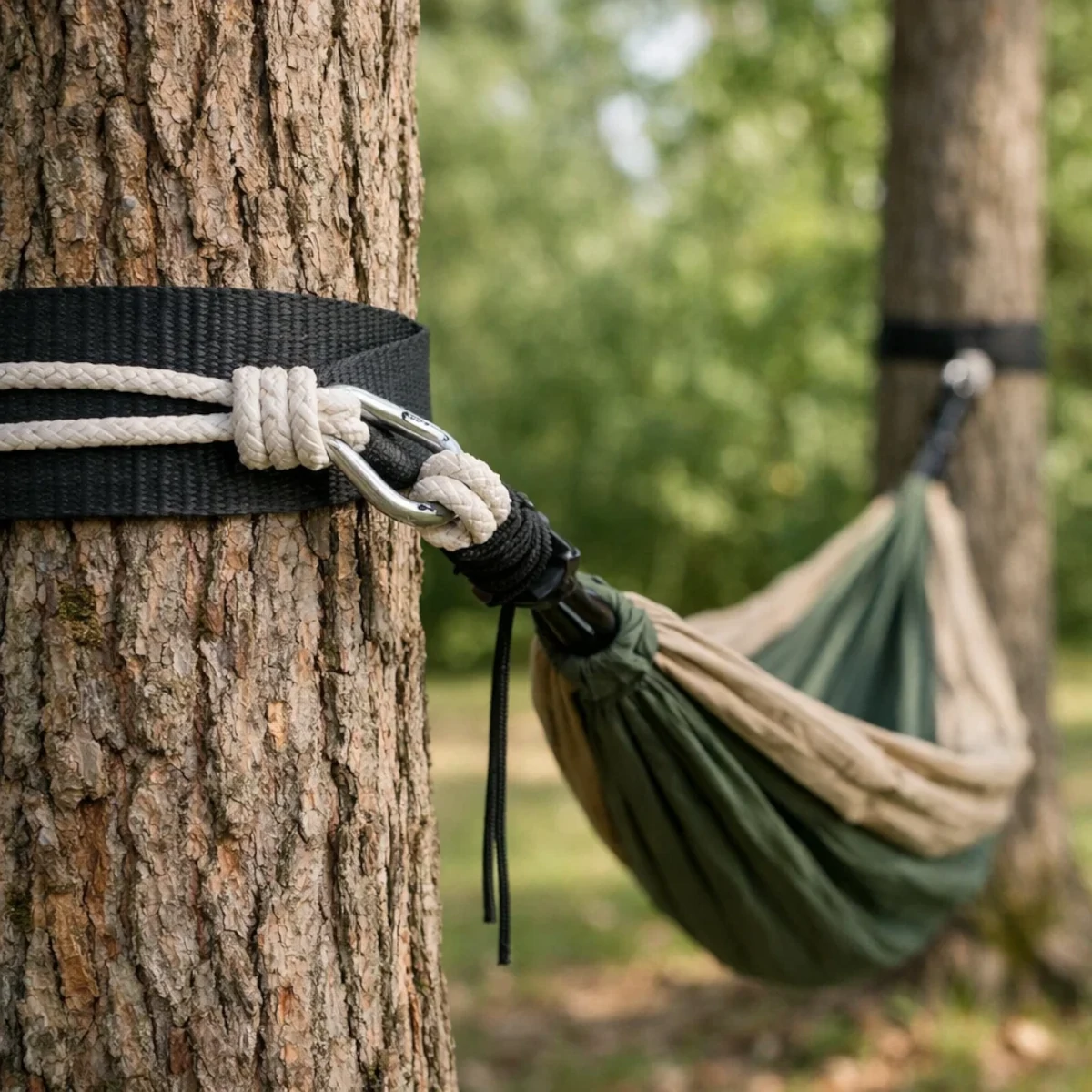
Many modern hammocks come with tree straps. These are wide, flat, and gentle on tree bark. They often have loops sewn in, so you can clip in with a carabiner. Using straps is the safest and easiest way.
Steps:
- Wrap the strap around the tree at the right height.
- Thread the end through the sewn loop to secure.
- Clip your hammock carabiner to one of the loops.
Bowline Knot
The bowline is great for tying a rope to a tree or post. It forms a strong loop that won’t slip.
How To Tie:
- Make a small loop near the end of the rope (the “rabbit hole”).
- Pass the end of the rope up through the loop (the “rabbit comes out”).
- Go around the standing line (“rabbit goes around the tree”).
- Go back down through the loop (“rabbit goes back into the hole”).
- Pull tight.
Double Half Hitch
The double half hitch is simple and strong. It’s good for adjusting tension.
How To Tie:
- Wrap the rope around the support.
- Pass the end over and under the standing line to make a half hitch.
- Repeat once more.
- Pull tight.
Clove Hitch
The clove hitch is easy to tie and adjust. But it’s not as strong for slippery ropes.
How To Tie:
- Wrap the rope around the support.
- Cross over the standing line.
- Wrap around again and tuck under the last wrap.
- Pull tight.
Figure-eight On A Bight
This knot makes a strong loop in the middle of a rope.
How To Tie:
- Fold the rope to make a bight (a U-shape).
- Make a loop and pass the bight through.
- Pull to tighten.
Table: Knot Comparison
| Knot | Strength | Slip Risk | Easy to Untie? | Best Use |
|---|---|---|---|---|
| Bowline | High | Low | Yes | Permanent loops |
| Double Half Hitch | Medium | Low | Yes | Adjust tension |
| Clove Hitch | Medium | Medium | Yes | Temporary tie |
| Figure-Eight on a Bight | High | Low | Yes | Mid-rope loop |
Non-obvious Insight
Many people pull their knots too tight against the tree. This makes them very hard to untie later. Leave a small space, or use a quick-release knot if you plan to move your hammock often.
Step-by-step Guide: How To Tie A Hammock
Now, let’s put it all together. I’ll guide you through the process, step by step.
1. Check Your Equipment
- Make sure your hammock, straps, and carabiners are in good shape.
- Look for frayed ropes or weak spots.
2. Pick Your Supports
- Find two strong trees or posts the right distance apart.
- Clear the area under your hammock of rocks and sticks.
3. Attach Straps Or Ropes
- Wrap straps around the supports at the right height.
- If using rope, tie a bowline or double half hitch around each support.
4. Hang The Hammock
- Clip the ends of the hammock to the straps or knots.
- Adjust the height so the lowest point is about 18 inches above the ground.
5. Test Your Setup
- Press down on the hammock gently before sitting.
- Sit in the center, not the edge.
- If the hammock sags too much, adjust the straps or knots higher.
6. Fine-tune Tension
- The angle of the suspension lines should be about 30 degrees from horizontal.
- If the lines are too tight, the hammock feels stiff and can damage the supports.
- If too loose, you may drag on the ground.
7. Safety Check
- Look up: Check for dead branches (“widowmakers”) above you.
- Make sure straps are flat and not twisted.
- Never exceed the weight limit.
A Small Mistake I Learned From
On my first solo camping trip, I tied my hammock with thin rope, not straps. The rope bit into the tree, and after a night’s sleep, I saw deep marks in the bark. I felt bad, and now I always use wide straps to protect trees.
Always think about nature when hanging your hammock.

Credit: www.republicofdurablegoods.com
Common Mistakes And How To Avoid Them
Even experienced hammock users can make mistakes. Here are some common ones and how to fix them.
Using Thin Rope
Thin ropes can damage trees and may break under weight. Use straps at least 1 inch wide.
Tying Too Low Or Too High
If you tie too low, you’ll drag on the ground. Too high, and it’s hard to get in. Adjust as needed.
Picking Weak Supports
Never tie to small or dead trees, rotten posts, or weak railings. They can break and cause injury.
Not Checking For Hazards
Look for sharp objects under your hammock. Always check for dead branches above.
Wrong Knot Choice
Some knots can slip, especially with smooth ropes. Learn the basic knots that work best for hammocks.
Over-tightening
A tight hammock may seem safe, but it puts stress on the material and supports. Aim for a gentle curve.
Ignoring Weather
Rain can make straps slippery. Use tree-safe straps and consider a rainfly if sleeping overnight.
Not Testing Before Use
Always check your setup before fully sitting or lying down. A gentle push can save you from a fall.
Advanced Tips For Secure And Comfortable Hanging
Once you know the basics, you can make your hammock setup even better. Here are a few tricks I’ve picked up over the years.
Use Tree-friendly Straps
Wide straps protect the bark and spread the weight. Some parks require them. Look for tree-friendly in the product description.
Adjust For The Weather
If it’s cold, a fabric hammock holds in heat better. In hot weather, rope or mesh hammocks are cooler.
Hang A Ridgeline
A ridgeline is a piece of rope tied between the two supports above your hammock. It keeps the right sag and is great for hanging lights or a bug net.
Sleep Diagonally
For a flat lay, lie at an angle in the hammock. This supports your back and is more comfortable.
Add A Bug Net Or Rainfly
For camping, bring a bug net and a rainfly. Some hammocks come with these, or you can buy them separately.
Bring A Pillow Or Blanket
A small pillow or rolled-up jacket makes a big difference in comfort. For chilly nights, an underquilt or sleeping pad keeps you warm.
Quick-release Knots For Fast Packing
If you plan to move your hammock often, learn quick-release versions of your knots. This saves time and effort.
Mark Your Setup
If you use your hammock in the same spot, mark the right height with tape or string for next time.
Credit: www.aosom.com
Hammock Hanging For Special Situations
Sometimes, you need to hang a hammock in places that aren’t ideal. Here’s how to handle some common tricky spots.
Indoors
Use wall anchors rated for heavy loads. Find wall studs and use lag bolts or strong eye hooks. Never screw into drywall alone.
Between Buildings Or Cars
If you’re in a city or at a campsite, you can tie between buildings or vehicles. Use padded straps to protect paint and surfaces.
With A Hammock Stand
Hammock stands are easy for patios or decks. Follow the instructions and check the weight limit. Some stands need you to adjust the chain length for the right tension.
On A Balcony
Make sure your balcony railing is strong and secure. Use special clamps or ask your landlord before making any changes.
For Multiple People
Some hammocks are made for two. Make sure the supports and straps can handle the extra weight.
For Kids
Hang the hammock lower to the ground. Always supervise kids and teach them to get in and out safely.
Hammock Safety: What You Must Know
Safety is the most important part of hammock hanging. Here are key points to remember.
- Weight Limit: Always check the maximum weight for your hammock and supports.
- Support Strength: Trees, posts, or walls must hold at least 2-3 times your weight.
- Strap Placement: Straps should sit flat and not twist or bunch up.
- Ground Check: Clear away sharp rocks, sticks, or anything that could hurt you if you fall.
- No High Hangs: Never hang a hammock more than 3 feet off the ground unless it’s made for climbing or rescue.
- Weather Watch: Don’t use a hammock in high winds or storms.
- Leave No Trace: Use tree-friendly straps and pack out all gear.
You can read more about hammock safety and best practices at the Wikipedia Hammock page.
Credit: www.aosom.com
Frequently Asked Questions
How Far Apart Should Trees Be To Hang A Hammock?
Ideally, trees should be 10 to 15 feet apart, depending on your hammock’s length. A good rule: the distance should be about 2 feet longer than the hammock itself.
What Is The Best Knot For Hanging A Hammock?
The bowline and double half hitch are both strong and easy to untie. If you use straps, follow the strap instructions—they often don’t need knots.
How High Should I Tie My Hammock?
Tie your hammock about 4 to 5 feet up the tree or support. The lowest point should hang 18 inches above the ground when you sit in it.
Can I Hang A Hammock Indoors?
Yes, but only with proper anchors in strong walls. Use heavy-duty eye bolts and find wall studs. Don’t hang from drywall or weak surfaces.
How Can I Avoid Hurting Trees When Hanging A Hammock?
Always use tree-friendly straps at least 1 inch wide. Never use thin rope, which can cut into bark. Move your straps often to avoid wearing out one spot.
Enjoy your hammock safely and comfortably—there’s nothing quite like it after a long day outside! With these steps, expert tips, and a bit of practice, you’ll be hanging your hammock like an expert in no time.

Zayden Halbrook is a travel enthusiast and gear researcher passionate about making every journey smoother and more enjoyable. With a keen eye for practical travel essentials and real-world tips, he helps readers choose the right gear and travel smarter. When he’s not testing travel kits or exploring new destinations, Zayden shares simple, reliable advice to make every trip stress-free.