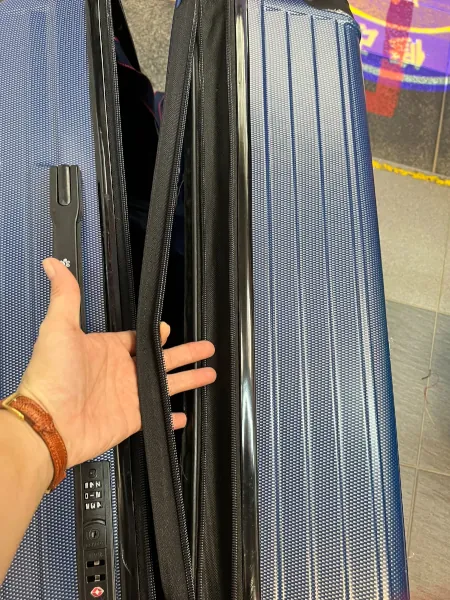
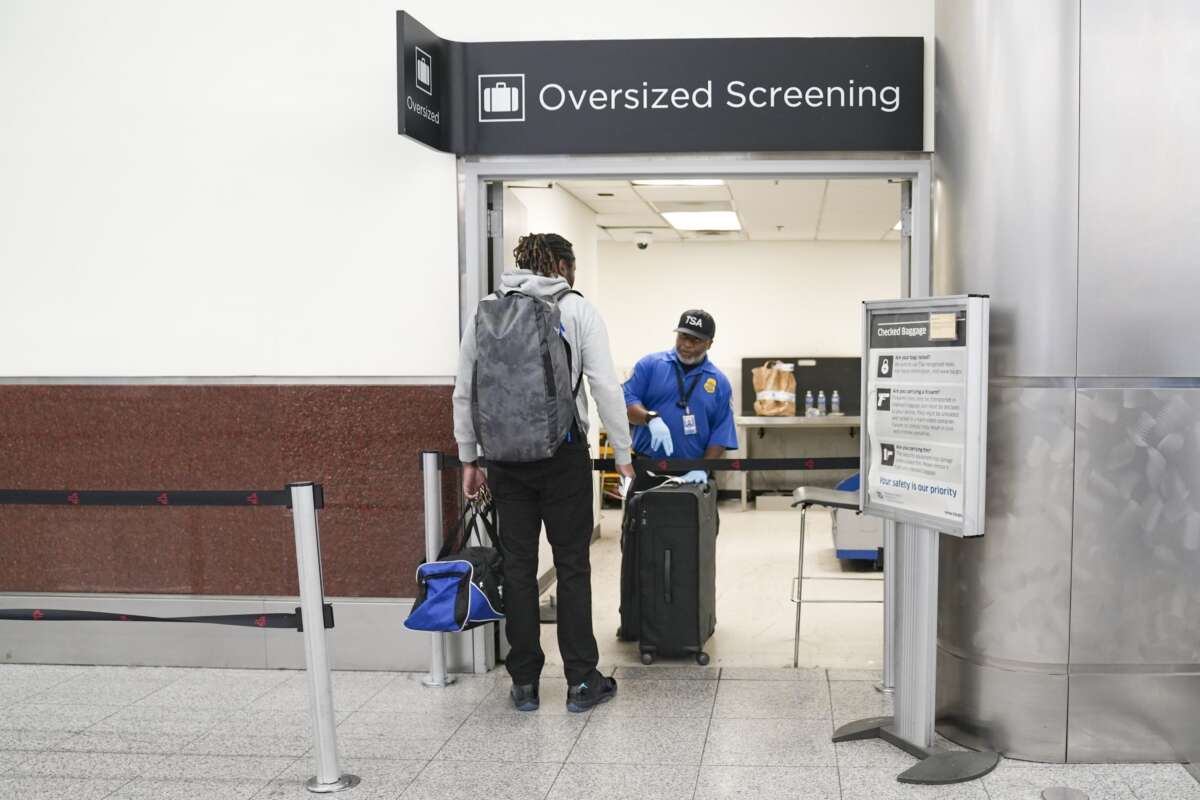
Checked luggage becomes oversized when its total dimensions exceed the airline's allowed linear inches (commonly 62 inches / 158 cm).
I’ve worked in travel writing and flown dozens of times with checked bags, so I know the stress of finding out a bag is oversized at the counter. This guide explains exactly when does checked luggage become oversized, how to measure your bag, typical size and weight cutoffs, fees you might face, common exceptions, and smart ways to avoid surprise charges. Read on for clear, practical advice you can use before you reach the airport.
How airlines define oversized checked luggage
Airlines use two main limits: size and weight. Size is usually measured as linear inches. That means length plus width plus height. Many major airlines call any bag larger than 62 linear inches oversized. Some carriers use centimeters (158 cm).
Weight limits differ. Domestic carriers often use 50 pounds (23 kg) as a standard. If a bag is both heavy and big, you may pay multiple fees. Low-cost airlines and some international carriers set different size or weight cutoffs. Always check your carrier’s rules before travel.
Common quick rules you’ll see:
- US and many international carriers: over 62 linear inches (158 cm) is oversized.
- Over 50 lb (23 kg) is overweight for economy checked bags.
- Specialty items or sporting gear may have separate rules.
:max_bytes(150000):strip_icc()/TAL-illustrated-chart-CARRYSIZE0325-35ad53e34fe94833b370f432af602978.jpg)
How to measure your bag correctly
Measure carefully at home. Use a soft tape measure. Include wheels and handles in your measurements. Use the linear inches formula: length + width + height.
Step-by-step:
- Lay the bag flat. Measure the longest side (length).
- Measure the width across the base.
- Measure the height from bottom to top, including wheels and handles.
- Add the three numbers to get linear inches. Compare to 62 inches or your airline’s limit.
Example: A suitcase 28 in + 18 in + 10 in = 56 linear inches. That passes a 62-inch rule. Repeat if adjustable handles add length. If you travel often, keep a small luggage tape or foldable rule in your closet.
Fees, penalties, and handling when luggage is oversized
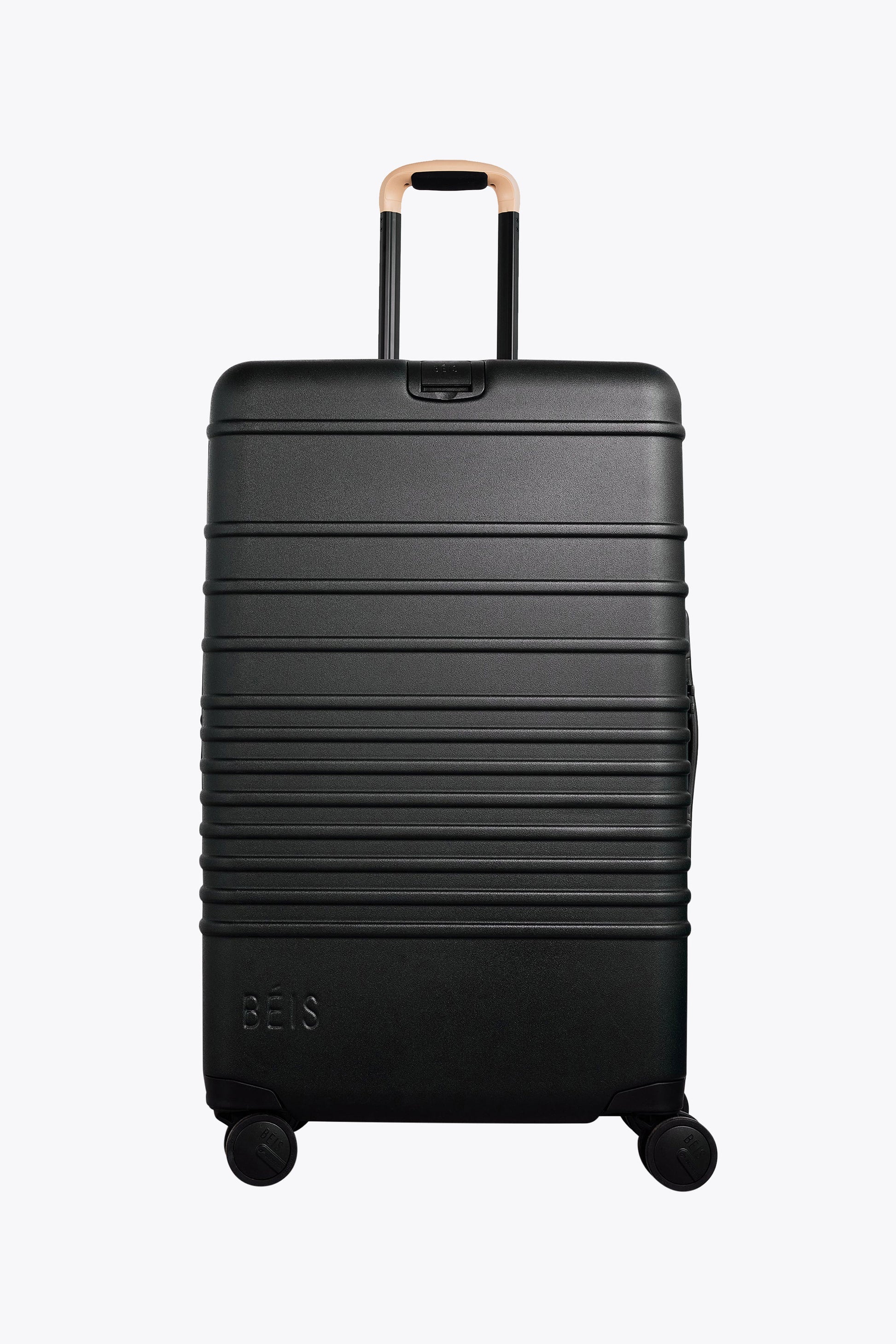
If your bag is oversized, expect fees or special handling. Fees vary widely by airline and route. Typical ranges for oversized fees are $100 to $300 on many carriers. Overweight fees can add $50 to $200 more.
What can happen at the airport:
- Pay an oversized fee and check the bag normally.
- Be asked to move items to another bag or pay an overweight fee.
- Have the bag refused and redirected to cargo service, which costs extra and delays arrival.
- For very large items, the airline may require shipping as cargo only.
Tip: Fees are highest when you discover the issue at the gate or check-in desk. Measure at home to avoid surprises.

Exceptions, special items, and allowances
Not all large items count the same. Many airlines treat certain gear differently. Examples include:
- Sporting equipment like skis or golf clubs: often a separate fee or allowance.
- Musical instruments: some airlines let small instruments onboard; large ones may need an extra seat or checked as oversize.
- Baby gear: strollers and car seats are often allowed free, even if oversized.
- Elite flyers: frequent flyers or premium cabin passengers may get larger allowances.
Always review the airline’s policy for your specific item. If in doubt, call the carrier before you fly.
Practical tips to avoid oversized baggage fees
Avoiding fees takes a little planning. Try these tactics I use when I travel:
- Weigh and measure your bag at home before packing the last items.
- Use soft-sided luggage that can compress into tight spaces.
- Pack heavy items in carry-on if allowed and light items in checked bag.
- Bring a small luggage scale for on-the-go checks.
- Consider shipping bulky items ahead if they are heavy and non-urgent.
- Choose airlines with higher size or weight limits for big trips.
I once packed souvenirs without measuring and hit a $200 gate fee. Now I measure every bag. That small step saved me money many times.
When does checked luggage become oversized — clear definitions and examples
When does checked luggage become oversized? Use this short checklist:
- If length + width + height > airline’s max linear inches, it is oversized.
- If weight > airline’s maximum weight, it is overweight.
- If both thresholds are exceeded, expect combined fees.
Examples to make it clear:
- A suitcase measuring 30 x 20 x 15 inches = 65 linear inches. That is oversized for a 62-inch limit.
- A bag measuring 26 x 18 x 12 inches = 56 linear inches and weighing 55 lb = overweight but not oversized by dimensions.
- A surfboard or ski bag often exceeds 62 linear inches and will be treated as oversize or specialty equipment.
When does checked luggage become oversized for international travel? Many international carriers follow the 158 cm standard, but some use different measures. Check the exact rule for your route.
Personal experience: lessons and mistakes to avoid
I’ve learned three big lessons from packing errors:
- Measure before the last item goes in. A few inches made the difference on a family trip.
- Keep receipts and proof of purchase if shipping items. It helps if a bag is lost or delayed.
- Call the airline for clarity. Policies change and customer service can confirm special allowances.
A mistake I made: I assumed a soft bag would compress into the overhead bin. At a small airport gate, staff charged me an oversized fee. Now I measure and confirm beforehand.
Related concepts and quick definitions
- Linear inches: Sum of a bag’s length, width, and height. Used by most airlines.
- Overweight: When a bag exceeds the carrier’s weight limit, usually checked separately from size.
- Excess baggage: Any bag beyond your allowance. Could be weight, size, or number of pieces.
- Cargo vs checked: Oversized items may be moved to cargo, which is separate and slower.
Knowing these terms helps you ask the right questions and avoid costly surprises.
Frequently Asked Questions of when does checked luggage become oversized
What exactly counts as oversized luggage?
Oversized luggage is any checked bag whose combined length, width, and height exceed the airline’s maximum linear dimensions. Many carriers use 62 linear inches (158 cm) as the threshold.
Will wheels and handles count toward oversized measurements?
Yes. Wheels, handles, and external pockets are included in the linear measurement. Measure the bag as it will be checked.
What happens if my bag is oversized at check-in?
You may pay an oversized fee, be asked to repack, or have the item sent by cargo. Some airlines charge significant fees if you discover the issue at the gate.
How much do oversized fees usually cost?
Fees vary but often range from $100 to $300 domestically. Overweight fees may add extra charges. Rates depend on the airline and route.
Can elite status or business class waive oversized fees?
Sometimes. Elite frequent flyers or premium cabin passengers often get higher allowances or fee waivers. Always verify the benefit with the carrier before travel.
Are sports equipment and musical instruments treated as oversized?
They are often handled as specialty items with separate fees or allowances. Some carriers allow certain gear free or require advance notice.
Conclusion
Knowing when does checked luggage become oversized saves time and money. Measure your bag, check your airline’s limits, and plan ahead to avoid fees and delays. Use a tape measure and luggage scale, choose the right carrier, and pack smart. Try these tips on your next trip and you’ll reduce stress at the airport. If this helped, leave a comment, share your oversized-bag story, or subscribe for more travel tips.

Zayden Halbrook is a travel enthusiast and gear researcher passionate about making every journey smoother and more enjoyable. With a keen eye for practical travel essentials and real-world tips, he helps readers choose the right gear and travel smarter. When he’s not testing travel kits or exploring new destinations, Zayden shares simple, reliable advice to make every trip stress-free.