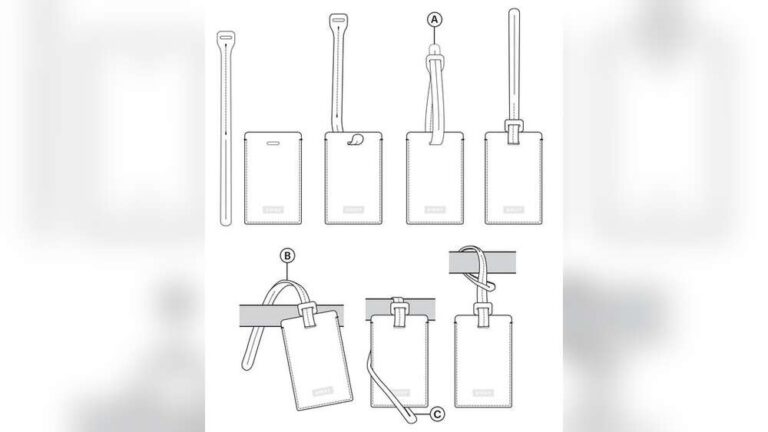
Loop the strap through the handle, secure the buckle or knot, and tuck the ID into the cover.
I’ve worked with luggage, tags, and travel gear for years, testing methods that keep bags identifiable and safe. This guide on how to put a luggage tag on walks you through simple, reliable techniques for all tag types, explains privacy and airline concerns, and shares tips I learned from real travel. Read on and learn the fastest, most secure ways to attach a luggage tag so your bag arrives where you do.
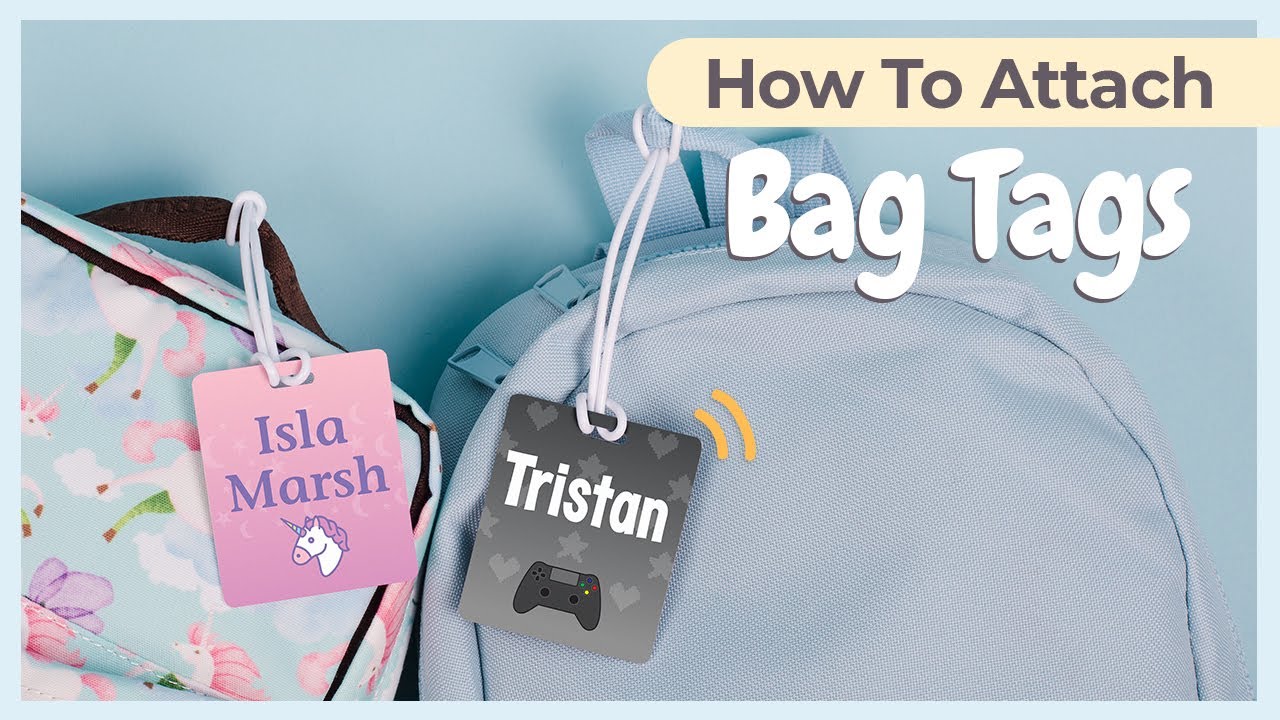
Why luggage tags matter
A clear, secure luggage tag helps reunite you with lost bags. It speeds up airline processing and makes your bag easy to spot on a carousel. A tag can also act as a backup ID if your bag is separated from you.
- Benefits of using a tag
- Helps airports and carriers identify owners quickly
- Reduces stress and time searching at baggage claim
- Lets family or hotel staff contact you if needed
As someone who’s had a bag misrouted once, I know the peace a durable tag brings. Use a proper tag and attach it correctly. It saves time and hassle.

Types of luggage tags and when to use them
Not all tags are the same. Choose the right one for your trip.
- Traditional flap ID tags
- Strap or buckle tags for soft-sided luggage
- Cable loop tags for hard-shell suitcases
- Adhesive tags for tight handles or temporary use
- Smart tags (Bluetooth or NFC) for tracking via phone
Each type changes how you put a luggage tag on. For hard shells, a cable loop is best. For checked bags, use durable straps. For carry-ons, a visible flap tag works well.

Tools and prep before you attach a tag
A little prep makes attaching tags fast and secure.
- Inspect the handle and anchor points on your bag
- Choose a tag type that fits the handle width
- If the tag has a strap, check the buckle or snap for wear
- Have a small zip tie or cable loop as a backup
- Fill out the ID card but protect private data (see privacy tips)
Always test the tag’s hold by giving it a gentle tug. If it shifts, reattach or use a stronger loop.

How to put a luggage tag on: Step-by-step
Below are clear methods for the most common tag styles. These steps show how to put a luggage tag on securely and quickly.
- Loop-through strap tag (most common)
- Thread the thin end of the strap through the suitcase handle or anchor.
- Bring the tag body around the handle.
- Feed the thin end through the slot or buckle on the tag.
- Pull tight until snug. Tuck any excess strap inside the tag pocket or under the buckle.
- Buckle or snap strap tag
- Wrap the strap around the handle.
- Snap or fasten the buckle. Make sure it clicks.
- Tug to confirm the snap holds.
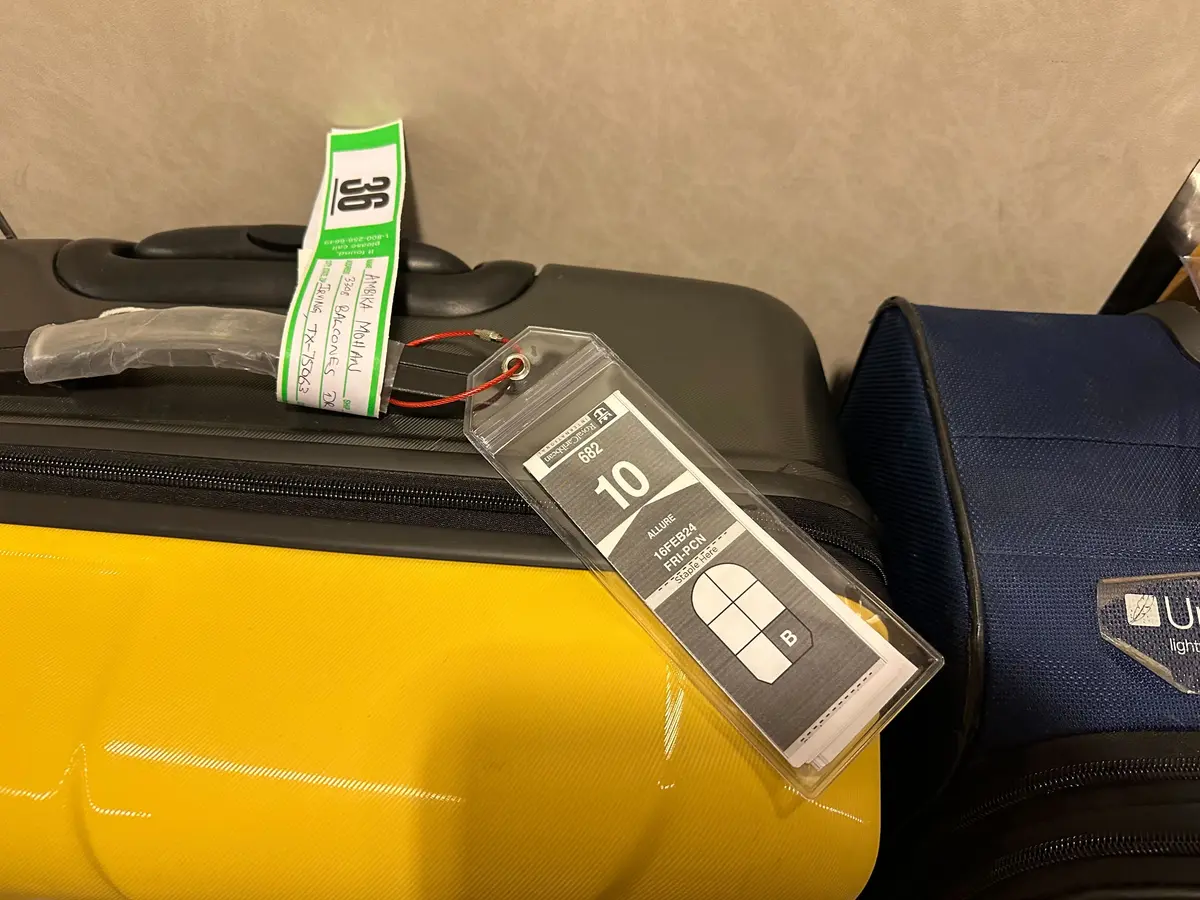
- Cable loop tag
- Thread the cable through the handle or a luggage strap anchor.
- Insert the cable end into the locking sleeve or screw it closed, depending on model.
- Tighten so the cable cannot slip off with a firm pull.
- Adhesive tag (temporary)
- Clean the area of the bag where you’ll stick the tag.
- Peel the backing and press the tag firmly for 30 seconds.
- Avoid adhesive tags for long trips or checked bags unless specified as heavy-duty.
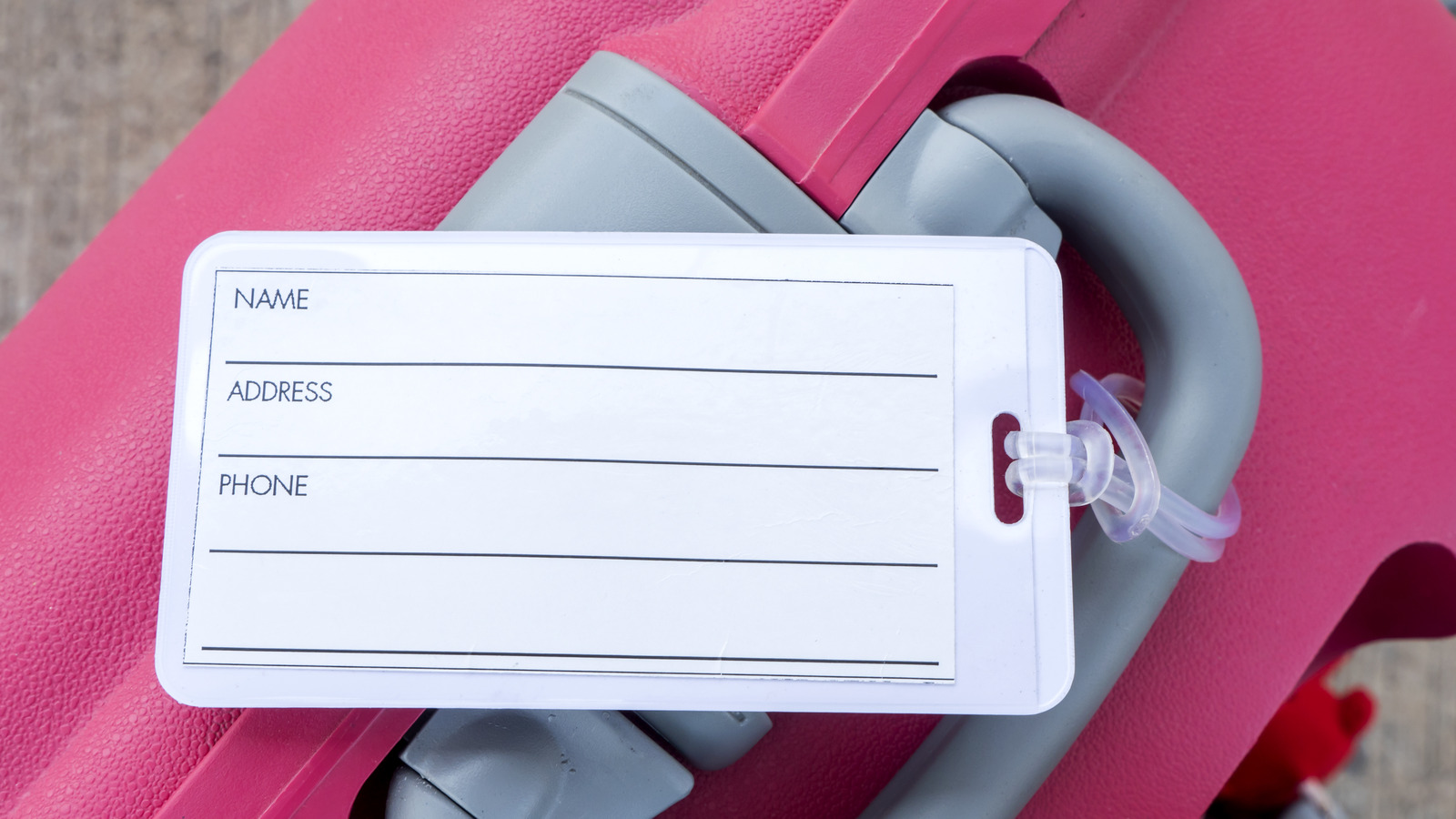
- Sleeve or holder tag (ID card inside clear sleeve)
- Place your ID card inside the sleeve.
- Attach the sleeve to the handle using its provided strap or loop.
- Ensure the card is readable and the sleeve closes fully.
- Smart tag (Bluetooth/NFC)
- Charge or set up the device per manufacturer instructions.
- Attach using a strap or adhesive as recommended.
- Pair the tag with your phone and test the range before travel.
Practical tip: If you're worried about loss, use two methods. For example, place a flap tag on the handle and a cable loop through the suitcase anchor.
Privacy and security when you attach a tag
You want your bag found, but you don’t want your full address visible.
- Use only essential contact info, such as name and phone number or email
- Consider using a city and phone number rather than a full home address
- Use a tag with a flap or privacy cover that hides personal details
- For high-risk travel, use a temporary contact number or an email you monitor
I once used a hotel’s phone number instead of my home address. It helped staff contact me without exposing my private address.

Common mistakes and how to avoid them
Avoid these easy errors when you put a luggage tag on.
- Attaching to a weak loop or external strap that can break
- Leaving contact details fully exposed in public view
- Using only adhesive tags for checked luggage without testing durability
- Not securing the strap’s excess, which can snag and tear
From experience, double-check the anchoring point. If a tag hangs from a decorative strap, it might not hold in transit.
Maintenance: keeping your luggage tags effective
Tags wear out. Inspect them before trips.
- Check for fraying straps or cracked plastic
- Replace old adhesive tags each trip
- Tighten cable loops and replace thin zip ties with metal loops when possible
- Clean transparent sleeves so ID remains readable
A small weekly check before travel saves time and keeps your bag identifiable.
PAA-style quick questions
Q: How long should a luggage tag strap be?
A: A strap should be long enough to loop comfortably around the handle and fasten without excessive slack. Too much slack can catch and tear.
Q: Can I use a luggage tag on a backpack?
A: Yes. Attach the tag to a sturdy handle or a reinforced loop near the top of the pack. Avoid thin fabric straps that can rip.
Q: Will airlines accept adhesive tags?
A: Airlines accept approved adhesive tags when used as directed. Use airline-issued stickers for checked baggage when required.
Frequently Asked Questions of how to put a luggage tag on
How do I attach a luggage tag to a hard-shell suitcase?
Use a cable loop or metal wire. Thread it through the handle or the luggage’s built-in anchor and lock the cable securely so it can’t slide off.
Should I put my home address on a luggage tag?
It’s safer to avoid a full home address. Use a phone number, email, or a city and phone combo to protect your privacy while allowing contact.
Can I secure a luggage tag with a zip tie?
Yes. A strong zip tie works well as a backup, especially on short trips. Use a metal cable loop for longer or checked trips for added durability.
What is the best place to attach a luggage tag on a carry-on?
Attach it to the top handle or a reinforced side handle. These spots are visible at baggage claim and less likely to be damaged.
How do I keep an ID card from falling out of a flap tag?
Make sure the flap closes fully and any buckle or snap is engaged. For extra security, slide a small piece of clear tape over the flap edges inside the tag.
Are smart luggage tags a good replacement for physical tags?
Smart tags add tracking but should not replace a physical tag. Use both so airport staff and trackers can locate your bag.
Can I put two tags on one bag?
Yes. Two tags add redundancy. Place one visible tag and one hidden or internal tag with more contact info.
Conclusion
Attaching a luggage tag correctly is simple and worth the small effort. Use the right tag for your bag, secure it to a strong anchor point, and protect your personal data. Try the methods above next time you travel and see how much smoother baggage claim feels. If this helped, leave a comment with your favorite tag type, subscribe for more travel tips, or share this guide with a friend before their next trip.

Zayden Halbrook is a travel enthusiast and gear researcher passionate about making every journey smoother and more enjoyable. With a keen eye for practical travel essentials and real-world tips, he helps readers choose the right gear and travel smarter. When he’s not testing travel kits or exploring new destinations, Zayden shares simple, reliable advice to make every trip stress-free.