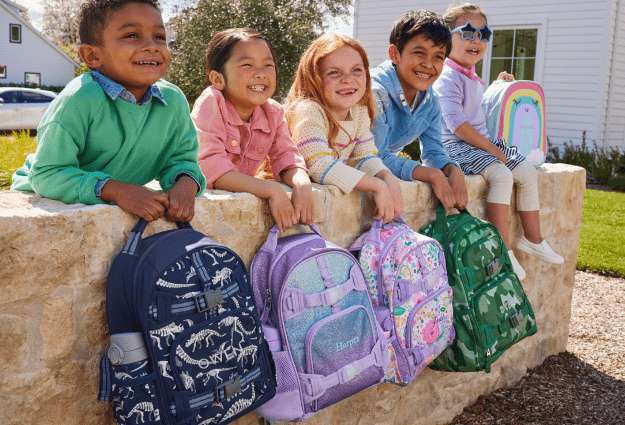
A kindergarten backpack should be about 10–12 inches tall and hold roughly 8–12 liters.
Choosing the right backpack for a kindergartner matters more than it seems. I’ve helped parents pick bags for years and tested dozens with teachers and pediatric guidance. This article will explain exactly what size backpack for kindergarten works best, how to measure fit, what features matter, packing tips, and real-life lessons to help you buy with confidence. Read on and you’ll know exactly what to look for when shopping for your child’s first school bag.
Why backpack size matters for kindergarten
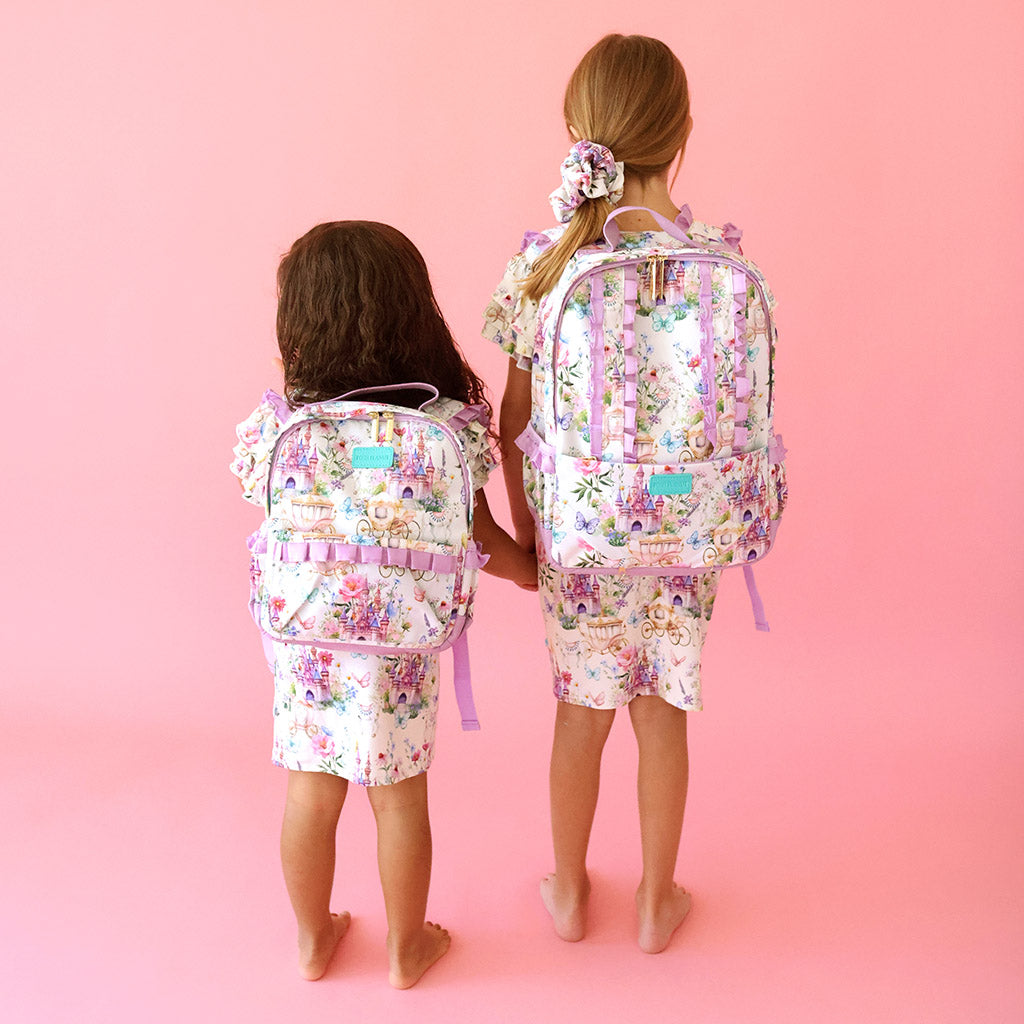
A child’s backpack is part of their daily routine. The right size keeps items safe and keeps kids comfortable. A bag that is too big can overwhelm a small child and cause strain. A bag that is too small won’t hold needed supplies and leads to overstuffing.
Parents ask what size backpack for kindergarten most often. Size affects posture, ease of carrying, and what fits inside. I advise keeping the bag light, short, and simple for kindergarten kids. Small differences in size make big differences in wear and daily use.
Recommended dimensions and capacity for what size backpack for kindergarten
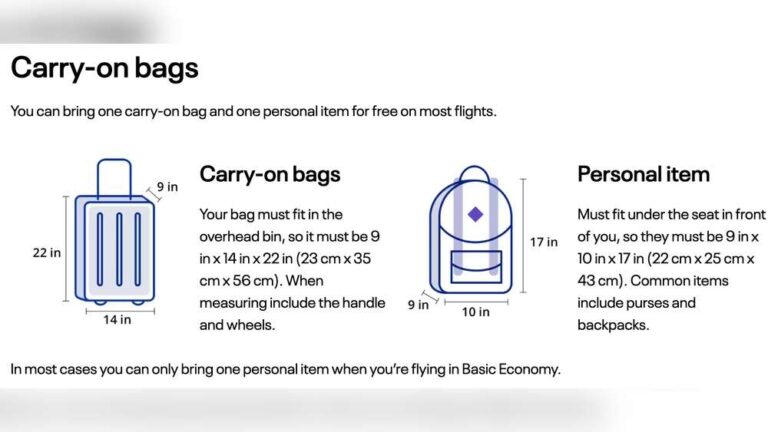
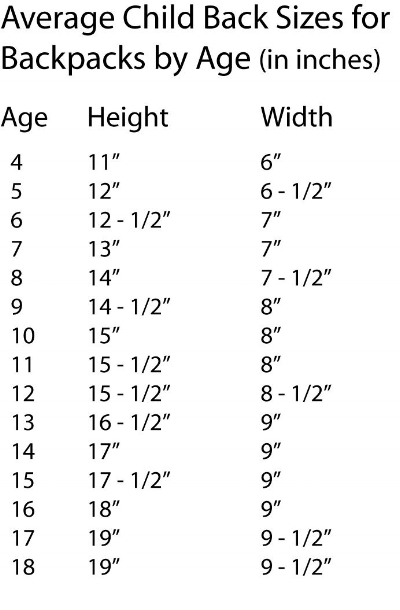
Most experts and preschool teachers recommend a backpack that is 10–12 inches tall, 8–10 inches wide, and 3–5 inches deep. This equals roughly 8–12 liters of volume. That size fits a lunchbox, a small water bottle, a change of clothes, and a few books or folders.
A backpack 10–12 inches tall will sit well on a child’s back and not extend beyond their shoulders. Keep straps padded and short so the bag stays centered. When asking what size backpack for kindergarten, remember that capacity matters more than a cute design.
How to measure your child and test backpack fit
Measure from the base of the neck to the top of the hip for a quick fit guide. The backpack height should not exceed this measurement. Also measure shoulder width so straps sit naturally on the child’s shoulders.
Try these steps in store or at home:
- Have the child put the backpack on with light weight inside so it sits naturally on the back.
- Adjust the shoulder straps until the bag rests in the natural curve of the lower back.
- Check that the backpack does not hang below the child’s waist or swing side to side.
Two common quick questions parents ask are: Will a 12-inch pack fit my child? Yes, for most kindergarteners, a 12-inch pack is a safe upper limit. How full should the backpack be? Aim for a bag that weighs no more than 10–15% of the child’s body weight.
Features to look for in a kindergarten backpack
Size is the headline, but features matter for comfort and safety. Look for these elements:
- Padded shoulder straps with adjustable length so the bag sits snug.
- A lightweight construction to avoid unnecessary weight.
- A chest strap or small sternum strap to stabilize the load.
- Reflective details for visibility during low light.
- Easy-open zippers and simple compartments for small hands.
- Durable, washable fabric to stand up to spills.
When thinking about what size backpack for kindergarten, match these features to the size. A small bag with poor straps still causes discomfort.

Common mistakes parents make and how to avoid them
Many parents buy too-large backpacks because of future use or because a large bag looks like better value. That often makes the child’s load awkward and heavy. Another mistake is ignoring strap fit and buying based on design alone.
To avoid problems:
- Buy for current size, not future growth. Replace when the child truly needs more space.
- Test the bag loaded with typical items like a lunchbox and folder.
- Avoid heavy frames or metal parts that add unnecessary weight.
From my own experience, I once chose a roomy bag for a kindergartner thinking it would last two years. The child rarely used the extra pockets and the bag always slipped off. Learning: buy right-sized from the start.

Packing tips and safe weight limits
Keep daily weight light. Aim for the packed bag to weigh no more than 10–15% of the child’s body weight. For example, a 40-pound child should carry no more than 4–6 pounds in the backpack.
Packing tips:
- Place heavier items closest to the back to reduce sway.
- Use one main compartment for books and one pocket for lunch.
- Limit toys and extras. Save non-essentials for home.
- Use a small pencil case rather than many loose items.
Ask the school what items are required each day. Knowing the daily list helps answer what size backpack for kindergarten you need.
Shopping checklist and choosing the right style
A clear checklist cuts stress when shopping. Use this list while shopping online or in stores:
- Size: 10–12 inches tall and 8–12 liters capacity.
- Fit: padded adjustable straps and proper sit height.
- Weight: lightweight materials and simple structure.
- Safety: reflective accents and secure zippers.
- Ease: easy-to-open zippers and washability.
- Design: child-friendly but functional.
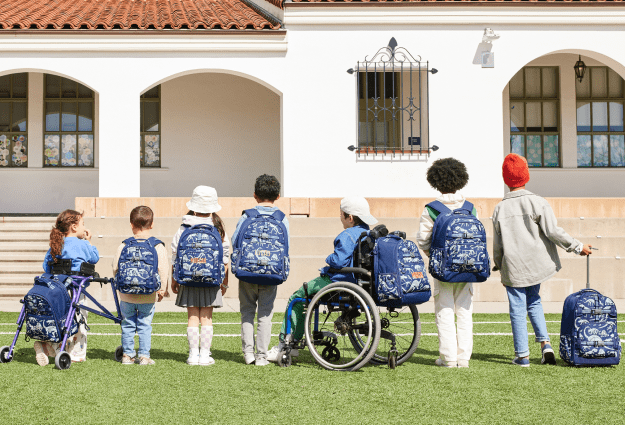
Think about how your child travels to school. If they ride a bus, choose a compact backpack that stays put. If they walk, reflective trim and a water-resistant shell matter more. This will help you answer what size backpack for kindergarten for your family’s needs.

Personal tips, lessons learned, and real-life examples
I tested several backpacks with kids in real classrooms. The smallest packs that fit a lunchbox and folder were the most used. Kids wore those bags consistently and had fewer complaints about straps.
Lessons learned:
- Let the child try the backpack on and open it. Kids know what feels right.
- Replace a bag if the child complains of shoulder pain or if the bag hangs below the hips.
- Keep a spare bag for field trips so the daily bag stays light and simple.
One family I worked with swapped a popular oversized character bag for a smaller model. Attendance and coat return improved simply because the child could manage the bag alone. Practical wins like that matter.
Frequently Asked Questions of what size backpack for kindergarten
What is the best height for a kindergarten backpack?
The best height is 10–12 inches so the bag sits between the neck base and the waist. This keeps weight centered and comfortable for small bodies.
How much should a kindergarten backpack hold in liters?
A good capacity is about 8–12 liters. This size fits a lunchbox, change of clothes, and a few school items without overloading.
Should kindergarten backpacks have wheels?
Wheels add weight and are hard on stairs and crowded halls. For kindergarten, a light, well-fitted backpack is usually better than a wheeled option.
How heavy can a kindergartner’s backpack be?
Aim for no more than 10–15% of the child’s body weight. Check weight regularly to keep loads safe and comfortable.
How often should I replace a kindergarten backpack?
Replace when the child outgrows the fit, usually within 1–2 years, or sooner if straps wear out or the bag causes discomfort.
Wrap up and next steps
Choosing the right bag is simple when you focus on fit, size, and features. A backpack about 10–12 inches tall and 8–12 liters in capacity is the best starting point for most kindergarteners. Test the bag on your child, keep the pack light, and prioritize padded straps and stability for daily comfort.
Take action today: measure your child, use the shopping checklist, and try bags on in person when possible. If you found this guide helpful, leave a comment with your questions or subscribe for more practical tips on kid gear and school readiness.

Zayden Halbrook is a travel enthusiast and gear researcher passionate about making every journey smoother and more enjoyable. With a keen eye for practical travel essentials and real-world tips, he helps readers choose the right gear and travel smarter. When he’s not testing travel kits or exploring new destinations, Zayden shares simple, reliable advice to make every trip stress-free.