Setting up a hammock can turn any day into a relaxing escape. I remember the first time I tried—it seemed simple until I realized there were some tricks to making it comfortable and safe. After years of camping and lazy afternoons in my backyard, I’ve learned the small details matter.
In this guide, you’ll find everything you need to hang your hammock the right way. Whether you want to nap between two trees, relax on your balcony, or gear up for your next camping trip, you’ll get all the steps, tips, and expert advice you need.
Choosing The Right Hammock
There are many types of hammocks. Picking the right one makes a big difference. Let’s look at the main options:
Fabric Hammocks
These are made from cotton or polyester. Cotton feels soft but can get moldy if left in the rain. Polyester is stronger for outside use.
Rope Hammocks
Classic rope hammocks are usually made from cotton or synthetic rope. They offer a cool feel in hot weather. The downside is that ropes can dig into your skin if you don’t use a blanket.
Camping Hammocks
These are lightweight and made from nylon. They’re easy to carry and great for hiking or camping. Some come with built-in mosquito nets and rain covers.
Hammock Chairs
These hang from one point and let you sit up. They’re good for porches or inside your home.
Spreader Bar Vs. Non-spreader Bar
A spreader bar keeps the hammock flat and open. Non-spreader types cocoon around you, which some people find more comfortable.
Personal tip: I once bought a hammock with a spreader bar thinking it would be easier to use, but I kept flipping out! If you’re new to hammocks, start with a non-spreader type for better balance.
Size And Weight Limit
Check the size before you buy. Single hammocks are for one person. Doubles fit two. Always check the weight limit—some hold 200 lbs, others up to 500 lbs or more.
Where Will You Use It?
- Backyard: You can use almost any type.
- Camping: Go for lightweight, quick-drying nylon.
- Indoors: Try a hammock chair or a soft fabric hammock.
Picking The Perfect Spot
Finding the right place is the foundation of a good hammock setup. Here’s what you should consider:
Distance Between Anchor Points
Most hammocks need anchor points 10 to 15 feet apart. Too close and you’ll hang low. Too far and it will be hard to get in.
Strength Of Anchor Points
Look for healthy trees, strong posts, or sturdy walls. Weak supports can break or fall.
Height From The Ground
The best height is about 4 to 6 feet off the ground. You want to hang low enough to get in easily, but not so low you touch the ground.
Safety And Comfort
Check for rocks, sharp objects, or uneven ground below. Avoid hanging over water, sharp stones, or thorny bushes.
Sun And Shade
A bit of shade is perfect. Direct sun can get hot, and too much shade may attract bugs.
Regulations
Some parks and campgrounds don’t allow hammocks. Always check the rules.
What You Need To Hang A Hammock
Before you start, gather these items:
- Hammock (of course!)
- Suspension straps or ropes (strong enough for your weight)
- Carabiners (if not included)
- Tree straps or hanging hardware (if using trees or posts)
- Measuring tape (optional, but helpful)
- Drill and screws/eye bolts (for indoor or porch setup)
Suspension Straps Vs. Ropes
Suspension straps are flat and wide. They protect tree bark and are easier to adjust. Ropes can work, but they can damage trees and are harder to tie securely.
Carabiners
Good hammocks come with climbing-rated carabiners. Never use cheap keychain types—they can break and cause injury.
Tree-friendly Choices
Choose wide straps (at least 1 inch) to avoid hurting trees. Many parks require these for environmental reasons.
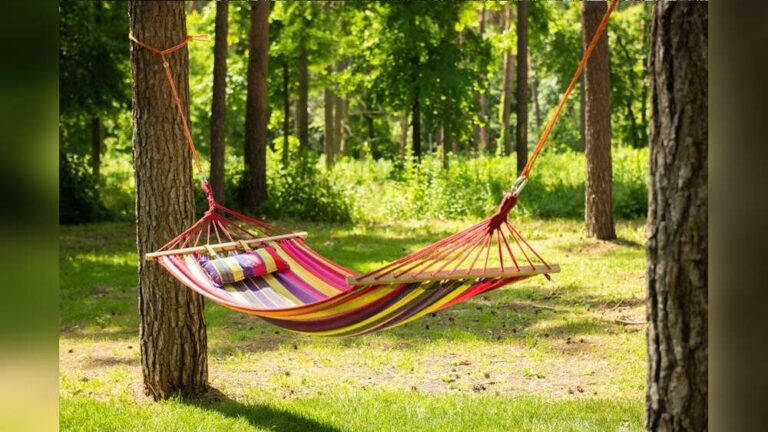
Hanging A Hammock Between Trees
This is the classic method. Here’s how to do it step by step.
- Find Two Healthy Trees
- Trees should be at least 6 inches in diameter.
- Make sure they’re alive and strong.
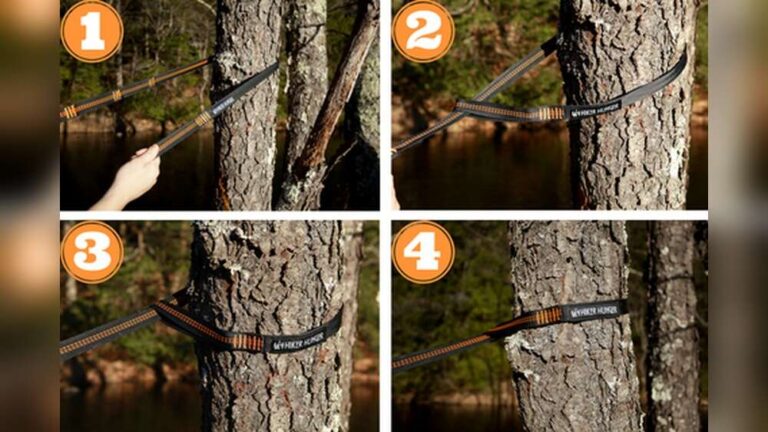
- Wrap Suspension Straps Around Each Tree
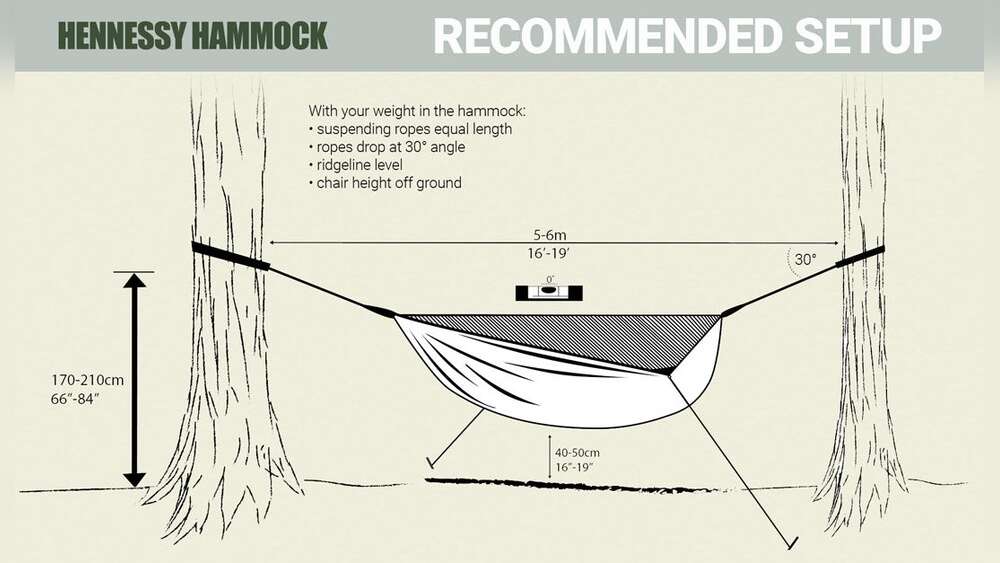
- Place straps about 5-6 feet high.
- Make sure they are even.
- Attach Hammock to Straps With Carabiners
- Clip the hammock ends to the straps.
- Adjust the height so the middle of the hammock is 18 inches off the ground.
- Check the Hang Angle
- Aim for a 30-degree angle from the strap to the ground.
- Too flat and you’ll feel like you’re being squeezed. Too steep and it’s hard to get in.
- Test Before Sitting
- Press down with your hands first.
- Then sit gently before lying down.
- Check for Twisting or Slipping
- Make sure the straps aren’t sliding down the tree.
Expert insight: I once made the mistake of hanging a hammock on young, thin trees. When I got in, both trees bent inward, and I ended up on the ground. Always choose trees with thick trunks.
Hanging A Hammock Indoors Or On A Porch
Want to enjoy a hammock inside? Here’s the safe way to do it.
Finding The Right Spot
Look for two strong walls or ceiling beams. Avoid drywall alone—it won’t hold your weight.
Installation Steps
- Locate the Wall Studs or Ceiling Joists
- Use a stud finder to make sure you’re drilling into solid wood.
- Mark Anchor Points
- Points should be 10-15 feet apart, depending on your hammock’s length.
- Drill Pilot Holes
- Use a drill bit a little smaller than your eye bolt.
- Screw in Heavy-Duty Eye Bolts
- Twist them all the way in so they’re tight.
- Attach Hammock With Carabiners or S-Hooks
- Clip hammock ends to the bolts.
- Test Carefully
- Sit down gently to check strength.
Porch Or Balcony
You can use the same method, but only if posts are strong. Avoid metal railings unless they’re anchored well.
Safety Tip
Indoor falls can be serious. Double-check your work and never overload the hammock.
Using Hammock Stands
If you don’t have trees or posts, a hammock stand is a great solution.
Types Of Stands
- Metal stands: Strong and weather-resistant, but heavy.
- Wood stands: Look great, but need care to prevent rot.
- Collapsible stands: Good for travel or small spaces.
Setting Up A Stand
- Assemble the Stand
- Follow the instructions. Most stands snap together easily.
- Attach the Hammock
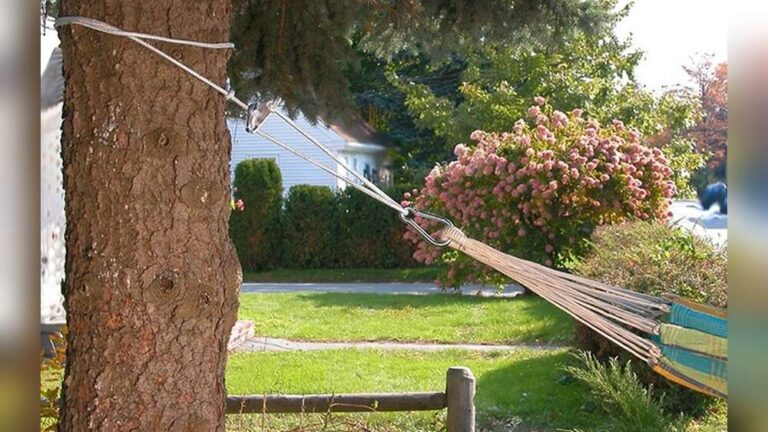
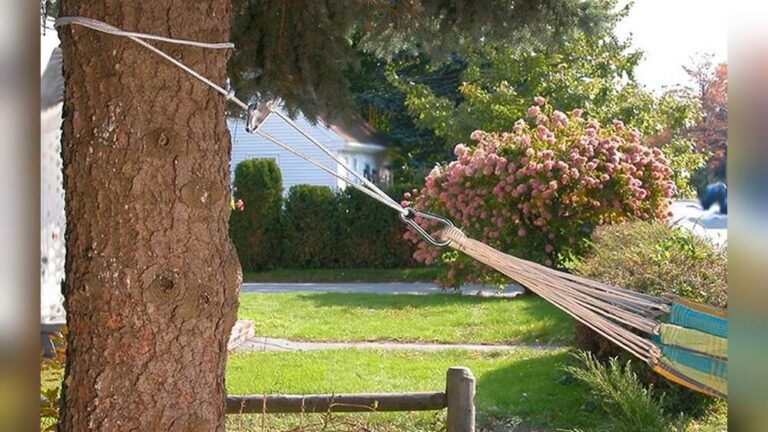
- Use the hooks or chains provided.
- Adjust the Length
- Some stands are adjustable. Make sure the hammock isn’t too tight or too loose.
- Check Stability
- Place the stand on flat ground.
- Test before lying down.
Stand Vs. Tree Setup
Here’s a quick comparison:
| Feature | Hammock Stand | Trees/Posts |
|---|---|---|
| Location Flexibility | High | Limited by tree placement |
| Setup Time | 5-10 min | 10-20 min |
| Environmental Impact | None | Possible tree damage |
| Portability | Varies | High (if using straps) |
When To Use A Stand
- In your backyard or on a patio
- If you can’t use trees
- For parties or events

Credit: kellykettle.com.au
Adjusting For Comfort And Safety
Getting in and out of a hammock is easy if you set it up right. Here’s how to stay comfortable and safe:
The Right Hang Angle
A 30-degree angle from the suspension to the ground is best. It reduces pressure on your body and on the anchor points.
Sag Is Good
Many people think the hammock should be tight. That’s a mistake. A little sag lets you lie diagonally, which is more comfortable.
Diagonal Lying
Lie at an angle, not straight. This keeps your body flat instead of curved. You’ll sleep better and avoid back pain.
Keeping Bugs Away
If you’re outdoors, use a bug net. Some hammocks have them built in. You can also buy separate nets.
Staying Dry
Use a rainfly if there’s a chance of rain. Make sure it covers the whole hammock.
Blankets And Pads
Add a blanket or sleeping pad underneath you for cold nights. Air flows all around you in a hammock, so you can get chilly even in summer.
Weight Distribution
Don’t overload your hammock. Always check the weight rating.
Kids And Pets
Teach kids to get in and out safely. Never leave small children alone in a hammock.
Common Hammock Hanging Mistakes
Even experienced users make mistakes sometimes. Here are some to avoid:
- Using Weak Trees or Supports
- Thin trees or weak posts can bend or break.
- Hanging Too Tight
- A flat hammock feels stiff and can hurt your back.
- Hanging Too Low or High
- Too low and you touch the ground. Too high and it’s hard to get in.
- Not Checking Hardware
- Old carabiners or rusty bolts can fail.
- Using Thin Ropes on Trees
- Thin ropes cut into tree bark, which can harm or kill trees.
- Ignoring Local Rules
- Some parks ban hammocks to protect trees.
- Not Testing Before Use
- Always test with your weight before relaxing.
- Leaving Out in Bad Weather
- Hammocks can mildew or fade if left outside for long periods.
- Overloading
- Never exceed the weight limit.
- Improper Angle
- Anything less than 30 degrees can stress your anchor points.

Credit: theultimatehang.com
Weather And Hammock Setup
Outdoor hammocks need extra thought when the weather changes.
Rain
Rain can soak your hammock and make it uncomfortable. Use a rainfly and make sure water can run off, not pool above you.
Sun
UV rays can damage some fabrics. Polyester and nylon last longer in the sun than cotton.
Wind
Strong wind can turn your hammock into a sail. Always check your anchors before getting in.
Cold
Even on warm days, cold air can chill you from below. Use an underquilt or sleeping pad for insulation.
Mold And Mildew
Always dry your hammock before storing. If you leave it out wet, mold and mildew can grow.
Quick Guide: Hammock Accessories
The right accessories can improve your hammock experience.
- Bug Nets
- Keep insects out while you relax or sleep.
- Rainfly or Tarp
- Protects you from rain, sun, and wind.
- Underquilt or Sleeping Pad
- Keeps you warm on cool nights.
- Gear Sling
- Hangs under your hammock for shoes or small items.
- Ridgeline
- Holds up your bug net or rainfly.
- Pillow
- Small, inflatable or compact pillow for neck comfort.
- Hammock Organizer
- Pockets for your phone, book, or snacks.
- Carabiners
- Always carry extras just in case.
- Hammock Straps
- Get adjustable, tree-friendly straps for easy setup.
- Light
- Clip-on LED lights for reading or safety at night.
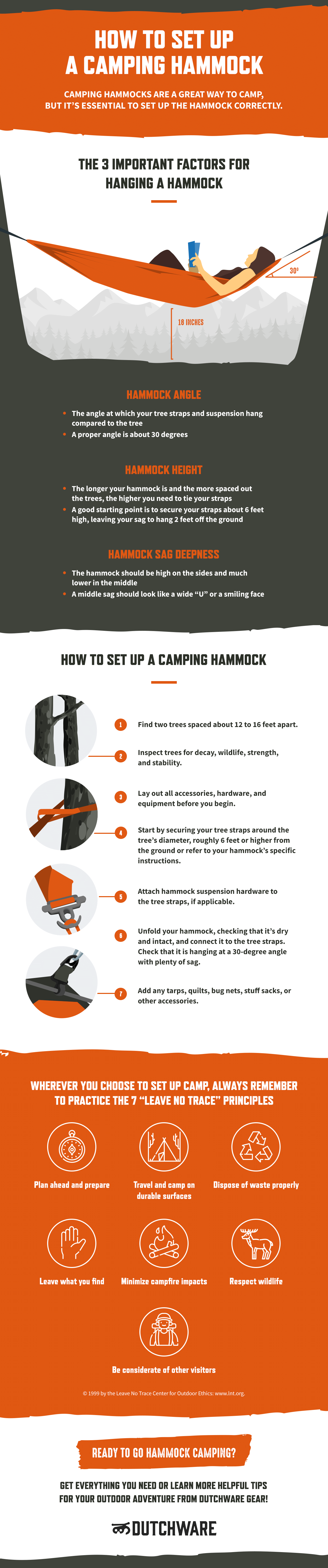
Credit: dutchwaregear.com
How To Store Your Hammock
Proper storage means your hammock will last for years.
Cleaning
Shake out dirt and debris. Wash by hand with mild soap or in a gentle machine cycle. Air dry completely.
Folding
Fold or roll your hammock, but don’t compress it too tightly. Store with straps and carabiners.
Storage Spot
Keep it in a dry, cool place. Avoid storing in direct sunlight or damp basements.
Check For Damage
Look For Tears Or Fra

Zayden Halbrook is a travel enthusiast and gear researcher passionate about making every journey smoother and more enjoyable. With a keen eye for practical travel essentials and real-world tips, he helps readers choose the right gear and travel smarter. When he’s not testing travel kits or exploring new destinations, Zayden shares simple, reliable advice to make every trip stress-free.