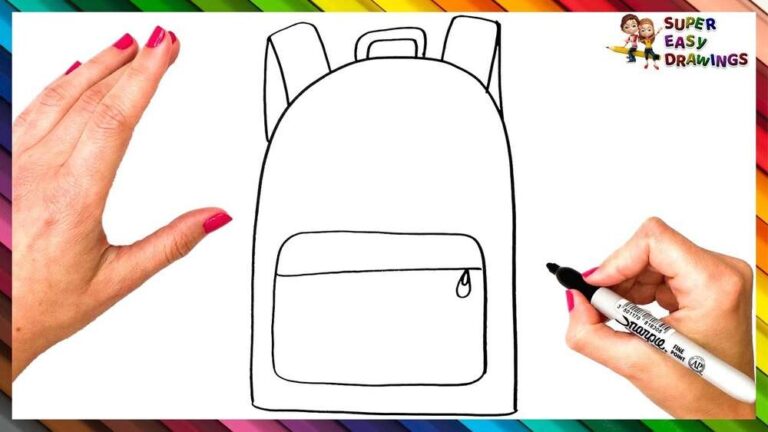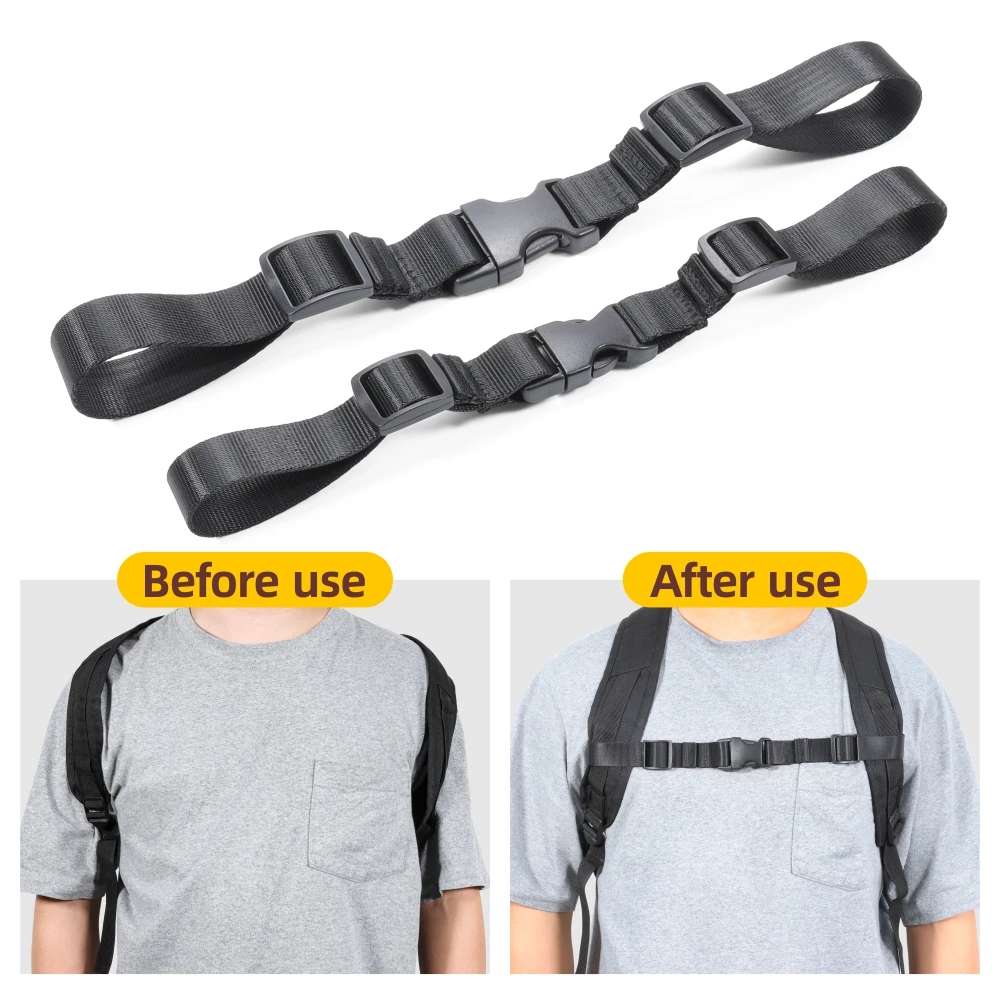
To loop backpack straps, pull the loose end of each strap through its built-in elastic keeper or a small webbing loop. Then fold the extra strap back and pass it through the loop again. This keeps the strap flat, stops it from dragging, and makes the backpack easier to use.
In the United States, this method works for most school backpacks, travel packs, hiking packs, and work bags. The exact steps may change based on the type of strap hardware on your bag.
Introduction
Loose backpack straps can catch on doors, bicycle parts, branches, and seat rails. They can also drag on the ground and fray over time. A small loop or strap keeper solves most of these problems without cutting the webbing.
This guide explains how to loop backpack straps, how to use common backpack buckles, and what to do when your bag has no built-in loop.

What Does “Looping a Backpack Strap” Mean?
Looping a backpack strap means securing the extra webbing that hangs below the adjustment buckle. It does not mean tying a knot in the shoulder strap.
Most backpack shoulder straps have three parts:
- Shoulder padding: The padded section that rests on your shoulder.
- Adjustment webbing: The loose strap that changes the fit.
- Strap keeper: A small elastic band or fabric loop that holds the extra webbing.
Some bags use a plastic loop instead of an elastic keeper. Others have no keeper at all.
The goal is simple: keep the loose strap close to the main strap without creating a hard knot or sharp bend.
How to Loop Backpack Straps Step by Step
Use this method when your backpack has a loose strap end and a built-in loop.
1. Put on the backpack and adjust the fit
Place the backpack on your back. Tighten or loosen the shoulder straps until the bag sits in a comfortable position.
For daily use, the backpack should rest close to your back. The shoulder straps should feel firm but should not dig into your neck or shoulders.
Adjust both sides before you secure the loose ends. If you loop the straps first, you may need to undo them later.
2. Find the loose strap end
Look below the adjustment buckle on each shoulder strap. You should see a length of flat webbing hanging down.
Run your fingers along the webbing. Check that it is not twisted. A twist can make the loop look uneven and may create pressure on the strap.
3. Pull the loose end through the keeper
Find the elastic band or fabric loop sewn to the strap. Push the loose end through the keeper from the front or side.
Pull enough webbing through to remove the dangling section. Do not pull the strap so tight that the keeper stretches hard.
4. Fold the extra webbing back
Bend the loose end upward so it lies against the fixed part of the shoulder strap.
Keep the fold flat. Avoid twisting the strap into a rope-like shape.
5. Pass the folded end through the keeper again
Push the folded end through the same keeper a second time. This creates a simple loop that holds the extra webbing against the strap.
For a long strap, make a second small fold and pass it through the keeper once more. Stop when the end stays in place.
6. Check the loop
move your arm and adjust your posture. The loop should stay flat and should not press into your chest, neck, or arm.
Pull the shoulder strap gently. The loop should release without a struggle if you need to change the fit.
Repeat the process on the other shoulder strap.

How to Loop Straps Without a Built-In Keeper
A backpack may not have an elastic keeper. You can still secure the excess webbing with a separate strap keeper, hook-and-loop tie, or soft elastic band.
Option 1: Use a strap keeper
A strap keeper is a small ring or band made for holding loose webbing. To use one:
- Adjust the backpack first.
- Fold the loose webbing back along the shoulder strap.
- Slide the keeper over the folded section.
- Position the keeper near the end of the loose strap.
- Check that the keeper holds the webbing without crushing it.
Choose a keeper that fits the strap width. A band that is too tight may damage the webbing or make adjustment hard.
Option 2: Use a hook-and-loop tie
A reusable hook-and-loop tie works well on travel bags and work backpacks. Wrap it around the folded webbing and fasten it lightly.
This method is useful when the strap length changes often. You can open the tie without unthreading the strap.
Keep the soft side facing outward. The rough hook side can scratch clothing or skin.
Option 3: Use a soft elastic band
A wide, soft elastic band can hold a small amount of extra webbing. Use this only when the band does not slip or pinch.
Avoid thin rubber bands. They can snap, become brittle, and leave sticky residue on the strap.
Option 4: Use a cord lock
A cord lock is made for round cords, not flat backpack webbing. It can work in some cases, but it may squeeze the webbing and cause uneven wear.
Use a cord lock only when it fits securely and does not interfere with the adjustment buckle.

How to Use a Backpack Ladder Lock
Many backpacks use a ladder lock buckle to adjust the shoulder straps. The buckle has several horizontal bars, which look like the rungs of a ladder.
If the strap is too long, do not wrap the webbing around the buckle at random. Thread it through the buckle as designed.
A common setup works like this:
- Lift the loose end toward the ladder lock.
- Pass the webbing under the first bar.
- Bring it over the center bar.
- Pull it through the opening on the other side.
- Pull the strap until it lies flat.
- Use the keeper to secure the remaining end.
The exact path can vary by backpack. If the buckle does not hold, look for a small diagram sewn inside the bag or check the bag maker’s instructions.
A correctly threaded ladder lock should hold when you pull down on the strap. If the strap slides freely, it may be threaded backward or may not have enough webbing wrapped around the center bar.
How to Loop Sternum Straps
A sternum strap crosses the chest and connects the two shoulder straps. It is different from the loose adjustment straps under the shoulders.
To secure a loose sternum strap:
- Clip the sternum buckle.
- Adjust the strap so it rests across the upper chest.
- Pull the extra webbing through its small elastic keeper.
- Fold the end back.
- Push the folded end through the keeper again.
Do not place the sternum strap across your neck. It should help keep the shoulder straps in place, not pull them inward with force.
If the strap limits breathing, sits too high, or causes pain, loosen it or move it down.

How to Loop Waist-Belt Straps
Large hiking packs often have a padded waist belt. The belt may include long adjustment straps near the buckle.
To loop these straps:
- Put on the pack with its normal load.
- Fasten the waist belt over your hip bones.
- Tighten it until the pack feels stable.
- Fold the loose belt webbing toward the belt.
- Pass the fold through the elastic keeper.
- Leave enough room to loosen the belt later.
Do not tie the waist-belt strap to a fixed point on the pack. You need to adjust the belt when clothing layers or pack weight changes.
Keep the buckle in front of your body. A buckle hidden under the pack can be hard to release in an emergency.
The Best Loop Method for Different Backpack Straps
Use the simplest method that holds the strap flat and still lets you adjust it.
| Strap type | Best way to secure it | What to avoid |
|---|---|---|
| Shoulder strap | Fold the loose end through the elastic keeper | Tight knots |
| Sternum strap | Use the small keeper near the buckle | Pulling the strap across the neck |
| Waist belt | Fold the tail through its keeper | Locking the strap so it cannot adjust |
| Compression strap | Use its buckle or keeper | Wrapping it around zippers |
| Plain webbing | Use a strap keeper or hook-and-loop tie | Tape that leaves residue |
The strap should stay close to the bag, but it should not be trapped permanently. A good loop gives you control while keeping the adjustment system usable.

How Tight Should a Backpack Strap Loop Be?
The loop should be snug, not tight.
A snug loop keeps the excess webbing from swinging. A tight loop can make the strap hard to adjust and may stretch the elastic keeper.
Use this quick check:
- Pull the shoulder strap gently.
- Confirm that the strap still slides through the buckle.
- Move your arms.
- Check that the loop does not press into your body.
- Try to release the loop with one hand.
If the loop passes these checks, it is secure enough for normal use.
Common Mistakes When Looping Backpack Straps
Tying a hard knot
A knot may seem secure, but it can flatten the webbing and make later adjustment difficult. It may also create a hard point that presses against your body.
Use the built-in keeper or a removable strap holder instead.
Cutting off the extra strap
Do not cut the webbing until you are sure the pack fits correctly. You may need the extra length when wearing a coat, carrying a heavier load, or sharing the bag with another person.