Fold the jacket along its natural seams, protect it with a clean layer, and place it on top of heavier items.
Learning how to pack a jacket in a suitcase can save space, prevent deep wrinkles, and protect structured fabric. After testing several folding and rolling methods with blazers, coats, and casual jackets, I have found that the best method depends on the jacket’s shape, material, and trip length. This guide explains each step so your jacket arrives ready to wear.
Choose the Right Packing Method
The best way to pack a jacket depends on its fabric and construction. A soft fleece jacket can handle more pressure than a wool blazer or leather jacket. Start by checking the care label, then choose the method that causes the least stress on the fabric.
Use a fold-and-layer method for:
• Blazers and suit jackets
• Wool coats
• Structured jackets
• Linen jackets
• Jackets with shoulder pads
Use a roll method for:
• Puffer jackets
• Fleece jackets
• Denim jackets
• Nylon windbreakers
• Lightweight rain jackets
Avoid tightly rolling tailored jackets. Rolling can bend the lapels, flatten the shoulders, and create hard wrinkles that are difficult to remove.
When space is limited, wear your bulkiest jacket during travel. This leaves more room in your suitcase and keeps the jacket free from compression. However, wearing a heavy coat on a warm flight may not be comfortable, so balance space savings with comfort.

How to Pack a Jacket in a Suitcase Step by Step
Before packing, empty every pocket and close all zippers, buttons, and snaps. Small objects can create bumps, while open fasteners can catch on other clothes. Shake the jacket gently to remove dust and smooth the fabric with your hands.
Follow these steps for a tailored or medium-weight jacket:
-
Lay the jacket face down on a clean, flat surface.
-
Spread the sleeves straight out and smooth the back.
-
Fold one shoulder inward at the natural shoulder seam.
-
Fold the other shoulder inward so the jacket forms a long rectangle.
-
Fold the sleeves down along the sides of the jacket.
-
Place a thin shirt, scarf, or packing cube between major folds.
-
Fold the jacket once from the bottom upward.
-
Place the jacket near the top of the suitcase.
The key is to follow the jacket’s existing seams. Think of the seams as a map. When you fold along them, the fabric is less likely to fight back and form sharp creases.
Do not press down hard on the jacket. Gentle placement works better than force. Heavy pressure can leave lasting wrinkles, especially in wool, linen, and blended suit fabrics.

How to Pack a Suit Jacket Without Wrinkles
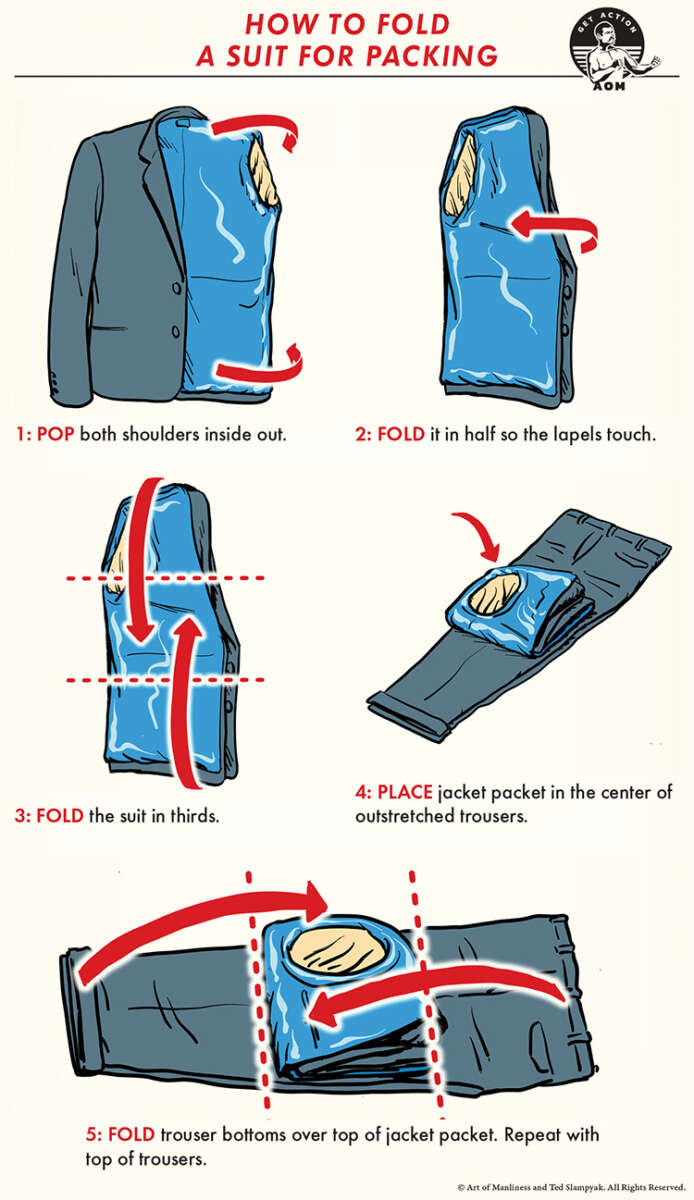
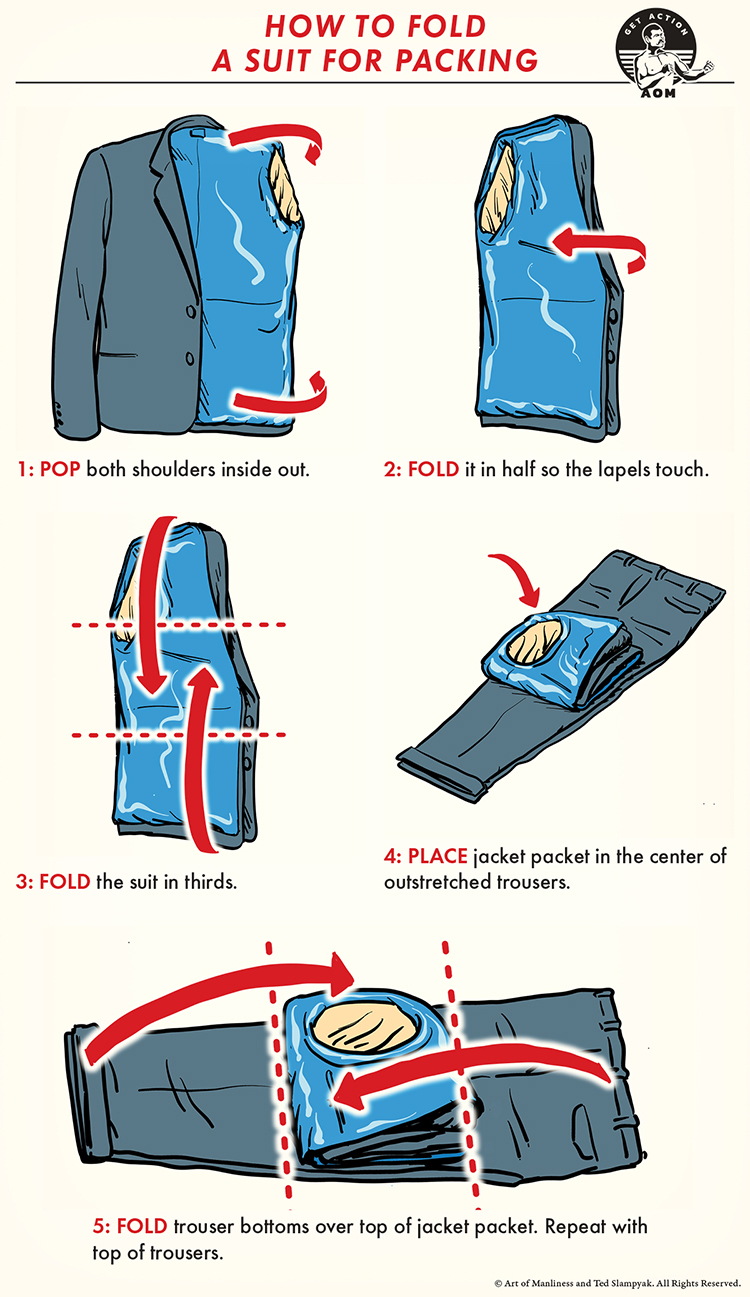
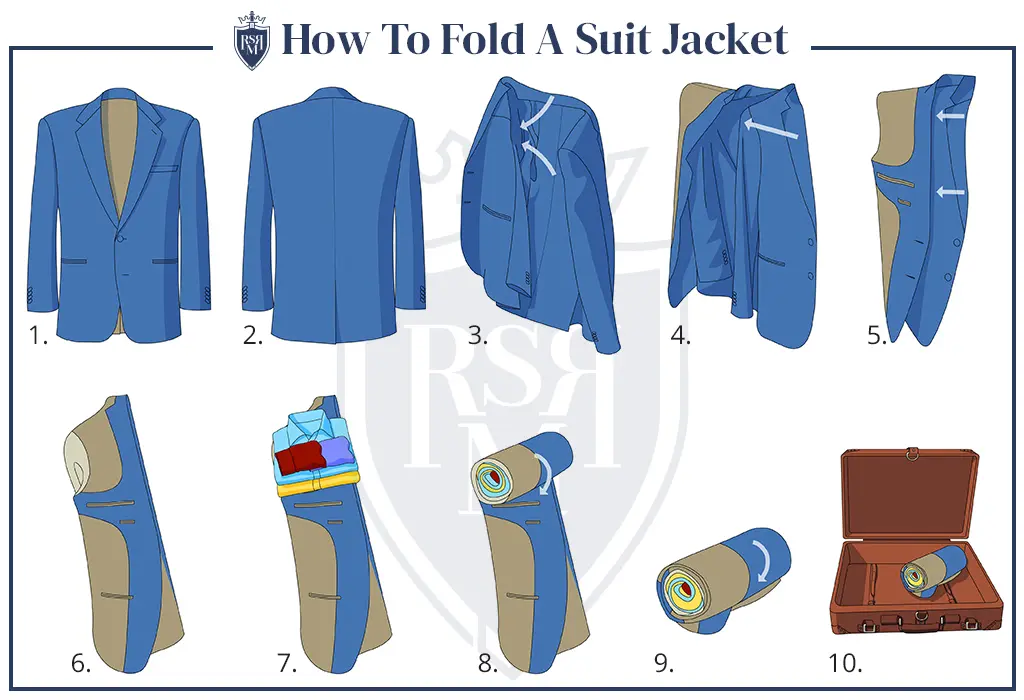
A suit jacket needs extra care because its shape depends on the shoulders, chest, lapels, and lining. The safest method is to turn one shoulder inside out and tuck the other shoulder into it. This protects the outer fabric and helps the jacket keep its shape.
Here is the shoulder-fold method:
-
Hold the jacket by the collar.
-
Turn one shoulder inside out without pulling hard.
-
Tuck the opposite shoulder into the inverted shoulder.
-
Align the lapels and front edges.
-
Fold the jacket lengthwise with the lining facing outward.
-
Fold it once or twice, depending on your suitcase size.
This method creates a soft shell around the jacket. It is especially helpful for a business suit or formal dinner jacket.
You can add tissue paper or a clean dry-cleaning bag between the folds. The slippery surface allows the fabric to move slightly instead of rubbing and forming tight creases. Avoid thick paper towels because they can add bulk and may leave lint behind.
From my own packing tests, the biggest mistake is folding a suit jacket into a tiny square. It may save a little space, but it creates several strong fold lines. A longer, gentler fold usually gives better results.

How to Pack a Jacket in a Suitcase Using the Layer Method
The layer method works well when your suitcase has enough space. It spreads pressure across the jacket instead of creating one deep crease.
First, place shoes and toiletry bags at the bottom of the suitcase. Put them near the wheels, where the suitcase is strongest. Cover them with jeans, sweaters, or other sturdy clothing.
Next, lay the jacket flat across the suitcase. Let the sleeves and lower edge extend over the sides if needed. Add soft clothing on top, then fold the jacket edges inward over the layer.
This method creates a cushion around the jacket. It also prevents zippers, buckles, and shoe soles from pressing directly into delicate fabric.
Use this order:
• Shoes and heavy items at the bottom
• Folded pants and sweaters in the middle
• The jacket across the top
• Light shirts and accessories above the jacket
Do not place a hard packing cube directly on the jacket’s shoulders. A firm edge can leave a visible line. If you use packing cubes, place them beside the jacket rather than on top of it.
How to Pack a Jacket in a Suitcase Without Taking Too Much Space
Space becomes a problem when you pack a winter coat, several outfits, and shoes. The solution is not to crush the jacket. Instead, reduce the volume around it.
Try these space-saving ideas:
• Wear the thickest jacket while traveling.
• Remove detachable hoods when possible.
• Empty the pockets before folding.
• Use a thin garment folder for dress jackets.
• Pack scarves and socks inside empty sleeve space.
• Put small items inside the jacket’s chest area.
• Choose compression bags only for soft casual jackets.
Compression bags can work for puffer jackets and fleece. They are less suitable for wool, leather, suede, and structured blazers. Compression removes air, but it does not remove fabric bulk. It may also flatten insulation or create long-lasting creases.
A jacket should not fill every gap in your suitcase. Leave a little room so the fabric can settle naturally. An overfilled suitcase puts constant pressure on every item and makes wrinkles more likely.

How to Pack Different Jacket Materials
Different materials respond to folding, moisture, and pressure in different ways. Knowing the material helps you avoid damage.
Wool and wool blends
Fold wool jackets along the seams and keep them near the top of the suitcase. Avoid plastic bags for long periods because trapped moisture can create a musty smell. A breathable garment bag or cotton pillowcase is a better choice.
Leather and suede
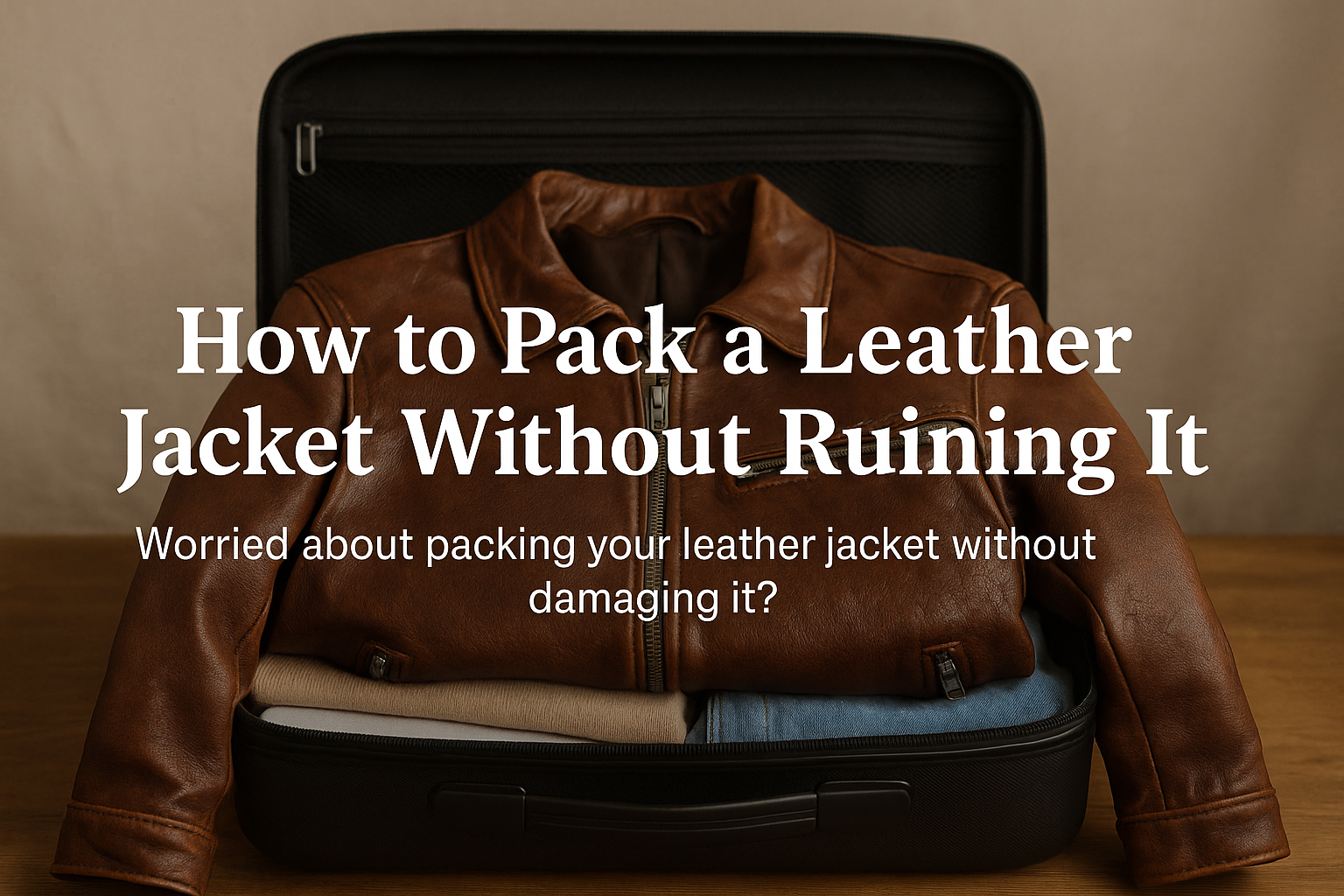
Never roll leather or suede tightly. Fold each piece as little as possible, keep it dry, and protect it with a breathable cover. Avoid placing sharp objects near the surface because scratches may not be repairable.
Down and synthetic puffer jackets
Puffer jackets can usually be folded or rolled. Press out excess air gently, but do not leave the jacket compressed for days. Shake it out when you arrive so the insulation can regain its loft.
Linen and cotton
These fabrics wrinkle easily but are simple to refresh. Fold them neatly and pack them near the top. A steamy bathroom or travel steamer can help release light creases.
Nylon and rain jackets
Nylon jackets are flexible and easy to roll. Make sure the jacket is fully dry before packing it. Packing damp rainwear can trap moisture and cause an unpleasant odor.
How to Pack a Jacket in a Suitcase for a Flight
Air travel adds pressure to your packing plan. Suitcases may be stacked, moved, and stored in changing temperatures. Your jacket should be protected from both crushing and moisture.
For a checked suitcase, use a clean garment bag, packing cube, or pillowcase. Place the jacket in the center or top section, away from shoes and toiletries. Keep liquids in sealed bags because one leaking bottle can damage an entire outfit.
For a carry-on suitcase, put the jacket on top of your other clothes. This gives you easy access at security or after landing. If the jacket is bulky, wear it through the airport and remove it once you board.
Airline baggage size limits vary by carrier and route. Check the current rules before you leave, especially if you plan to carry a garment bag. A garment bag may count as a carry-on item, depending on the airline.
How to Prevent Jacket Wrinkles During Travel
Good packing reduces wrinkles, but no method can promise a perfectly smooth jacket after a long trip. Fabric type, suitcase pressure, and travel time all matter.
Use these simple steps:
• Pack the jacket when it is clean and completely dry.
• Smooth the fabric before each fold.
• Keep fold lines broad and gentle.
• Place tissue paper between large folds.
• Avoid filling every inch of the suitcase.
• Unpack the jacket as soon as you arrive.
• Hang it on a wide hanger for several hours.
For light wrinkles, hang the jacket in the bathroom while taking a warm shower. Keep the jacket away from direct water. Steam can relax many fabrics, but it will not fix deep creases in every material.
A travel steamer is useful for cotton, linen, polyester, and some wool blends. Always check the care label first. Test heat on a hidden area when the fabric is delicate, coated, or dark colored.
Never iron leather, suede, or a jacket with a heat-sensitive finish unless the care instructions clearly allow it.

Common Mistakes to Avoid
Many packing problems come from rushing. A few extra minutes can protect an expensive jacket and make your first day of travel much easier.
Avoid these mistakes:
• Folding a jacket while it is damp
• Placing shoes directly on the fabric
• Packing sharp belts beside the jacket
• Overstuffing the suitcase
• Rolling a structured blazer tightly
• Using strong compression on tailored clothing
• Leaving coins or keys in the pockets
• Packing leather in a sealed plastic bag
• Ignoring the jacket’s care label
• Leaving the jacket folded after arrival
One mistake I made early on was placing a blazer under a full packing cube. The jacket looked fine when I arrived, but the cube had pressed a straight line across the shoulder. Now I place structured jackets on top and use soft clothing as padding.
A second lesson is to pack the jacket last. When it is the final major item in the suitcase, you can place it carefully instead of forcing it into a crowded space.
What to Do When Your Jacket Arrives Wrinkled
Do not panic if your jacket has a few wrinkles. Most travel creases are temporary and will relax with time.
Take the jacket out of the suitcase, shake it gently, and hang it on a broad hanger. Button or zip it partway so it can recover its shape. Give it several hours before using heat.
If the wrinkles remain, use one of these options:
• Hang it in a steamy bathroom.
• Use a travel steamer on the correct setting.
• Press it through a clean cotton cloth if the care label permits.
• Take it to a professional cleaner for formal or delicate garments.
For a valuable suit, leather jacket, or designer coat, professional care is the safest choice. Home treatment may save time, but the wrong heat or moisture can cause permanent damage.
Frequently Asked Questions About How to Pack a Jacket in a Suitcase
Is it better to fold or roll a jacket in a suitcase?
Fold structured jackets, blazers, wool coats, and suit jackets. Roll soft jackets such as fleece, puffers, and nylon shells because they can handle flexible shaping.
How do you pack a suit jacket without wrinkles?
Turn one shoulder inside out and tuck the other shoulder into it. Then fold the jacket lengthwise and place it near the top of the suitcase with tissue paper between major folds.
Should a jacket go on the top or bottom of a suitcase?
A jacket should usually go on top of softer, heavier clothing. This reduces pressure and makes it easier to unpack without disturbing the rest of your suitcase.
Can you use a vacuum bag for a jacket?
A vacuum bag is suitable for some soft puffer or fleece jackets, but it is not ideal for leather, suede, wool, or tailored jackets. Long compression can flatten insulation and create strong creases.
How do you pack a winter coat in a small suitcase?
Wear the winter coat during travel when possible. If you must pack it, remove detachable parts, fold it along its seams, and place it on top of the suitcase rather than forcing it into a tight bottom layer.
How can you remove wrinkles from a jacket after travel?
Hang the jacket on a wide hanger and let it rest for several hours. For suitable fabrics, use gentle steam or a travel steamer after checking the care label.
Conclusion
The best way to pack a jacket in a suitcase is to match the method to the jacket’s fabric and structure. Fold tailored jackets along their seams, roll soft casual jackets, protect delicate materials, and keep the jacket near the top of your luggage. Avoid damp packing, hard pressure, and overfilled suitcases.
With a few careful steps, your jacket can arrive clean, protected, and ready to wear. Try this method on your next trip, then share your best packing tip or explore more travel clothing guides for smarter, smoother packing.

Zayden Halbrook is a travel enthusiast and gear researcher passionate about making every journey smoother and more enjoyable. With a keen eye for practical travel essentials and real-world tips, he helps readers choose the right gear and travel smarter. When he’s not testing travel kits or exploring new destinations, Zayden shares simple, reliable advice to make every trip stress-free.