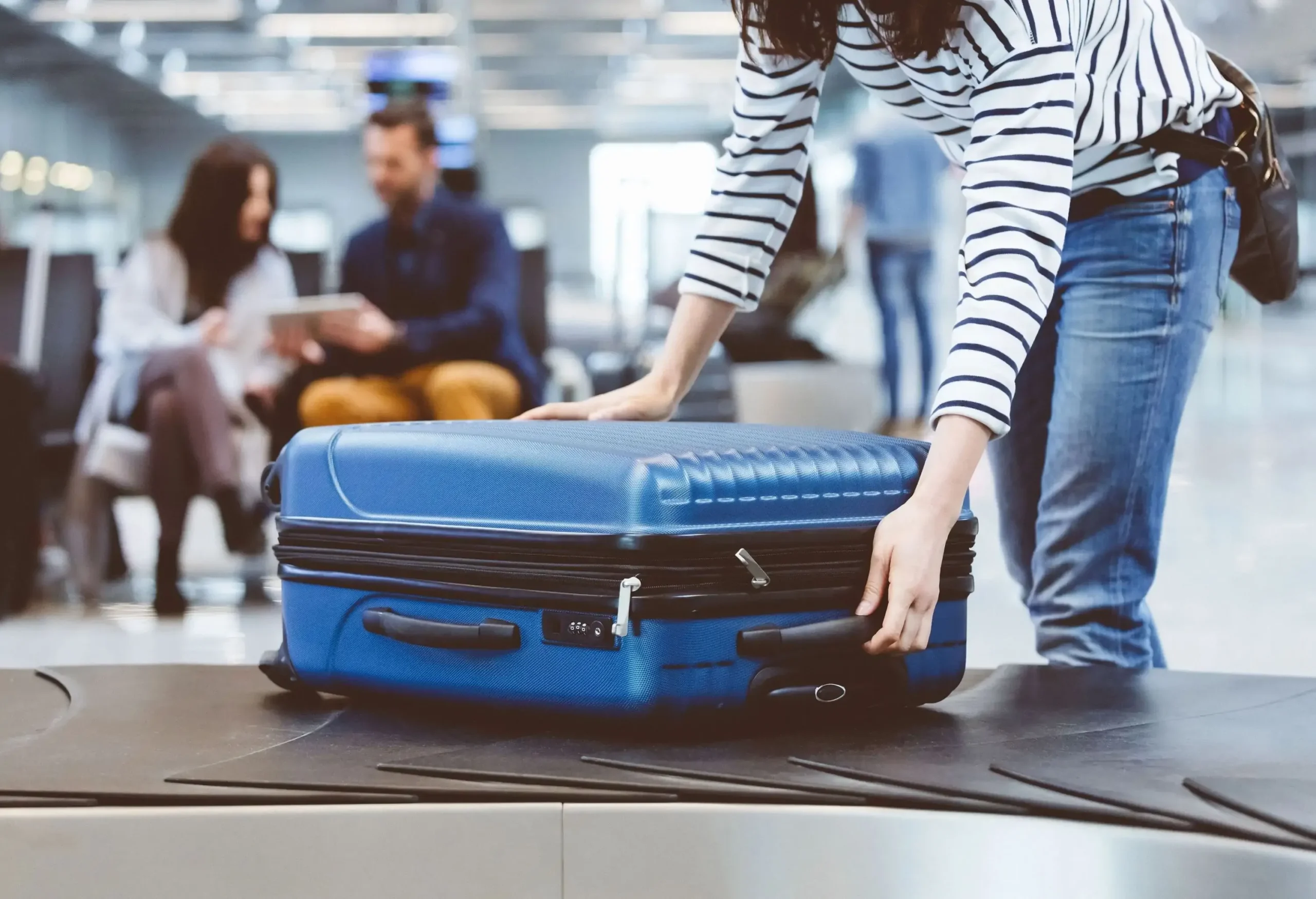
Airlines usually trace your bag, deliver it late, or pay compensation if it is declared lost.
What happens if airlines lose your luggage depends on how long the bag is missing, where you flew, and whether you report the problem correctly. Most delayed bags return within a few days, but you must act fast to protect your rights and recover reasonable costs.
What Happens If Airlines Lose Your Luggage?
When an airline cannot place your checked bag on the correct flight, it is usually marked as delayed or mishandled. The airline then searches its baggage system, checks nearby airports, and may send the bag to your home or hotel.
What happens if airlines lose your luggage usually follows this path:
- You report the missing bag at the airline’s baggage service desk.
- The airline creates a baggage report and gives you a reference number.
- Staff track the bag through barcode scans and airport records.
- The airline contacts you when it finds the bag.
- The bag is delivered or held for pickup.
- If the bag stays missing, the airline reviews a lost baggage claim.
A delayed bag is not always a lost bag. Many bags arrive on the next flight or within a few days. Still, you should treat every missing bag seriously because your first report creates the paper trail needed for reimbursement.

The Difference Between Delayed, Lost, and Damaged Luggage
Airlines use different terms for baggage problems. Knowing the difference helps you file the right claim.
Delayed luggage
A bag is delayed when it does not arrive with you but the airline still expects to find it. The airline may deliver it once it reaches your destination.
For example, your suitcase may remain at your departure airport because of a short connection, a loading mistake, or a flight change. The airline may send it on a later flight.
Lost luggage
A bag becomes lost when the airline cannot find it after a reasonable search. The exact time can vary by airline and route. Many airlines treat a bag as lost after about five to 14 days, but some may decide sooner based on the facts.
What happens if airlines lose your luggage permanently is different from a simple delay. You may need to submit a detailed claim for the bag, its contents, and related costs.
Damaged luggage
A bag is damaged when it arrives with broken wheels, a cracked shell, torn fabric, or missing parts. Normal wear, small scratches, and minor dents may not qualify for payment.
Take photos before leaving the airport. Report visible damage as soon as possible because some airlines set short deadlines for damaged baggage claims.

What to Do at the Airport
Your first few actions can make a major difference. Do not leave the baggage area without reporting the missing bag unless airport staff tell you to use another process.
Follow these steps:
- Go to the airline’s baggage service office.
- Show your boarding pass, baggage claim tag, and identification.
- Give the agent your local address, hotel address, phone number, and email.
- Ask for a written mishandled baggage report.
- Record the file or reference number.
- Ask how to track the bag online.
- Confirm whether the airline will deliver the bag.
- Ask what expenses the airline will cover.
- Take a photo of your baggage tag and report.
- Keep every receipt related to the delay.
If the desk is closed, use the airline’s online baggage report system or customer service number. Take a screenshot after submitting the form.
One mistake travelers often make is accepting a verbal promise and leaving without a report number. A friendly conversation is helpful, but a written record is much stronger when you request reimbursement later.
How Airlines Search for Missing Bags
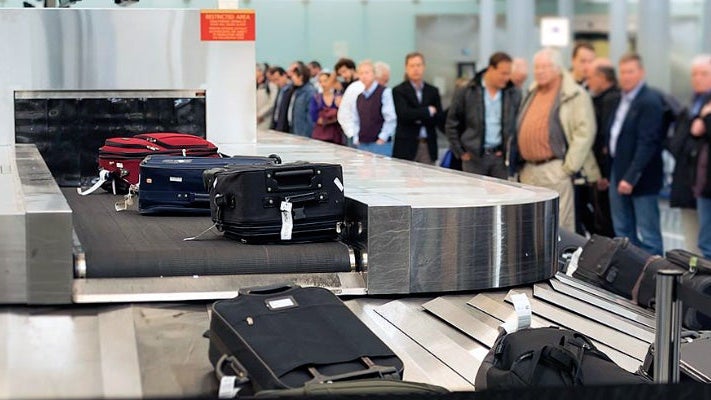
Airlines rely on baggage tags, barcode scans, airport records, and global tracking systems. A bag may be located even when its outer tag is torn off because staff can match it using your name, flight details, address, or a bag description.
The search may include:
• Checking baggage left behind at the departure airport
• Reviewing bags loaded onto later flights
• Contacting connecting airports
• Matching unclaimed bags with passenger reports
• Inspecting bags with damaged or unreadable tags
• Sending the bag to the delivery address on your report
Give the airline a clear description. Include the suitcase color, brand, size, unique stickers, and any visible marks. A plain black bag can look like hundreds of others, so details matter.
Tracking technology can reduce mishandling, but it cannot prevent every problem. Weather, tight connections, aircraft changes, airport congestion, and incorrect bag tags can still separate a suitcase from its owner.
Can You Get Money for Delayed Luggage?
In many cases, yes. Airlines may reimburse reasonable and necessary costs caused by a baggage delay. These costs often include basic clothing, toiletries, and other essential items.
What happens if airlines lose your luggage financially depends on the airline’s rules, the flight route, and the evidence you provide. Reimbursement is usually not a reward. It is meant to cover a real loss caused by the baggage problem.
Buy only what you need. A reasonable purchase may include:
• Underwear and socks
• A basic shirt or outfit
• Toothpaste and a toothbrush
• Necessary medication or medical items
• A small amount of laundry service
• Essential work items, when supported by the circumstances
Avoid luxury shopping while waiting for your bag. An expensive watch, designer outfit, or large electronics purchase may be rejected as unreasonable.
Keep itemized receipts. A bank statement alone may not show what you bought, and a receipt without the date may create questions. Write a short note explaining why each purchase was necessary.
Airlines may also have special rules for delayed bags. Check the carrier’s baggage policy and submit the claim through its required form.
What Compensation Applies to Lost Luggage?
If an airline declares your checked bag lost, you can usually claim the value of the bag and its contents, subject to legal and airline limits.
For flights within the United States, federal rules limit an airline’s responsibility for checked baggage. The limit is adjusted over time. For international flights covered by the Montreal Convention, a separate liability limit applies and is calculated in Special Drawing Rights.
These limits do not mean every passenger receives the maximum amount. The airline may ask for:
• A list of missing items
• Purchase dates
• Original receipts
• Current value
• Proof of ownership
• The bag’s age and condition
Airlines may reduce payment for depreciation. A five-year-old coat is not always valued like a new coat. The airline may also exclude items listed in its conditions of carriage, such as cash, jewelry, fragile goods, or certain electronics placed in checked luggage.
Some airlines offer extra protection if you declare a higher value before travel and pay a fee. Travel insurance may provide another layer of coverage, but you should check whether it pays first or after the airline responds.

How to File a Lost Baggage Claim
A baggage report at the airport is only the first step. You may also need to submit a formal claim online or by mail.
Use this process:
- Find the airline’s baggage claim page.
- Select the option for lost, delayed, or damaged baggage.
- Enter your baggage report number.
- Describe the bag and its contents.
- List each claimed item separately.
- Add dates, prices, and available receipts.
- Include proof of travel and the baggage tag.
- State the amount you are requesting.
- Save a copy of the complete submission.
- Track the claim until the airline gives a final response.
Be honest and precise. Inflated claims can delay payment or damage your credibility. If you do not have a receipt, give a fair estimate and explain why.
If the airline rejects the claim, ask for the reason in writing. You can then review its policy, submit missing evidence, contact your travel insurer, or file a complaint with the relevant transportation authority.
Deadlines You Should Know
Deadlines vary by airline and route, so read the carrier’s baggage policy as soon as possible. Waiting can weaken your claim even when the airline caused the problem.
Common examples include:
• Immediate reporting for visible damage
• Written notice for delayed baggage within a set period
• A formal lost baggage claim within a specific number of days
• Separate deadlines for travel insurance claims
For international travel, legal rules may require written notice within a certain period for delayed or damaged baggage. The Montreal Convention commonly uses a seven-day period for damaged baggage and 21 days for delayed baggage, but the details can depend on the situation.
These deadlines are not a reason to panic. They are a reason to document the problem early. Submit your report even if the airline says the bag should arrive soon.
What Airlines May Not Pay For
Airlines do not automatically pay for every item in a missing suitcase. Their contracts and transportation laws often limit responsibility.
Possible exclusions include:
• Cash and gift cards
• Jewelry and precious stones
• Important documents
• Fragile items
• Perishable food
• Items packed against airline instructions
• Business equipment in checked luggage
• Normal wear and tear
• Items bought without a clear connection to the baggage delay
The airline may also refuse payment if you did not report the issue on time or cannot show that the item was inside the bag.
Pack valuable and essential items in your carry-on when possible. Keep passports, medication, keys, cash, credit cards, and one change of clothes with you. This simple habit can turn a major crisis into a manageable delay.
What to Pack in Your Carry-On
A smart carry-on is your best protection against the stress of lost luggage. You do not need to bring your whole closet. You need a small safety kit.
Consider packing:
• Prescription medication and a copy of the prescription
• Identification and travel documents
• Chargers and essential electronics
• One change of clothes
• Basic toiletries within security limits
• Glasses or contact lenses
• Important work materials
• Valuable or fragile items
• A swimsuit if you are going to a beach destination
• A photo of your checked bag and its contents
For longer trips, place a few versatile items in your carry-on. A clean shirt, underwear, and basic toiletries can help you get through the first night while the airline searches.
I have seen travelers focus on expensive items while forgetting the small things that cause the most trouble, such as medication, charging cables, and contact lenses. The best carry-on plan protects comfort and health first.
How to Prevent Lost Luggage
You cannot control every airport or airline mistake, but you can lower the risk and make recovery easier.
Use these practical habits:
• Put your name and phone number inside and outside the bag.
• Remove old baggage stickers before each trip.
• Use a bright strap or unique tag.
• Take a photo of the suitcase before checking it.
• Keep the baggage claim receipt until you have the bag.
• Avoid very short connections when possible.
• Confirm that the tag shows your final destination.
• Use an approved tracking device if permitted.
• Do not check essential medication or valuables.
• Keep a simple inventory for expensive items.
A photo of the packed suitcase can help prove what it looked like and what it contained. It also helps airline staff identify it when the external tag is missing.
If you have a connecting flight, check whether you must collect and recheck the bag. Rules differ by country, airline, and itinerary.
What to Do If the Airline Stops Responding
Most baggage cases move through online tracking systems, but communication can slow down. If the airline does not provide a clear update, use a calm and written approach.
Send a message that includes:
• Your full name
• Flight numbers and travel dates
• Baggage report number
• Bag tag number
• Delivery address
• A short timeline
• Your reimbursement request
• Copies of receipts
Ask for a response by a reasonable date. Keep the message professional and save every reply.
If the airline still does not resolve the matter, possible next steps include contacting its customer relations team, submitting a complaint to the appropriate aviation authority, using travel insurance, or seeking legal advice for a high-value claim.
A credit card travel benefit may also help. Read the policy carefully because coverage can depend on how you paid for the ticket, whether the bag was checked, and whether the airline has already paid.
Realistic Example: A Bag Missing After a Connection
Imagine flying from Chicago to Rome with a connection in Frankfurt. Your suitcase does not appear at the carousel in Rome.
You should report the missing bag before leaving the airport. Give the airline your hotel address, save the report number, and buy only essential items while waiting.
If the bag arrives two days later, you can ask for reimbursement for reasonable necessities. If the airline later declares the bag lost, you can submit a separate claim for the suitcase and its contents.
This example shows why receipts, photos, and a written report matter. They turn a frustrating story into evidence the airline can review.
Frequently Asked Questions About What Happens If Airlines Lose Your Luggage
What happens if airlines lose your luggage permanently?
The airline usually asks you to complete a formal lost baggage claim. You may receive compensation for the bag and eligible contents, subject to legal limits, exclusions, depreciation, and proof of value.
How long before an airline considers luggage lost?
There is no single time limit for every airline and route. Many airlines use a period of about five to 14 days, but the carrier may classify a bag as lost sooner when its search shows little chance of recovery.
Can I get reimbursed for clothes if my luggage is delayed?
You may receive reimbursement for reasonable and necessary clothing, toiletries, and similar items. Keep itemized receipts and avoid expensive purchases that do not match your actual needs.
What should I do if my luggage is missing at the airport?
Report it to the airline’s baggage service desk before leaving the airport. Get a written report number, provide your delivery address, and keep your baggage tag and travel documents.
Does travel insurance cover lost luggage?
Many travel insurance plans cover delayed, lost, or stolen baggage, but terms differ. Check limits, exclusions, deductibles, required documents, and whether the policy pays after the airline’s coverage.
Can an airline refuse my lost baggage claim?
An airline may reject or reduce a claim if you miss a deadline, lack proof, claim excluded items, or request an unreasonable amount. You can ask for the decision in writing and appeal with additional evidence.
Conclusion
What happens if airlines lose your luggage is rarely as simple as waiting beside the baggage carousel. Report the problem quickly, keep your baggage documents, buy only essential items, save receipts, and submit a complete claim before the deadline.
Most delayed bags are eventually returned, but preparation gives you more control when things go wrong. Pack important items in your carry-on, photograph your luggage, and learn the airline’s baggage rules before you fly.
Use these steps on your next trip, and share your own baggage experience or questions in the comments.

Zayden Halbrook is a travel enthusiast and gear researcher passionate about making every journey smoother and more enjoyable. With a keen eye for practical travel essentials and real-world tips, he helps readers choose the right gear and travel smarter. When he’s not testing travel kits or exploring new destinations, Zayden shares simple, reliable advice to make every trip stress-free.