
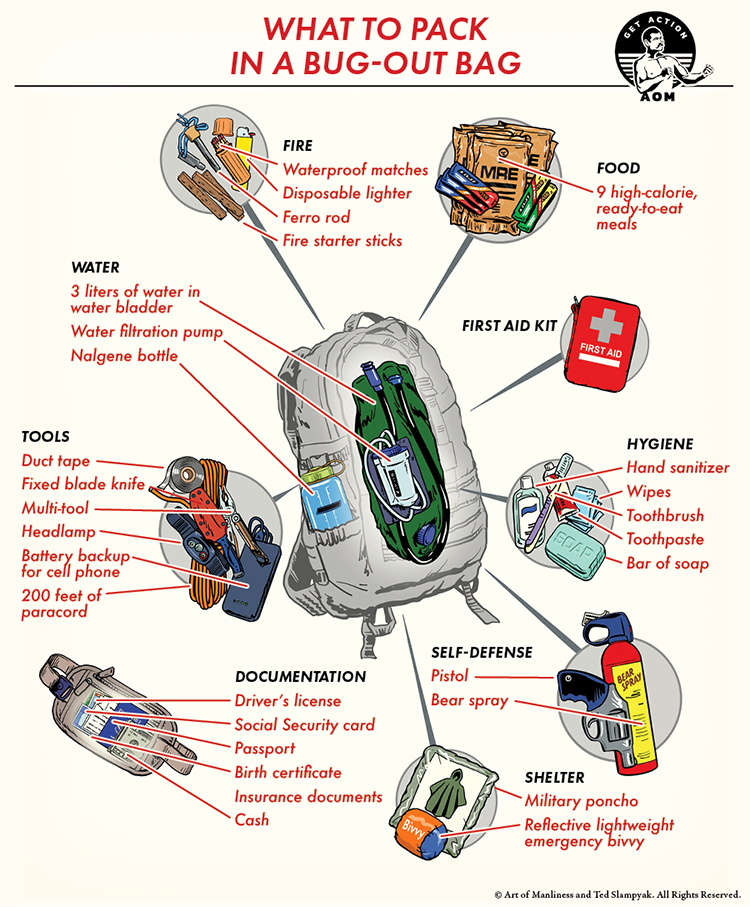
A bug out bag should hold water, food, shelter, first aid, light, tools, documents, and personal needs.
Knowing what should be in a bug out bag can turn a stressful evacuation into a clear, planned action. A well-built bag is not a survival fantasy pack. It is a practical kit shaped by your climate, health needs, family size, travel plan, and the hazards common in your area. This guide explains how to choose each item, avoid common packing mistakes, and build a bag you can truly carry.
What Is a Bug Out Bag?
A bug out bag is a portable emergency kit designed to help you leave home and stay safe for at least 24 to 72 hours. You may need one during a wildfire, hurricane, flood, earthquake, winter storm, civil emergency, or extended power outage.
The goal is not to live in the wilderness forever. The goal is to cover basic needs while you travel to a safe place, reach a shelter, or wait for help. Think of the bag as a bridge between danger and stability.
The best bug out bag is one you can carry, find quickly, and use under stress. A giant pack filled with gear may look impressive, but it can slow you down and cause pain. A smaller, tested bag often works much better.
The Federal Emergency Management Agency commonly advises people to prepare for several days without normal services. Your local emergency plan may require more or less gear, so always consider official evacuation guidance.
The Core Priorities of a Bug Out Bag
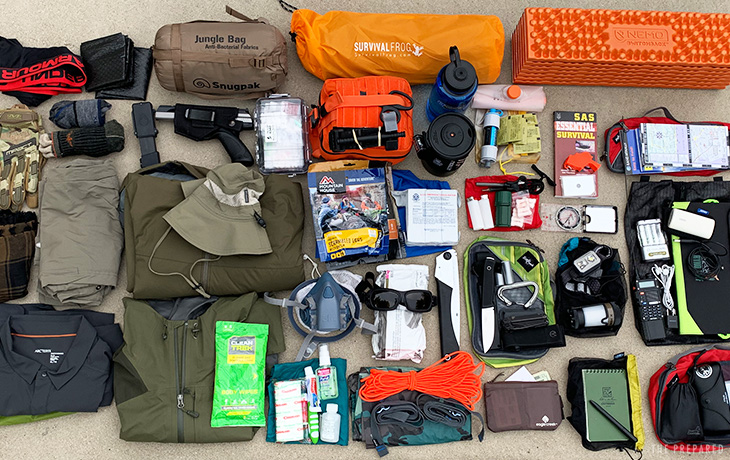
When deciding what should be in a bug out bag, use a simple order of importance. Cover immediate survival needs first, then add comfort and convenience items.
A useful priority list is:
- Air and medical needs
- Water
- Shelter and warmth
- Food
- Navigation and communication
- Light and power
- Clothing and hygiene
- Important documents and cash
- Tools and repair items
- Personal and family needs
Water usually deserves the most attention. People can live much longer without food than without water, and walking or heat can increase fluid loss quickly. However, carrying enough water for several days may be too heavy, so your bag should include both stored water and a safe way to treat more.
Every item should serve a clear purpose. Ask yourself three questions:
- Can I use it without special training?
- Does it solve a likely problem?
- Is it worth the space and weight?
If the answer is no to all three, leave it out. A bug out bag should support good decisions, not bury you under gear.
Water and Hydration Supplies
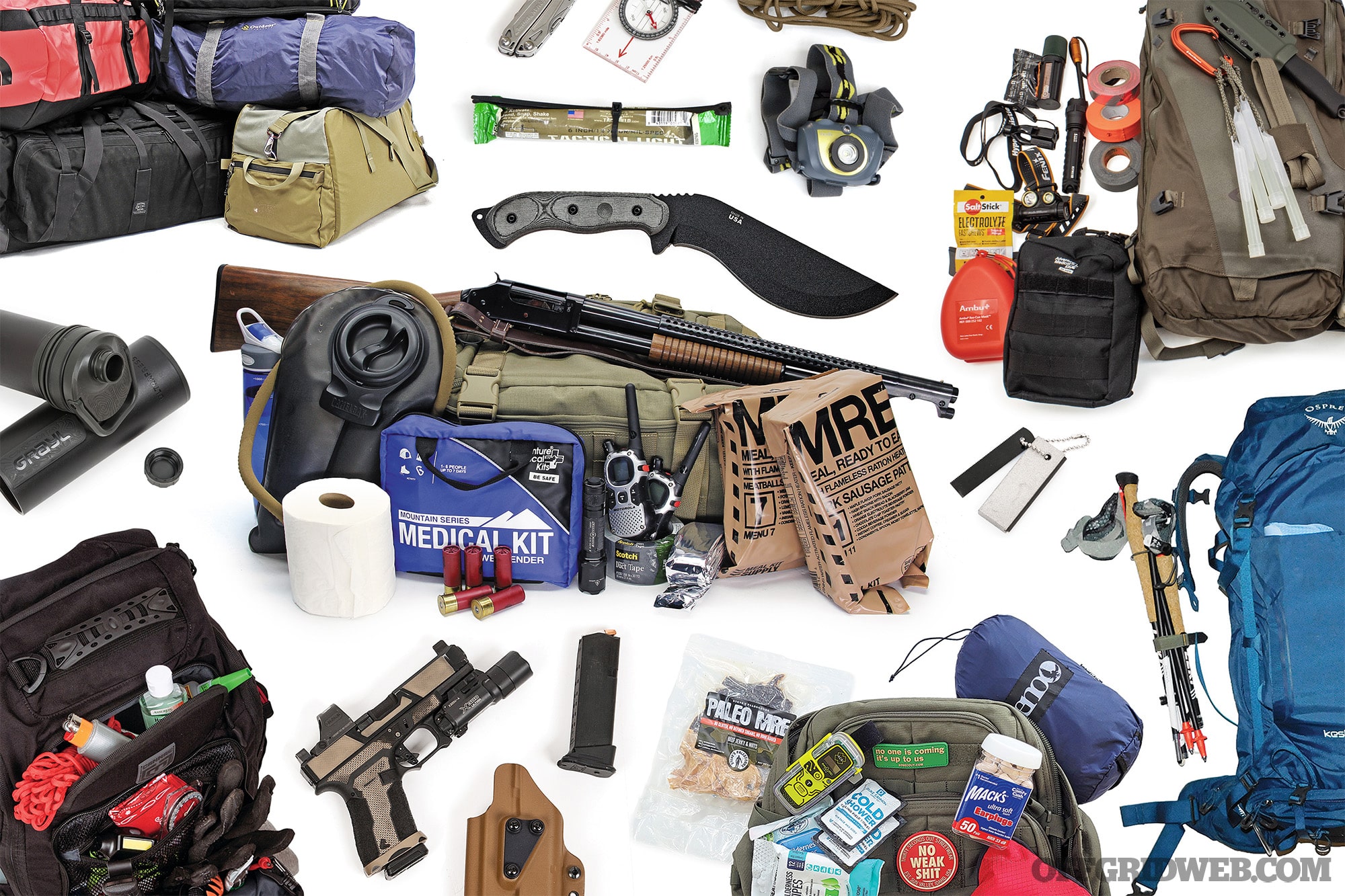
Water is one of the most important answers to what should be in a bug out bag. Pack bottled water, sturdy reusable containers, and a backup treatment method.
For many adults, a practical starting point is at least 2 to 3 liters of drinking water per person for the first day. You may need more in hot weather, during heavy activity, or if someone has a medical condition. Water for cooking and hygiene requires additional capacity.
Include these items:
- Sealed drinking water or filled water pouches
* A durable water bottle - A collapsible water container
- Water purification tablets or drops
- A portable water filter
- A metal cup or small pot for boiling water
- Electrolyte packets with low or moderate sugar
Water filters do not all remove the same threats. Some reduce bacteria and parasites but may not remove viruses, chemicals, salt, or fuel. Read the product label and follow its limits. If you suspect chemical contamination, do not try to fix the water with a basic camping filter.
Boiling can kill many disease-causing organisms. Bring water to a rolling boil when possible, then let it cool before drinking. Chemical treatment can help when fuel is not available, but tablets may have taste, timing, or storage limits.
A common packing mistake is carrying one large bottle with no backup. One leak, fall, or lost bottle can create a serious problem. Split water between two or more containers so one failure does not remove your entire supply.
Food for Short-Term Evacuation
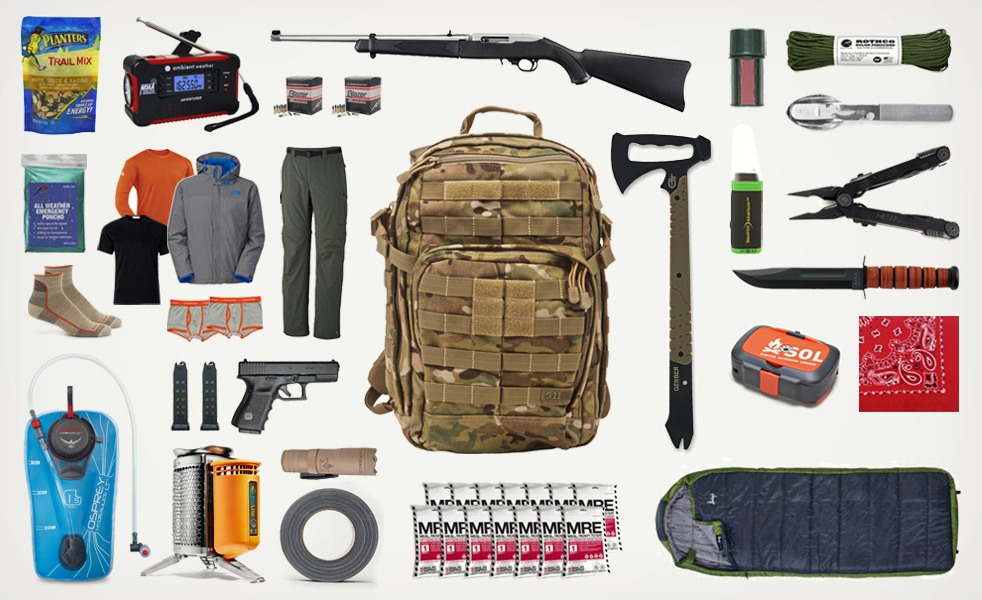
Emergency food should be safe, compact, familiar, and ready to eat. You do not need a complex cooking system for a short evacuation.
Good choices include:
- Protein or granola bars
- Peanut butter packets
- Trail mix
- Dried fruit
- Crackers
- Shelf-stable tuna or chicken
- Canned food with pull tabs
- Ready-to-eat meals
- Baby food, if needed
- Hard candy or glucose gel for quick energy
Choose foods you already eat. A new energy bar may cause stomach trouble when you are tired or stressed. Check expiration dates every few months and replace items before they lose quality.
Calories matter, but so do protein, fat, fiber, and salt. Very sweet foods can give quick energy but may leave you hungry soon after. A mix of foods helps keep energy steady.
If you pack canned food, include a small can opener unless every can has a reliable pull tab. A spoon is also useful. Avoid foods that require a lot of water, long cooking times, or refrigeration.
People often overpack food and underpack water. For a 72-hour bag, focus on compact food that needs little or no cooking. Your bug out bag is for movement and safety, not a full kitchen.

Shelter, Clothing, and Warmth
Exposure can become dangerous even when the weather does not seem extreme. Rain, wind, cold ground, and wet clothing can drain body heat. In hot weather, shade and breathable clothing help reduce heat stress.
Pack shelter items such as:
- A compact emergency bivy
- An emergency blanket
- A lightweight tarp
- Cordage
- A rain poncho
- A ground sheet
- A sleeping bag suited to your climate
- Hand warmers in cold regions
An emergency blanket takes little space and reflects body heat. It is useful, but it is not a complete shelter. It can tear, make noise, and provide limited protection from wind. A poncho or tarp often gives better coverage when used with cordage.
Clothing should match the season and local risks. Pack extra socks, underwear, and a base layer. Dry socks are a small comfort that can prevent blisters and foot problems.
Avoid cotton in cold or wet conditions. Cotton holds moisture and dries slowly. Wool and synthetic fabrics usually perform better because they retain more warmth when damp and dry faster.
Shoes deserve special attention. Wear sturdy, broken-in footwear during an evacuation. Do not place brand-new boots in your bag and assume they will work. Blisters can turn a short walk into a major problem.
First Aid and Essential Medicines
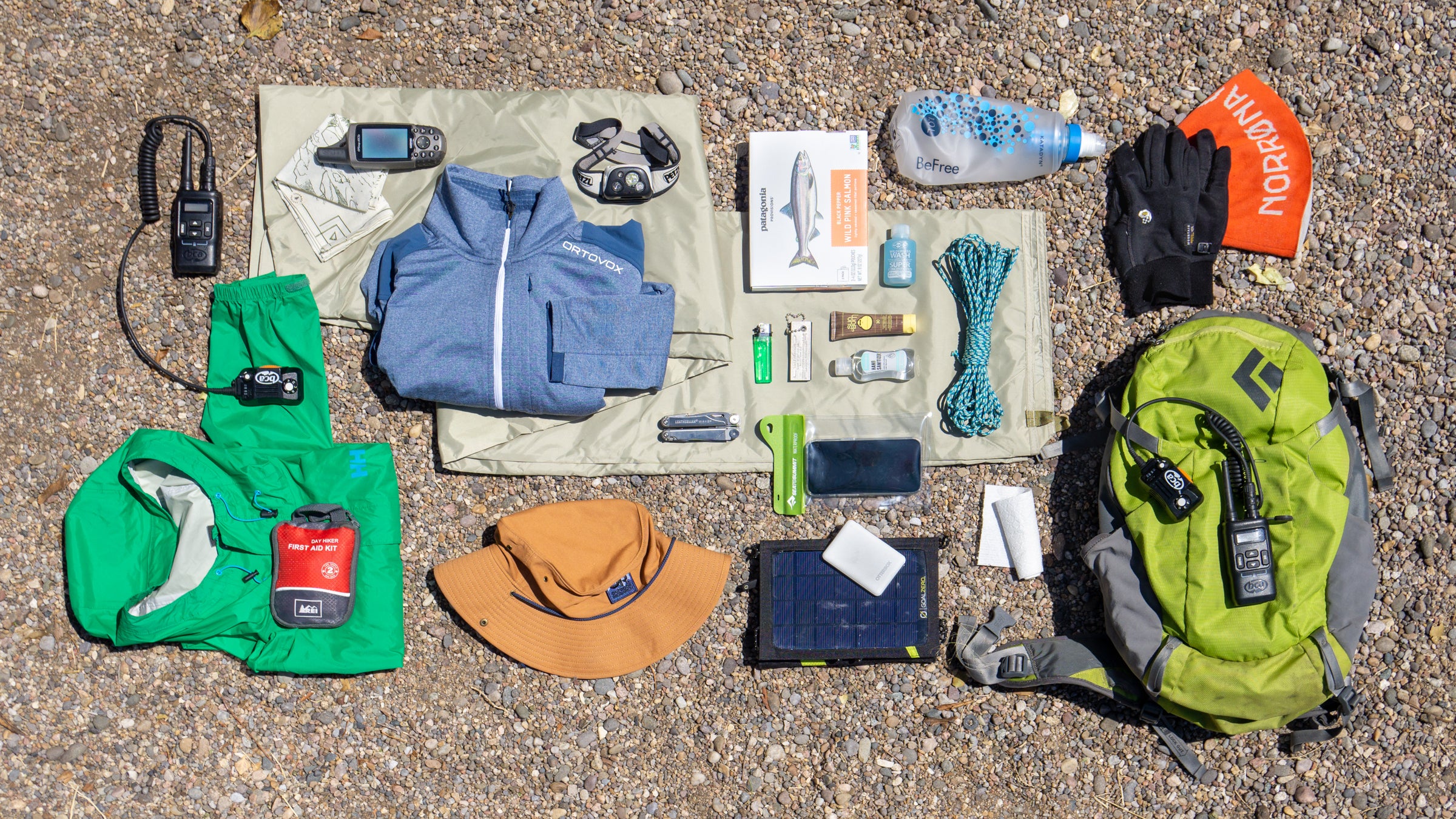
A first aid kit should help with common injuries, not replace professional medical care. Keep it simple and choose items you know how to use.
A practical kit may include:
- Adhesive bandages
- Gauze pads
- Medical tape
- Elastic wrap
- Antiseptic wipes
- Antibiotic ointment
- Blister treatment
- Tweezers
- Disposable gloves
- Small scissors
- Pain medicine
- Allergy medicine
- Anti-diarrhea medicine
- Oral rehydration salts
- Any prescribed medicine
If you use prescription medicine, keep an emergency supply in your bag when possible. Ask your health care provider or pharmacist how to store it safely and how much extra you may keep.
People with diabetes, asthma, severe allergies, heart disease, or other conditions may need special supplies. Include spare glasses, contact lens supplies, inhalers, glucose items, mobility aids, or medical devices as needed.
A tourniquet requires proper training. If you carry one, learn how to use it from a qualified instructor. Do not depend on online videos alone for serious bleeding control skills.
Keep a small first aid guide in the kit. Stress can make even simple tasks harder. Clear instructions can help you act while waiting for emergency responders.
Light, Communication, and Power
Power may fail during a disaster, and cell service may become weak or unavailable. Your bag should help you see, receive information, and contact people when possible.
Pack the following:
- A headlamp
- A small flashlight
- Spare batteries
- A battery bank
- Charging cables
- A hand-crank or battery-powered radio
- A whistle
- A signal mirror
- A waterproof notebook and pen
A headlamp is often better than a handheld flashlight because it leaves both hands free. Keep a second light as a backup. Store batteries in a sealed bag and check them for leaks.
A phone can provide maps, alerts, and contact tools, but it is not a complete emergency plan. Networks may fail, batteries may drain, and towers may become overloaded. Write down important phone numbers and addresses in your notebook.
Learn how to receive local alerts before a crisis. Some communities use emergency text systems, weather radios, sirens, or county alert apps. Sign up in advance rather than trying to do it during an evacuation.
A whistle can carry farther than your voice and uses no battery. It is a simple tool with little weight, which makes it a smart addition to most bags.
Tools, Navigation, and Safety Items
The right tools can solve small problems before they become large ones. You do not need every survival gadget sold online. Choose basic tools that support shelter, repair, navigation, and safe movement.
Useful items include:
- A sturdy multitool
- Duct tape wrapped around a card
- Zip ties
- Paracord or strong cord
- Work gloves
- A lighter in a waterproof bag
- Waterproof matches
- A small sewing kit
- A local paper map
- A compass
- Safety glasses
- A whistle
- A dust mask or respirator suited to local hazards
A paper map matters because digital maps may not work without power or service. Mark your home, workplace, evacuation routes, hospitals, shelters, and meeting places before an emergency.
A compass helps only if you know how to use it. Practice with your map during normal conditions. Navigation skills are more valuable than buying an expensive device and leaving it unused.
Fire-starting tools can help with warmth and cooking, but fire may be unsafe during drought, wildfire, or inside a shelter. Follow local restrictions and never use fuel-burning equipment indoors unless it is designed and approved for indoor use.
Avoid carrying weapons unless you understand local laws, safe storage rules, and the serious risks involved. A bug out bag should help you avoid danger, not encourage conflict.
Hygiene, Documents, and Personal Needs
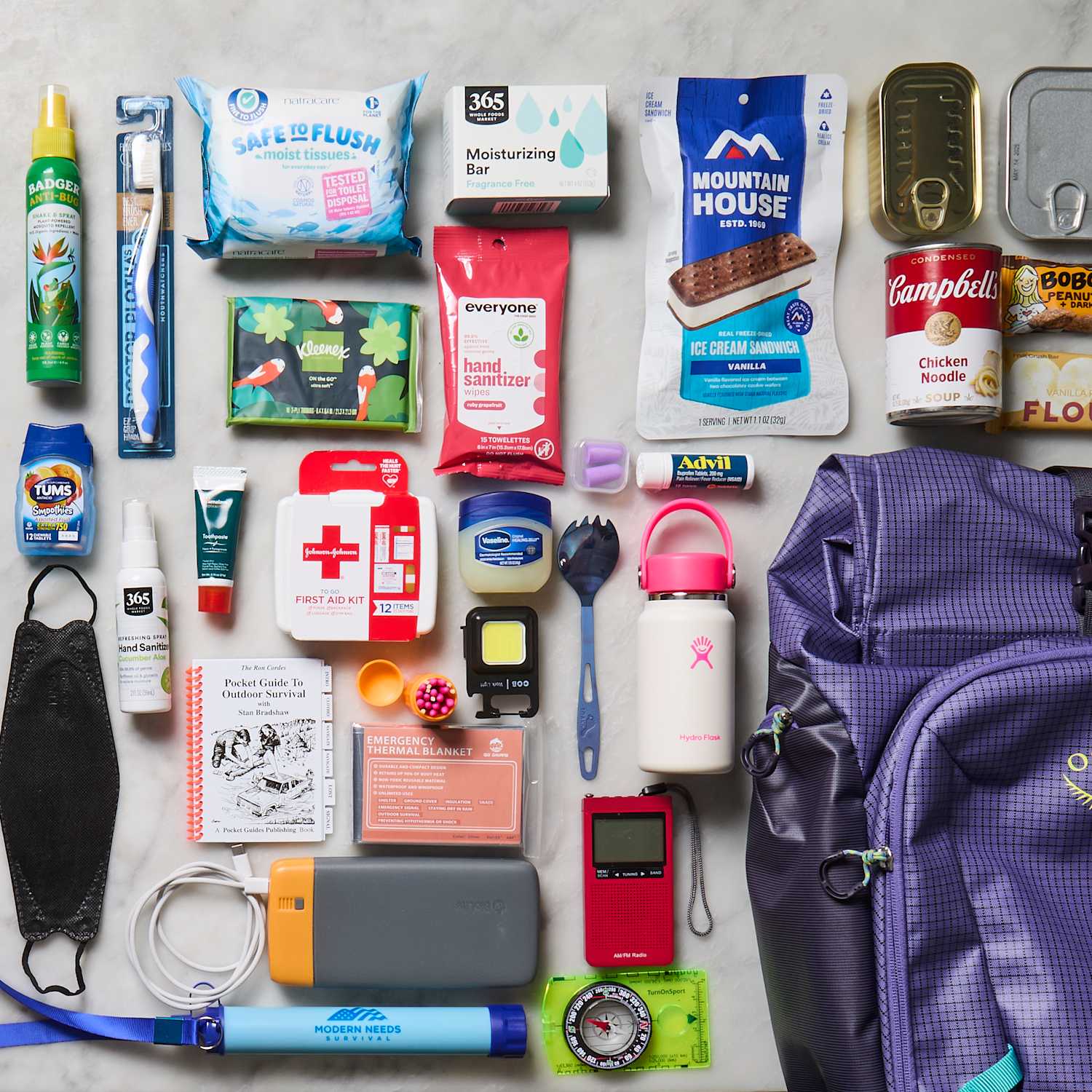
Small hygiene items can protect health and improve comfort. They also help you care for children, older adults, and people with special needs.
Pack items such as:
- Hand sanitizer
- Soap
- Toilet paper or tissues
- Wet wipes
- Toothbrush and toothpaste
- Menstrual products
- Diapers and wipes
- Trash bags
- Face masks
- Sunscreen
- Insect repellent
- Lip balm
- Small towel
Sanitation matters during disasters because crowded shelters and limited water can increase the spread of illness. Wash your hands when possible, use clean water for drinking, and keep waste away from living areas.
Important documents should be stored in a waterproof pouch. Consider copies of:
- Identification cards
- Insurance information
- Medical records
- Prescription details
- Emergency contacts
- Property information
- Proof of address
- Pet vaccination records
Add some cash in small bills. Card readers and ATMs may not work during a power or network outage. Do not carry more cash than you can protect safely.
Include comfort items for children, older adults, and pets. A small toy, familiar snack, pet leash, food, bowl, and waste bags can make evacuation less frightening. Your family’s emotional needs matter as much as its physical needs.
How to Pack a Bug Out Bag Correctly
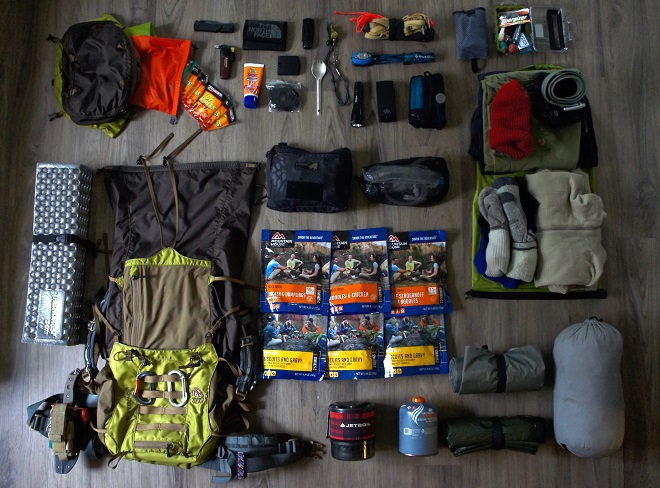
Knowing what should be in a bug out bag is only half the job. How you pack it affects comfort, speed, and access.
Start with the bag itself. Choose a strong pack with padded shoulder straps, a waist belt, several compartments, and a size that fits your body. For many adults, a pack in the 30 to 50 liter range is enough for a short evacuation, but your needs may vary.
Use waterproof dry bags or sealed plastic bags inside the pack. Group items by purpose instead of placing everything together. For example, keep first aid in one pouch, food in another, and documents in a small pouch that you can reach quickly.
Place heavy items close to your back and near the middle of the pack. Keep light items at the bottom or outer edges. Items you may need during the day, such as water, snacks, maps, and rain gear, should stay easy to reach.
Keep your total load reasonable. Many people aim to carry no more than 10 to 20 percent of their body weight, but fitness, health, terrain, and pack design all matter. Start with a light load and increase it slowly during practice walks.
Label the inside of your bag if other family members may use it. A simple item list can help someone find medicine, documents, or water without emptying the pack.
Bug Out Bag Mistakes to Avoid
Many people build a bug out bag by buying impressive gear first. This often creates a heavy pack filled with tools they have never tested.
Avoid these common mistakes:
- Packing too much water without a refill or treatment plan
- Choosing food you have never tasted
- Carrying new boots or clothing
- Relying only on a phone for navigation
- Forgetting prescription medicine
- Ignoring children, pets, or older adults
- Using a pack that does not fit
- Skipping practice walks
- Failing to check batteries and expiration dates
- Storing the bag where it cannot be reached
- Packing tools without learning how to use them
- Assuming one bag can meet every family member’s needs
One lesson from real pack testing is simple: weight becomes a problem fast. A bag that feels fine in the living room can feel very different after several miles, poor sleep, heat, and stress.
Test your pack on short walks. Adjust the straps, remove duplicate items, and note what you actually use. Practice opening the bag in low light. Replace anything that leaks, breaks, or causes pain.
Review the bag at least twice a year. Change clothing with the seasons, rotate food, replace batteries, update documents, and check medicine. A forgotten bag is not a prepared bag.
Bug Out Bag Checklist by Person
A household bag should not be identical for every person. Each individual has different health needs, strength, clothing sizes, and comfort items.
Adults
Adults may carry shared equipment such as water treatment tools, shelter gear, maps, food, and first aid supplies. Each adult should still carry personal water, clothing, medicine, and identification.
Children
Children need smaller loads and familiar items. Include snacks, water, extra clothes, comfort items, and age-appropriate identification information.
Do not give a young child a heavy pack. An adult should be ready to carry the child’s supplies if the route becomes difficult.
Older Adults
Older adults may need medicine, glasses, hearing aid batteries, mobility support, and extra time for movement. Test these needs during practice drills instead of guessing.
Pets
Pet supplies may include:
- Food and water
- Collapsible bowls
- Leash and harness
- Waste bags
- Medications
- Vaccination records
- Carrier, if needed
- A recent photo
- A familiar blanket or toy
Many emergency shelters do not accept pets unless they are service animals. Include a plan for pet-friendly hotels, relatives, boarding sites, or community shelters.
People With Disabilities
Consider communication cards, backup batteries, transfer aids, spare parts, service animal supplies, and accessible transportation. A general checklist cannot replace a personal emergency plan made around the person’s daily needs.
How Much Does a Bug Out Bag Cost?
The cost depends on what you already own and the hazards in your area. You can build a useful kit over time instead of buying everything at once.
Start with free or low-cost steps:
- Choose a strong backpack you already have.
- Add water, basic food, a flashlight, and medicine.
- Gather copies of key documents.
- Add clothing and hygiene supplies.
- Buy water treatment, first aid, and shelter items.
- Test the bag and improve it over time.
Avoid spending most of your budget on survival gadgets. Water, medicine, light, food, shelter, and communication usually provide more value than specialized tools.
Prices also vary by climate. A cold region may require better insulation, while a hurricane area may need waterproof storage and extra water capacity. Your local risk assessment should guide your spending.
A low-cost bag can be effective if it is complete, tested, and maintained. A costly bag can fail if it is too heavy, poorly packed, or ignored after purchase.
Preparing for Local Hazards
The best answer to what should be in a bug out bag depends on where you live. A desert evacuation, a coastal hurricane, and a winter power failure create different problems.
For wildfire areas, consider goggles, a respirator designed for smoke particles, sturdy clothing, and a plan to leave early. Do not wait for flames to appear near your home if officials issue an evacuation order.
For hurricanes and floods, use waterproof storage, extra drinking water, life-saving medications, and a route that avoids flooded roads. Never drive through moving floodwater. Even shallow water can move a vehicle or hide dangerous debris.
For winter emergencies, add insulated layers, chemical warmers, traction aids, and more high-energy food. Keep extra blankets in your vehicle if you may evacuate by car.
For earthquakes, include work gloves, a sturdy flashlight, dust protection, shoes, and supplies for damaged roads and buildings. Do not enter a damaged structure unless authorities say it is safe.
For tornadoes and severe storms, focus on fast access. Keep the bag near your shelter area and include shoes, protective clothing, light, medicine, water, and communication tools.
Emergency authorities provide the best updates during a crisis. Your bag supports official guidance; it does not replace it.
PAA: Practical Questions About Bug Out Bags
How big should a bug out bag be?
A 30 to 50 liter backpack works for many adults during a 24 to 72-hour evacuation. The right size depends on climate, personal needs, and how much weight you can safely carry.
Should every family member have a bug out bag?
Each person should have access to personal supplies, but bags can share certain items. Children and people with limited strength may need lighter packs while adults carry shared gear.
Can I use a regular backpack as a bug out bag?
Yes, if it is strong, comfortable, and large enough for your needs. A regular backpack is often better than an expensive tactical pack that does not fit your body.
Frequently Asked Questions About What Should Be in a Bug Out Bag
What should be in a bug out bag first?
Start with water, food, first aid supplies, medicine, shelter, light, communication tools, and important documents. These items support the most urgent needs during a short evacuation.
How much water should I put in a bug out bag?
Pack at least enough drinking water for the first day, often around 2 to 3 liters per adult, and add a way to treat more. Heat, exercise, illness, pregnancy, and local conditions may increase water needs.
What food is best for a bug out bag?
Choose ready-to-eat foods that are compact, familiar, calorie-dense, and easy to store. Protein bars, nut butter, dried fruit, crackers, canned food, and shelf-stable meals are practical choices.
Should I pack a knife in my bug out bag?
A multitool can help with repairs, food packaging, and small tasks. Carry any blade legally, store it safely, and learn to use it responsibly.
How long should a bug out bag last?
Most emergency plans focus on at least 24 to 72 hours of self-sufficiency. A longer evacuation may require more supplies, a vehicle kit, resupply points, or a planned destination.
Where should I store my bug out bag?
Keep it in a cool, dry, easy-to-reach place near an exit. Do not bury it under seasonal items or store it where a locked door, flood, fire, or fallen debris could block access.
How often should I check my bug out bag?
Review it at least twice each year and after major life changes. Replace expired food, damaged gear, dead batteries, outdated documents, and clothing that no longer fits.
Conclusion
A good bug out bag covers the basics without becoming too heavy to carry. Focus on water, food, shelter, first aid, medicine, light, communication, navigation, documents, hygiene, and personal needs. Then adjust the kit for your climate, family, health needs, pets, and local hazards.
The strongest preparation is practical preparation. Pack what you understand, test what you carry, and practice leaving before a real emergency forces you to move. Build your kit one step at a time, review it twice a year, and share your own lessons or questions in the comments.

Zayden Halbrook is a travel enthusiast and gear researcher passionate about making every journey smoother and more enjoyable. With a keen eye for practical travel essentials and real-world tips, he helps readers choose the right gear and travel smarter. When he’s not testing travel kits or exploring new destinations, Zayden shares simple, reliable advice to make every trip stress-free.