Tumi luggage is expensive because premium materials, skilled design, testing, service, and brand value raise its cost.
The question “why is Tumi luggage so expensive” has a clear answer, but the full story goes beyond a famous logo. Tumi combines strong materials, careful engineering, smart travel features, warranty support, and luxury positioning. This guide breaks down what you actually pay for, where Tumi delivers real value, and when a cheaper suitcase may be the better choice.
Why Is Tumi Luggage So Expensive?
The main reason Tumi luggage costs so much is that it is designed as premium travel equipment rather than a basic suitcase. The company invests in product design, material testing, manufacturing, retail stores, customer service, and brand development.
Several factors work together:
• Premium materials, such as ballistic nylon, polycarbonate, aluminum, and leather, add cost.
• Detailed construction requires more labor and quality control.
• Features such as expandable storage, compression systems, tracking tools, and specialized pockets increase design and production costs.
• Tumi supports its products through repair services and limited warranties.
• Luxury branding allows the company to charge more than mass-market luggage brands.
A $100 suitcase may carry clothes from one airport to another. A Tumi suitcase aims to do that while reducing travel stress, improving organization, and surviving years of frequent use. That difference explains much of the price gap.
However, expensive does not always mean perfect. Tumi luggage can still suffer scratches, wheel damage, zipper problems, or airline handling damage. Its high price reflects a mix of function, durability, service, and status.
Premium Materials and Strong Construction
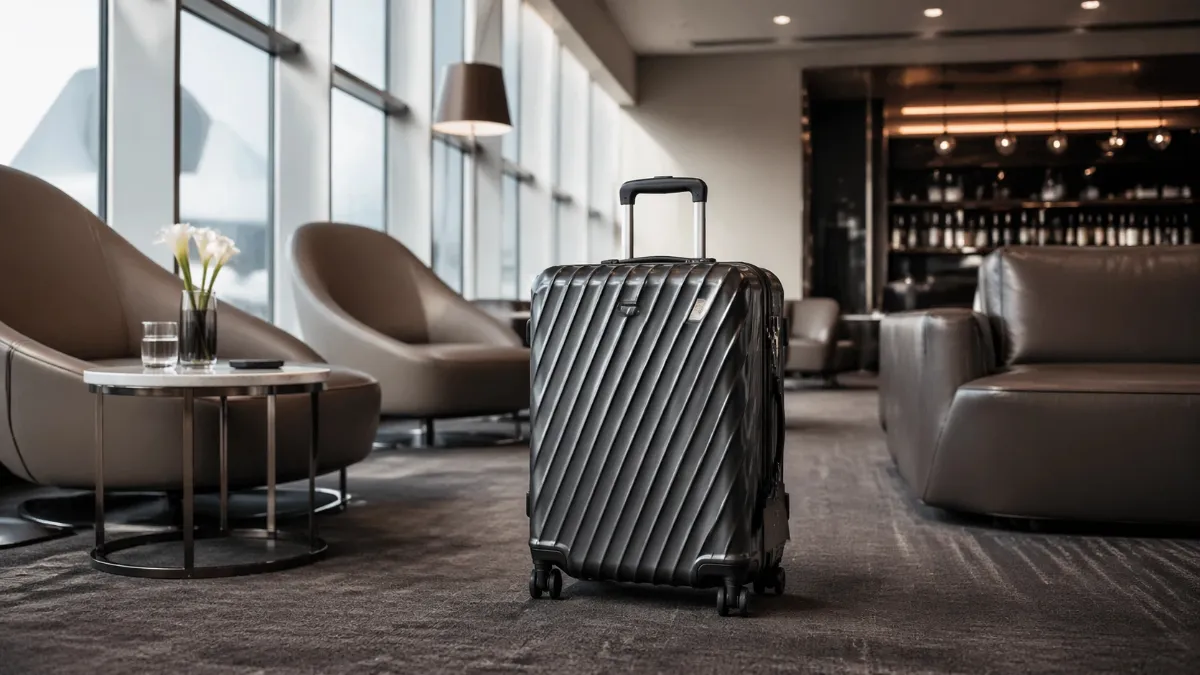
Material choice is one of the clearest answers to why is Tumi luggage so expensive. Tumi uses several materials across its collections, and each one has different strengths.
Ballistic nylon
Tumi is well known for its ballistic nylon luggage. This fabric is tightly woven and has a smooth, firm feel. It resists many common scuffs and small tears better than thin polyester used in inexpensive bags.
Ballistic nylon is not indestructible. Sharp objects, rough conveyor belts, and overfilled bags can still damage it. Yet it offers a useful balance of strength, flexibility, and relatively low weight.
Polycarbonate
Many hard-shell Tumi cases use polycarbonate. This material is light and impact resistant. It can flex slightly under pressure, which helps it handle the knocks that occur during air travel.
Hard-shell luggage may develop scratches more easily than fabric luggage. Those marks do not always affect performance, but they can bother travelers who expect a case to stay new.
Aluminum
Tumi aluminum luggage often costs more than its nylon or standard polycarbonate options. Aluminum gives a suitcase a refined look and a solid frame. It can also offer strong protection for delicate items.
The trade-offs are important:
• Aluminum cases are usually heavier.
• They may show dents after hard impacts.
• They often cost more to repair.
• Their locks, hinges, and frame parts can add weight and complexity.
Leather and metal details
Some Tumi products include leather handles, trim, metal hardware, and reinforced corners. These details improve the appearance and may improve touch points, but they also raise manufacturing costs.
In simple terms, Tumi often uses materials that feel like work gear but presents them with luxury finishes. That combination is a major part of why is Tumi luggage so expensive.

Engineering, Testing, and Travel Features
Tumi luggage is not priced only by its outer shell. Product engineering also plays a major role.
A well-designed suitcase must manage several competing goals. It should be light but strong, spacious but easy to carry, secure but simple to open, and flexible enough for different types of travel.
Tumi commonly includes features such as:
• Multi-stage telescoping handles
• Smooth spinner wheels
• Expandable compartments
• Garment sections for suits and dresses
• Compression panels
• Dedicated laptop and tablet storage
• Removable pouches
• USB charging features on some models
• TSA-approved combination locks
• Interior dividers and accessory pockets
These features are useful because they solve real travel problems. A garment compartment may help reduce wrinkles. A compression panel may keep shirts from shifting. A separate laptop section may make airport security faster.
Still, features are not automatically valuable to everyone. A traveler who packs one outfit for a weekend may not need multiple compartments. A person who checks a suitcase often may care more about wheel strength and repair support than built-in electronics.
A practical test is to ask whether you will use the features often. If you will not, part of the Tumi price may pay for convenience that stays unused.

Durability Can Lower the Long-Term Cost
Another reason why is Tumi luggage so expensive is its focus on long-term use. Tumi designs many products for business travelers, flight crews, consultants, and people who travel often for work.
For these users, a suitcase is not an occasional purchase. It may be used every week. A stronger handle, better wheel system, and tougher fabric can save time and prevent repeated replacement costs.
Consider two examples:
• A casual traveler buys a $120 suitcase and uses it for two trips each year. It lasts four years, so the purchase cost is about $30 per year.
• A frequent traveler buys a $900 Tumi suitcase and uses it for regular work trips over six years. The purchase cost is about $150 per year, before repairs or resale value.
The cheaper case may still be the better choice for the casual traveler. The Tumi case may make more financial sense for someone who travels often and values comfort, organization, and service.
This is why price alone does not prove value. The useful measure is cost per trip, not just cost at checkout.
It is also wise to understand warranty terms. Tumi warranties can vary by product, date, region, and type of damage. Normal wear, cosmetic marks, misuse, and airline damage may not receive the same coverage as manufacturing defects. Always check the specific warranty before buying.

Warranty, Repairs, and Customer Service
A portion of the Tumi price supports after-sale service. This is an important part of the answer to why is Tumi luggage so expensive.
A low-cost suitcase may be treated as disposable after a broken wheel or damaged handle. A premium luggage company is more likely to offer repair assessment, replacement parts, and service centers. That does not mean every repair is free or quick, but support can extend a product’s useful life.
Before buying, check:
• The length and limits of the warranty
• Whether the warranty covers parts and labor
• How airline damage is handled
• Whether proof of purchase is required
• Where repairs are performed
• Whether international service is available
• The likely cost of repairs outside warranty coverage
Registration can also help with product records and support. Keep receipts, take photos of your luggage, and report serious damage soon after a trip.
From a practical standpoint, repair access matters most when the bag has a high purchase price or is used often. If replacing a $70 case is easier than repairing it, premium service may not provide much value for your travel habits.

The Tumi Brand and Luxury Pricing
Brand value is a major part of why is Tumi luggage so expensive. Tumi operates in the premium and luxury travel market, where buyers pay for more than basic function.
The brand signals several things:
• Professional style
• Frequent travel
• Business success
• Attention to design
• Interest in long-term ownership
This does not make Tumi luggage a bad purchase. It simply means the price includes emotional and social value as well as physical performance.
Luxury pricing works much like it does with watches, cars, and leather goods. A product may cost more because of its materials and workmanship, but also because people recognize the name and trust its image.
Tumi’s retail presentation, product range, design language, and brand history all support this position. The company has built a strong reputation among business travelers and people who want a polished look in airports and hotels.
The key lesson is simple: not every dollar in a Tumi suitcase pays for extra durability. Some of it pays for design, identity, service, and the experience of owning a recognized premium product.

Tumi Luggage Compared With Other Brands
To understand why is Tumi luggage so expensive, it helps to compare Tumi with several types of luggage.
Tumi versus budget luggage
Budget luggage usually wins on initial price. It may be ideal for occasional trips, students, road travel, or situations where the suitcase may experience rough treatment.
Tumi usually offers better organization, more refined materials, stronger design details, and a more polished appearance. The difference may be easy to notice when you travel often.
Tumi versus mid-range luggage
Mid-range brands can provide excellent value. Some offer strong wheels, durable polycarbonate shells, and useful warranties at a much lower price.
Tumi may offer better interior layouts, more business-focused features, and a wider premium service experience. Yet the performance gap is not always as large as the price gap.
Tumi versus other luxury luggage
Other luxury brands may focus more on fashion, leather, lightweight construction, or aluminum design. Tumi tends to emphasize practical organization and business travel.
The right choice depends on what matters most:
• Choose Tumi for organization, work travel, and understated style.
• Choose a fashion-focused brand for appearance and status.
• Choose a lightweight brand if every pound matters.
• Choose a mid-range brand for stronger value.
A common buying mistake is assuming that the most expensive suitcase is automatically the most suitable. Match the bag to your travel pattern instead.
Is Tumi Luggage Worth the Money?
Tumi luggage can be worth the money for the right traveler. It is more likely to provide good value if you travel often, work from your suitcase, or care deeply about organization and smooth handling.
Tumi may be a good fit if you:
• Fly several times each year
• Carry work equipment
• Need a reliable garment section
• Prefer durable fabric or a strong shell
• Value repair support
• Want a professional design
• Plan to keep the suitcase for many years
It may not be worth the money if you:
• Travel only once or twice a year
• Usually pack light
• Do not need many compartments
• Expect a suitcase to remain mark-free
• Have a tight travel budget
• Often lose or replace luggage
Sales, outlet purchases, and previous-season models can improve the value. Used Tumi luggage may also offer a lower entry price, but inspect the wheels, handle, zippers, locks, interior lining, and warranty status before buying.
My practical advice is to test the suitcase in a store when possible. Pull the handle fully, roll it over different surfaces, open every compartment, and place a laptop or packing cube inside. A suitcase can look impressive online but feel too heavy or complex in real use.

What Makes Tumi Luggage Expensive but Practical?
The best Tumi features are often small details that reduce daily frustration. A handle that feels stable, wheels that track smoothly, and pockets that fit your items can make a long travel day easier.
For example, business travelers often benefit from:
• A front pocket that holds a laptop
• A dedicated place for chargers
• A garment compartment
• Easy access to a passport
• A strong top handle
• An expansion system for the return trip
These details act like good tools in a workshop. They may not look dramatic, but they save effort each time you use them.
The limitation is that more features can also create more parts that may wear out. Zippers, wheels, locks, charging systems, and expandable panels all need care. Keep the suitcase within its weight limit and avoid forcing an overpacked compartment closed.
A premium suitcase still needs sensible use. Even the best luggage cannot prevent damage from excessive weight, careless handling, or airline conveyor systems.
Tips for Buying Tumi Luggage at a Better Value
You do not always need to pay full retail price. A careful buying plan can reduce the cost while preserving many of the benefits.
-
Compare collections carefully. Some models differ mainly in size, color, or features.
-
Check sale prices and previous-season designs. Older colors may cost less while offering the same core construction.
-
Consider a carry-on first. A high-quality carry-on often receives more personal use than a large checked case.
-
Look at weight before buying. A heavy suitcase can reduce the amount you can pack on airlines with strict limits.
-
Review warranty terms. Do not assume every type of damage receives free service.
-
Compare internal capacity. A large exterior does not always mean a useful interior.
-
Test the wheels and handle. These parts affect comfort more than many decorative details.
-
Protect the suitcase from overpacking. Excess pressure can damage zippers, seams, and expansion panels.
-
Consider luggage insurance for expensive trips. A warranty may not cover theft or airline mishandling.
-
Buy from an authorized seller. This helps reduce the risk of counterfeit products and unclear warranty coverage.
These steps help you decide whether the Tumi price matches your actual needs rather than the excitement of the brand.
Frequently Asked Questions About Why Is Tumi Luggage So Expensive
Is Tumi luggage really worth the high price?
Tumi luggage can be worth the price for frequent travelers who value durability, organization, design, and repair support. Occasional travelers may receive better value from a reliable mid-range suitcase.
Why does Tumi use ballistic nylon?
Ballistic nylon is tightly woven, durable, and resistant to many everyday abrasions. Tumi uses it because it offers a strong balance of protection, flexibility, and professional appearance.
Does Tumi luggage last longer than cheaper luggage?
It can last longer when used and maintained properly, but no suitcase is immune to wear or airline damage. Longevity depends on travel frequency, packing habits, handling, and the specific model.
Is Tumi luggage covered by a lifetime warranty?
Tumi warranty coverage depends on the product, purchase date, location, and type of damage. Many products have limited coverage rather than unlimited lifetime protection, so check the exact terms before purchasing.
Why is Tumi luggage more expensive than Samsonite?
Tumi generally targets the premium market and includes more specialized design, luxury branding, business features, and service support. Samsonite offers products across many price levels, including options focused more strongly on affordability.
Can I buy Tumi luggage for less?
Yes. Sales, outlet models, previous-season collections, authorized resale channels, and carefully inspected used luggage can reduce the price. Confirm authenticity and warranty details before buying from a third party.
Is Tumi luggage better for business travel?
Tumi is often well suited to business travel because many models include laptop storage, document sections, garment compartments, and easy-access pockets. Still, a lighter or simpler bag may be better for travelers who carry little equipment.
Conclusion
The answer to why is Tumi luggage so expensive comes down to several layers: durable materials, careful engineering, useful travel features, repair support, luxury branding, and premium retail positioning. Tumi is not automatically the best choice for every traveler, but it can offer strong long-term value for people who travel often and use its features.
Before buying, compare the bag’s weight, capacity, warranty, repair options, and layout with your real travel needs. Choose a Tumi model only when its benefits justify the price for your lifestyle. Explore current models and competing brands, then share your own travel experience or questions in the comments.

Zayden Halbrook is a travel enthusiast and gear researcher passionate about making every journey smoother and more enjoyable. With a keen eye for practical travel essentials and real-world tips, he helps readers choose the right gear and travel smarter. When he’s not testing travel kits or exploring new destinations, Zayden shares simple, reliable advice to make every trip stress-free.