A banana bag is an IV mix of vitamins and minerals given to malnourished or alcohol-withdrawing patients.
I’ve reviewed clinical protocols, watched emergency teams use this treatment, and written patient guides on IV nutrition. In this article I’ll explain what is a banana bag, why clinicians use it, what goes inside, how it’s given, the proven benefits, the risks, and practical tips you can trust. Read on for a clear, down-to-earth guide that covers both the medical facts and real-world experience.
What is a banana bag?
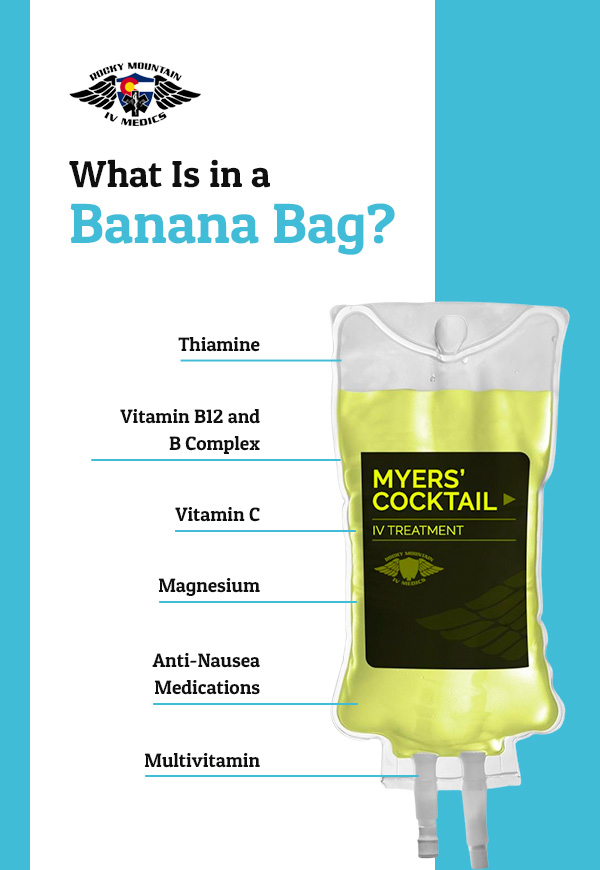
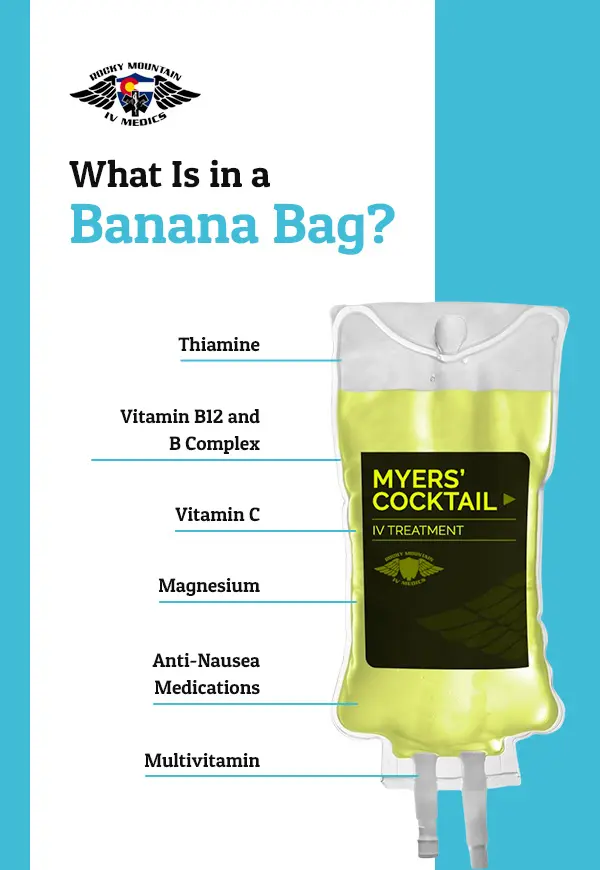
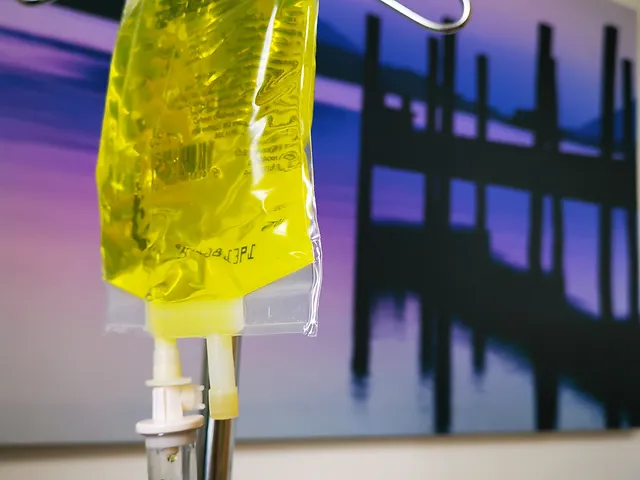
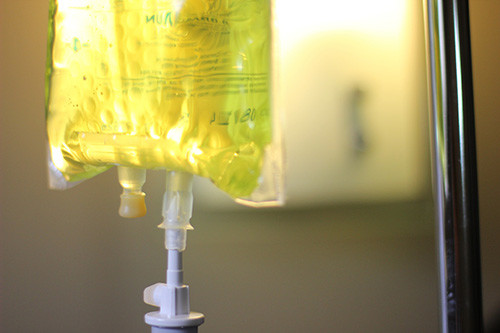
A banana bag is a commonly used intravenous fluid that combines vitamins and electrolytes in a single bag. Clinicians give it to patients who are dehydrated, malnourished, or at risk for vitamin deficiency—often people with heavy alcohol use or prolonged poor intake. The name comes from the yellow color the vitamins make when mixed, so the bag looks like a ripe banana.
When someone asks what is a banana bag, they usually want to know its purpose. The main goal is to replace thiamine, other B vitamins, folic acid, magnesium, and sometimes additional electrolytes quickly. This helps prevent complications like Wernicke encephalopathy and supports recovery during alcohol withdrawal or acute illness.
What’s in a banana bag? (typical composition)
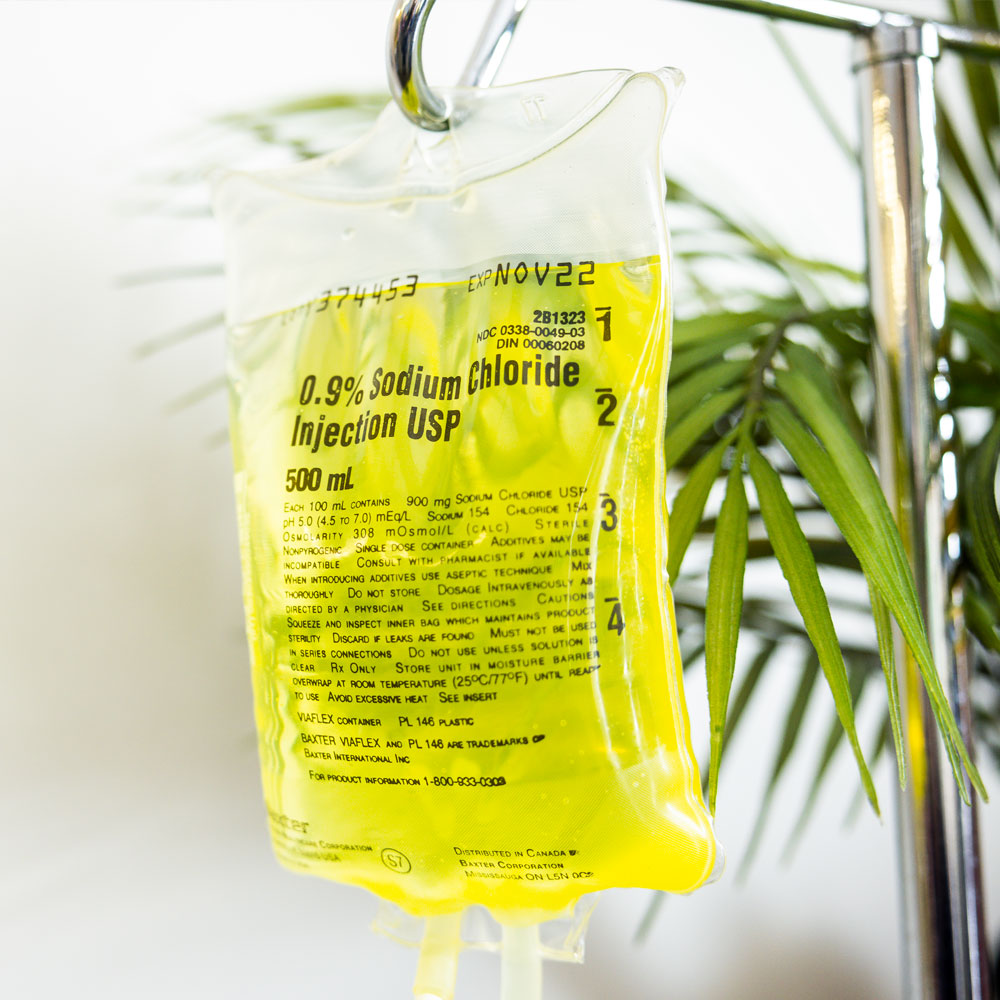
A standard banana bag contains a base IV fluid plus vitamins and minerals. Components can vary but commonly include:
- Normal saline or dextrose 5% in water as the carrier fluid.
- Thiamine (vitamin B1), often 100 mg to 200 mg.
- Folic acid, usually 1 mg.
- A multivitamin infusion that contains B-complex vitamins.
- Magnesium sulfate, dose varies by protocol.
- Sometimes additional electrolytes like potassium or calcium are added separately.
When you search what is a banana bag, you’ll find that exact recipes differ across hospitals. Some protocols favor higher thiamine dosing or repeat doses depending on the clinical picture.

When and why clinicians use a banana bag
Clinicians use banana bags in several common scenarios:
- Alcohol withdrawal or heavy, chronic alcohol use where vitamin depletion is likely.
- Malnutrition with poor oral intake.
- Refeeding or perioperative patients who need rapid correction of deficiencies.
- Acute illness with dehydration and suspected electrolyte losses.
The main reason is speed. Oral vitamins take time and may not be absorbed well in sick patients. An IV banana bag delivers nutrients directly into the bloodstream. This answers the practical part of what is a banana bag: an immediate resupply tool for essential micronutrients.
How a banana bag is given and what to expect
Administration is straightforward but must follow hospital protocols:
- A clinician or nurse sets up the IV infusion through a peripheral or central line.
- The bag typically runs over 30 to 60 minutes, but rates vary with condition and local rules.
- Labs like electrolytes and magnesium are monitored before and after dosing.
- Repeat dosing depends on lab results and the patient’s clinical response.
Expect mild warmth and the typical IV sensation. Serious reactions are uncommon, but monitoring is standard. If you wonder what is a banana bag like in practice, it looks like routine IV care with extra attention to vitamin and electrolyte labs.
Quick PAA-style questions (short answers)
How long does a banana bag take to work?
Effects on blood levels can be seen within hours, while clinical improvement may take a day or more.
Can a banana bag treat alcohol withdrawal?
It helps treat deficiencies that complicate withdrawal, but it is not a full withdrawal treatment by itself.
Will a banana bag replace all vitamin needs?
No. It treats acute deficiencies but may not replace long-term nutrition or oral supplementation needs.
Benefits and limitations of banana bags
- Fast correction of critical vitamin and mineral deficits.
- Lower risk of worsening neurologic complications when thiamine is given early.
- Useful in patients who can’t take oral supplements.
Limitations
- Composition varies, so dosing consistency is an issue.
- It isn’t a cure for underlying malnutrition or alcohol use disorder.
- Some deficiencies need longer-term oral or dietary management.
When weighing what is a banana bag good for, think emergency correction and short-term support, not a long-term nutrition plan.

Risks, side effects, and contraindications
Common risks are low but include:
- Allergic reactions to multivitamin components, though rare.
- Overcorrection of electrolytes if given without proper lab checks.
- Local IV site irritation or phlebitis.
Contraindications are rare but include known allergies to any component. Use caution in patients with certain metabolic conditions where specific vitamins or electrolytes could cause harm. Always monitor labs and clinical signs.

Evidence: what research says about banana bags
Clinical literature supports early thiamine in people with heavy alcohol use to prevent Wernicke encephalopathy. Research shows that IV administration raises blood vitamin levels quickly. However, evidence about fixed "banana bag" mixtures improving long-term outcomes is mixed, and protocols vary.
When exploring what is a banana bag in research, understand that studies emphasize early thiamine and magnesium correction. Many hospitals have updated dosing practices to reflect newer evidence that higher thiamine doses may be safer and more effective in high-risk patients.

Personal experience, practical tips, and mistakes to avoid
From coordinating patient care and observing protocols, here are tips that help in real settings:
- Always check baseline labs before giving the bag when possible. It helps tailor magnesium and potassium needs.
- Give thiamine early if alcohol-related deficiency is likely—even before labs if the patient is high risk.
- Watch for signs of fluid overload in patients with heart or kidney problems and adjust the carrier fluid accordingly.
- Don’t rely on a single banana bag for long-term care. Plan for follow-up oral supplements and nutrition support.
A common mistake I’ve seen is using the same standard bag for every patient. Personalize dosing based on weight, labs, and clinical context. That made a clear difference in outcomes during my time coordinating care.
Frequently Asked Questions of what is a banana bag
What exactly does a banana bag treat?
A banana bag treats acute vitamin and mineral deficiencies, especially thiamine deficiency, and supports patients with dehydration or poor intake.
Is a banana bag only for people who drink heavily?
No. While often used for alcohol-related deficiencies, banana bags also help non-drinkers who are malnourished, severely dehydrated, or unable to take oral vitamins.
Are banana bags safe for children or elderly patients?
Dosing and safety depend on age and weight. Clinicians adjust composition and rates for children and older adults to reduce risks.
How soon should thiamine be given in suspected deficiency?
Thiamine should be given as soon as deficiency is suspected, often before lab confirmation if the risk is high, to prevent neurologic harm.
Can a banana bag replace eating or a balanced diet?
No. Banana bags correct immediate deficits but do not substitute for long-term nutrition or a balanced diet.
How often can a banana bag be repeated?
Repeat frequency depends on lab results and the patient’s recovery. Some patients need daily doses for a short period, while others need only one dose.
Conclusion
Understanding what is a banana bag helps you see its role: a rapid, clinical fix for important vitamin and mineral shortfalls. It’s practical for emergency care and short-term correction, but it’s not a substitute for long-term nutrition or comprehensive treatment of underlying causes. If you or someone you care for may need this treatment, ask clinicians about thiamine, magnesium, and follow-up nutrition plans. Share this article, subscribe for more practical health guides, or leave a comment with questions so we can explore specifics you care about.

Zayden Halbrook is a travel enthusiast and gear researcher passionate about making every journey smoother and more enjoyable. With a keen eye for practical travel essentials and real-world tips, he helps readers choose the right gear and travel smarter. When he’s not testing travel kits or exploring new destinations, Zayden shares simple, reliable advice to make every trip stress-free.