Packing a suitcase is easier when you work in a set order: check the trip, choose the right bag, pack heavy items low, protect fragile items, and leave room for what you may bring home. This guide is written for travelers in the United States, including people flying from U.S. airports under Transportation Security Administration (TSA) rules.
The best suitcase is not the one packed until it barely closes. It is the one that keeps your items safe, stays within airline limits, and lets you find what you need without emptying the whole bag.
Before You Pack: Check Your Trip
Start by checking the weather, length of the trip, planned activities, and airline baggage rules. These details decide what you need and how much space your suitcase must have.
Make a short list before you open your closet:
- Destination and travel dates
- Expected weather
- Formal, work, or outdoor plans
- Laundry access
- Number of travel days
- Checked-bag and carry-on limits
- Items you must keep with you
- Special needs, such as medicine or baby supplies
For U.S. flights, baggage size and weight limits vary by airline, fare, route, and frequent-flyer status. Some airlines charge for checked bags. Others include a checked bag with certain fares or international tickets. Check the airline’s current baggage page before packing.
A useful rule is to pack for activities, not for every possible event. If you will spend most days walking and sightseeing, comfortable shoes matter more than several dress outfits.
Make a simple packing list
Use four groups:
- Clothing: shirts, pants, underwear, sleepwear, and outer layers
- Toiletries: skin care, dental items, hair products, and medicines
- Travel items: documents, chargers, glasses, and comfort items
- Special items: work tools, sports gear, baby supplies, or formal clothing
Lay out everything before it goes into the suitcase. This makes duplicate items easy to spot.

Choose What Goes in Your Suitcase
Pack items that work together. A small group of matching clothes can create more outfits than a large group of single-use pieces.
Use the “three-part outfit” test for most clothing:
- One top
- One bottom
- One layer or accessory
Choose neutral colors when possible. A black, navy, gray, tan, or white base can pair with many other items. Add one or two brighter pieces if you want more variety.
Use a basic clothing guide
The right amount depends on the trip. The numbers below are a starting point, not a fixed rule.
| Trip length | Tops | Bottoms | Underwear | Shoes |
|---|---|---|---|---|
| 2–3 days | 3 | 2 | 3–4 | 1–2 pairs |
| 4–7 days | 5–7 | 3–4 | 6–8 | 2–3 pairs |
| 8–14 days | 7–10 | 4–5 | 8–12 | 2–3 pairs |
Pack fewer clothes if you can do laundry. Pack more if the trip includes exercise, hot weather, rain, or messy activities.
Wear the heaviest items
Wear your bulkiest shoes, coat, jeans, or sweater during travel when practical. This saves suitcase space and may help keep a checked bag under its weight limit.
Do not wear uncomfortable clothing just to save room. A heavy coat can be carried over your arm, and a jacket can be placed under the seat if the airline allows it.
Pick shoes with care
shoes take up more space than most clothing. Two useful pairs are often better than four similar pairs.
Place socks, belts, or small items inside shoes. Use a shoe bag or clean plastic bag to keep soles away from clothing.

How to Pack a Suitcase Step by Step
Follow this order to use space well and reduce wrinkles.
Step 1: Put the suitcase on a flat surface
Open the suitcase fully. If it has two compartments, identify the side with the handle bars. The bars can create bumps, so plan to place softer items over them.
Keep your packing list nearby. A bed or large table gives you more control than a small floor space.
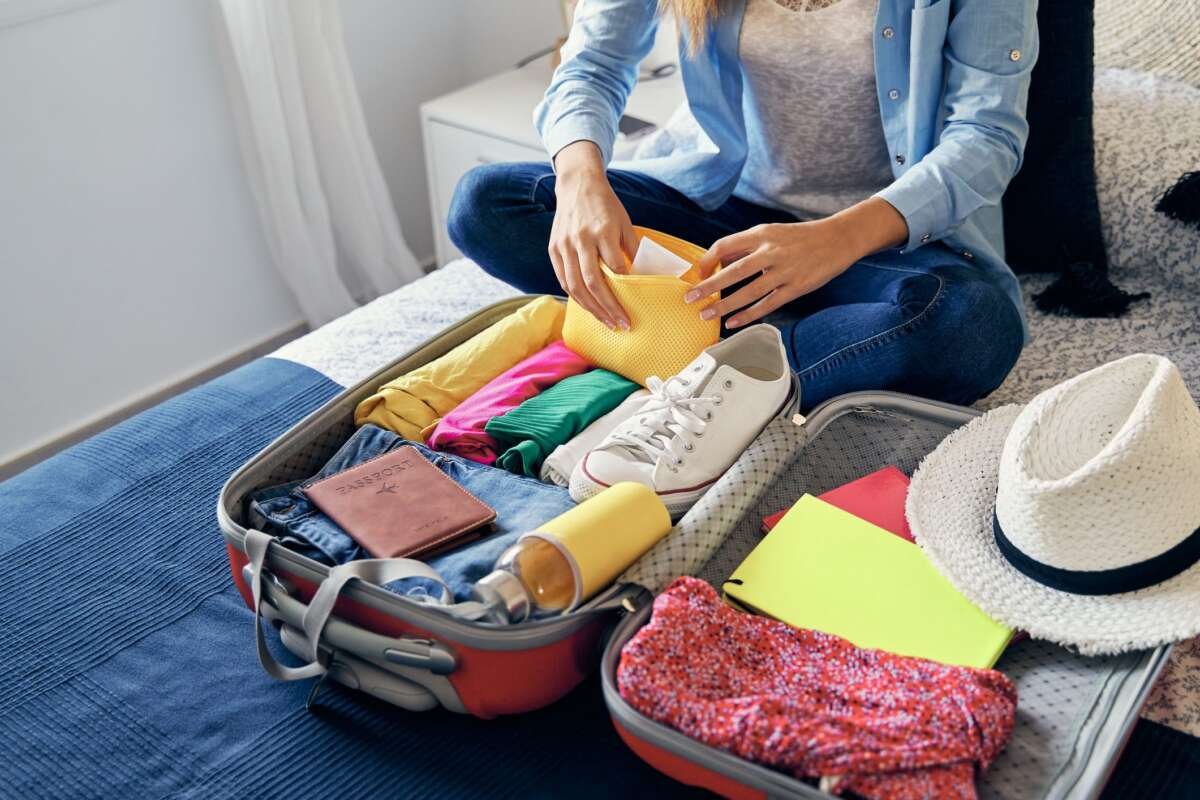
Step 2: Place shoes and heavy items at the bottom
Put shoes, toiletry bags, books, and other heavy items near the wheel end of a rolling suitcase. This keeps the suitcase more stable when it stands upright.
Wrap shoes in bags. Place hard items where they will not press against delicate clothing.
Step 3: Add folded jeans, pants, and sweaters
Fold thick items and place them in a flat layer. You can also roll sturdy clothing, such as jeans, T-shirts, athletic wear, and pajamas.
Do not roll every item by default. Rolling can save space for soft clothing, but folding often works better for dress shirts, linen, wool, and structured clothes.
Step 4: Add shirts and lighter clothing
Place lighter shirts, underwear, and sleepwear above the heavy layer. Roll small items into gaps along the sides.
Use packing cubes if you like separate groups. For example, one cube can hold underwear, another can hold tops, and a third can hold workout clothes. Cubes are useful for order, but they do not create extra suitcase space by themselves.
Step 5: Protect delicate or wrinkle-prone items
Fold dress clothes along their natural seams. Place tissue paper or a thin plastic dry-cleaning bag between layers if the fabric wrinkles easily.
For a blazer or suit jacket:
- Turn one shoulder inside out.
- Tuck the other shoulder into it.
- Fold the jacket in half lengthwise.
- Place it near the top of the suitcase.
Remove the jacket soon after arrival and hang it up. A steamy bathroom may help release light wrinkles, but keep clothing away from direct water and high heat.
Step 6: Pack toiletries in a leak-proof bag
Close each liquid bottle tightly. Add a small piece of plastic wrap under the cap or place bottles in a sealed bag.
For carry-on liquids on U.S. flights, TSA’s 3-1-1 rule generally allows:
- Containers of 3.4 ounces (100 milliliters) or less
- One clear quart-size bag
- One bag per passenger
TSA lists medication, infant and child nourishment, and some other liquids as exceptions. Review the current guidance at TSA.gov before you fly.
Toiletries in larger containers usually belong in checked luggage, but some products may still have transport limits. Aerosols, flammable products, and other restricted items need special care.
Step 7: Fill small gaps
Use spaces between shoes and around the suitcase edges for:
- Socks
- Swimsuits
- Belts
- Scarves
- Charging cables
- Small accessories
Do not fill every gap with items you may need during the trip. Leave a clear place for souvenirs or items you buy later.
Step 8: Place fragile items in the middle
If a fragile item must go in checked baggage, wrap it in clothing and place it in the center of the suitcase. Keep it away from the outside walls, corners, and wheels.
The safest choice for valuables, important electronics, jewelry, and irreplaceable items is usually your carry-on. The Federal Aviation Administration also advises passengers to carry spare lithium batteries and power banks in the cabin, not in checked baggage.
Step 9: Close the suitcase without forcing it
Zip the bag while it is flat. If you must sit on it or pull hard on the zipper, it is too full.
A full suitcase can burst open, strain the zipper, and become difficult to lift. Remove the least useful items first rather than compressing everything harder.
Step 10: Weigh and label the bag
Use a luggage scale if you have one. If not, weigh yourself, then weigh yourself while holding the suitcase. Subtract the first number from the second.
Add your name and contact information to the outside tag. Put a second contact card inside the suitcase in case the outside tag is lost.

How to Pack a Carry-On Bag
Your carry-on should hold the items you cannot afford to lose or cannot easily replace.
Pack these items in your carry-on when possible:
- Identification and travel documents
- Prescription medicine
- Wallet and keys
- Phone and chargers
- Laptop or tablet
- Glasses or contact lenses
- One change of clothes
- Basic toiletries
- Valuable or fragile items
- Important work or family items
Keep medicine in its original labeled container when practical. If you use daily medicine, place it in your carry-on rather than a checked bag. You do not want a delayed suitcase to interrupt your routine.
Remember that airlines set their own carry-on size and weight limits. A bag that meets one airline’s rule may not meet another’s. Measure the bag, including wheels and handles, if the airline gives exact dimensions.
Power banks and spare lithium batteries should remain in your carry-on. Protect loose battery contacts from metal objects, such as keys or coins. If a device or battery is damaged, swollen, or recalled, do not pack it without checking current safety guidance.

How to Pack a Suitcase for Air Travel
Air travel adds three key concerns: security screening, baggage limits, and access during the journey.
Before leaving for the airport, check the current TSA rules and your airline’s baggage policy. Rules can change, and an item permitted in a carry-on may not be allowed in checked luggage, or the other way around.
Keep documents easy to reach
Use a small pocket or document pouch for:
- Passport or driver’s license
- Boarding details
- Hotel information
- Transportation details
- Emergency contacts
Do not place these items deep inside a checked suitcase.
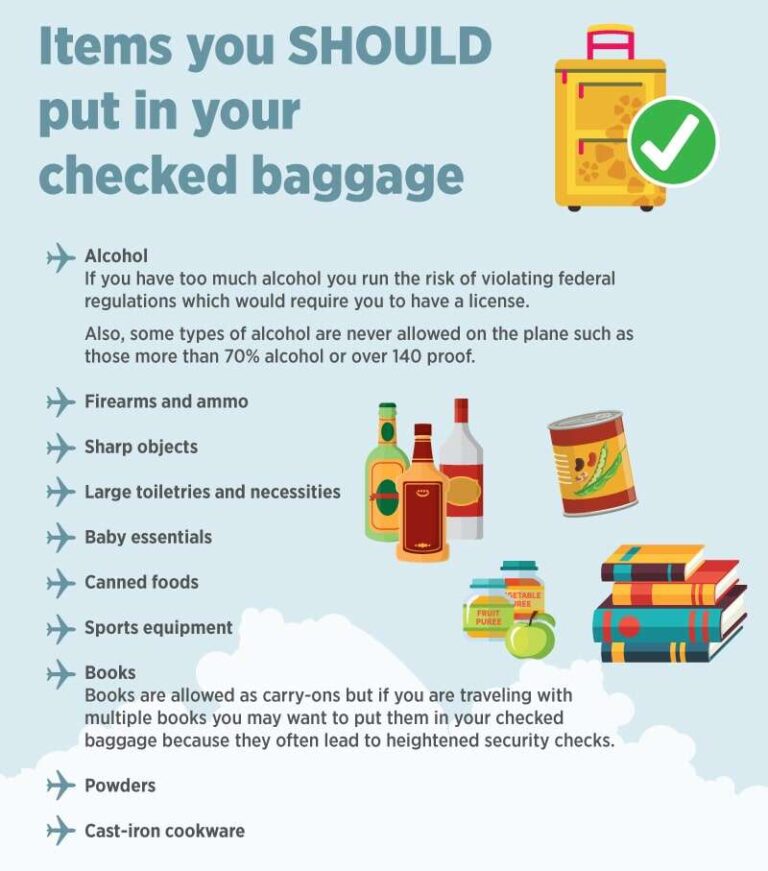
Keep restricted items out of checked baggage
Do not assume that a checked suitcase can hold anything. Firearms, ammunition, flammable liquids, explosives, certain fuels, and other dangerous goods have strict rules. Some items may be allowed only under specific conditions.
Check the TSA prohibited items list and the FAA PackSafe guidance for batteries and hazardous materials. If the rule is unclear, contact the airline before you travel.
Do not lock a checked bag with an ordinary padlock
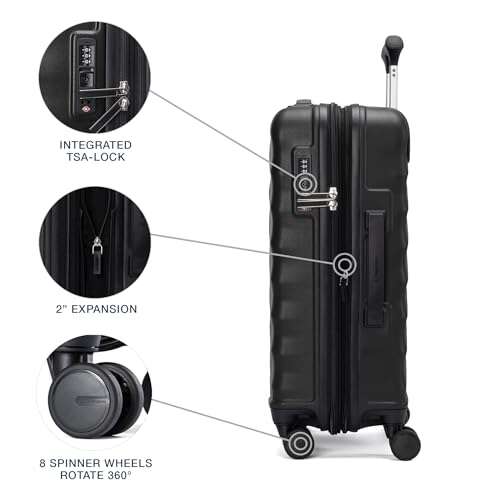
TSA may need to inspect checked baggage. A non-TSA lock may be cut if officers need to open the suitcase. If you use a lock, choose one designed for TSA inspection.
A TSA-approved lock does not prevent every form of damage or loss. It simply allows authorized inspection without breaking that lock.
Use an easy-to-identify suitcase
A bright strap, luggage tag, or small ribbon can help you spot your bag. Avoid placing loose decorations where they can catch on conveyor equipment.
Take a photo of your suitcase before checking it. A photo can help with identification if the bag is delayed.