Introduction
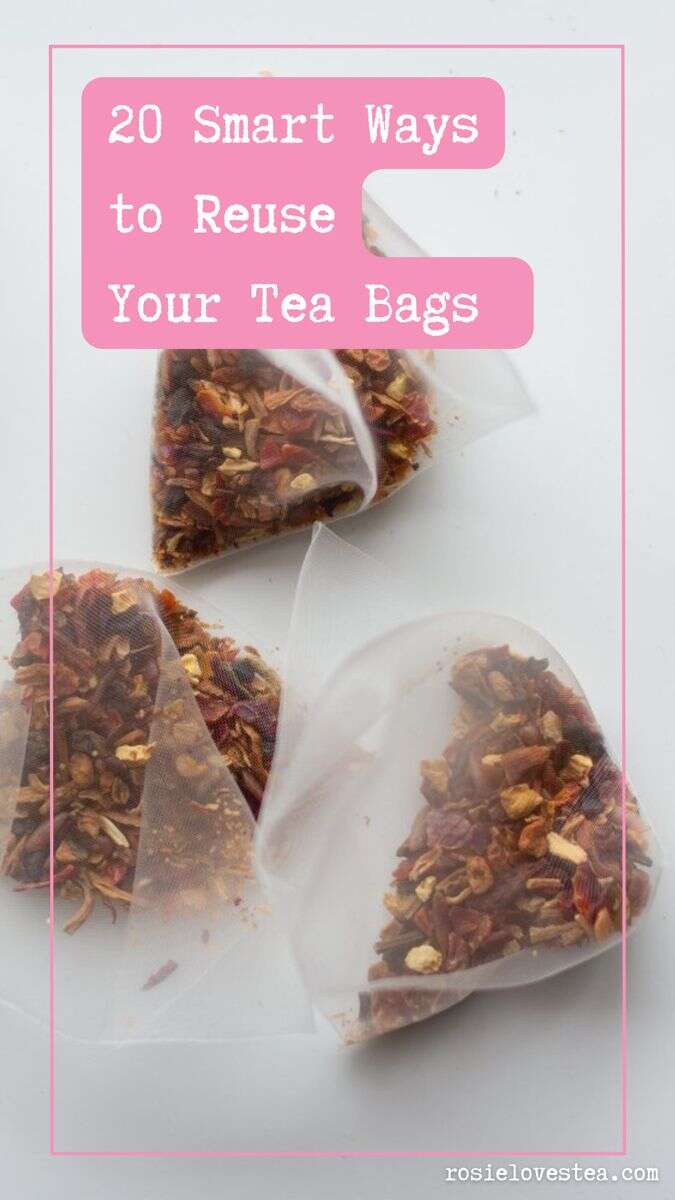
Yes, you can usually reuse a tea bag, especially if you make a second cup right away. The second brew will often taste lighter because the first cup has already removed much of the tea’s flavor, color, caffeine, and aroma.
For people making tea at home in the United States, the main issue is not the number of times you use the bag. It is how long the wet bag sits before you use it again. A tea bag left warm and damp on the counter can support bacterial growth, so prompt reuse is safer than saving it for later.

How Many Times Can You Reuse a Tea Bag?
Most tea bags work well for one additional cup. Some strong black, green, oolong, and pu-erh teas may produce two or more useful infusions, but each cup will usually be weaker than the last.
The best number depends on:
- The type of tea
- The amount of tea in the bag
- The water temperature
- The steeping time
- The size of your cup
- Your preferred flavor strength
A large mug extracts more from a tea bag than a small cup. A long first steep also leaves less flavor for the next one.
Typical reuse guide
| Tea type | Usual useful brews | What to expect |
|---|---|---|
| Black tea | 1–2 | The second cup may be lighter and less bold |
| Green tea | 1–3 | A second brew can taste softer and less bitter |
| Oolong tea | 2–4 | Whole-leaf bags may keep more flavor |
| White tea | 2–3 | Later cups are often delicate |
| Herbal tea | 1–2 | Flavor may drop quickly, depending on the herbs |
| Fruit tea | 1–2 | The second cup may have less aroma and color |
| Pu-erh tea | 3 or more | Some varieties are designed for repeated steeping |
These are practical ranges, not fixed rules. A tea bag that tastes weak after one brew is not worth forcing into a second cup.

Is It Safe to Reuse a Tea Bag?
Reusing a tea bag right away is generally low risk for most healthy adults. Saving a wet tea bag for hours at room temperature is a different matter.
Tea leaves, herbs, and fruit pieces can carry microorganisms. Hot water may reduce many of them, but it does not make the used bag sterile. Once the bag cools, its moisture and plant material can provide conditions that allow bacteria to grow.
The U.S. Department of Agriculture advises keeping perishable food out of the temperature danger zone, which is generally 40°F to 140°F, for no more than two hours. The limit is one hour when the temperature is above 90°F. A wet tea bag is not the same as a full meal, but this rule provides a cautious household safety boundary.
The safest practice
- Reuse the bag during the same tea-making session.
- Do not leave it on the counter all day.
- Do not keep it overnight at room temperature.
- If you plan to save it, place it in a clean, covered container and refrigerate it promptly.
- When in doubt, throw it away.
There is no widely accepted, tea-specific rule that guarantees a refrigerated used tea bag is safe for several days. For that reason, using it promptly—or using a fresh bag—is the safer choice.
People with weakened immune systems, older adults, pregnant people, and young children may want to avoid storing and reusing wet tea bags. A fresh bag is a simple way to reduce uncertainty.

Does Reusing a Tea Bag Reduce Caffeine?
Yes, the second cup usually contains less caffeine than the first, but the exact amount varies widely.
Caffeine moves from the tea leaves into the water during steeping. A first brew removes a large share of the readily dissolved caffeine. A second brew can still contain caffeine, especially if the bag is steeped for several minutes, but it is usually weaker.
The amount depends on:
- Tea variety
- Leaf size
- Water temperature
- Steep time
- Water volume
- How much caffeine the first cup extracted
You should not treat a reused tea bag as caffeine-free. If you need to avoid caffeine, choose a tea labeled decaffeinated or caffeine-free. “Herbal tea” is often caffeine-free, but blends that include black tea, green tea, yerba mate, or guayusa can contain caffeine.

How to Reuse a Tea Bag Properly
The best method is simple: make the second cup soon after the first.
-
Remove the tea bag from the first cup.
Let excess liquid drip back into the cup. Avoid squeezing it if the first cup tastes bitter. -
Use the bag soon.
Place it in a second cup while it is still warm. Do not leave it exposed on the counter for an extended period. -
Adjust the water.
Use slightly hotter water or a longer steep if the second cup tastes too weak. Do not use very hot water for teas that are easily damaged by heat, such as some green and white teas. -
Taste before adding more tea.
A reused bag may produce a softer cup with less bitterness. It can still be pleasant even when it is not as strong. -
Discard the bag after the final brew.
Put it in the trash or compost it only if the bag’s materials are suitable for your local compost system.
If the bag has touched a dirty surface, fallen on the floor, developed an unusual smell, or sat out for a long time, discard it.

Why Does the Second Cup Taste Weaker?
The first steep pulls out many of the compounds that give tea its taste, color, and aroma. These include water-soluble flavor compounds, polyphenols, and some caffeine.
The second steep has less of those compounds left to dissolve. This does not mean the tea bag is completely empty. It means the balance has changed.
A second cup may taste:
- Milder
- Less bitter
- Less aromatic
- Less astringent
- Lighter in color
- More watery
This can be useful if the first cup was too strong. For a stronger second cup, use less water or let the bag steep longer. However, a long steep can also pull out more bitter or drying compounds.
Example
Suppose you use one black tea bag in 8 ounces of water for four minutes. A second cup made with the same bag may taste weak because the first cup used much of the available flavor. Using 6 ounces of water for the second cup can make the flavor seem stronger without extracting more tea from the bag.
This is a practical adjustment, not a precise measurement of caffeine or flavor.

Can You Reuse Tea Bags for Cold Brew or Iced Tea?
You can reuse a tea bag for iced tea, but the safest approach is to brew the second cup immediately and chill the liquid afterward.
Do not place a used, wet tea bag in a pitcher of water and leave it in the refrigerator for several days. The bag and tea leaves can introduce plant material and microbes into the drink.
For better quality and safety:
- Use fresh tea bags when making a large pitcher.
- Follow the tea maker’s instructions for cold brewing.
- Keep prepared tea refrigerated.
- Use clean containers and utensils.
- Discard tea that develops an off smell, cloudy appearance, mold, or an unusual taste.
Sweetened tea may spoil faster in warm conditions because sugar can support microbial growth after the drink becomes contaminated. Refrigeration slows growth but does not make old tea safe indefinitely.

Can You Reuse a Tea Bag for Cooking or Other Uses?
A used tea bag can sometimes be reused for a second food or household purpose, but the bag must be clean and used promptly.
Possible uses include:
- Flavoring a small batch of oatmeal
- Adding mild tea flavor to rice or grains
- Placing a cooled bag over closed eyes for comfort
- Adding plant material to a compost system, if the bag is compostable
Avoid using a used tea bag on broken skin or irritated eyes. Tea bags are not sterile medical products. Do not apply one to a wound, infection, or serious skin problem.
Check the bag before composting it. Some tea bags contain plastic fibers, heat-sealed plastic, staples, or synthetic mesh. A paper-looking bag is not automatically compostable. If the material is unclear, remove the tea leaves and discard the bag according to local waste rules.

Common Mistakes When Reusing Tea Bags
The most common mistake is confusing “reuse now” with “save indefinitely.” A tea bag can be suitable for a second cup and still be a poor choice after sitting warm for hours.
Avoid these habits:
- Leaving the bag on a saucer overnight
- Reusing a bag that smells sour or musty
- Sharing a used bag between people
- Assuming herbal tea is always caffeine-free
- Assuming a refrigerated bag is safe for several days
- Squeezing the bag hard and making the tea overly bitter
- Composting a bag without checking its materials
- Using a weak second brew as a guaranteed low-caffeine drink
If the tea tastes stale, sour, or unusual, stop drinking it. Flavor changes can have several causes, including old tea, poor water quality, a dirty cup, or spoilage.

Fresh Tea Bag vs. Reused Tea Bag
The better choice depends on your goal.
| Your goal | Better option | Reason |
|---|---|---|
| Strong flavor | Fresh tea bag | More flavor remains to extract |
| Lower waste | Reuse promptly | One bag can often make a second cup |
| Lower caffeine | Reuse, but do not assume zero | The second brew is often weaker |
| Best food safety | Fresh tea bag | It avoids storage concerns |
| Mild flavor | Reused tea bag | The second cup is usually softer |
| Large-batch iced tea | Fresh tea bags | They provide more consistent strength |
| Saving money | Reuse during the same session | You get more from the original bag |
Reusing a tea bag is most worthwhile when you like mild tea and make the second cup right away. A fresh bag is more practical when you need consistent strength, serve guests, or prepare a pitcher.

Key Takeaways
- Yes, you can usually reuse a tea bag once.
- The second cup will usually be weaker, but it may taste smoother.
- Reuse the bag right away instead of leaving it warm and wet.
- A used tea bag is not caffeine-free.
- Fresh tea bags are the safest choice for children, high-risk individuals, and large batches.
- Do not keep a wet tea bag at room temperature overnight.
- Check whether the bag contains plastic before composting it.
FAQs
Can you reuse a tea bag the next day?
It is safer to use a fresh tea bag the next day. A wet bag left at room temperature overnight may support bacterial growth. If you want a second cup, make it during the same session.
Can you reuse a tea bag after refrigerating it?
You can refrigerate a used bag promptly in a clean, covered container, but refrigeration does not remove all food-safety concerns. Use it as soon as possible, and discard it if the smell, appearance, or taste has changed.
Is tea from a reused tea bag healthy?
A second brew is generally fine for most healthy adults when made promptly. It may contain less caffeine and fewer flavor compounds than the first brew. Tea itself is not a substitute for medical care or a balanced diet.
Can you reuse an herbal tea bag?
Yes, but many herbal tea bags lose flavor quickly. Some herbal blends also contain caffeine-containing ingredients, so read the ingredient list if caffeine matters to you.
Should you squeeze a reused tea bag?
You can, but squeezing may release more tannins and make the tea taste bitter or dry. Letting the bag drip naturally usually gives a smoother cup.
When should you throw away a tea bag?
Throw it away if it sat out for hours, smells unusual, looks moldy, touched a dirty surface, or has a damaged bag. When safety is uncertain, a fresh tea bag costs less than the risk of drinking spoiled tea.
Conclusion
You can reuse a tea bag, and one extra brew is often reasonable. The best results come from using it immediately, adjusting the water amount or steep time, and accepting that the second cup may be lighter.
The key safety rule is simple: do not leave a wet tea bag warm for a long time. If you want a strong, consistent, or low-risk cup, use a fresh bag.

Zayden Halbrook is a travel enthusiast and gear researcher passionate about making every journey smoother and more enjoyable. With a keen eye for practical travel essentials and real-world tips, he helps readers choose the right gear and travel smarter. When he’s not testing travel kits or exploring new destinations, Zayden shares simple, reliable advice to make every trip stress-free.
Similar Posts
How Much Does A Bag Of Sonic Ice: Price & Sizes
Wondering how much does a bag of sonic ice cost? Get current prices, bag sizes, and tips for buying Sonic’s famous nugget ice.
How To Add A Checked Bag On Southwest App: Easy Steps
Learn how to add a checked bag on southwest app, check fees, and manage baggage before your flight with this quick, easy guide.
Best Medium Tote Bags For Women: Stylish Picks For Every Day
Find the best medium tote bags for women with stylish, spacious, and practical picks for work, shopping, travel, and everyday use.
Best Shoulder Bags For University: Top Student Picks
Find the best shoulder bags for university with stylish, durable picks that fit laptops, books, and daily essentials without sacrificing comfort.
How to Sew a Tote Bag: Easy Steps for Beginners
How To Sew A Tote Bag If you want to learn sewing but don’t know where to start, making a tote bag is an excellent first project. Tote bags are useful, stylish, and simple to sew—even if you’re new to the sewing machine. You can use them for shopping, books, or as a gift. I…
How Do You Clean Canvas Bags: Easy Care Guide
Learn how do you clean canvas bags safely with simple steps, stain-removal tips, and drying advice to keep them fresh and long-lasting.