A typical carry-on suitcase holds 35 to 45 liters, depending on size, shape, and airline limits.
If you are asking how many liters is a carry-on suitcase, the answer depends on its outer dimensions, wheels, handles, and packing design. Most standard carry-ons offer about 35 to 45 liters of space, while compact international cases may hold closer to 30 liters. This guide explains how to measure capacity, compare airline limits, and choose a suitcase that gives you useful space without risking a gate check.
How many liters is a carry-on suitcase?
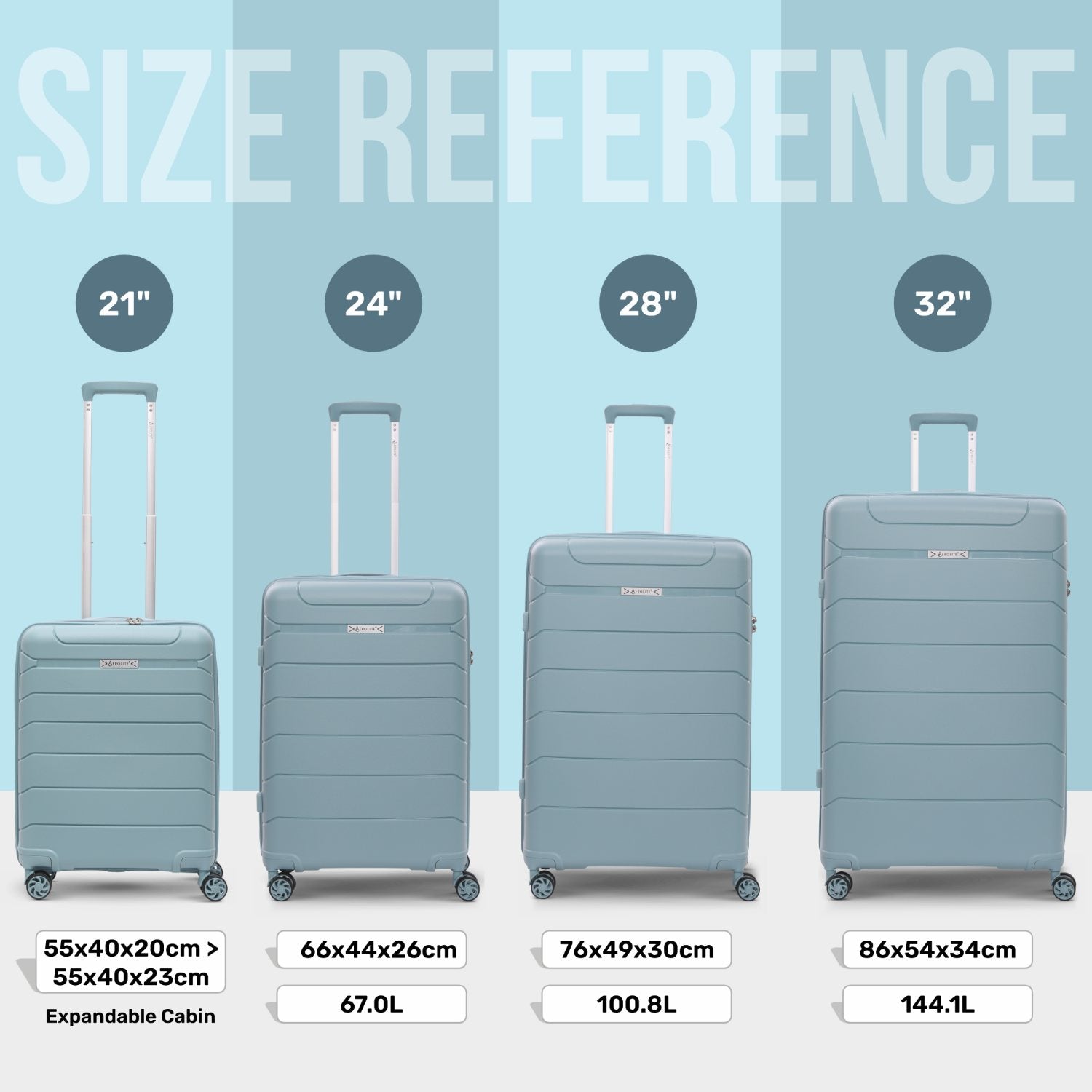
A standard carry-on suitcase usually holds between 35 and 45 liters. This range fits many common cabin bags, including 20-inch and 21-inch rolling suitcases.
The exact capacity changes with the case shape. A boxy suitcase often holds more than a narrow, curved model with thick wheels. Expandable luggage may also reach 45 to 55 liters, but using the extra section can make the bag too large for some airlines.
Here is a simple guide:
| Carry-on suitcase type | Typical capacity |
|---|---|
| Small personal cabin case | 20 to 30 liters |
| Compact international carry-on | 30 to 38 liters |
| Standard carry-on suitcase | 35 to 45 liters |
| Large domestic carry-on | 40 to 48 liters |
| Expanded carry-on | 45 to 55 liters |
These figures are estimates, not universal standards. Luggage brands may measure capacity differently. Some include every internal pocket, while others list only the main compartment.
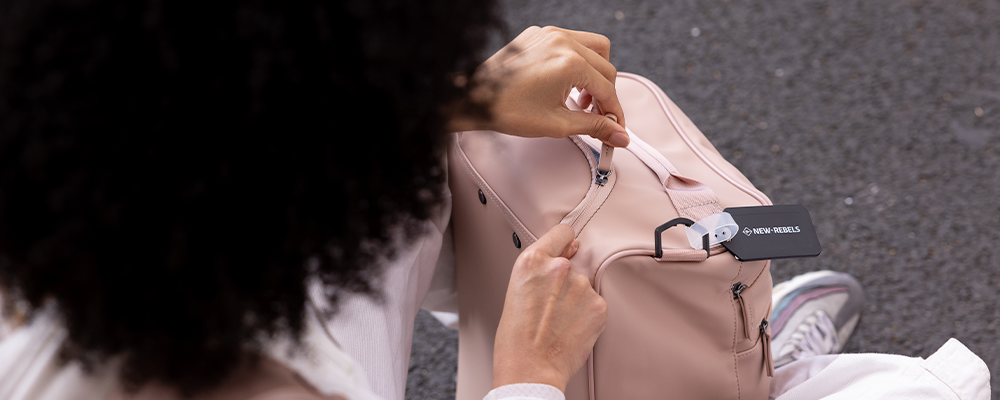
What suitcase size equals 40 liters?
A suitcase with outside dimensions of about 21 x 14 x 9 inches often provides around 40 liters of total volume. The usable packing space may be lower because wheels, handles, frame parts, and lining take up room.
For example, a case listed as 45 liters may give you about 38 to 42 liters for clothing. That is still enough for:
• Three to five days of clothing
• One pair of shoes
• Toiletries in a clear travel bag
• A light jacket
• Small electronics
• Undergarments and sleepwear
A 40-liter suitcase is a useful middle ground. It gives more room than a small under-seat bag but remains compact enough for many overhead bins.
When I test a suitcase for a short trip, I pay more attention to usable space than the advertised liter number. A wide main compartment with flat walls often packs better than a larger case filled with bulky pockets.
How to calculate suitcase capacity in liters
You can estimate suitcase capacity with a basic volume formula:
Length × width × height = cubic inches
Then convert cubic inches to liters:
Cubic inches ÷ 61 = liters
For example, a suitcase measuring 20 x 14 x 9 inches has an outside volume of:
20 × 14 × 9 = 2,520 cubic inches
2,520 ÷ 61 = about 41 liters
This number is only an estimate. The outside measurement includes wheels, handles, corners, and hard-shell walls. The real interior capacity may be 10% to 20% lower.
A more accurate method is to measure the inside compartment. Measure the length, width, and height of the main storage area, then apply the same formula. Do not include empty spaces inside curved corners or outside pockets unless you plan to use them for packing.
Why advertised liters can differ
Luggage companies do not always use one shared testing method. Capacity can be measured by filling a bag with small plastic balls, using digital design software, or calculating the inside dimensions.
This creates small differences between brands. One 40-liter suitcase may feel roomier than another because it has:
• Thinner walls
• A flatter lid
• Smaller wheels
• A recessed handle system
• Fewer internal dividers
• A wider base
For this reason, use liters as a comparison tool, not as the only buying factor.
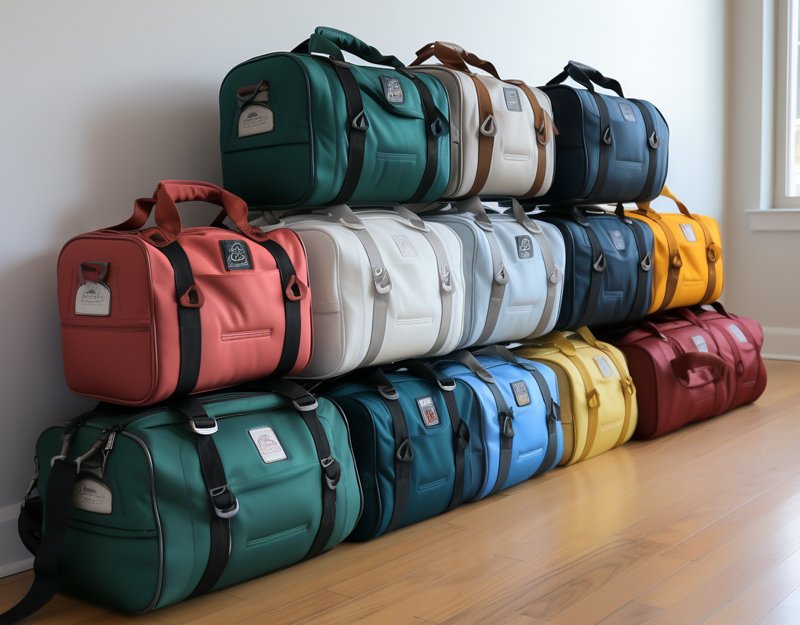
Carry-on suitcase liters by common dimensions
Dimensions are often more useful than liters because airlines check the physical size of your luggage. A bag can have a modest capacity but still fail a size test if its wheels or handle make it too tall.
These are common size and capacity estimates:
| Approximate outside size | Estimated capacity | Common use |
|---|---|---|
| 18 x 14 x 8 inches | 25 to 30 liters | Personal item or short trip |
| 20 x 13 x 8 inches | 30 to 36 liters | Small international carry-on |
| 21 x 14 x 9 inches | 35 to 42 liters | Standard carry-on |
| 22 x 14 x 9 inches | 40 to 48 liters | Larger domestic carry-on |
| 22 x 16 x 10 inches | 48 to 55 liters | Oversized or expanded cabin bag |
These numbers are not exact because suitcase construction differs. A soft-sided bag may offer more flexible packing, while a hard-shell case may protect fragile items better.
A 20-inch carry-on is often around 30 to 40 liters. A 21-inch carry-on usually falls between 35 and 45 liters. A 22-inch model may hold 40 to 50 liters, but it is more likely to exceed stricter airline limits.
Airline carry-on size and liter limits
Airlines usually publish carry-on limits in inches or centimeters, not liters. They may also set a weight limit. The bag must fit within the airline’s maximum dimensions, including wheels and handles.
In the United States, a common carry-on limit is about 22 x 14 x 9 inches. However, limits vary by airline and aircraft. Some carriers allow slightly different measurements, while budget airlines may offer less overhead space or charge for larger cabin bags.
International airlines often use limits near 55 x 40 x 20 centimeters. This equals about 21.7 x 15.7 x 7.9 inches. A suitcase that fits a typical US airline may be too deep for some international flights.
Before packing, check:
• Maximum length, width, and height
• Whether wheels and handles count
• Maximum carry-on weight
• Personal-item rules
• Fees for larger cabin bags
• Special rules for regional aircraft
Do not rely only on the suitcase label. Measure the packed bag yourself. Expansion zippers, full outer pockets, and overpacked fabric can add several inches.
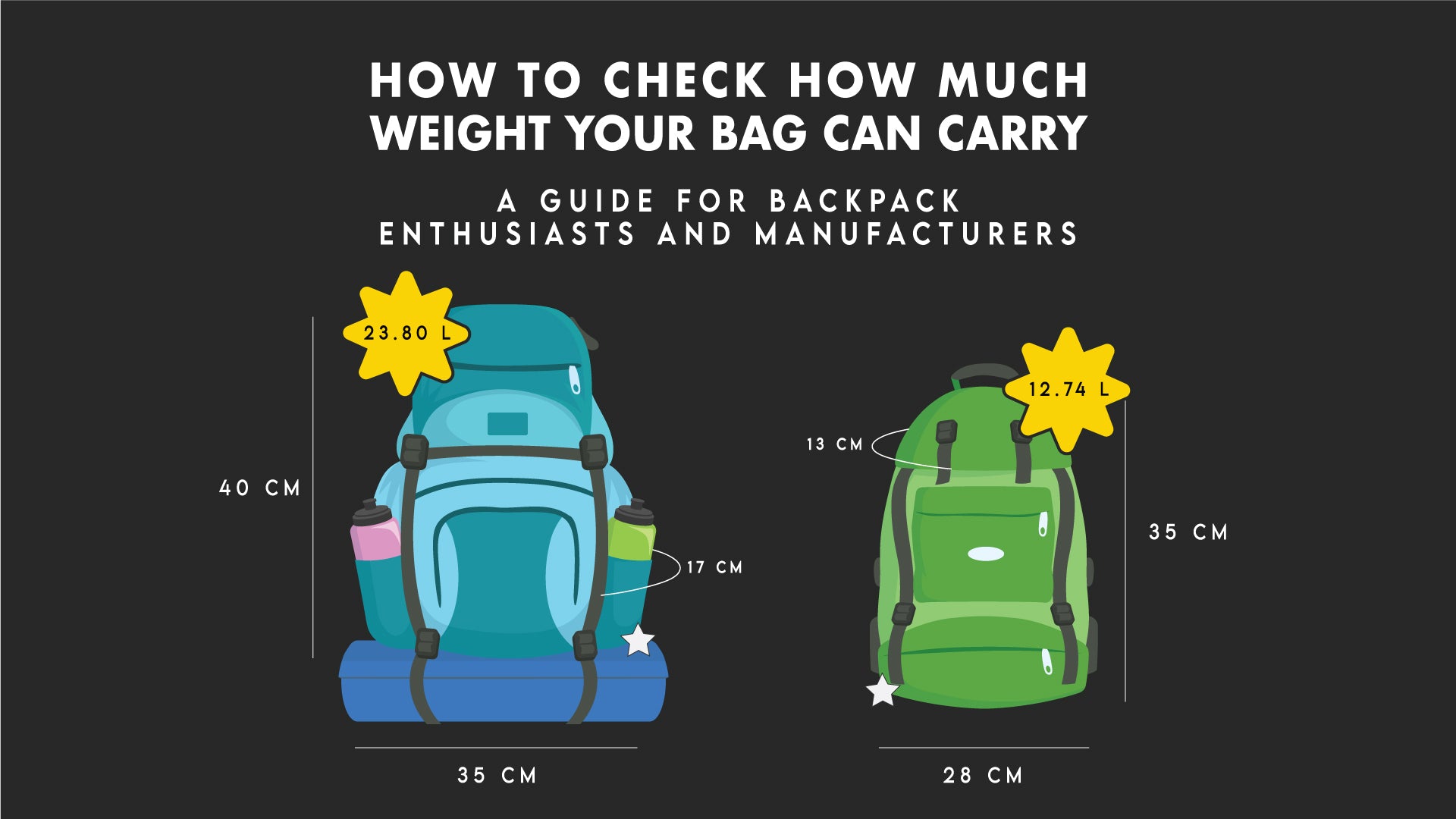
How many liters can fit in a carry-on?
The amount you can fit depends on your clothing, packing method, and trip length. A 35-liter carry-on can work for a week if you pack light and wash clothes. A 45-liter case may feel full after only four days if you carry thick sweaters and extra shoes.
A rough packing guide looks like this:
• 25 to 30 liters: One to three days
• 30 to 38 liters: Three to five days
• 38 to 45 liters: Five to seven days
• 45 to 50 liters: One week with bulky items
• More than 50 liters: Longer trips, but possible airline size problems
These estimates assume normal clothing and one main pair of shoes. Cold-weather travel needs much more space because coats, boots, sweaters, and thicker pants take up room.
A useful rule is to pack for half of your trip, not every possible day. Choose clothing that matches in color and can serve more than one purpose. For example, one light sweater can work for flights, dinners, and cool mornings.
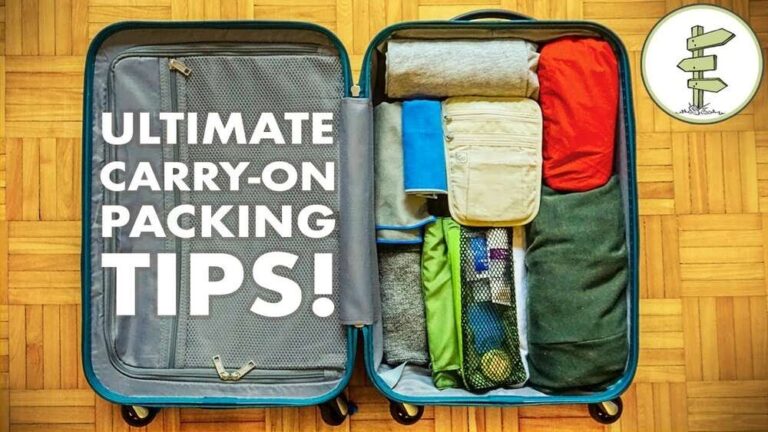
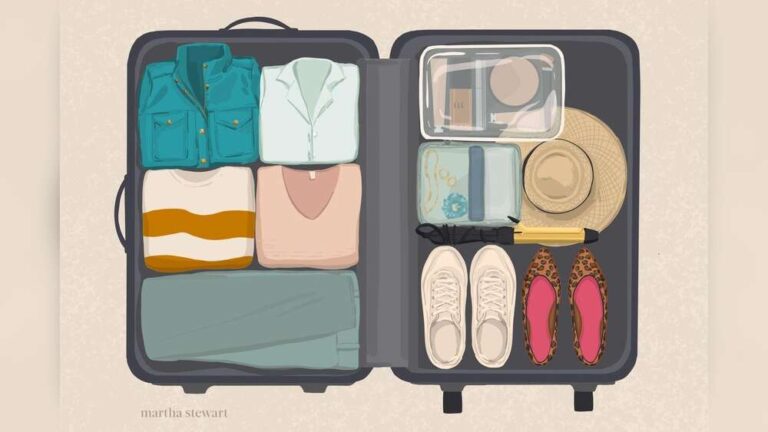
How to pack a 40-liter carry-on suitcase
A 40-liter case becomes much more useful when you pack by category. Start with the largest items, then fill gaps with smaller items.
Try this method:
- Wear your heaviest shoes and jacket on the flight.
- Place shoes in bags near the suitcase wheels.
- Roll soft clothing to reduce gaps.
- Fold structured items, such as dress shirts, near the top.
- Use packing cubes for underwear, shirts, and sleepwear.
- Put chargers and medicine in an easy-to-reach pouch.
- Keep liquids within the required airport limit.
- Leave a small amount of space for souvenirs.
- Weigh the suitcase before leaving home.
- Measure the packed bag if it has an expansion zipper.
Packing cubes do not create extra space. They help organize the space you already have. Compression cubes can reduce clothing volume, but they may make the suitcase heavier and harder to close.
One mistake I often see is packing shoes first and filling them with empty space. Use the inside of shoes for socks, belts, or small accessories. That simple habit can free several inches of useful room.

Hard-shell versus soft-sided carry-ons
A hard-shell carry-on often has a clean shape and strong protection. It can be easier to measure because the walls stay firm. However, the shell, frame, and center divider may reduce usable interior space.
A soft-sided suitcase may offer more flexible storage. Outside pockets give quick access to documents, a tablet, or a light sweater. The fabric can also expand slightly, but an overfilled soft bag may not fit in the overhead bin.
Consider these differences:
Hard-shell luggage
• Better protection for fragile items
• Smooth surfaces that resist some stains
• Often opens like a book
• May have less flexible packing space
• Can be heavier in some designs
Soft-sided luggage
• Flexible walls
• Useful outside pockets
• Easier access while traveling
• May offer more practical packing space
• Can sag or exceed size limits when full
The best choice depends on how you travel. If you carry fragile electronics, a hard shell may help. If you need quick access during a business trip, a soft-sided case may be more convenient.
Is a 45-liter suitcase too big for a carry-on?
A 45-liter suitcase is not automatically too big. Many 45-liter bags fit standard domestic carry-on measurements, especially when the listed capacity includes pockets and curved spaces.
The risk comes from the outside dimensions. A 45-liter suitcase measuring 22 x 14 x 9 inches may fit one airline’s limit but fail another airline’s stricter test. An expanded 45-liter bag may also become too deep when full.
Check the dimensions with every part included. Pay special attention to:
• Wheel height
• Handle housing
• Front laptop pocket
• Expansion panel
• Side grips
• Protective corner pieces
If you want the safest option, choose a non-expanded carry-on close to 20 or 21 inches tall. It may hold slightly less, but it gives you a better chance of fitting in international overhead bins.
Carry-on capacity for different types of trips
The right suitcase capacity depends on the trip, not just the number of days. A beach vacation may require less space than a three-day business trip because sandals and light clothes pack small. A winter city trip may require a larger bag even for a short stay.
Weekend trip
A 25 to 35-liter bag is often enough for a weekend. Pack two outfits, sleepwear, toiletries, one extra layer, and one pair of spare shoes.
Business trip
A 30 to 40-liter suitcase works well for a short work trip. Leave room for a laptop, documents, a blazer, and shoes that will not wrinkle your clothes.
One-week warm-weather trip
A 35 to 45-liter carry-on can usually handle a week of light clothing. Use thin fabrics, repeat outfits, and wash small items during the trip.
Winter trip
A 45-liter case may be useful, but bulky coats should be worn rather than packed. Boots and thick sweaters quickly consume space.
Family travel
Families often need more than one carry-on. Do not overfill one large case if its dimensions exceed airline limits. Two smaller bags can be easier to lift, organize, and fit in overhead bins.
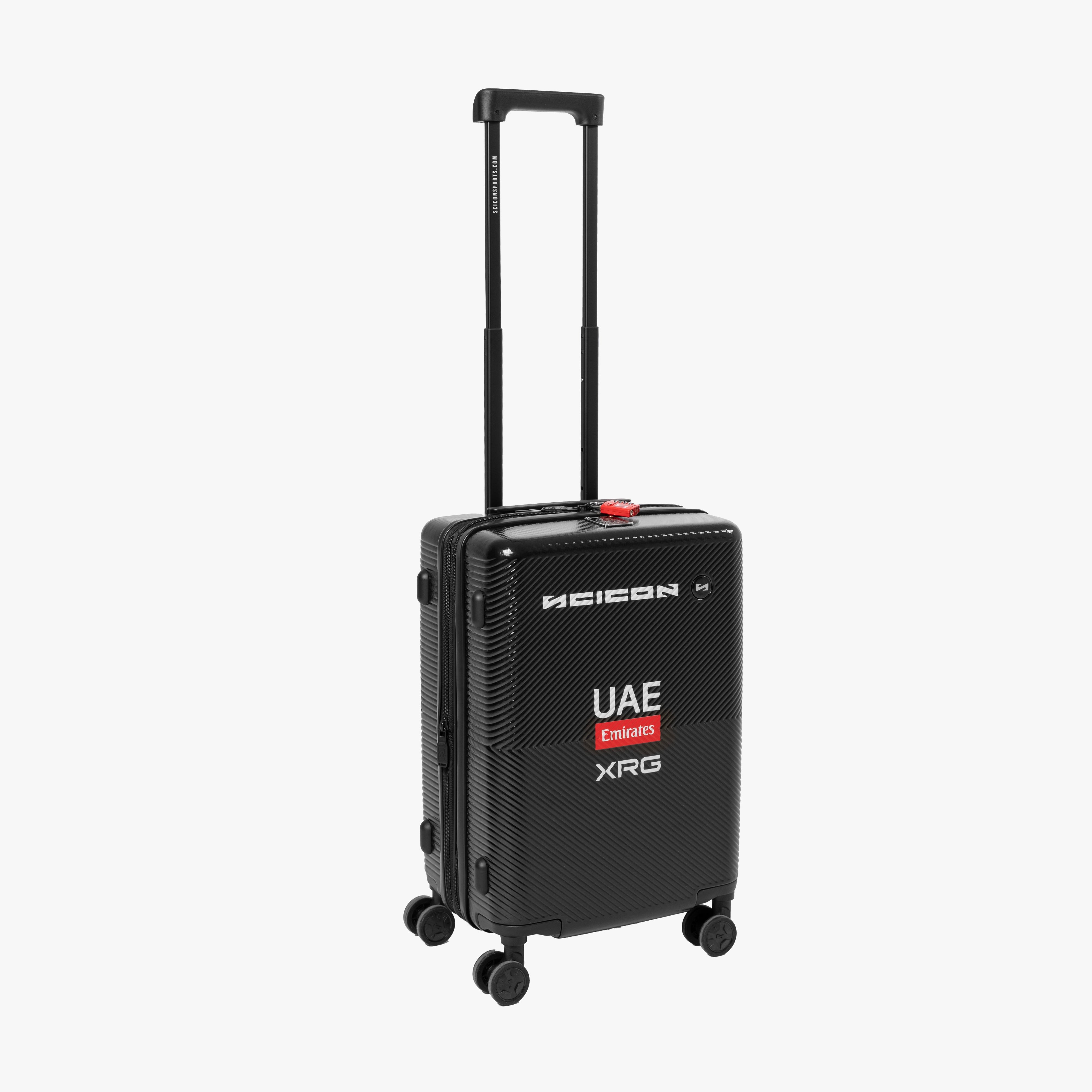
Common mistakes when choosing carry-on liters
Many travelers focus on the largest possible capacity. That can lead to a suitcase that is difficult to lift or too large for the aircraft.
Avoid these mistakes:
• Buying by “20-inch” or “22-inch” labels alone
• Ignoring wheels and handles in measurements
• Assuming liters equal usable interior space
• Using the expansion zipper for every trip
• Forgetting the airline’s weight limit
• Packing several pairs of shoes
• Choosing a heavy suitcase with little interior room
• Failing to check regional aircraft rules
Weight matters as much as volume. A large suitcase is not useful if the empty case weighs 10 pounds and leaves little allowance for your belongings.
Also consider handle comfort and wheel quality. A suitcase that rolls smoothly through a busy airport can feel better than one with five extra liters. Capacity is important, but ease of use can make or break a travel day.
How to choose the best carry-on suitcase capacity
Start with the airline you use most often. Look up its current carry-on dimensions and compare them with the suitcase’s full outside measurements.
Then think about your packing habits. If you travel with light clothes and few gadgets, 30 to 35 liters may be enough. If you carry business clothing, camera gear, or cold-weather items, look for 40 to 45 liters while staying within the airline’s size limit.
Use this checklist:
• Select dimensions that match your airline
• Aim for 35 to 45 liters for general travel
• Check the empty suitcase weight
• Compare interior dimensions, not just labels
• Look for strong wheels and a stable handle
• Choose a layout that matches your items
• Avoid expansion unless the airline allows it
• Read recent product reviews for real packing results
The ideal carry-on is like a well-planned kitchen. Every tool has a place, and nothing blocks the door. A smart layout often matters more than a bigger number on the product page.
Frequently Asked Questions About How Many Liters Is a Carry-On Suitcase
Is a 30-liter suitcase enough for a carry-on?
Yes, a 30-liter suitcase can work for a short trip, especially in warm weather. It usually holds two to four days of light clothing, toiletries, and a small pair of shoes.
Is a 40-liter suitcase a good carry-on size?
A 40-liter suitcase is a strong all-purpose choice for many travelers. It can hold several days of clothing while often staying close to common carry-on dimensions.
Is a 50-liter suitcase allowed as a carry-on?
A 50-liter suitcase may be allowed if its outside dimensions meet the airline’s limit. Capacity alone does not decide approval, so check the total size and weight before flying.
How many liters is a 20-inch carry-on suitcase?
A 20-inch carry-on usually holds about 30 to 40 liters. Its exact capacity depends on the width, depth, wheel design, shell thickness, and interior layout.
How many liters is a 22-inch carry-on suitcase?
A 22-inch carry-on often holds about 40 to 48 liters. Some models may exceed airline limits, especially when they have large wheels or an expanded front compartment.
Do airlines measure carry-ons in liters?
Most airlines list carry-on limits in inches or centimeters rather than liters. Travelers should compare the bag’s full outside dimensions and weight with the airline’s published rules.
Does a higher liter capacity mean a better suitcase?
Not always. A suitcase with fewer liters may have better usable space, lighter construction, stronger wheels, and a layout that suits your packing style.
Conclusion
Most carry-on suitcases hold between 35 and 45 liters, but dimensions matter more than the liter number at the airport. A 40-liter case is a practical choice for many trips, while 30 liters suits light packers and 45 liters offers extra room for longer or colder journeys.
Measure the suitcase with its wheels and handles included, check your airline’s current rules, and weigh the packed bag before leaving home. Choose useful space over impressive capacity, then pack only what you will truly use. Compare reliable carry-on options, test your packing system, and share your favorite travel tips with fellow travelers.

Zayden Halbrook is a travel enthusiast and gear researcher passionate about making every journey smoother and more enjoyable. With a keen eye for practical travel essentials and real-world tips, he helps readers choose the right gear and travel smarter. When he’s not testing travel kits or exploring new destinations, Zayden shares simple, reliable advice to make every trip stress-free.