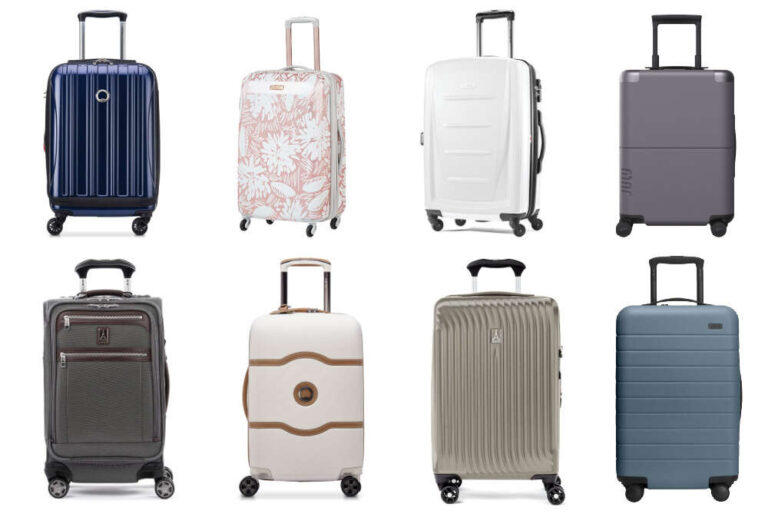
Most airlines do not prefer hard or soft luggage; they care more about size, weight, strength, and safe handling.
So, do airlines prefer hard or soft luggage? The honest answer is more practical than surprising: airlines are built to handle both types. After years of comparing luggage at check-in desks, baggage claims, and crowded airport carousels, I have found that the best choice depends on how you travel, what you pack, and how much protection you need.

Do airlines prefer hard or soft luggage?
Airlines generally do not favor one luggage type over the other. Their baggage systems are designed to move suitcases of many shapes and materials. A hard-shell suitcase and a soft-sided suitcase can both travel safely when they meet the airline’s size and weight rules.
For airlines, the main concerns are:
• The bag fits within the allowed dimensions.
• The bag stays under the weight limit.
• The handles, wheels, and zippers are secure.
• The luggage can move through sorting systems without creating a safety problem.
• The suitcase does not contain restricted items.
This means the question “do airlines prefer hard or soft luggage?” has no single answer for every trip. Airlines may accept both, but one style may work better for you.
A durable suitcase is like a good pair of walking shoes. It does not need to look perfect. It needs to handle pressure, movement, and long days without failing.

Why airlines accept both hard and soft luggage
Modern airports use conveyor belts, baggage carts, screening machines, and aircraft cargo holds. These systems must handle many types of bags each day. Suitcases may be lifted, pushed, stacked, and turned during the journey.
Hard luggage has a firm outer shell. Soft luggage uses fabric, such as nylon or polyester, around a flexible frame. Both designs can pass through airport systems if they have strong wheels, stable handles, and secure closures.
Airlines also focus on safety rules rather than appearance. A suitcase that is slightly damaged but still safe may continue its journey. However, a bag with a broken handle, loose strap, or exposed contents may need special attention.
This is why airlines do not usually publish a rule saying passengers must use hard or soft luggage. Instead, each airline sets rules for:
• Carry-on size
• Checked baggage size
• Weight limits
• Number of bags
• Oversize and overweight fees
• Special equipment and fragile items
Always check the current baggage policy before flying. Rules can differ by airline, route, fare type, and aircraft.
src="https://nasaden.us/cdn/shop/articles/5_a082ee71-0f32-45b2-a54c-912fe70944e9.jpg?v=1749457009&width=533"
alt="Hard luggage: benefits and drawbacks for air travel”
style=”max-width: 100%; height: auto; border: 2px solid black; border-radius: 10px; display: block; margin: 0 auto;”
loading=”lazy”
/>
Hard luggage: benefits and drawbacks for air travel
Hard-shell luggage is often made from polycarbonate, ABS plastic, polypropylene, or aluminum. Each material behaves differently, so “hard luggage” is not one single category.
Benefits of hard luggage
Hard luggage offers strong protection for items inside. Its firm shell can help shield clothing, shoes, electronics, and gifts from pressure. This can be useful when other bags are stacked on top of your suitcase.
Hard cases also resist water better than many fabric bags. A short period on a wet airport ramp may not be a serious problem. Many hard cases have a smooth surface that is easy to wipe clean.
Other benefits include:
• A structured shape that is easy to stack
• Good protection for fragile items
• Simple cleaning after a trip
• Less chance of fabric tears
• A modern design with many color options
Some hard cases also have a built-in lock. However, travelers should use a lock approved for airport security screening when required. A lock does not make a suitcase theft-proof, but it can help keep the case closed.
Drawbacks of hard luggage
Hard cases can crack when they receive a strong impact. This risk depends on the material, shell thickness, construction, and temperature. A cheap ABS case may be more likely to crack than a quality polycarbonate case.
Hard luggage can also be difficult to expand. Once it is full, there may be little room for souvenirs. Some hard cases open down the middle, which means they need more floor space when packed or opened.
Common drawbacks include:
• Scratches and scuff marks
• Cracks after severe impact
• Less outside storage
• Limited flexibility when overpacked
• More difficulty fitting into tight spaces
In my experience, a hard suitcase often arrives looking more worn than expected. Scratches do not always mean the case is weak. Airport baggage systems can be rough, and cosmetic marks are normal for checked bags.
When asking “do airlines prefer hard or soft luggage?” remember that airlines do not promise that either style will remain scratch-free. The baggage journey is a working environment, not a showroom.

Soft luggage: benefits and drawbacks for air travel
Soft-sided luggage is usually made from nylon, polyester, canvas, or a similar fabric. It may have an internal frame, padded walls, and several outside pockets.
Benefits of soft luggage
Soft luggage is flexible. It can squeeze into a tight trunk, a crowded overhead bin, or a small hotel room. This flexibility is one reason many frequent travelers still choose fabric suitcases.
Soft bags also tend to offer more pockets. You may find space for a passport, charger, water bottle, jacket, or travel documents without opening the main compartment.
Key benefits include:
• Flexible sides
• More outside pockets
• Easy access to small items
• Often lighter than some hard cases
• Greater ability to fit into narrow spaces
• Expandable sections on many models
Soft luggage can be very practical for business trips. A front pocket may hold a laptop or folder, while the main compartment stores clothing. This design can save time during security checks or hotel arrivals.
Drawbacks of soft luggage
Fabric bags may absorb water if they do not have a water-resistant coating. They can also show dirt and may tear if caught on a sharp edge. A soft case may offer less protection for fragile objects.
Overpacking is another issue. An expandable soft bag can tempt you to add more items than the airline weight limit allows. The bag may close easily but still cost you an overweight fee at the airport.
Possible drawbacks include: