Will soda cans explode in checked luggage? Usually not, but pressure, heat, and rough handling can cause leaks.
As a travel writer who has researched baggage rules and packing risks, I know why this question worries people. Will soda cans explode in checked luggage? The short answer is that a true explosion is rare, yet crushed cans, leaking seams, and sticky clothes are real risks. This guide explains what causes problems and how to pack soda safely.

Can soda cans explode in checked luggage?
Most sealed soda cans do not explode in checked luggage. They are built to hold pressure from carbon dioxide, and commercial cans go through quality checks before sale.
Still, the cans can leak or burst under unusual conditions. The main risks are:
• High heat inside a parked aircraft or baggage area
• Severe pressure changes
• Rough handling and heavy luggage placed on top
• A dent, weak seam, or damaged pull tab
• Freezing, which can make the liquid expand
A modern passenger aircraft has a pressurized cargo hold. The pressure is lower than at sea level, but the change is not usually enough to make a healthy soda can burst. In most cases, the can itself is at greater risk from impact than from altitude.
So, will soda cans explode in checked luggage? They might in rare cases, but leaking or denting is far more likely than a dramatic explosion.
Why pressure affects carbonated drinks
Soda contains dissolved carbon dioxide. That gas creates pressure inside the can. When the can warms up, the gas becomes more active, and the internal pressure can rise.
Think of a soda can as a small spring. It can handle normal stress, but heat and damage reduce its safety margin.
Several factors matter:
Temperature
Warm soda has more pressure than cold soda. A hot baggage area may increase stress on the can, especially if it sits in direct sun or near a heat source.
Cabin pressure
Checked bags travel in a pressurized section of the aircraft. The pressure change is real, but it is gradual and usually modest. Healthy, undamaged cans normally tolerate it.
Freezing
Frozen soda is a bigger concern than ordinary altitude changes. Water expands when it freezes, and soda contains a large amount of water. A frozen can may swell, split, or leak as it thaws.
Physical damage
A dent can weaken the metal. A sharp dent near the top, bottom, or seam deserves special attention. One damaged can may fail even when every other can remains fine.
This explains why will soda cans explode in checked luggage is not a simple yes-or-no question. Pressure matters, but temperature and impact often matter more.

What happens to soda cans during air travel?
Checked baggage passes through several stages. It may be loaded onto a cart, moved by a conveyor, placed in a container, and stacked with other bags.
The bag may also sit outdoors for a short time. Weather, airport delays, and the type of aircraft can affect the conditions. These changes are usually safe for sealed drinks, but they can expose weak cans to extra stress.
Possible outcomes include:
• No change at all
• A small dent
• A loose or leaking seam
• A can that sprays when opened
• A sticky spill inside the suitcase
• A burst can that damages clothing or electronics
A soda can that leaks is more common than one that explodes. The liquid can spread through fabric and reach passports, chargers, shoes, or other bags.
Will soda cans explode in checked luggage after a normal flight? In most cases, no. However, a can that was already damaged before the flight may fail during handling.
Are soda cans allowed in checked luggage?
In the United States, ordinary nonalcoholic soda is generally allowed in checked luggage. Transportation security rules usually permit beverages in checked bags, although officers may inspect baggage when needed.
Airlines can still apply their own packing or weight rules. International flights may also involve customs limits, especially if you carry a large quantity for sale or commercial use.
Before packing soda, check:
• The airline’s baggage rules
• The departure and arrival country’s customs rules
• Weight limits for checked luggage
• Restrictions for special or unusual beverages
Do not confuse soda with alcoholic drinks. Alcohol has separate rules based on alcohol content, container size, and quantity.
Will soda cans explode in checked luggage under airline rules? Permission to carry them does not guarantee that the cans will arrive without damage. It only means ordinary soda is usually not treated as a prohibited dangerous item.

How to pack soda cans in checked luggage
Good packing lowers the chance of leaks and protects the rest of your belongings. Use a strong suitcase with enough room to avoid crushing the cans.
Follow these steps:
-
Inspect every can. Do not pack cans with sharp dents, bulges, rust, or damaged tabs.
-
Keep cans in their original cardboard tray when possible. The tray helps prevent movement.
-
Place the tray inside two strong, leak-resistant plastic bags.
-
Remove extra air from the bags, then seal them tightly.
-
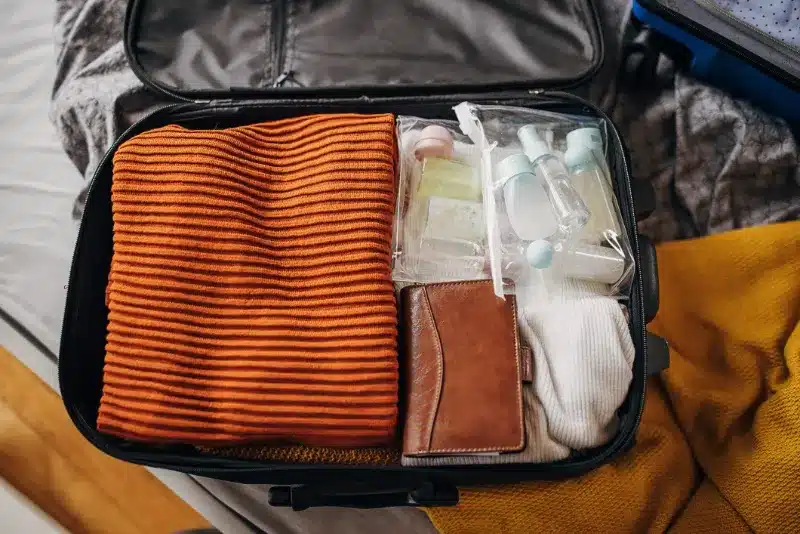
Wrap the bagged cans in clothing or a towel. This adds padding.
-
Put them in the center of the suitcase, away from the outer walls.
-
Keep cans away from laptops, cameras, passports, medicine, and other items that water can damage.
-
Do not overfill the suitcase. Excess pressure from packed items may crush the cans.
-
Add a note or label if the bag contains liquids. This will not prevent damage, but it may help during inspection.
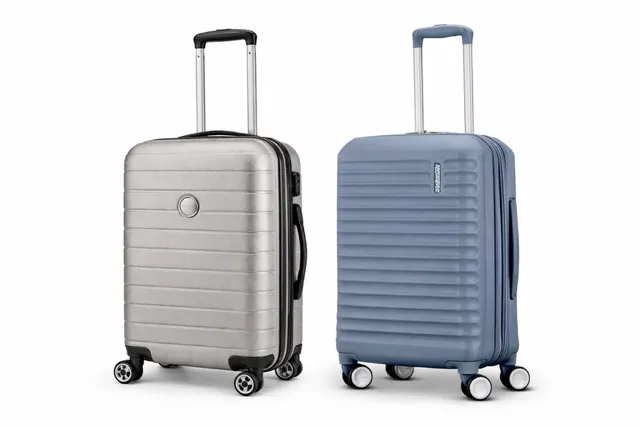
A hard-sided suitcase offers more protection from impact. A soft suitcase can work if the cans are well padded and not pressed against sharp objects.
How many soda cans should you pack?
There is no universal number that guarantees safety. The more cans you carry, the greater the chance that one will leak and the more weight you add.
A standard 12-ounce can weighs about 13 ounces when full. A 12-pack can therefore add roughly 10 pounds, before you count the box and packing material.
For many travelers, a few cans are reasonable. A full case may be less practical because it:
• Uses valuable luggage space
• Adds significant weight
• Increases spill damage