For most campers, hammock camping below 40°F is too cold without strong insulation and cold-weather skills.
Knowing how cold is too cold for hammock camping can make the difference between a cozy night and a dangerous one. The air temperature matters, but wind, humidity, sleeping gear, and insulation beneath your body matter just as much. This guide explains safe temperature ranges, common mistakes, tested gear strategies, and clear signs that you should sleep somewhere warmer.
How Cold Is Too Cold for Hammock Camping?
There is no single temperature that is too cold for every hammock camper. Your experience, shelter, sleep system, wind protection, and personal tolerance all change the answer.
As a simple guide:
• Above 50°F: Comfortable for most people with a sleeping bag or quilt and a light pad.
• 40°F to 50°F: Cool but manageable with a good underquilt or insulated sleeping pad.
• 30°F to 40°F: Cold-weather hammock camping begins. Strong insulation is essential.
• 20°F to 30°F: Suitable for experienced campers with a well-tested winter sleep system.
• Below 20°F: High-risk for beginners. Small gear problems can lead to rapid heat loss.
• Below 10°F: Best left to skilled winter campers with reliable shelter, insulation, and backup plans.
For many beginners, 40°F is a sensible lower limit. More experienced hammock campers may sleep safely at 20°F or lower, but only with gear designed for those conditions.
The hammock itself does not keep you warm. In fact, compressed insulation under your body loses much of its value when you lie on it. That is why a sleeping bag alone often fails in a hammock.
Why Hammocks Feel Colder Than Tents
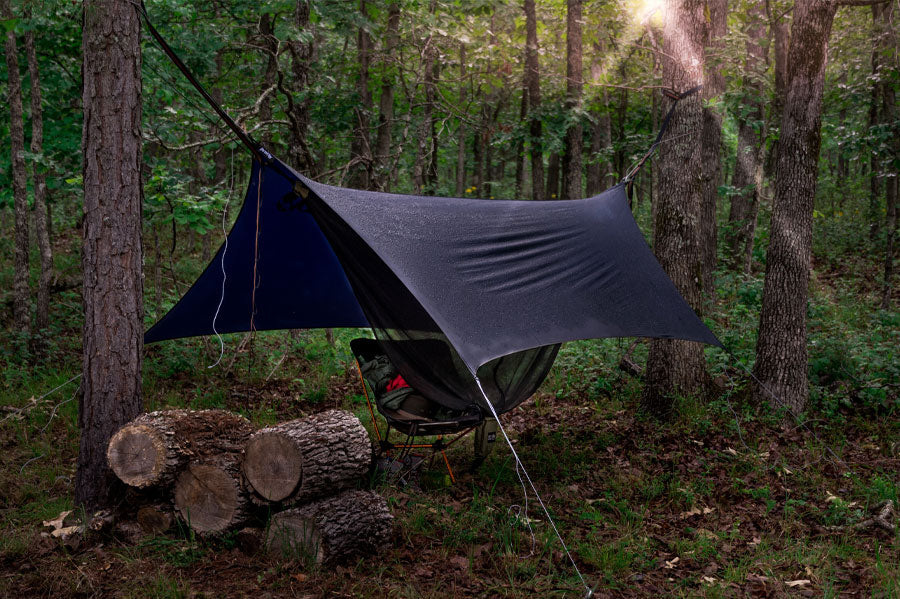
A hammock lifts your body off the ground, so cold air can move beneath you. This airflow removes heat from your back and legs. The effect can feel like sleeping on a cold bridge with wind passing below.
In a tent, the ground can provide some insulation. A hammock has no warm ground contact. The fabric may also press your sleeping bag against your body, flattening the insulation and creating cold spots.
Three factors make hammocks feel especially cold:
• Air movement: Wind can pass under the hammock and carry heat away.
• Compressed insulation: Down and synthetic fill work poorly when crushed under your body.
• Moisture: Damp air, wet clothing, and condensation can reduce warmth and comfort.
The most common mistake is protecting only the top of the body. Campers bring a warm sleeping bag but skip the underquilt. They then wake with a cold back, hips, and shoulders.
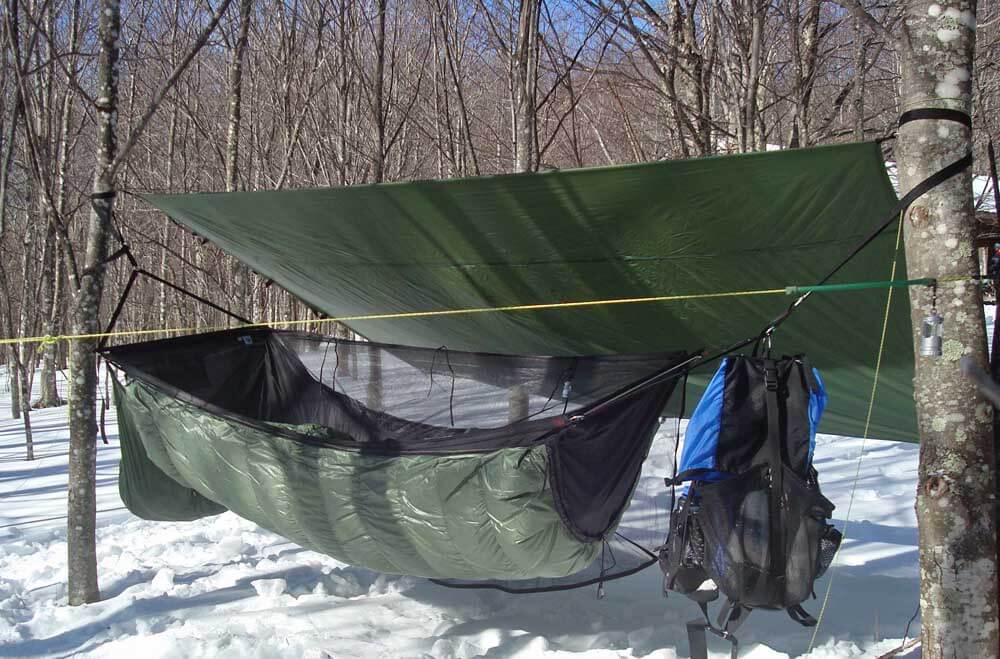
The best hammock sleep system protects both sides of your body. Think of it as a warm sandwich: top insulation, your body in the middle, and bottom insulation underneath.

The Most Important Factor: Underbody Insulation
Underbody insulation is the key to safe cold-weather hammock camping. It prevents heat from escaping through the hammock fabric and shields you from moving air.
You have three main options.
Hammock Underquilts
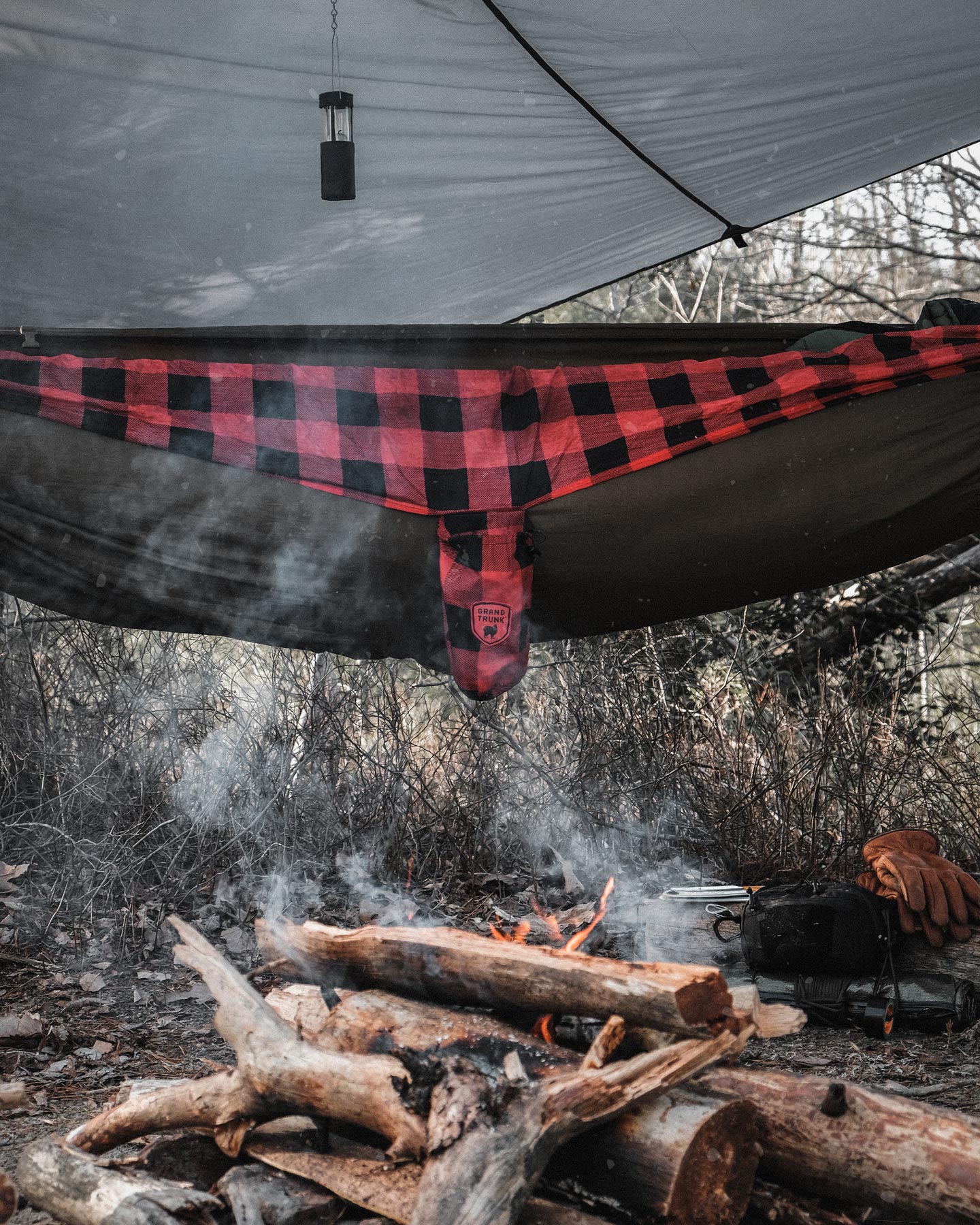
An underquilt hangs beneath the hammock. It does not get compressed by your body, so it keeps its loft and traps warm air.
A well-fitted underquilt should:
• Cover your shoulders to your feet.
• Sit close to the hammock without being tightly compressed.
• Block drafts along both sides.
• Match the expected temperature range.
Many underquilts have a temperature rating, such as 20°F or 30°F. Treat that rating as a guide, not a guarantee. Your metabolism, clothing, wind exposure, and sleeping position still matter.
Insulated Sleeping Pads
A closed-cell foam pad or insulated air pad can work well in a hammock. A pad with an R-value of 4 or higher is often useful around freezing, while colder trips may require a higher R-value.
Pads can slide during the night. Some hammock-specific pads have wings or a shape that fits the hammock better. A standard backpacking pad may work, but test it before relying on it in cold weather.
Layered Insulation
Some campers use a thin foam pad with an underquilt. This adds protection against cold spots and provides a backup if the underquilt shifts.
For temperatures near or below freezing, a layered system is often more forgiving than a single piece of insulation.
Temperature Ratings and the Sleep System
Sleeping bag ratings can be confusing. A bag marked 20°F does not always mean every person will sleep comfortably at 20°F.
Many modern sleeping bags follow laboratory standards that separate comfort, limit, and extreme ratings. The comfort rating is the temperature at which a typical cold sleeper may feel comfortable. The lower-limit rating describes a colder position for a warmer sleeper. The extreme rating is not a practical camping target.
When planning a hammock trip, use the comfort rating as your safer reference. Then add a margin for wind, dampness, fatigue, and personal comfort.
A good rule is to choose insulation rated at least 10°F lower than the forecast. For example, if the forecast is 30°F, a 20°F sleep system gives you more protection than a 30°F system.
The temperature rating should apply to the whole setup:
• Sleeping bag or top quilt.
• Underquilt or sleeping pad.
• Hammock tarp.
• Clothing layers.
• Wind protection.
A 20°F sleeping bag with a weak underquilt is not a 20°F hammock system. The coldest part of the setup controls your comfort.
How Wind Changes the Answer
Wind can make hammock camping feel much colder than the thermometer suggests. Wind chill measures how cold exposed skin may feel, but it does not directly change the actual air temperature or the rating of your sleeping bag.
Still, wind matters because it increases heat loss. A hammock suspended in an open area can feel colder than one placed in a sheltered forest.
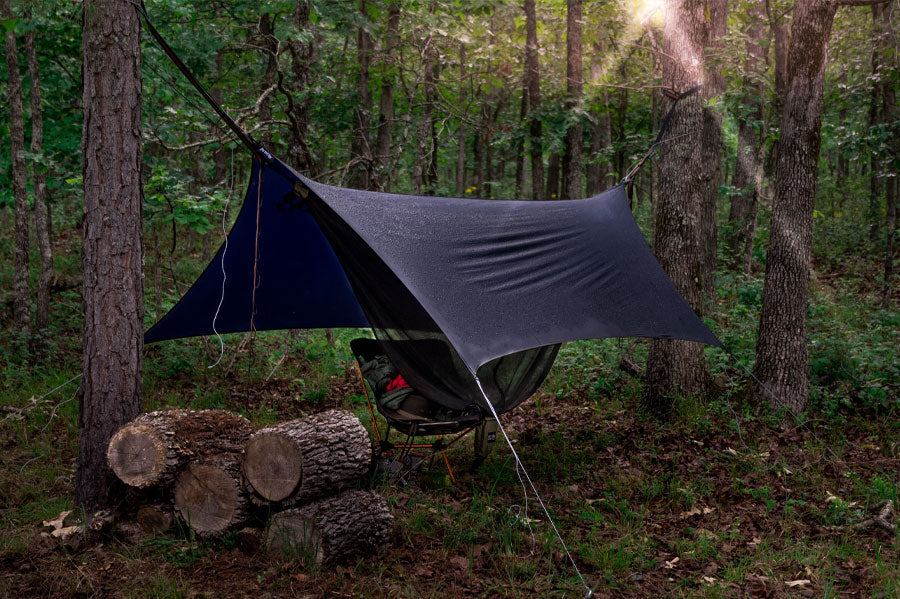
Use your tarp as a wind barrier, not just as rain cover. Pitch it low on the windward side while leaving enough space for ventilation. A tarp with doors gives better protection in strong wind.
Before setting up, look for:
• Dense trees that block the main wind direction.
• A site away from ridgelines and exposed clearings.
• No dead branches above the hammock.
• Firm trees with safe spacing.
• Ground that is not prone to flooding.
I once made the mistake of choosing a scenic, open campsite because it offered a great view. The forecast was mild, but the wind moved under the hammock all night. The lesson was simple: a sheltered site can be as valuable as a warmer sleeping bag.

What to Wear in a Cold Hammock
Wear dry, loose layers for sleep. Your clothing should add warmth without compressing your sleeping bag or restricting blood flow.
Useful layers include:
• A dry base layer made from wool or synthetic fabric.
• Warm socks reserved only for sleeping.
• A fleece or light insulated layer.
• A warm hat or hood.
• Dry gloves or mitts in very cold weather.
Avoid cotton. Cotton absorbs moisture and dries slowly, which can make you colder. Change out of damp hiking clothes before bed, even if they do not feel very wet.
Do not wear so many thick layers that your sleeping bag becomes tight. Compressed insulation traps less air. A loose sleep system usually works better than a heavily packed one.
Your feet may need extra care. A small foam pad under your feet, loose down booties, or a dedicated foot box can help. Make sure footwear is dry before bedtime.

How to Prepare for Hammock Camping Below Freezing
Cold-weather preparation should start before you leave home. Test your complete sleep system in your backyard or near your vehicle. A short test can reveal gaps that would be dangerous on a remote trip.
Use this preparation plan:
-
Check the forecast for air temperature, wind, rain, and humidity.
-
Confirm that your underquilt or pad matches the expected temperature.
-
Inspect your sleeping bag or quilt for damage and moisture.
-
Practice pitching the tarp low and tight.
-
Pack dry sleep clothes in a waterproof bag.
-
Carry an emergency blanket or extra insulating layer.
-
Tell someone where you are going and when you will return.
-
Choose a campsite with an easy exit if conditions worsen.
Bring more fuel than usual if you plan to cook hot drinks. Warm food and drinks can improve comfort, but they cannot replace proper insulation.
Never use a stove, heater, candle, or open flame inside a hammock or enclosed tarp. Carbon monoxide and fire can become deadly very quickly.
Signs That It Is Too Cold for Your Setup
Your body gives useful warnings. Do not ignore them because you want to complete the trip.
Move to a warmer shelter or add safe insulation if you notice:
• Persistent shivering that does not improve.
• Numb fingers, toes, ears, or cheeks.
• Confusion or unusual drowsiness.
• Slurred speech.
• Poor balance or clumsy movement.
• Weakness or trouble staying awake.
Shivering is an early warning sign. If it continues, your body is struggling to create enough heat. Hypothermia can develop even when temperatures are above freezing, especially when clothing or sleeping gear is wet.
If someone shows confusion, extreme sleepiness, or loss of coordination, treat it as an emergency. Get the person out of the cold, replace wet layers, add dry insulation, and seek medical help.
Do not rely on alcohol to stay warm. It can create a false feeling of heat while increasing the risk of dangerous heat loss.

Common Mistakes in Cold Hammock Camping
Many cold nights come from small setup errors rather than poor-quality gear.
Skipping the Underquilt
This is the most serious beginner mistake. A warm top quilt cannot protect your back from cold air moving beneath the hammock.
Choosing a Rating Without a Safety Margin
Using a 30°F quilt at 30°F may leave no room for wind, dampness, or personal comfort. Choose a lower rating when possible.
Setting Up Too Tightly
An over-tight underquilt can lose loft. It may also create gaps at your shoulders and feet. Adjust it until it touches the hammock lightly without being crushed.
Leaving Draft Gaps
Cold air can enter at the head, shoulders, and foot ends. Use draft collars, a snug underquilt, and a tarp that blocks wind.
Wearing Wet Clothes to Bed
Even a little moisture can reduce warmth. Keep one dry clothing set for sleeping.
Trusting a Mild Afternoon
A warm afternoon can change into a cold night. Check the overnight low, not just the daytime high.
Testing New Gear on a Remote Trip
Try unfamiliar gear close to home first. This is one of the easiest ways to prevent a miserable or unsafe night.

A Practical Temperature Guide
The following ranges offer a useful starting point. They are not guarantees, since people sleep at different temperatures.
Above 50°F
A sleeping bag or top quilt plus a light pad may be enough. An underquilt still improves comfort, especially in wind.
40°F to 50°F
Use a proper underquilt or an insulated sleeping pad. A tarp with some wind protection is wise.
30°F to 40°F
Use a cold-rated underquilt, warm top insulation, and dry sleep clothing. Test the system before traveling far.
20°F to 30°F
Use a well-matched winter sleep system with strong draft control. Add a foam pad or backup insulation if you are unsure.
Below 20°F
This range requires experience, careful site selection, reliable weather information, and a backup plan. Beginners should consider a tent, cabin, or vehicle-supported camp instead.
The answer to how cold is too cold for hammock camping is therefore personal, but not unlimited. Gear can extend your range, yet it cannot remove the risks of wind, moisture, equipment failure, or poor judgment.
Is a Tent Safer in Very Cold Weather?
A tent is not automatically warmer, but it may be easier to protect from wind and ground-level drafts. You can also use a thick sleeping pad without worrying about it sliding or bending inside a hammock.
A hammock can be an excellent cold-weather shelter when properly insulated. It keeps you away from wet ground, snow, mud, and uneven surfaces. It can also provide better ventilation and comfort for some sleepers.
A tent may be the better choice when:
• Strong wind is expected.
• Heavy snow could load the tarp.
• You lack a tested underquilt.
• You are camping far from help.
• Temperatures may fall below your gear rating.
Choose the shelter that matches your skill level and equipment. Comfort matters, but safety matters more.
How to Stay Warm Without Overheating
It is possible to become too warm, sweat, and then feel cold later. Moisture inside your clothing or sleeping bag reduces insulation.
Start the night slightly cool. Add layers as needed. Keep the tarp ventilated enough to reduce condensation, but block direct wind.
A few simple habits help:
• Eat a warm meal before bed.
• Drink enough water.
• Avoid sweating while setting up.
• Keep your water bottle inside the hammock if freezing is likely.
• Use a hot water bottle only if it is sealed tightly.
• Place the bottle near your core or feet, with a cover around it.
Do not boil water inside the hammock. Prepare it outside, then bring it in carefully.
Frequently Asked Questions
How cold is too cold for hammock camping for beginners?
For most beginners, temperatures below 40°F are a reasonable point to avoid unless they have a tested cold-weather system. Start in mild conditions and learn how your underquilt, top insulation, tarp, and clothing work together.
Can you hammock camp in 30-degree weather?
Yes, you can hammock camp at 30°F with a suitable underquilt, warm top quilt or sleeping bag, wind protection, and dry clothing. Test the system before using it in a remote location.
Do you need an underquilt for cold-weather hammock camping?
An underquilt is not the only option, but you need reliable insulation under your body. An insulated sleeping pad can work, though it may shift during the night.
Is a sleeping bag enough for hammock camping in winter?
Usually, no. A sleeping bag loses much of its insulation when compressed beneath you, so you need an underquilt or insulated pad for winter hammock camping.
Does wind make hammock camping more dangerous?
Wind increases heat loss and can make your sleep system feel much colder. Use a tarp as a windbreak and select a sheltered campsite away from exposed ridges.
What should you do if you get too cold in a hammock?
Add dry insulation, block drafts, eat or drink something warm, and monitor your condition. If shivering continues or confusion develops, leave the hammock and move to a warmer shelter immediately.
Conclusion
How cold is too cold for hammock camping depends on your gear, experience, weather, and ability to control wind and moisture. For many people, 40°F is a sensible beginner limit. With a tested underquilt, proper top insulation, a wind-blocking tarp, and careful planning, experienced campers can safely go much colder.
Treat temperature ratings as guides, not promises. Test your setup close to home, carry backup insulation, and never ignore persistent shivering or confusion. Choose your next trip based on your real skills and equipment, then explore more cold-weather camping resources or share your own hammock lessons with other campers.

Zayden Halbrook is a travel enthusiast and gear researcher passionate about making every journey smoother and more enjoyable. With a keen eye for practical travel essentials and real-world tips, he helps readers choose the right gear and travel smarter. When he’s not testing travel kits or exploring new destinations, Zayden shares simple, reliable advice to make every trip stress-free.