A standard backpack is usually 18 to 22 inches tall, 12 to 16 inches wide, and holds 20 to 30 liters.
There is no single official backpack size. Still, years of comparing school bags, work packs, daypacks, and travel bags show that a 20 to 30-liter backpack fits most daily needs. The best size depends on your body, your gear, and how you plan to use it. This guide explains what size is a standard backpack, how backpack measurements work, and how to choose a comfortable fit.
What Size Is a Standard Backpack?
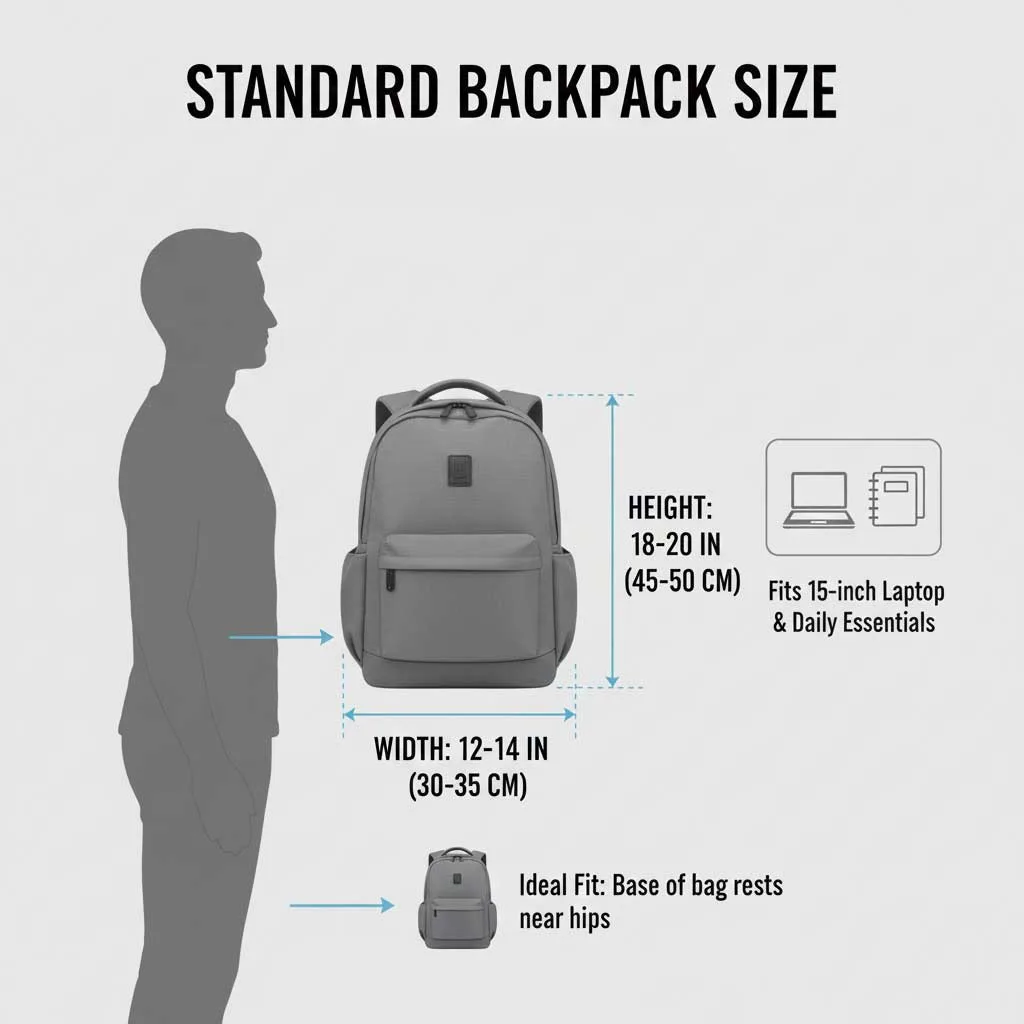
What size is a standard backpack? For most everyday use, a standard backpack is about 18 to 22 inches tall, 12 to 16 inches wide, and 6 to 10 inches deep. Its capacity often falls between 20 and 30 liters.
This size works well for common items such as:
• A laptop or tablet
• A few books or notebooks
• A water bottle
• Headphones
• A lunch box
• A light jacket
• Small personal items
A backpack in this range is large enough for daily use but not so large that it feels bulky. Think of it as the backpack version of a midsize car. It gives you useful space without making every trip feel like a move.
However, the phrase “standard backpack” can mean different things. A school backpack, office backpack, hiking pack, and airline travel backpack may all have different dimensions.
Standard Backpack Dimensions
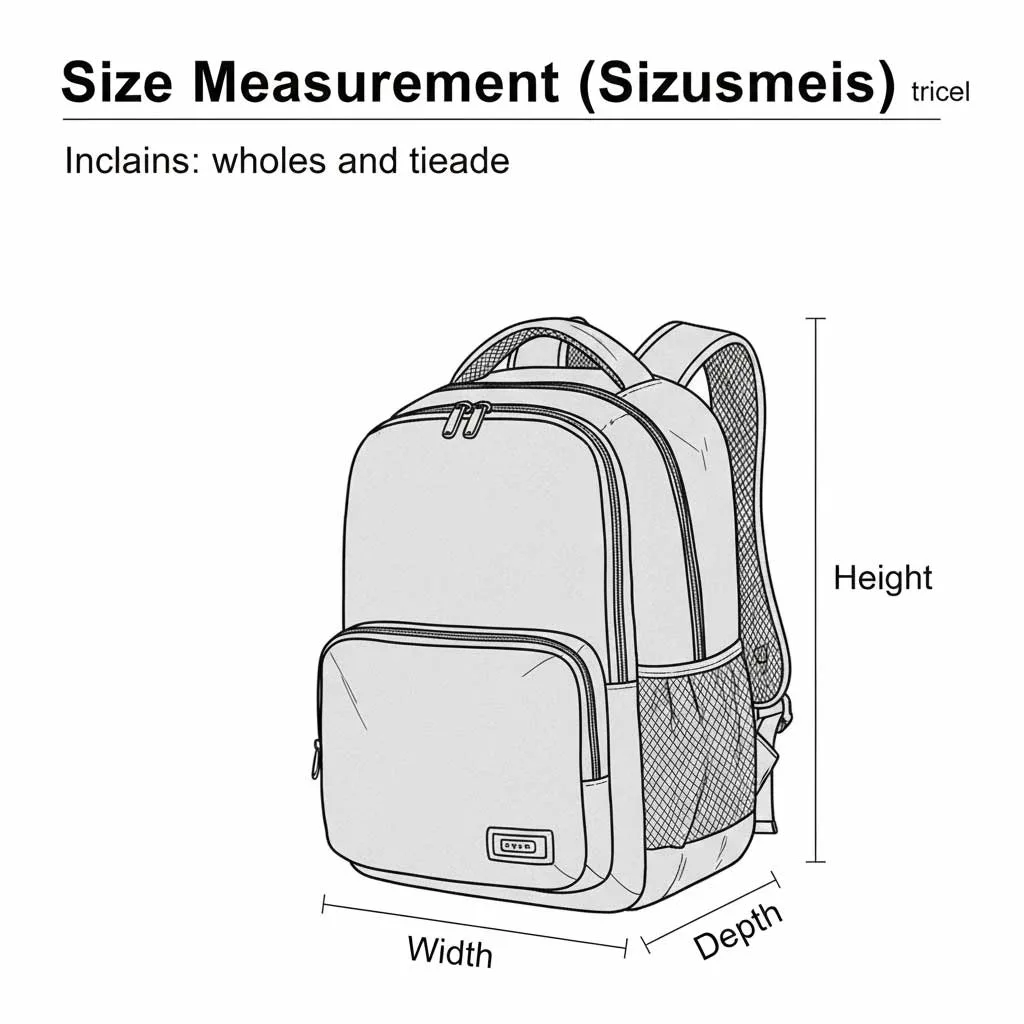
The outside measurements of a backpack tell you how much room it may take up. They do not always show how much gear it can hold.
A typical standard backpack may measure:
• Height: 18 to 22 inches
• Width: 12 to 16 inches
• Depth: 6 to 10 inches
• Capacity: 20 to 30 liters
• Weight when empty: 1.5 to 3 pounds
These numbers are general ranges, not strict rules. Some slim laptop backpacks are only 5 inches deep. Some outdoor backpacks expand to 12 inches or more when filled.
The shape also matters. A tall, narrow backpack may hold the same volume as a short, wide bag. Yet the tall pack may feel better for books, while the wider pack may work better for clothing or camera gear.
Backpack Size in Inches and Centimeters
Many US brands list backpack dimensions in inches. International brands often use centimeters.
Here is a simple comparison:
| Backpack measurement | Approximate metric size |
|---|---|
| 18 inches tall | 46 centimeters |
| 20 inches tall | 51 centimeters |
| 22 inches tall | 56 centimeters |
| 12 inches wide | 30 centimeters |
| 16 inches wide | 41 centimeters |
| 8 inches deep | 20 centimeters |
Always check the product page before buying. Measurements can include outside pockets, handles, and compression straps. This can make a bag seem larger than its main compartment.

Backpack Capacity: What Do Liters Mean?
Backpack capacity is usually measured in liters. A liter measures volume, or the amount of space inside the bag.
A 20-liter backpack can hold less than a 30-liter backpack, but the difference is not always obvious from the outside. Compartments, padding, zippers, and pockets take up some of the interior space.
Here is what different capacities usually suit:
• 10 to 15 liters: Small day trips, biking, or minimal carry
• 15 to 20 liters: Light daily use and short commutes
• 20 to 30 liters: School, work, and general everyday use
• 30 to 40 liters: Weekend trips and heavier work gear
• 40 to 55 liters: Extended travel or backpacking
• 55 liters or more: Long trips and outdoor expeditions
When asking what size is a standard backpack, the 20 to 30-liter range is the most useful answer for everyday life.
A 20-liter bag may suit someone who carries a laptop, notebook, and lunch. A 30-liter bag may suit someone who also carries gym clothes, a camera, or a pair of shoes.
How Backpack Volume Is Calculated
Manufacturers often calculate volume by measuring each compartment and adding the results. This means two backpacks with the same listed capacity may feel very different.
For example, one 25-liter backpack may have one large open space. Another may divide its space between a laptop sleeve, front pocket, organizer panel, and side pockets. The second bag may feel smaller because less space is flexible.
The best approach is to compare both capacity and layout. A bag with smart storage can be more useful than a larger bag with poor organization.
Standard Backpack Size by Use
The right answer to what size is a standard backpack changes with the activity. A backpack for a child should not be the same size as a backpack for air travel or hiking.
School Backpack Size
A standard school backpack often holds 20 to 30 liters. It usually measures about 16 to 20 inches tall, depending on the student’s age and the size of the books.
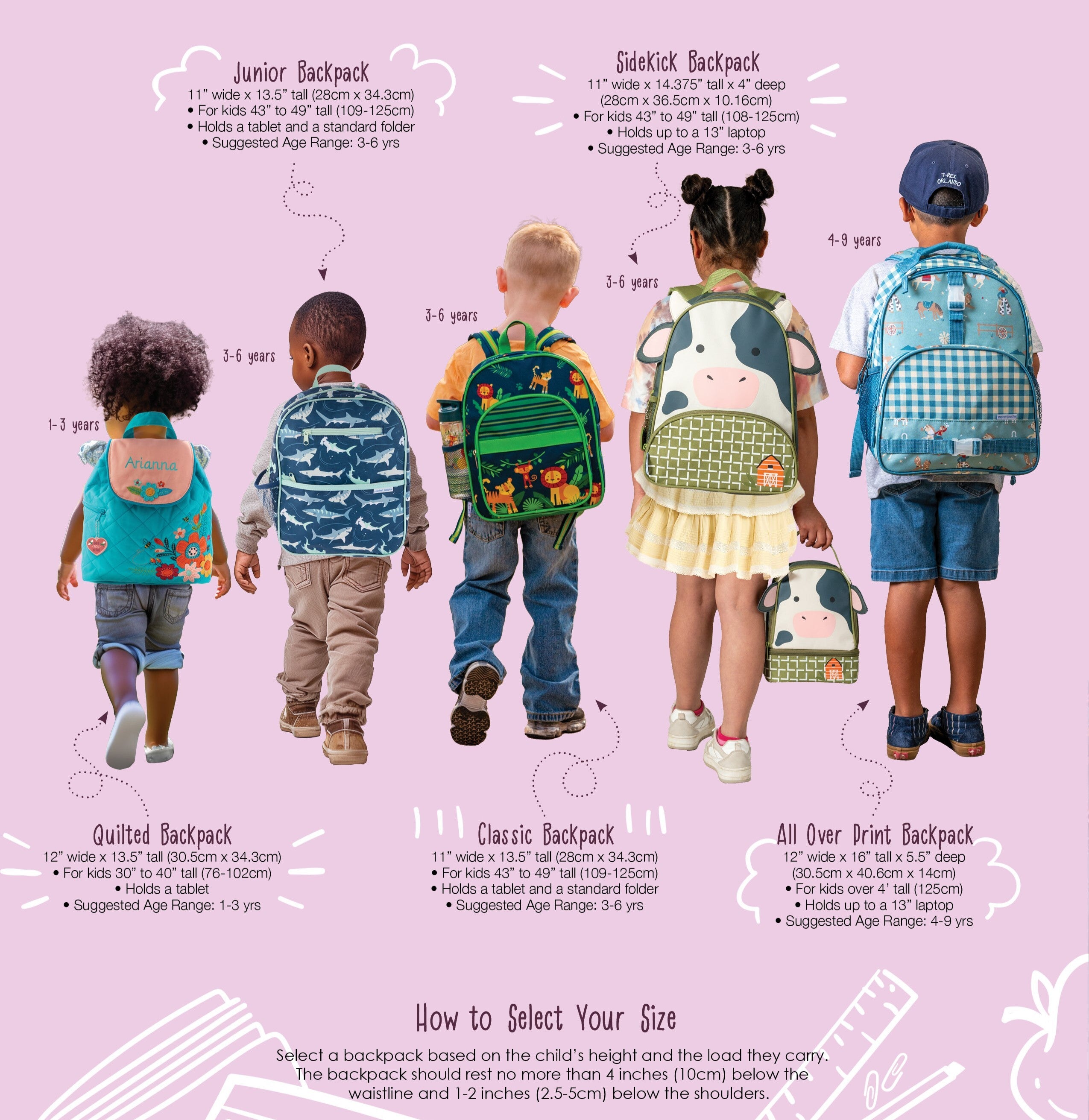
Elementary students often need a smaller pack:
• Capacity: 12 to 20 liters
• Height: 14 to 17 inches
• Width: 10 to 13 inches
• Depth: 5 to 8 inches
Middle school and high school students may need more room:
• Capacity: 20 to 30 liters
• Height: 17 to 20 inches
• Width: 12 to 15 inches
• Depth: 6 to 9 inches
A school backpack should not hang far below the child’s lower back. Pediatric health guidance commonly recommends keeping a loaded backpack near 10% to 15% of the child’s body weight. A lighter load is even better when possible.
Work and Laptop Backpack Size
A work backpack usually ranges from 18 to 28 liters. Most are designed for laptops from 13 to 17 inches.
A useful office backpack may include space for:
• A laptop
• A charger
• Documents
• A notebook
• Lunch
• A water bottle
• Small office items
Check the laptop compartment dimensions rather than relying only on the laptop size listed by the brand. A 15-inch laptop may have a different body shape from another 15-inch model.
For office commutes, a slim 20 to 25-liter backpack often offers the best balance. It looks professional, fits under many desks, and leaves enough room for daily essentials.
College Backpack Size
College students often prefer a 25 to 35-liter backpack. College books can be heavy, and students may carry a laptop, lunch, sports clothing, and personal items throughout the day.
A 30-liter backpack is often a practical middle ground. It offers more room than a basic office pack without becoming as large as a travel bag.
Look for strong shoulder straps, a padded laptop sleeve, and a firm bottom. These features help the bag stay comfortable when its load changes during the day.
Hiking Backpack Size
A day hiking backpack usually holds 15 to 30 liters. The ideal size depends on the length of the hike, the weather, and how much water and safety gear you carry.
Typical hiking sizes include:
• 10 to 20 liters: Short hikes and warm weather
• 20 to 30 liters: Full-day hikes
• 30 to 40 liters: Long day hikes or overnight trips
• 40 to 60 liters: Multiday backpacking
A hiking backpack often has features that a school or work bag lacks. These may include a hip belt, chest strap, breathable back panel, hydration sleeve, and external gear loops.
Travel Backpack Size
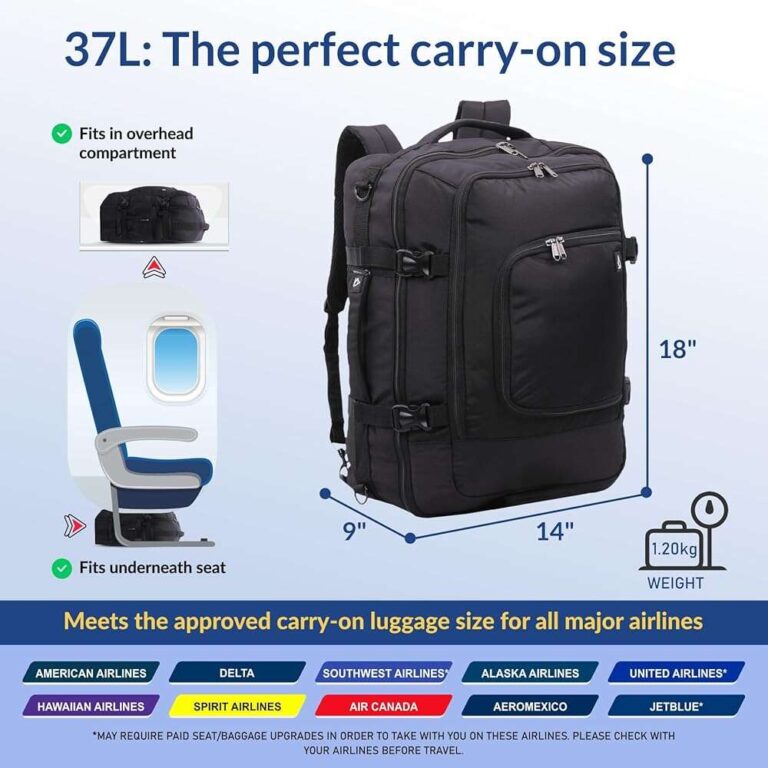
A travel backpack commonly holds 30 to 45 liters. Smaller bags work for minimalist trips, while larger bags can hold several days of clothing.
A 35-liter travel backpack may fit:
• Three to five days of clothing
• Toiletries
• A pair of shoes
• Electronics
• Travel documents
Travel backpacks are often taller and deeper than standard office backpacks. Before flying, check the airline’s current carry-on rules. Airlines can set different limits, and a bag that fits one carrier may not fit another.
How to Choose the Right Backpack Size
The answer to what size is a standard backpack should not be based on dimensions alone. Comfort, load, and daily habits matter just as much.
Use these steps to choose well:
- List what you carry each day. Include your laptop, books, lunch, water, and clothing.
- Measure your largest item. A laptop or binder may decide the minimum bag size.
- Estimate how often you need extra space. If you carry gym clothes twice a week, allow room for them.
- Choose the smallest bag that fits your normal load. Extra space can tempt you to carry more.
- Check the back length and strap position. The bag should sit close to your body.
- Test the bag with weight inside. An empty backpack can feel comfortable but change completely when loaded.
- Look for compression straps. They can stop a partly full bag from sagging.
One common mistake is buying a backpack based on its biggest possible capacity. A 40-liter bag may sound useful, but it can feel oversized for a daily commute. Another mistake is choosing a very small bag and forcing items into it. The result is often poor balance, strained zippers, and uncomfortable pressure.
A good fit feels stable. The backpack should not pull backward or swing from side to side as you walk.

Backpack Fit and Comfort
Size and fit work together. Even the right capacity can feel uncomfortable if the backpack sits too low or has narrow straps.
A well-fitted backpack should:
• Sit close to your upper and middle back
• Rest with the bottom near your lower back
• Have padded shoulder straps
• Keep the load balanced
• Avoid pressing into your neck
• Stay secure when you bend or walk
For heavier loads, a chest strap can reduce shoulder movement. A padded hip belt can transfer some weight from your shoulders to your hips. This feature is more common on hiking and travel backpacks than on office bags.
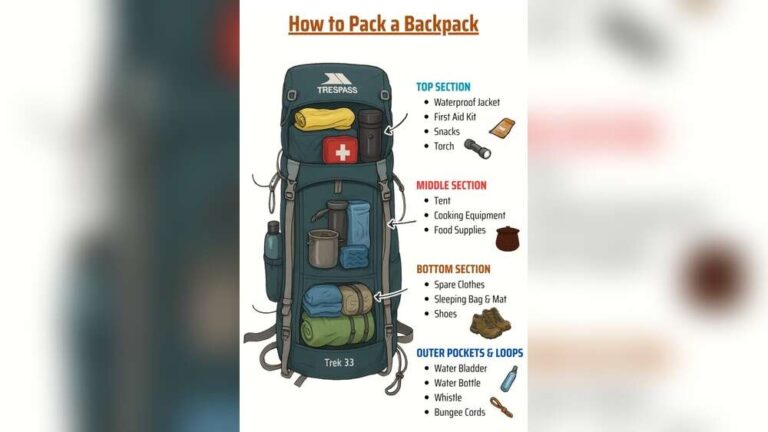
Pack heavy items close to your back. Put light items toward the front or outer pockets. This simple change can make the same backpack feel much better.
I have found that people often focus on the bag’s volume but ignore how it carries weight. That is a costly mistake. A well-designed 25-liter backpack can feel easier to carry than a poorly designed 30-liter bag.
Is a Standard Backpack Good for Air Travel?
A standard backpack can work as a personal item or carry-on, but the answer depends on its size and the airline’s rules.
Many personal-item limits are close to 18 x 14 x 8 inches, though exact limits vary. A 20 to 25-liter backpack often has a better chance of fitting under a seat than a 30-liter pack.
For air travel, look for:
• A soft-sided design
• A laptop compartment
• A luggage pass-through sleeve
• A clamshell opening
• Compression straps
• A size that matches your airline’s limits
Do not assume that a backpack labeled “carry-on size” will meet every airline requirement. Measure the packed bag, not only the empty bag. Overfilled pockets can increase the depth by several inches.
For a personal item, a slim 16 to 20-liter backpack is often safer. For an overhead carry-on, 30 to 40 liters may offer more useful space.
Standard Backpack Size for Adults and Children
Adults can usually choose a backpack based on capacity and purpose. Children need more attention to body size, strap length, and total weight.
For adults, a 20 to 30-liter backpack is a common everyday choice. Taller adults may prefer a longer back panel, while shorter adults may need a compact design that does not extend too far below the waist.
For children, choose a bag that:
• Does not rise above the shoulders
• Does not hang below the lower back
• Has wide, padded shoulder straps
• Includes a chest strap when possible
• Weighs very little when empty
The child should be able to put on and remove the backpack without struggling. If the bag looks huge compared with the child’s torso, it is probably too large.
The same principle applies to adults: a backpack should fit the body, not just the packing list.
Common Backpack Size Mistakes to Avoid
Choosing what size is a standard backpack becomes easier when you know what to avoid.
Buying the Largest Bag Available
A large backpack can encourage overpacking. More space often turns “just in case” items into a heavy daily load.
Choose a larger bag only when you regularly need the extra space. Occasional needs can often be handled with an expandable compartment or a small tote.
Ignoring the Laptop Sleeve
A backpack may hold a 15-inch laptop in its main compartment but lack enough padding. Measure the sleeve itself and check whether it has a raised bottom.
The laptop should not hit the ground when you set the bag down.
Focusing Only on Liters
Capacity does not tell you everything. Two bags with the same liter rating may have different shapes, openings, and internal pockets.
Review the full dimensions and look at photos of the bag being worn.
Carrying Too Much Weight
A standard backpack is not automatically safe at every load. Heavy books, water, electronics, and clothing can add up quickly.
Remove items you do not use. Your shoulders will notice the difference before your backpack does.
Forgetting About Empty Weight
A heavily padded backpack may feel durable, but it can weigh several pounds before you add anything. For daily use, a lighter design may be more practical.
How to Measure a Backpack
You can measure a backpack at home with a tape measure.
Measure these areas:
- Height: Measure from the bottom of the bag to the highest point.
- Width: Measure across the widest part from side to side.
- Depth: Measure from the front panel to the back panel.
- Capacity: Check the manufacturer’s listed liter rating when available.
For a fair measurement, fill the backpack as you normally would. Then measure it while it is closed. Expansion pockets and overfilled sections can change the final size.
If you need to check airline fit, measure the bag at its fullest practical size. A soft backpack may compress, but you should not depend on forcing it into a tight space.
Frequently Asked Questions About What Size Is a Standard Backpack
What size is a standard backpack for everyday use?
A standard everyday backpack usually holds 20 to 30 liters. It often measures about 18 to 22 inches tall, 12 to 16 inches wide, and 6 to 10 inches deep.
Is a 20-liter backpack big enough for school?
A 20-liter backpack can be large enough for light school use, especially for younger students or students who carry few books. Older students may prefer 25 to 30 liters for binders, laptops, lunch, and extra clothing.
Is a 30-liter backpack too big for daily use?
A 30-liter backpack is not too large for many adults. It works well for work, college, commuting, or days when you carry gym gear, but it may feel bulky if you carry only a laptop and wallet.
What backpack size fits under an airplane seat?
A slim backpack around 16 to 20 liters often fits under an airplane seat. Always compare the packed dimensions with the airline’s personal-item limits because rules differ by carrier and fare type.
What is the best backpack size for a laptop?
A 20 to 25-liter backpack is usually enough for a laptop, charger, notebook, lunch, and small personal items. Check the padded sleeve dimensions instead of choosing only by the laptop’s screen size.
How many liters is a normal school backpack?
A normal school backpack usually holds 20 to 30 liters. Smaller children may need 12 to 20 liters, while high school and college students often need 25 to 35 liters.
Should a backpack be the same width as your shoulders?
A backpack does not need to match your shoulder width exactly. It should sit close to your body, avoid restricting arm movement, and remain balanced when loaded.
Conclusion
What size is a standard backpack? For most people, the best starting point is a 20 to 30-liter backpack measuring about 18 to 22 inches tall. That range suits school, work, commuting, and many everyday tasks.
Choose based on your real load, not the biggest number on the product page. Check the dimensions, laptop sleeve, strap design, empty weight, and airline rules when needed. Measure the items you carry, test the fit with weight inside, and choose a backpack that supports your routine rather than adding strain.
Use these guidelines the next time you shop, and share your favorite backpack size or packing tip in the comments.

Zayden Halbrook is a travel enthusiast and gear researcher passionate about making every journey smoother and more enjoyable. With a keen eye for practical travel essentials and real-world tips, he helps readers choose the right gear and travel smarter. When he’s not testing travel kits or exploring new destinations, Zayden shares simple, reliable advice to make every trip stress-free.