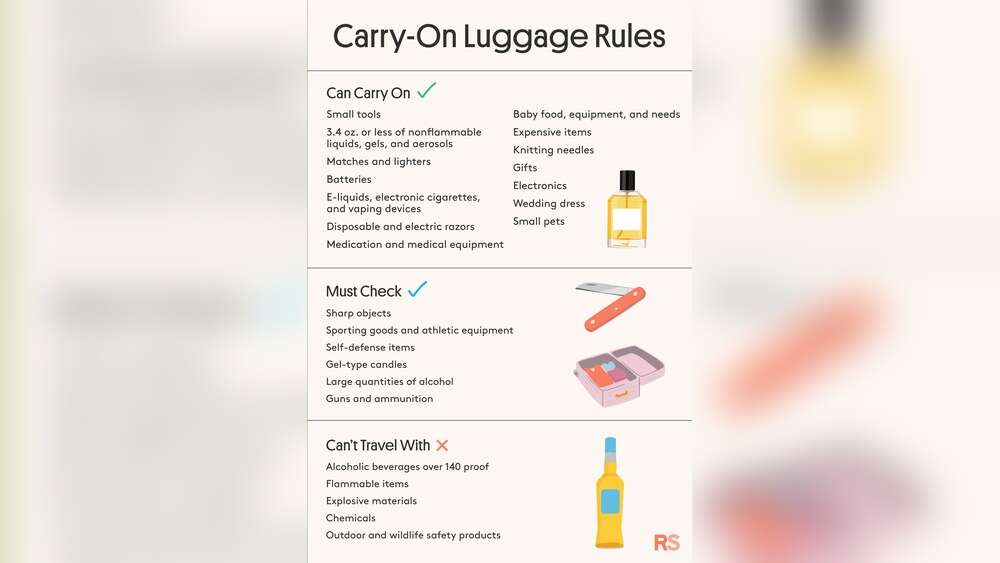
Can You Pack Aerosol In Checked Luggage?
Traveling by air can be confusing, especially when you want to bring products like sprays or aerosols. Many people ask, “Can you pack aerosol in checked luggage? ” The answer isn’t always simple. Airlines and airports have rules to keep everyone safe, and aerosols can sometimes be a risk.
I’ve traveled many times with things like deodorant, hairspray, and even bug spray. I’ve learned from my own mistakes and from talking to airport staff. In this article, I’ll share what you really need to know about packing aerosols in checked bags, what the rules are, and tips to avoid problems at the airport.
My goal is to make this topic easy to understand, even if English is not your first language.
What Is An Aerosol?
Before we talk about the rules, let’s be clear about what an aerosol is. An aerosol is a can or bottle that holds a liquid or powder under pressure. When you press the top, it sprays out a mist or foam. Some common examples are:
- Deodorant sprays
- Hairspray
- Shaving cream
- Spray paint
- Bug spray
- Cooking oil spray
- Air fresheners
Why are aerosols special? They are under pressure and often contain chemicals. That’s why airports and airlines pay close attention to them.
Are Aerosols Allowed In Checked Luggage?
The short answer is yes, most aerosols are allowed in checked luggage, but there are limits and rules. Airlines and airports follow the rules set by the Transportation Security Administration (TSA) in the US, and by similar agencies in other countries. These rules are meant to protect passengers and crew from accidents.
Tsa And International Rules
The TSA says aerosols are allowed in checked luggage if:
- They are for personal care or household use
- Each container is no bigger than 18 ounces (about 500 ml)
- The total amount of aerosols per person is no more than 70 ounces (about 2 liters)
Other countries have similar rules, but it’s always good to check before you fly. If you fly from Europe or Asia, check their local airport rules too.
What Types Of Aerosols Are Not Allowed?
Not all aerosols are accepted, even if they fit the size rule. Aerosols that are toxic, flammable, or for industrial use are usually banned. For example:
- Spray paint
- Insect killer (with strong chemicals)
- Bear spray or pepper spray
- Certain cleaning sprays
These can be dangerous if they leak or break. Always read the label. If it says “flammable,” “toxic,” or “for industrial use,” it’s likely not allowed.
Real Experience: My First Mistake
The first time I traveled with aerosol, I packed a big can of bug spray in my checked bag. At the check-in desk, the airline staff asked if I was carrying any dangerous items. I said no. But my bag was flagged for inspection. They found the can and explained that some bug sprays are not allowed because they are too strong or flammable. I lost the spray and learned an important lesson: always check the label and know the rules.
Why Are There Rules For Aerosols?
Aerosol cans are under pressure. In a plane’s cargo hold, the air pressure and temperature can change. If a can is weak or faulty, it might leak or even explode. This is rare, but it can be very dangerous. That’s why airlines limit the size and total amount of aerosols.
The goal is to reduce risk for everyone on the plane.
Aerosols And Fire Risk
Most aerosols use chemicals called propellants to push the product out of the can. Some propellants are flammable. If a can leaks, it could start a fire. That’s why there are strict rules about what you can pack.
Key Rules For Packing Aerosols In Checked Bags
Let’s break down the most important rules for packing aerosols in your checked luggage:
- Personal Use Only: The aerosol must be for personal care (like deodorant or hairspray) or home use (like air freshener).
- Size Limit per Container: Each can must be 18 ounces (500 ml) or less.
- Total Limit per Person: All your aerosols together must not be more than 70 ounces (2 liters).
- No Industrial or Flammable Aerosols: Paint, strong bug sprays, and industrial cleaners are not allowed.
- Protect the Nozzle: The spray button or nozzle must be covered to stop it from pressing by accident.
Here’s a quick comparison of what’s allowed and not allowed:
| Aerosol Type | Allowed in Checked Bag? | Notes |
|---|---|---|
| Deodorant spray | Yes | Must be under 18 oz |
| Hairspray | Yes | Must be under 18 oz |
| Spray paint | No | Flammable/Not for personal use |
| Cooking spray | Yes | Personal use only; check airline rules |
| Bearing spray/pepper spray | No | Considered dangerous |
| Bug spray (mild) | Yes | Personal use, check label |
How To Pack Aerosols Safely
Packing aerosols the right way is important. Here are simple steps to keep your items safe and avoid trouble at the airport.
1. Check The Label
Look for words like flammable, toxic, or industrial use. If you see these, do not pack the item. Only pack sprays that are for personal or household use.
2. Keep It In Original Packaging
It’s safer to keep your aerosol in its original can with the label. This helps airport staff see what it is, and it shows you are following the rules.
3. Use A Plastic Bag
Place aerosols in a sealable plastic bag. This stops leaks from getting on your clothes or other items. It also makes inspection easier.
4. Cover The Nozzle
Use tape or the original cap to cover the spray nozzle. This prevents the spray from pressing by accident.
5. Pack In The Middle Of Your Bag
Put aerosols in the center of your suitcase, surrounded by clothes. This protects the can from bumps and drops.
6. Don’t Overpack
Remember, you can only bring a total of 70 ounces (2 liters) of aerosols per person. Count your cans before you pack.
A Personal Packing Tip
On one trip, I packed a can of hairspray without a plastic bag. The can leaked and got on my shirts. Now I always use a zip-top bag for aerosols. It saves a lot of trouble if there’s a leak.
The Difference Between Checked And Carry-on Rules
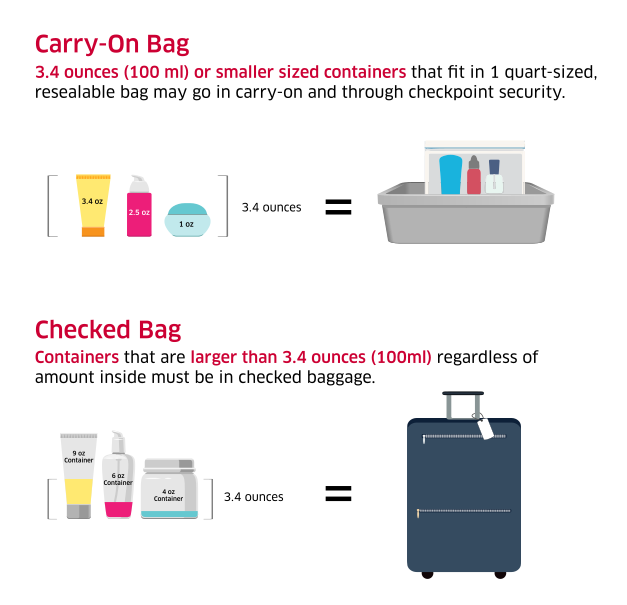
Some people think they can pack any aerosol in their checked bag, but not in carry-on. That’s not true. There are strict rules for both. But the rules for carry-on are even stricter.
| Rule | Carry-On Bag | Checked Bag |
|---|---|---|
| Max size per can | 3.4 oz (100 ml) | 18 oz (500 ml) |
| Total allowed per person | 1 quart-sized bag of liquids | 70 oz (2 liters) |
| Types allowed | Personal care only | Personal and household (some exceptions) |
| Flammable/Industrial | Not allowed | Not allowed |
If you need to bring an aerosol, it’s often easier to pack it in your checked bag. For carry-on, the size and amount are much smaller.
What Happens If You Pack A Banned Aerosol?
If you pack an aerosol that is not allowed, airport security may find it during screening. They may open your bag, remove the item, and throw it away. In some cases, you might get a warning, or you may be delayed.
It can be stressful and could cause you to miss your flight. I’ve seen this happen to other travelers, and it’s not fun. Always double-check before you pack.
Common Mistakes When Packing Aerosols
Even experienced travelers make mistakes with aerosols. Here are a few to watch out for:
- Packing oversized cans: Cans over 18 oz are not allowed, even if the product is for personal use.
- Bringing too many cans: You must not go over the 70 oz total.
- Packing industrial or flammable sprays: These are never allowed in checked luggage.
- Not protecting the nozzle: If the spray button gets pressed, it can leak.
- Forgetting to check airline rules: Some airlines have extra rules, so always look online before you fly.

Credit: specialthailande.com
Tips For Traveling With Aerosols
If you need to bring aerosols, these tips can help make your trip easy:
- Buy travel-size products. They are usually under the size limit and easier to pack.
- Check your destination’s rules. Some countries have extra rules for aerosols.
- If in doubt, leave it out. If you’re not sure if an item is allowed, it’s safer not to pack it.
- Ask the airline. If you have questions, call your airline before your trip.
I once called my airline to check if a certain sunscreen spray was allowed. The staff were helpful and gave me clear advice. Don’t be afraid to ask!
What About Medical Aerosols?
Some people need aerosols for medical reasons, such as asthma inhalers. These are usually allowed in both carry-on and checked bags, but you should declare them at the security check. Keep a doctor’s note if possible. Always check ahead, especially if you need the item during your flight.
International Rules: Do They Differ?
While TSA rules apply in the US, other countries may have different or extra rules. In the European Union, for example, rules are similar, but some airports may be stricter. Australia, Canada, and Asia also have their own guidelines. Always check with your departure and arrival airports.
Here’s a quick overview of rules in different regions:
| Region | Max Size per Can | Total Allowed | Notes |
|---|---|---|---|
| USA (TSA) | 18 oz (500 ml) | 70 oz (2 liters) | Personal/household only |
| European Union | 500 ml | 2 liters | Similar to TSA |
| Australia | 500 ml | 2 liters | Check airline rules |
| Asia | Varies | Varies | Check local rules |
Environmental And Health Concerns
Besides the safety rules, there are environmental concerns about aerosols. Some old sprays use chemicals called CFCs (chlorofluorocarbons), which harm the ozone layer. Most modern aerosols use safer propellants, but it’s a good idea to check the label.
Some aerosols can cause allergies or breathing problems. If you are sensitive, look for sprays marked as hypoallergenic.

Credit: coola.com
Alternatives To Aerosol Products
If you want to avoid the hassle, think about alternatives to aerosols:
- Roll-on deodorant or stick deodorant
- Pump spray bottles (not under pressure)
- Solid air fresheners
- Cream or gel products
These are usually easier to pack and don’t have the same strict rules.
What To Do If You Need More Aerosol Than Allowed
Sometimes you need more than the allowed amount, for example, for a long trip. In this case, you can:
- Buy more at your destination: Most products are available in other countries.
- Ship items ahead: You can mail aerosols to your hotel or address before you arrive (check local laws).
- Ask your airline about special needs: For medical or special cases, airlines may help.
Credit: www.tsa.gov
Useful Resources
For the most up-to-date rules, visit the official TSA website or your airline’s site. The TSA’s own page on traveling with aerosols is very clear: TSA Aerosols Rules.
Frequently Asked Questions
Can I Bring Hairspray In My Checked Luggage?
Yes, you can bring hairspray in your checked bag if it is for personal use and under 18 ounces (500 ml). Make sure the nozzle is covered and the can is not damaged.
What Happens If I Pack A Banned Aerosol?
Airport security may find it during screening. They can remove and throw away the item. In some cases, you might be delayed or questioned.
Are Cooking Sprays Allowed In Checked Luggage?
Yes, most cooking sprays for personal use are allowed if they are under 18 ounces (500 ml). Always check the label and your airline’s rules.
Is There A Difference Between Us And International Rules For Aerosols?
Most countries have similar rules, but there can be small differences. Always check with your airline and the airport you are using.
Can I Pack Aerosol Insect Repellent In My Checked Bag?
Yes, you can pack aerosol insect repellent if it is for personal use and under the size limit. Strong or industrial sprays are not allowed.
Traveling with aerosols doesn’t have to be stressful if you know the rules. From my own experience, the key is to plan ahead, check your products, and protect your items when you pack. Most importantly, when in doubt, ask your airline or look up the latest rules online.
This will help keep your journey smooth and safe for everyone.

Zayden Halbrook is a travel enthusiast and gear researcher passionate about making every journey smoother and more enjoyable. With a keen eye for practical travel essentials and real-world tips, he helps readers choose the right gear and travel smarter. When he’s not testing travel kits or exploring new destinations, Zayden shares simple, reliable advice to make every trip stress-free.