If you are traveling within the United States with a canvas painting, pack it flat, dry, and protected from pressure. Cover the painted surface with glassine or acid-free paper, add a firm backing board, wrap the artwork in bubble wrap, and place it between soft clothes inside a hard-sided suitcase. Carry the suitcase on the plane when its size and value allow.
Do not pack a wet painting, place bubble wrap directly on the paint, or put an unprotected canvas next to shoes, toiletries, or hard objects.
Check the Painting Before You Pack It
The best packing method depends on the painting’s size, frame, surface, and value. A small unframed canvas needs less protection than a large framed oil painting with glass.
Check these points first:
- Is the painting fully dry? Oil paint can feel dry on top while remaining soft below. A painting that is not cured can stick to paper or bubble wrap.
- Is the canvas stretched? A stretched canvas has wood bars around its edges. It must stay flat and should not be bent.
- Is it framed? A frame adds protection, but glass can crack under pressure.
- Does it have a raised surface? Thick paint, texture, or collage needs extra space so nothing touches the artwork.
- What is its value? A valuable original may need a custom art box or professional art shipper instead of a suitcase.
- What are the suitcase and airline limits? U.S. airlines set their own carry-on size and weight rules. Check the operating airline before you leave.
A rolled canvas is a different case. Only roll a canvas that is designed to be rolled or has been prepared by a conservator. Do not roll a finished stretched painting just to make it fit.
When not to use a suitcase
Use a professional art shipper or a custom crate when the painting is:
- Large, heavy, or unusually shaped
- Very valuable or difficult to replace
- Framed with glass
- Covered with thick or loose paint
- Still curing
- Being moved by air as checked baggage
- Going to an exhibition, gallery, or buyer
A suitcase can reduce handling, but it does not provide the same control as a fitted art crate.
Supplies You Need
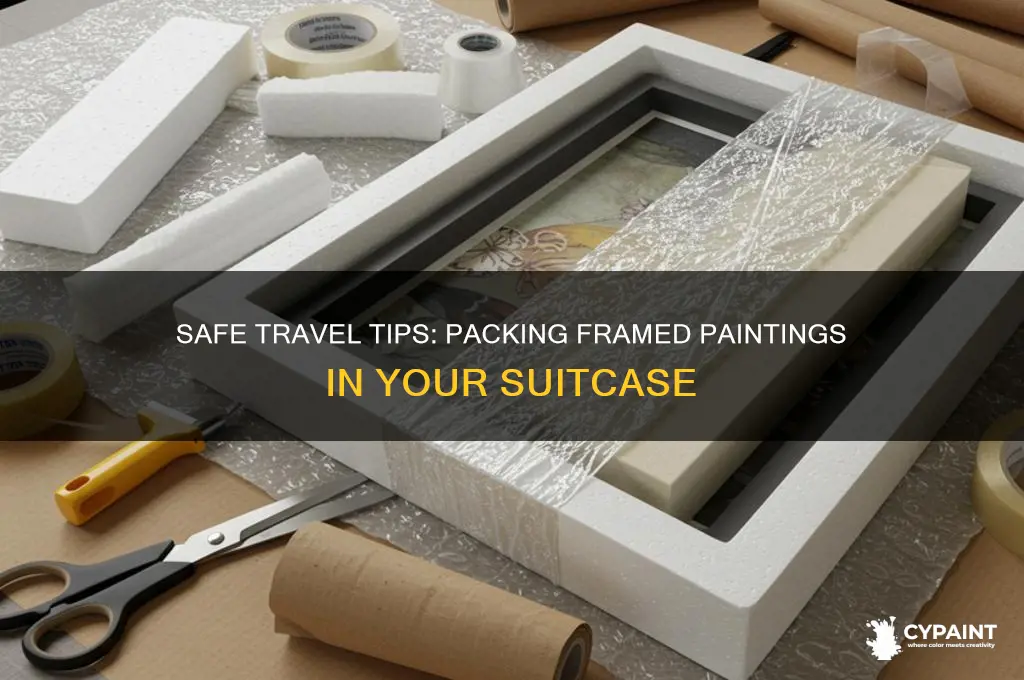
Gather the supplies before you place the painting in the suitcase. Clean, smooth materials help prevent scratches, stains, and pressure marks.
Recommended packing materials
- Glassine paper or acid-free, non-abrasive paper
- Two rigid boards larger than the painting
- Archival tape or painter’s tape
- Bubble wrap with medium or large bubbles
- A soft cotton sheet or clean towel
- Corner protectors for a frame
- A hard-sided suitcase
- Foam sheets or soft clothing for padding
- A plastic bag or waterproof liner for the suitcase
- A luggage strap or packing bands
- A ruler or tape measure
Glassine is a smooth paper often used to protect artwork. It lets the surface breathe and is less likely to stick to paint than plastic film.
Avoid these materials directly against the artwork:
- Plastic wrap
- Newspaper
- Colored tissue paper
- Paper towels
- Rough cardboard
- Packing tape
- Bubble wrap touching the painted face
Packing tape should not touch the canvas, frame, or protective paper. Its adhesive can leave residue and may damage the surface.
Choose a suitcase with care
A hard-sided suitcase usually gives better protection than a soft suitcase. Pick one that is large enough to hold the rigid boards without bending them.
The suitcase should close without force. If you must press down on the lid, the painting needs less padding or a larger case. Pressure from the suitcase lid can dent canvas, crack paint, or break frame glass.

How to Pack an Unframed Stretched Canvas
This method works best for a dry, small or medium-sized stretched canvas that fits flat in a hard-sided suitcase.
1. Clean and dry the packing area
Clear a table or floor. Wash and dry your hands. Remove grit, crumbs, and loose fibers from the work area.
Do not wipe the painting unless the artist or a conservator has given you a safe cleaning method. Dusting can damage loose paint or textured surfaces.
2. Cover the painted face
Cut a sheet of glassine paper so it is slightly larger than the painted area. Lay it gently over the front of the painting.
The paper should rest lightly on the surface. Do not rub it or press it into thick paint. If the artwork has heavy texture, use a spacer system so the protective layer does not touch the paint.
A simple spacer can use clean foam strips placed around the outer edges of the canvas. The strips should support the rigid board without touching the painted center.
3. Add a rigid backing board
Place a firm board behind the canvas. The board should extend past all four edges of the painting.
This board helps stop the canvas from bending. It also spreads pressure across the back instead of allowing one suitcase object to press into the fabric.
Use a second board on the front if the artwork needs extra protection. In that case, place glassine over the face first, then keep the front board away from textured paint with edge spacers.
4. Protect the edges
Wrap the canvas and boards together with a clean cotton sheet or acid-free paper. Secure the wrap with painter’s tape on the wrapping material, not on the artwork.
If the canvas has exposed stretcher bars, add soft corner protection. Do not use hard clips that can press into the canvas.
5. Add bubble wrap around the package
Wrap the flat package in bubble wrap. Keep the bubbles facing outward when possible, so the smooth side faces the artwork’s protective layer.
Use enough wrap to cushion the package, but do not make it so thick that the suitcase lid pushes down on it.
6. Place it in the suitcase
Line the suitcase with a waterproof bag or clean plastic liner. Place soft clothing at the bottom and sides.
Set the wrapped painting flat in the center. Put soft clothing around it, not heavy items on top of it. Fill empty spaces so the package cannot slide, but leave no hard object touching the boards.
7. Close and test the suitcase
Close the suitcase without forcing it. Shake it very gently from side to side.
The painting should not slide, bend, or make contact with hard items. If it moves, add soft padding around the edges. If the lid presses against it, remove excess padding or use a larger suitcase.

How to Pack a Framed Canvas
A framed painting needs extra care because the frame and glazing can fail in different ways. Glass may break, acrylic glazing may scratch, and frame corners can split.
For a frame without glass
Wrap the frame corners first. Cover the entire frame with glassine or acid-free paper, then place it between two rigid boards.
Add bubble wrap around the boards. Keep the wrapped painting flat and away from shoes, electronics, toiletries, and metal objects.
For a frame with glass
If possible, remove the glass and transport it separately in a suitable rigid package. Only do this if the frame is designed for safe disassembly and you know how to reassemble it.
If you keep the glass in the frame:
- Place painter’s tape across the glass in a loose grid.
- Do not press the tape into the frame or artwork.
- Cover the front with glassine or another non-abrasive layer.
- Add rigid boards on both sides.
- Use corner protection and thick padding.
- Keep the case flat and carry it rather than checking it.
The tape does not make glass unbreakable. It may help hold pieces together if the glass cracks, but it cannot prevent impact damage.
Acrylic glazing is lighter than glass, but it can scratch. Keep it away from rough paper, clothing zippers, and exposed cardboard edges.

How to Place the Painting in Your Suitcase
The safest suitcase layout uses soft items as cushions and rigid boards as shields.
Suggested suitcase layers
Arrange the suitcase in this order:
- Waterproof liner
- Soft clothing or a clean towel
- Rigid-board artwork package
- Soft clothing around the sides
- A thin layer of soft clothing above the package
- Suitcase lid
Do not put shoes, belts, chargers, toiletry bottles, books, or camera gear directly against the painting. These items can create pressure points.
Keep liquids in a separate sealed bag. A leaking shampoo bottle can damage the canvas even when the suitcase suffers no impact.
Use a luggage strap around the suitcase if the case has one. A strap can help keep the suitcase closed if a zipper or latch fails, but it does not replace internal padding.
A simple size check
Measure the wrapped package, not just the painting.
For example:
- Painting: 18 by 24 inches
- Two boards: about 20 by 26 inches
- Wrapped package: about 21 by 27 inches
- Suitcase interior: must be larger than 21 by 27 inches
The package must lie flat without bending. A suitcase that fits the canvas but not the boards is too small.
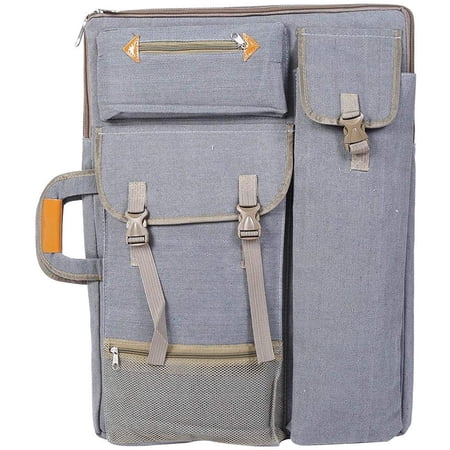
Carry-On or Checked Baggage?
Carry the painting in the cabin whenever the suitcase fits the airline’s carry-on rules and the artwork is valuable or fragile.
Airlines publish their own size and weight limits. These limits can differ by airline, aircraft, fare type, and route. The Transportation Security Administration permits many forms of art in carry-on or checked bags, but security officers may inspect the item. Airline baggage rules still control whether the suitcase may enter the cabin.
- Check the airline’s current carry-on dimensions.
- Check the weight limit.
- Confirm whether the suitcase can fit in the overhead bin.
- Ask the airline about fragile or oversized items.
- Arrive early for security screening.
- Keep the painting easy to remove from the suitcase.
- Do not wrap the package so tightly that officers cannot inspect it.
If the painting is too large for a carry-on, do not assume that checking it is safe. A checked suitcase may be dropped, stacked under heavy luggage, exposed to temperature changes, or opened during inspection.
For a valuable original, a specialist art shipper may be safer than either ordinary checked baggage or a personal suitcase.
What to do at airport security
Keep the painting packed, but make the package accessible. Security staff may ask to examine the suitcase or its contents.
Answer questions clearly and explain that the case contains a fragile canvas painting. Do not argue with an inspection request. Instead, ask that the package be handled carefully and repacked properly.
A TSA officer makes the final decision about screening. Airline staff make the final decision about cabin baggage acceptance.