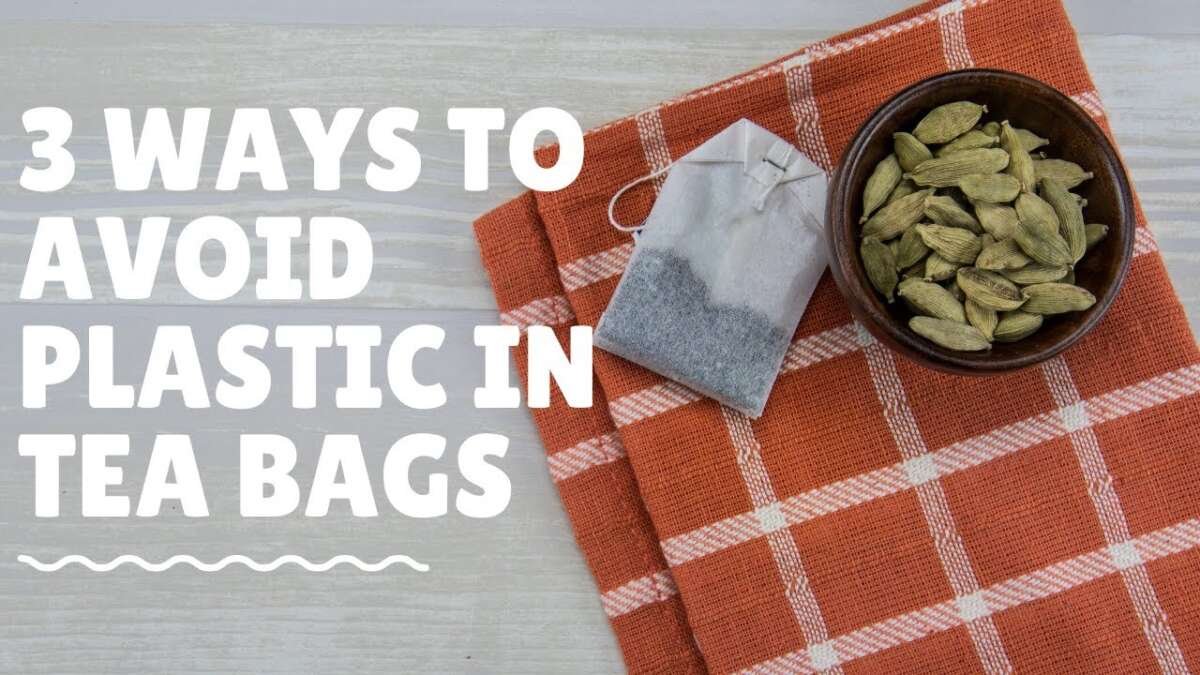
In the United States, many tea bags are made with paper but still use a small amount of plastic to seal the bag. The most reliable plastic-free choices are stitched tea bags made from paper or plant fiber, and loose-leaf tea brewed in a metal infuser.
Look for clear wording such as “plastic-free tea bags,” “compostable tea bags,” or “stitched with cotton thread.” Be careful with the word compostable: some bags use PLA, a plant-based plastic that usually needs an industrial composting facility.
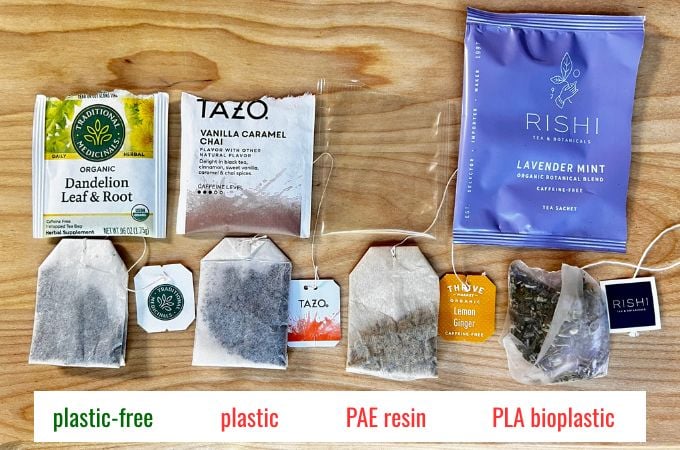
Quick answer: Which tea bags are plastic-free?
Tea bags that are usually plastic-free have these features:
- Paper or cellulose fiber bags
- Cotton stitching instead of heat sealing
- No nylon mesh
- No polypropylene seal
- No PLA or other bioplastic, if you want to avoid all plastic
- A clear plastic-free statement from the tea company
Common options include Pukka, Numi, Arbor Teas, and some Traditional Medicinals products. Packaging can change, and one product line may differ from another, so check the current package or the company’s product page before buying.
The safest simple choice is loose-leaf tea with a stainless steel infuser. It avoids the tea bag itself, but the tea may still come in a plastic-lined pouch or carton. Check the outer packaging if reducing plastic waste is your main goal.
Why some “paper” tea bags contain plastic
A tea bag can look like paper and still contain plastic. Manufacturers often add a small amount of plastic fiber or sealant because it helps the bag keep its shape in hot water.
The most common materials are:
| Material | What it is | Why it is used | Does it count as plastic? |
|---|---|---|---|
| Polypropylene | A petroleum-based plastic | Heat-seals the bag | Yes |
| Nylon | A synthetic plastic | Makes clear mesh bags | Yes |
| PLA | Plant-based polylactic acid | Makes a heat-sealed bag | Yes, though it is biobased |
| Abaca | A plant fiber from banana relatives | Adds strength to paper bags | No |
| Cellulose | Plant material used in paper and fiber | Forms the filter sheet | No |
| Cotton thread | Natural fiber used for stitching | Closes the bag without heat sealing | No |
A paper tea bag may therefore contain a plastic seal even when the box says “natural,” “unbleached,” or “compostable.” Those words do not prove that the bag is plastic-free.
“Biodegradable” also needs care. It may describe one part of the bag, not the whole product. It may also refer to breakdown under special conditions rather than in a backyard compost pile.
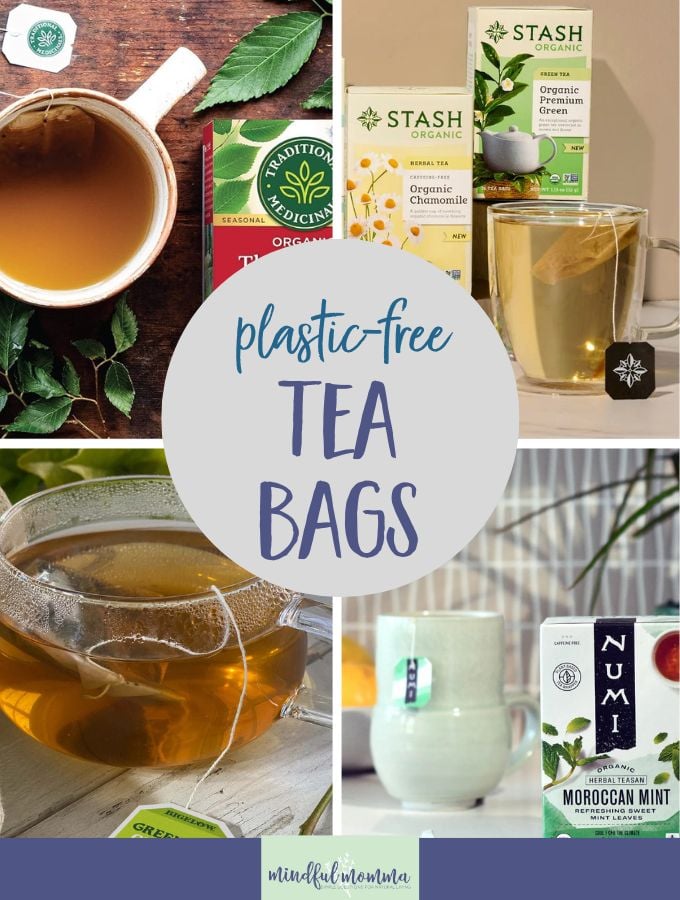
The different kinds of plastic-free tea bags
Not all plastic-free claims mean the same thing. Decide first whether you want to avoid fossil-fuel plastic, all plastics, or disposable bags altogether.
Paper tea bags with cotton stitching
These bags use a paper or plant-fiber filter. A cotton thread holds the bag closed. The thread may be tied or stitched rather than sealed with heat.
This design is one of the clearest choices for people who want to avoid polypropylene, nylon, and PLA. The paper and thread may be compostable, but the company’s disposal instructions still matter.
Folded paper tea bags
Some tea bags use a folded paper design. The folds hold the bag together, so the maker does not need a plastic seal.
These bags may have no string or tag. That reduces material use, but it can make the bag harder to remove from a mug without a spoon.
Plant-fiber bags made from abaca or cellulose
Abaca, wood pulp, and other cellulose fibers can form strong tea filters without plastic. These materials may look much like ordinary paper.
A plant-fiber claim is helpful, but check how the bag is closed. A paper filter can still have a polypropylene edge or a PLA seal.
PLA tea bags
PLA is made from plant sugars, often corn or sugar cane. It is often called a bioplastic.
PLA is not the same as paper. It is still a type of plastic, although it is made from renewable material. Many PLA products need commercial composting conditions. They may not break down in a home compost bin, a landfill, or a cup of hot water.
If your goal is “no petroleum plastic,” PLA may meet your preference. If your goal is “no plastic of any kind,” choose paper and cotton instead.
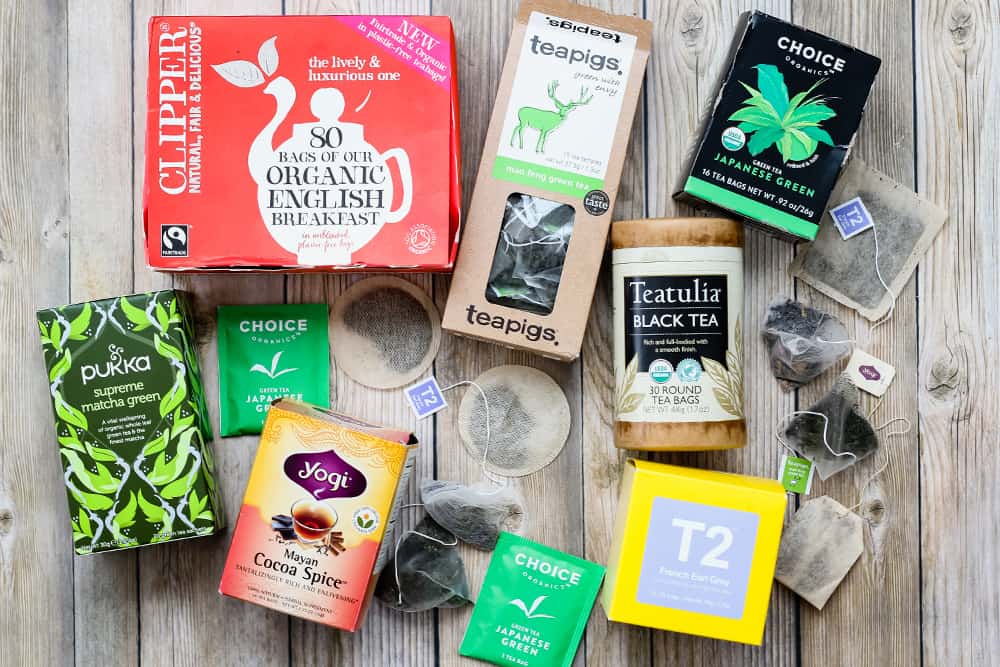
Tea bag materials to avoid when you want no plastic
The following materials are clear signs that the bag contains plastic:
- Nylon mesh
- Polypropylene
- PET or polyester
- “Silk” mesh, when used as a marketing term for synthetic fiber
- PLA or polylactic acid
- Plastic heat seals
- Synthetic thread
- Plastic-coated paper
Pyramid-shaped sachets often use nylon or another plastic mesh. Their open shape can help large tea leaves expand, but the mesh is not the same as natural paper.
Some flat tea bags also contain polypropylene. The plastic may appear only along the sealed edges, so it may not be visible.
Do not rely on color. An unbleached brown bag can contain plastic, while a white bag can be made from cellulose. Material information matters more than appearance.
Tea brands that state their bags are plastic-free
Several companies in the U.S. market publish information about their tea bag materials. These examples are useful starting points, not permanent guarantees. Tea formulas, packaging, and suppliers can change.
Pukka
Pukka states that its tea bags are plastic-free and use organic cotton stitching. The brand also describes its tea bags as compostable in the right conditions.
Check the specific product and package in the United States. The outer wrapper, carton, or shipping materials may still contain other materials.
Numi Organic Tea
Numi describes its tea bags as made from biodegradable, non-GMO filter paper and says they do not contain plastic. Its tea bags are not the same as clear nylon sachets.
The company’s statements apply to its tea bag construction. They do not mean that every part of the package is plastic-free.
Arbor Teas
Arbor Teas sells compostable tea bags and states that its bags do not contain plastic. Its bags use plant-based fiber and are designed to be composted under suitable conditions.
This is a useful option for shoppers who want a direct material statement. Read the disposal directions before putting the bag in a home compost bin.
Traditional Medicinals
Traditional Medicinals provides information about the plant-fiber materials used in its tea bags and describes its bags as compostable. Some products use natural fibers such as abaca and cellulose.
Because product packaging can vary, confirm the current material statement for the exact tea you plan to buy. Remove any staples, tags, or non-compostable parts before composting.
Clipper
Clipper has stated that its tea bags are plastic-free and made with natural materials. Availability and product selection can vary across U.S. stores.
If you buy an imported or specialty package, check that the material claim applies to the version sold in the United States.
Important limit on brand lists
A brand may sell both plastic-free and non-plastic-free products. A company-wide statement may also exclude envelopes, wrappers, or other packaging.
The best check is still the exact product label. Look for a direct statement about the tea bag, not only the tea box.
How to check whether a tea bag contains plastic
Use this five-step check before buying.
1. Read the company’s materials page
Search the company’s website for terms such as:
- Tea bag materials
- Plastic-free tea bags
- Compostable tea bags
- Packaging and sustainability
- Frequently asked questions
A clear statement is stronger than a vague word such as “eco-friendly.”
2. Look for the exact material
Good signs include:
- Abaca
- Cellulose
- Paper
- Wood pulp
- Cotton thread
- Natural fiber
- Sewn or stitched
Warning signs include:
- Nylon
- Polypropylene
- Polyester
- PET
- PLA
- Plastic mesh
- Heat-sealed filter
3. Check how the bag is closed
A stitched or folded bag is more likely to avoid plastic than a heat-sealed bag. This is not a perfect test, but it can help when the label gives little detail.
4. Check the string, tag, and staple
The bag itself may be plastic-free while the string, tag, or staple is not compostable. A tea bag with a metal staple is not suitable for every compost system.
Remove the staple and tag if the company says the remaining bag and thread are compostable.
5. Ask the company if the answer is unclear
Send a short question:
Does the tea bag itself contain polypropylene, nylon, PLA, polyester, or any other plastic? How is the bag sealed?
Ask about the bag, string, tag, and wrapper separately. A useful answer should name the materials rather than repeat “sustainable” or “natural.”
Are plastic-free tea bags safer?
Plastic-free tea bags can help reduce exposure to synthetic materials, but current evidence does not prove that every plastic tea bag causes harm when used as directed.
A 2019 study from McGill University reported that some nylon and polypropylene tea bags released very large numbers of particles into hot water. The study drew attention because the particles were much smaller than ordinary visible debris.
That finding does not show that all tea bags release the same amount. It also does not establish a specific health risk from drinking tea prepared with those bags.
The U.S. Food and Drug Administration says current evidence does not show that the levels of microplastics or nanoplastics detected in foods pose a demonstrated risk to human health. Research is still developing, and testing methods differ.
If you want to reduce contact with synthetic tea-bag materials, choose paper-and-cotton bags or use loose tea. That is a reasonable personal choice, but it should not be described as a proven medical need.
People with allergies or unusual reactions should check the full ingredient list and speak with a health professional. The herbs, flavorings, or additives in the tea may matter more to them than the bag material.

Are compostable tea bags better for the environment?
Compostable tea bags can reduce persistent plastic waste, but their benefit depends on the full product and disposal system.