
Most people need a 20–30 liter backpack for daily use, but trips and gear needs may require 40–70 liters.
Choosing what size backpack do I need depends on how long you will carry it, what you bring, and how well the pack fits your body. A small daypack may be perfect for work, while a hiking trip may need far more space. This guide explains backpack sizes, capacity, fit, and real-world use so you can choose with confidence instead of guessing.
How Backpack Size Is Measured
Backpack size is usually measured in liters. A liter measures the total space inside the bag, including every pocket and compartment.
For example, a 25-liter backpack can hold about 25 liters of gear. However, two bags with the same capacity may feel very different. One may have a wide main compartment, while another may spread its space across many small pockets.
When asking, “what size backpack do I need,” think about both capacity and design. A well-organized 24-liter bag can hold more useful gear than a poorly designed 30-liter bag.
Backpack capacity usually falls into these groups:
• 10–15 liters: Small essentials, running, cycling, and short outings
• 16–25 liters: School, work, commuting, and everyday use
• 26–35 liters: Travel, overnight stays, and larger daily loads
• 36–50 liters: Weekend trips, carry-on travel, and light backpacking
• 51–70 liters: Multi-day hiking, camping, and winter gear
• More than 70 liters: Long expeditions or bulky equipment
The stated capacity is not always exact. Manufacturers may measure pockets differently, so use the number as a guide rather than a guarantee.

Backpack Size Chart by Activity
The easiest way to decide what size backpack do I need is to match the bag to your main activity. A person who carries a laptop and lunch needs a very different pack from someone carrying a sleeping bag and cooking gear.
| Activity | Recommended capacity | Typical items |
|---|---|---|
| Small essentials | 10–15 liters | Phone, wallet, water, light jacket |
| School or work | 18–28 liters | Laptop, books, lunch, charger |
| Daily travel | 20–30 liters | Clothing, toiletries, electronics |
| Gym use | 25–35 liters | Shoes, towel, clothes, water bottle |
| One-night trip | 25–40 liters | Clothing, toiletries, small sleep items |
| Weekend travel | 35–45 liters | Two to three days of clothing |
| Day hiking | 15–30 liters | Water, food, layers, first-aid kit |
| Overnight hiking | 35–50 liters | Shelter, sleep system, food, clothing |
| Multi-day backpacking | 50–70 liters | Camping gear, food, clothing, safety items |
These ranges are not strict rules. Warm-weather clothing takes less room than winter clothing, and experienced hikers often pack lighter than beginners.
If you are still unsure what size backpack do I need, list everything you plan to carry. Then choose a bag that gives you a little room without encouraging you to overpack.
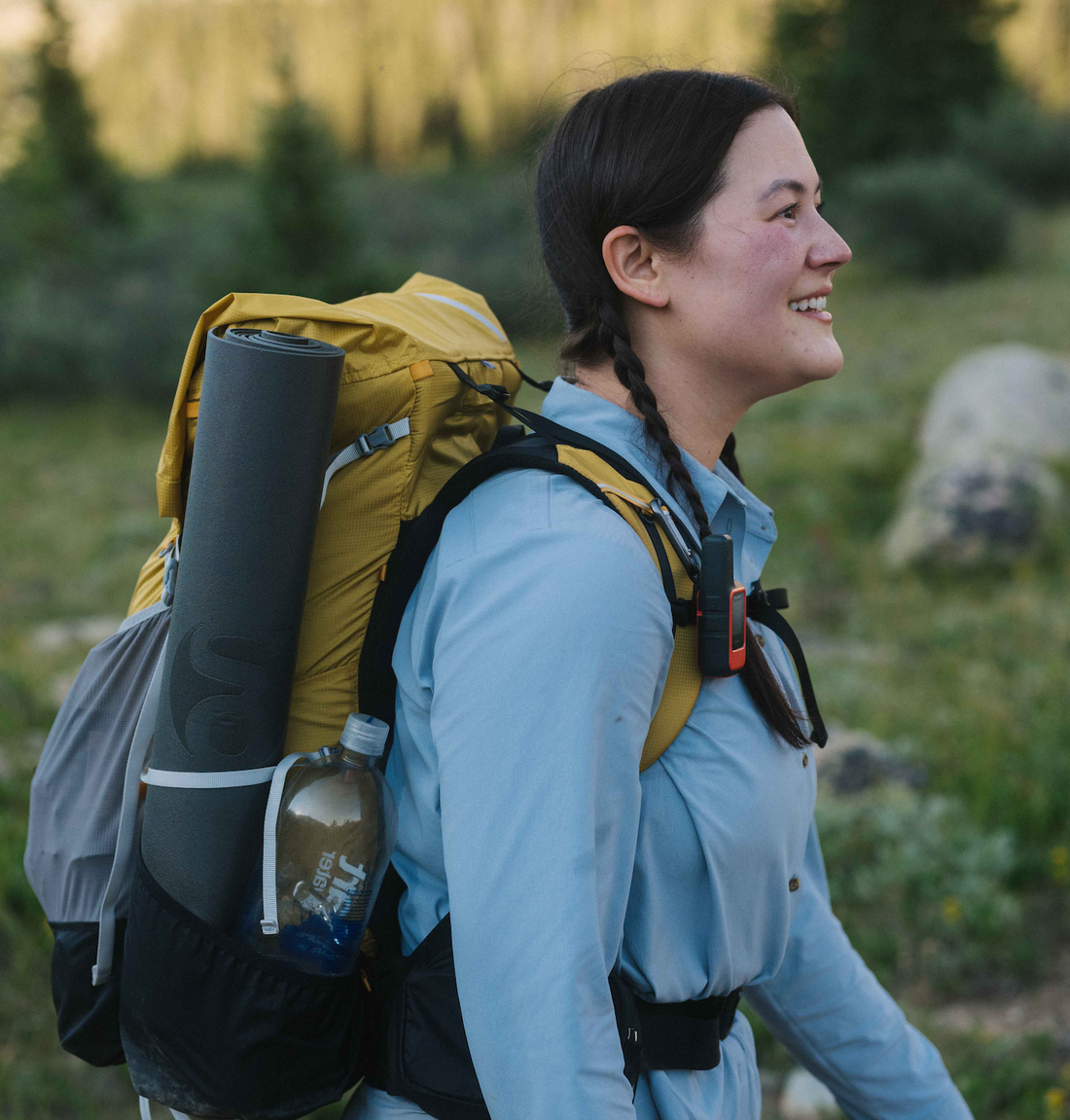
What Size Backpack Do I Need for Everyday Use?
Most people need a 20–30 liter backpack for daily life. This range is large enough for work, school, commuting, errands, and short trips without becoming bulky.
A 15–20 liter bag can work if you carry only a tablet, water bottle, light sweater, and personal items. A 25–30 liter bag is better if you also carry a laptop, lunch, gym clothes, or a camera.
Choose a smaller everyday backpack when:
• You carry only a few items
• You use public transportation in crowded spaces
• You want a light bag for walking or cycling
• You rarely carry extra clothing or equipment
Choose a larger everyday backpack when:
• You carry a laptop and several books
• You bring lunch and a water bottle
• You need gym shoes or a change of clothes
• You commute in changing weather
In my own testing of commuter bags, the most common mistake is choosing a pack that is too large. Extra space often becomes an invitation to carry extra items. A 26-liter backpack usually offers a useful balance between comfort and capacity.
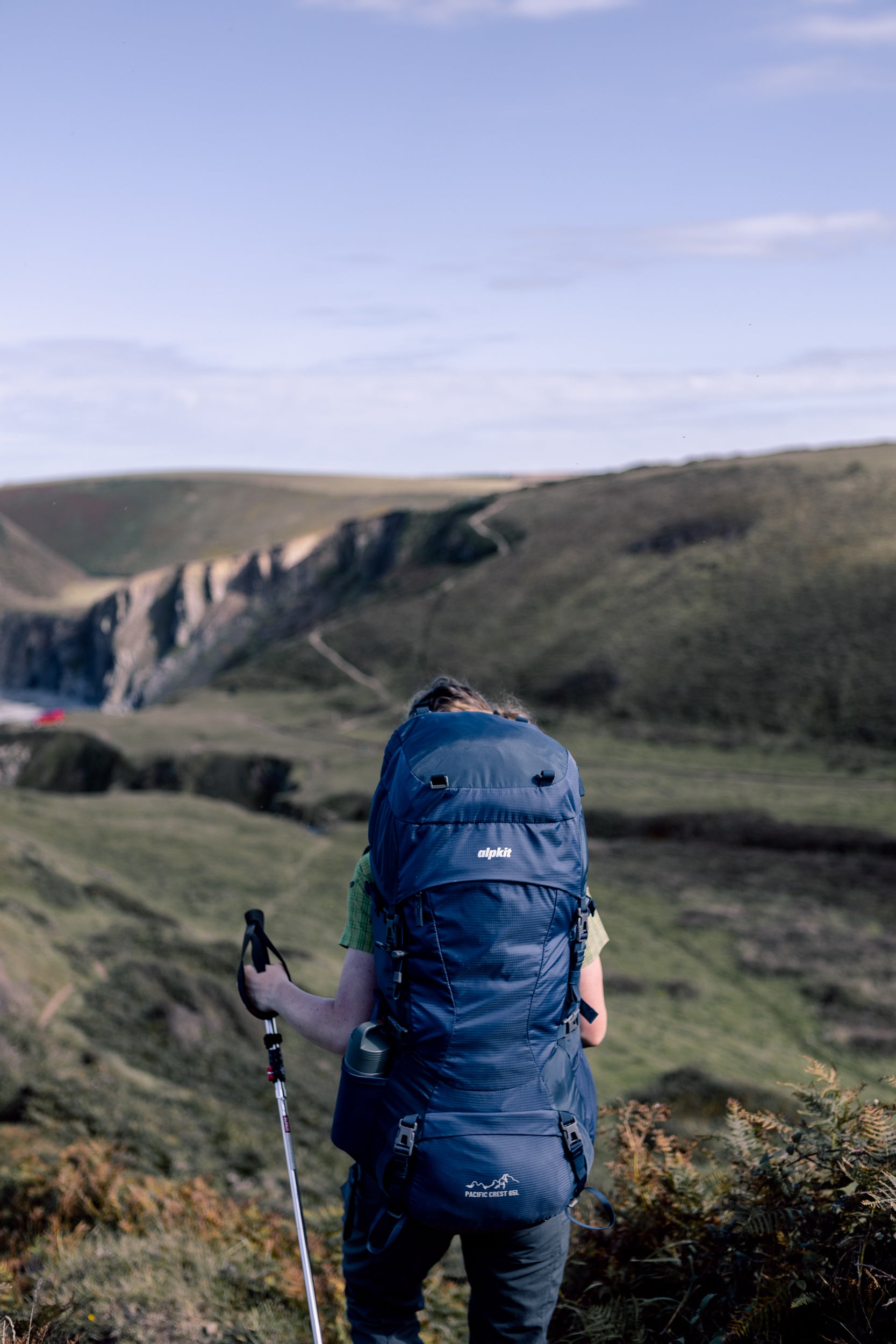
What Size Backpack Do I Need for Work or School?
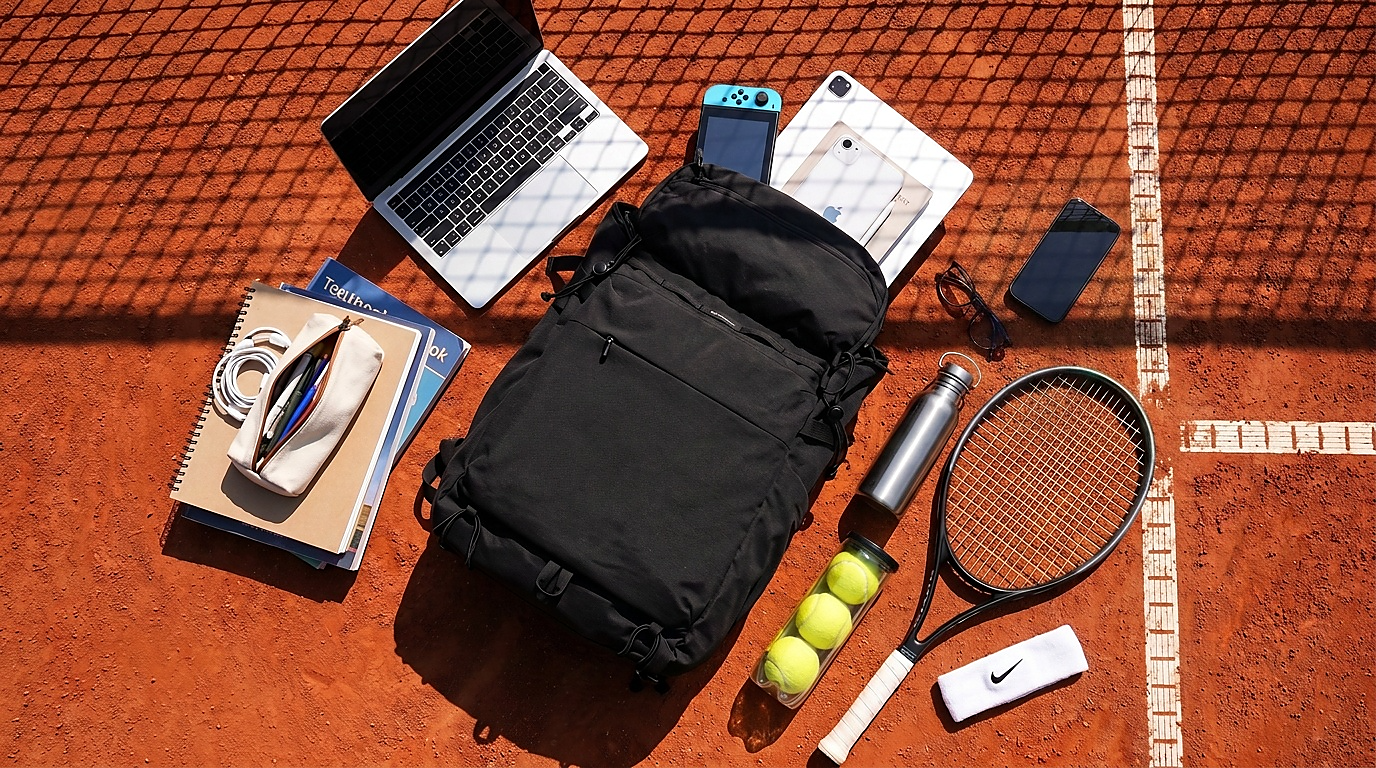
For work or school, a 20–30 liter backpack is usually the safest choice. It can hold a laptop, books, notebooks, lunch, cables, and a light layer.
A backpack for work should have more than enough space. It should also protect your equipment and keep your daily items easy to find.
Look for these features:
• A padded laptop sleeve that fits your device
• A separate tablet or document compartment
• A structured base that lets the bag stand upright
• Small pockets for keys, pens, chargers, and cards
• Comfortable shoulder straps
• A water-resistant exterior or rain cover
A 15-inch laptop may fit in many 20-liter bags, but always check the manufacturer’s laptop dimensions. Laptop size refers to screen measurement, while backpack sleeves are measured by actual width and height.
For school, students who carry heavy textbooks may prefer 25–35 liters. Younger students may need less space, but the pack must still fit their back. The American Academy of Pediatrics advises that backpacks should not exceed about 15% of a child’s body weight.
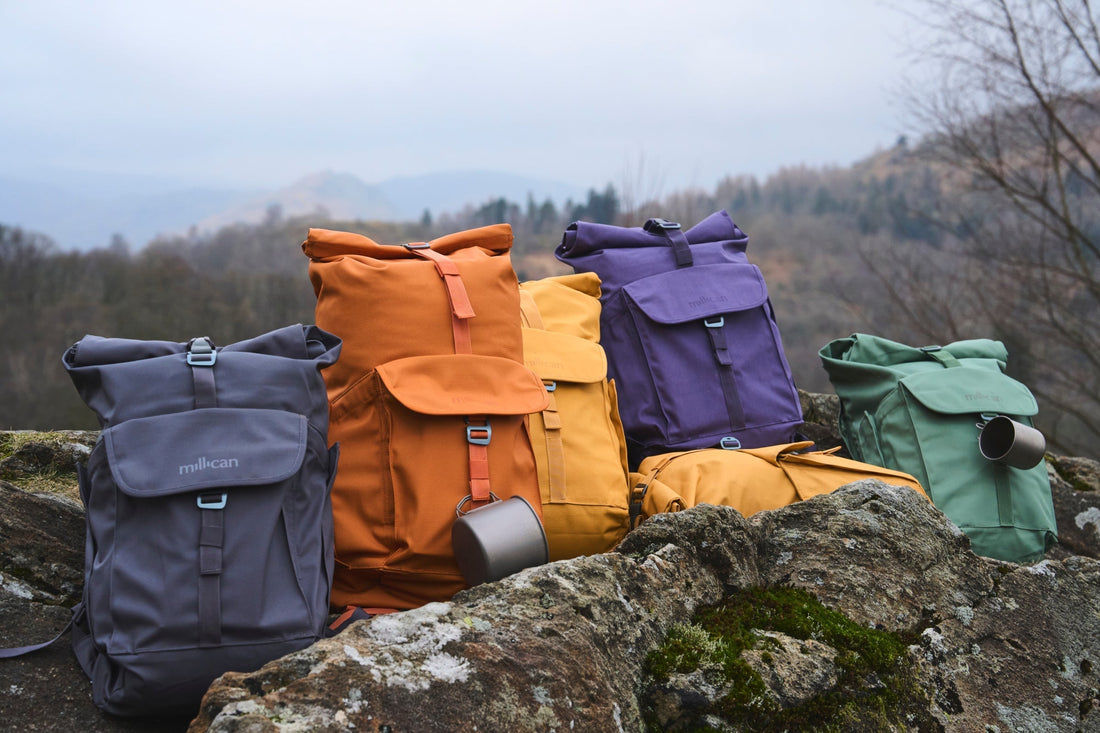
What Size Backpack Do I Need for Travel?
For short travel, most people do well with a 30–45 liter backpack. This range can hold a few outfits, toiletries, electronics, and travel documents.
A 30–35 liter bag works well for a minimalist weekend trip. A 40–45 liter backpack gives you more room for shoes, thicker clothing, or souvenirs.
For air travel, a smaller backpack is often easier to use as a personal item. Airline rules vary, so check the current size limits before flying. A bag that fits under the seat on one airline may need to go in the overhead bin on another.
Choose a travel backpack based on your habits:
• Minimal packer: 25–35 liters
• Average packer: 35–45 liters
• Cold-weather traveler: 45–55 liters
• Traveler carrying camera or work gear: 40–50 liters
A clamshell opening can make travel packing easier. It opens like a suitcase and lets you see the full interior. Compression straps can also reduce bulk, but they cannot create more space.
When people ask what size backpack do I need for a week, the honest answer is often 40–50 liters if they pack carefully. A seven-day trip does not always require seven complete outfits. Laundry, layered clothing, and versatile shoes can reduce the load.
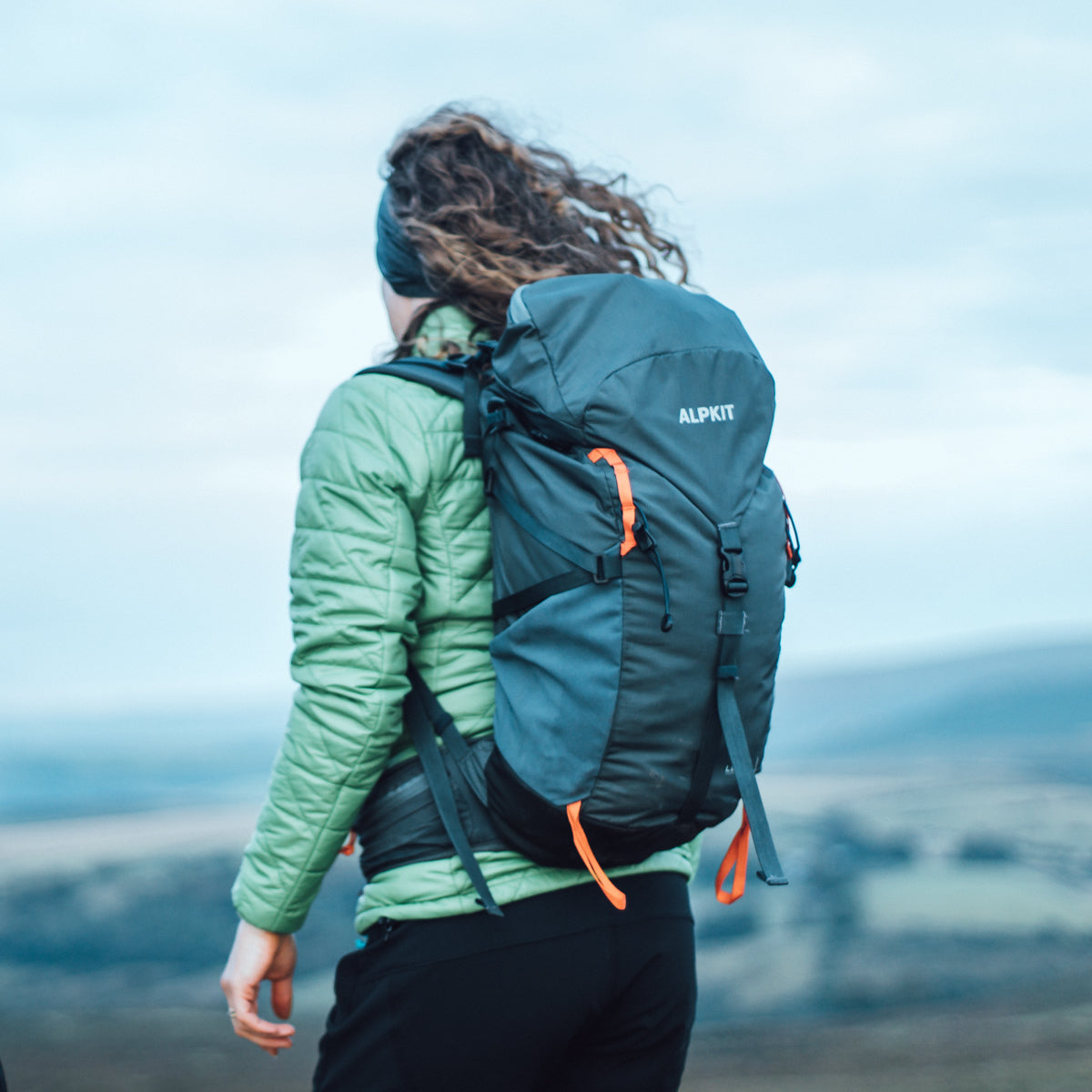
What Size Backpack Do I Need for Hiking?
For hiking, the right size depends on the length of the trip and the equipment you carry.
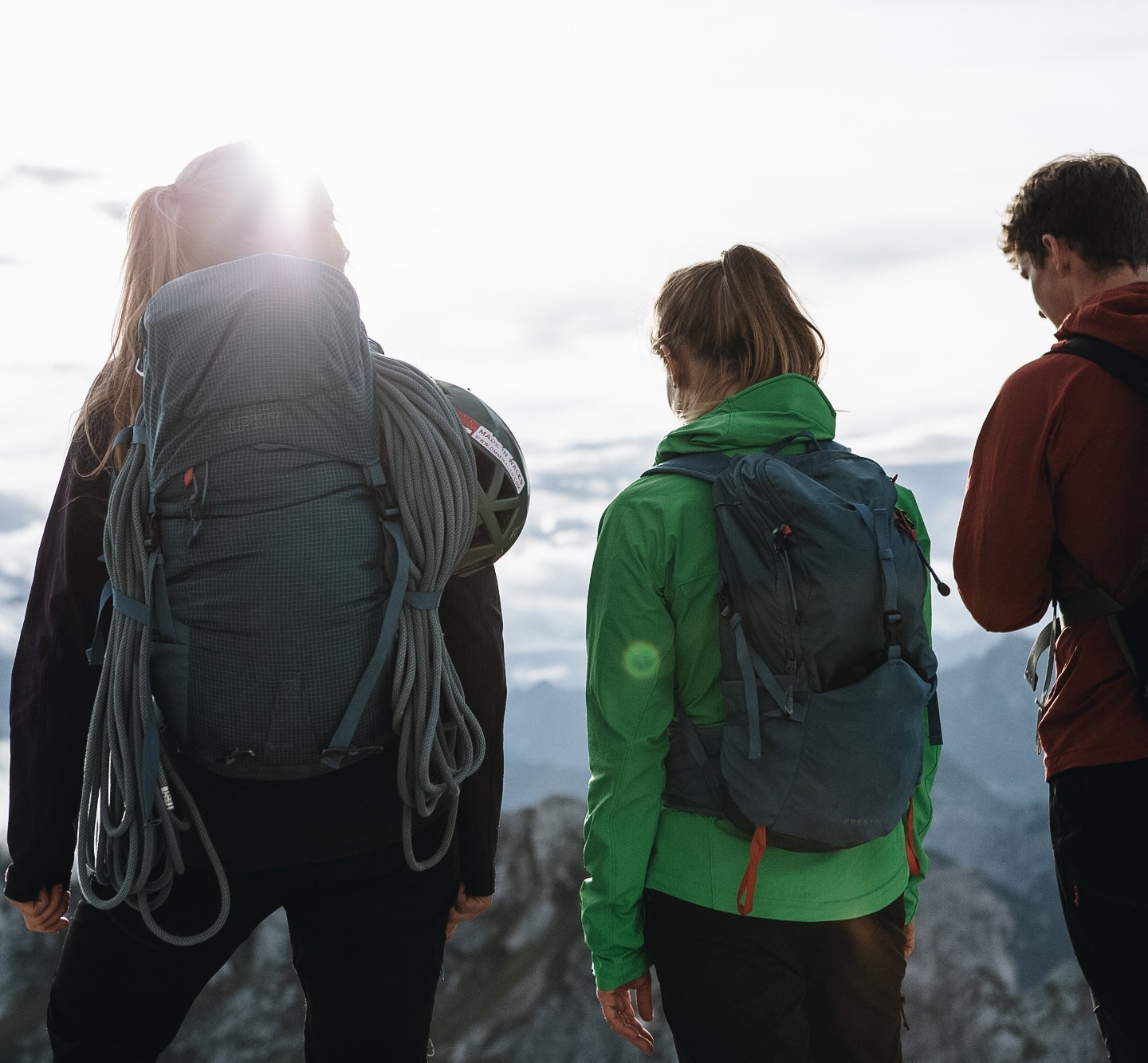
A day hike usually needs a 15–30 liter backpack. It should hold water, food, extra layers, sun protection, a map, a first-aid kit, and emergency items.
An overnight hike may need 35–50 liters. You must make room for a sleeping bag, sleeping pad, shelter, food, stove, and spare clothing.
A multi-day backpacking trip often needs 50–70 liters. Winter trips may require even more space because insulated clothing and sleeping gear are larger.
Use this basic hiking guide:
• Two to five hours: 10–20 liters
• Full day: 20–30 liters
• One night: 35–50 liters
• Two to four nights: 45–65 liters
• Longer or winter trips: 60–80 liters
Your gear matters as much as the number of days. A lightweight tent and compact sleeping bag can reduce the required capacity. A bulky sleeping bag, thick clothing, or large cooking system may require a larger pack.
A common beginner mistake is buying a 70-liter backpack for a short trip. The extra space can make the pack heavier and harder to control. Pack volume should support your gear, not replace careful planning.
What Size Backpack Do I Need for Camping?
Camping backpacks usually range from 40 to 70 liters. The correct capacity depends on whether you carry shared equipment and how much comfort you want.
If you share a tent, stove, fuel, or cooking equipment with another person, you can divide the load. This may allow you to use a 45–55 liter pack. Solo campers often need 55–70 liters.
Consider these items before choosing:
• Tent or hammock
• Sleeping bag and sleeping pad
• Food and water
• Stove and fuel
• Extra clothing
• Rain gear
• First-aid and repair supplies
• Personal hygiene items
Water is especially important because it is heavy. One liter of water weighs about 2.2 pounds, before counting the container. A pack may have enough physical space but still become uncomfortable when fully loaded.
I have found that the best camping pack is not the one with the largest main compartment. It is the one that carries the load close to your body and keeps heavy items stable. Capacity matters, but load control matters just as much.
How to Choose the Right Backpack Fit
Capacity answers only part of what size backpack do I need. The backpack must also match your torso length and body shape.
Torso length is measured from the prominent bone at the base of your neck to the top of your hip bones. It is not the same as your height. Two people of the same height can have different torso lengths.
To measure your torso:
-
Tilt your head forward and find the bony bump at the base of your neck.
-
Place your hands on your hips with your thumbs pointing toward your back.
-
Imagine a line between your thumbs.
-
Measure from the neck bump to that line.
Many hiking backpacks come in small, medium, and large torso ranges. Some have adjustable suspension systems. Always compare your measurement with the brand’s fit guide.
A good backpack should meet these fit points:
• The hip belt rests on the upper hip bones.
• The shoulder straps follow the curve of your shoulders.
• The load lifters angle slightly upward toward the pack.
• The back panel touches you without creating painful pressure.
• The pack does not pull backward or swing from side to side.
The hip belt should carry much of the weight on a hiking pack. Shoulder straps should hold the bag close, not support the entire load.
Backpack Capacity Is Not the Same as Weight
A large backpack can hold more, but it can also lead to a heavier load. This is one reason the answer to what size backpack do I need should include weight, not just liters.
For everyday use, a comfortable load may be far below the backpack’s maximum capacity. For hiking, many people aim to keep the total pack weight as low as practical. The right limit depends on fitness, terrain, trip length, and medical needs.
Use these habits to control weight:
• Weigh your packed bag before a trip.
• Remove duplicate items.
• Choose compact clothing and gear.
• Carry only the water you need between refill points.
• Put dense items near your back.
• Keep emergency gear, but avoid unnecessary extras.
A backpack should not feel like a small suitcase filled with rocks. If it causes numbness, sharp pain, or changes the way you walk, stop and adjust it. Persistent pain deserves advice from a qualified health professional.
How to Pack Different Backpack Sizes
Good packing can make a small backpack feel much larger. Start by placing the items you need least often at the bottom. Keep heavy items close to your back and near the middle of the pack.
A useful packing order is:
-
Place soft items, such as sleepwear or a jacket, at the bottom.
-
Put heavy items, such as food or a laptop, near your back.
-
Store medium-weight items around the sides.
-
Keep rain gear, snacks, and first-aid supplies near the top.
-
Use outside pockets for items you need quickly.
Avoid placing hard objects directly against your back. They can create pressure points and make the pack uncomfortable.
Do not fill every pocket just because it is available. A nearly full bag can be harder to close, less stable, and heavier than expected. Compression straps can help keep the load close to your body.
Common Backpack Buying Mistakes
Many shoppers focus on appearance first. Color and style matter, but comfort and function should lead the decision.
Avoid these mistakes:
• Buying the biggest bag “just in case”
• Ignoring torso length
• Choosing a laptop bag without checking sleeve dimensions
• Testing an empty pack only
• Forgetting the weight of water and electronics
• Picking a bag with no useful organization
• Assuming water-resistant means waterproof
• Failing to check airline measurements
Try the backpack with realistic weight. Add books, a laptop, or water bottles and walk for several minutes. Adjust the straps and check whether the bag remains comfortable.
One lesson I learned early is that a pack can feel perfect in a store and uncomfortable after an hour. Short testing is useful, but a loaded fit test gives much better information.
How to Decide What Size Backpack Do I Need
Use this simple process when comparing backpack sizes:
-
Write down your main use.
-
List the items you carry on a normal day or trip.
-
Separate essential items from optional items.
-
Measure bulky gear, such as shoes or sleeping bags.
-
Choose a capacity with a small amount of extra room.
-
Check the torso range and strap design.
-
Test the bag with a realistic load.
For daily commuting, start with 20–30 liters. For weekend travel, look at 35–45 liters. For overnight hiking, consider 35–50 liters, and for multi-day backpacking, 50–70 liters is common.
If you are between two sizes, choose the smaller bag when your gear is compact and your habits are simple. Choose the larger one when you carry winter layers, camera equipment, or shared camping gear.
Frequently Asked Questions About What Size Backpack Do I Need
Is a 20-liter backpack big enough for everyday use?
A 20-liter backpack is large enough for many daily routines. It can hold a laptop, lunch, water bottle, light jacket, and personal items if the bag is well organized.
Is a 30-liter backpack too big for daily use?
A 30-liter backpack is not too big for many commuters, students, or gym users. It may feel bulky if you carry only a few small items, especially on crowded public transportation.
What size backpack do I need for a three-day trip?
A 35–45 liter backpack usually works for a three-day trip. Careful packing, light clothing, and access to laundry may let you use a smaller bag.
What size backpack do I need for a day hike?
A 15–30 liter backpack is suitable for most day hikes. Choose the larger end of the range if you need extra layers, camera equipment, a large water supply, or winter gear.
Can a 40-liter backpack be used as a carry-on?
A 40-liter backpack may work as a carry-on, but its actual dimensions matter more than its volume. Always compare the packed bag with your airline’s current carry-on limits.
How do I know if my backpack is too large?
Your backpack may be too large if it feels bulky when packed, shifts while you walk, or encourages you to carry unnecessary items. A good pack should hold your gear without leaving a large, unused cavity.
How heavy should a backpack be?
There is no single safe weight for every adult because fitness, health, age, and terrain differ. For children, pediatric guidance commonly recommends keeping the backpack near or below 15% of body weight.
Conclusion
The best answer to what size backpack do I need depends on your activity, gear, trip length, and body fit. Most daily users will be comfortable with 20–30 liters, travelers often need 30–45 liters, and hikers may need 35–70 liters.
Choose the smallest backpack that comfortably holds your essential gear. Check the fit, test it with weight, and remember that smart packing can matter more than a few extra liters. Use this guide when comparing your next backpack, and share your favorite size or packing tip in the comments.

Zayden Halbrook is a travel enthusiast and gear researcher passionate about making every journey smoother and more enjoyable. With a keen eye for practical travel essentials and real-world tips, he helps readers choose the right gear and travel smarter. When he’s not testing travel kits or exploring new destinations, Zayden shares simple, reliable advice to make every trip stress-free.