Samsonite luggage is made in several countries, including China, India, Vietnam, and parts of Europe.
If you ask where is Samsonite luggage made, the most accurate answer is that it depends on the collection, material, size, and market. Samsonite uses a global supply chain, so two bags with the same brand name may carry different country-of-origin labels. This guide explains how Samsonite manufactures its luggage, how to check a specific suitcase, and what the country of manufacture means for quality.
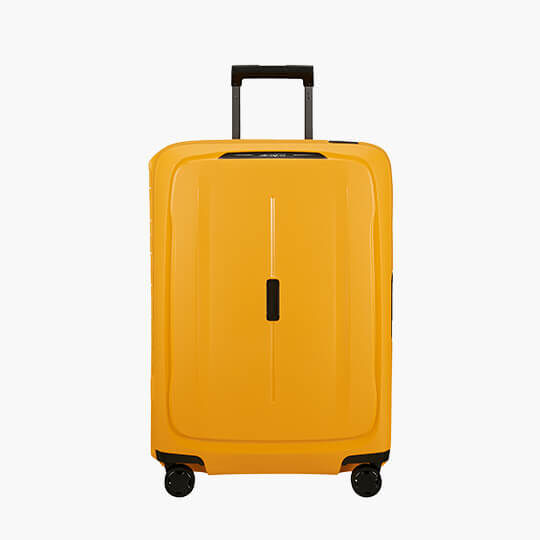
Where Is Samsonite Luggage Made?
Samsonite luggage is made in multiple production centers around the world. Common manufacturing locations include:
• China
• India
• Vietnam
• Hungary
• Belgium and other European locations for some products or components
The exact list can change over time. Samsonite adjusts production based on product type, factory capacity, material needs, labor costs, and regional demand.
So, where is Samsonite luggage made for a specific suitcase? The answer is usually printed on the product label, packaging, or product details page. Look for phrases such as “Made in China,” “Made in India,” or “Made in Vietnam.”
Samsonite is a global luggage company, not a brand that makes every product in one country. Its design, testing, sourcing, and sales operations may happen in different places from final assembly.
Samsonite’s global manufacturing model
Samsonite uses a mix of company-managed operations and independent manufacturing partners. This model lets the brand produce hard-shell luggage, softside luggage, backpacks, business cases, and travel accessories at different sites.
A hard-shell suitcase may need special molding equipment. A fabric suitcase needs sewing lines, zippers, frames, wheels, and interior panels. Each product type may therefore come from a different factory or country.
Public company reports have consistently described Samsonite as a global business with manufacturing and sourcing across Asia, Europe, and other regions. However, factory details can change as contracts and product lines change.
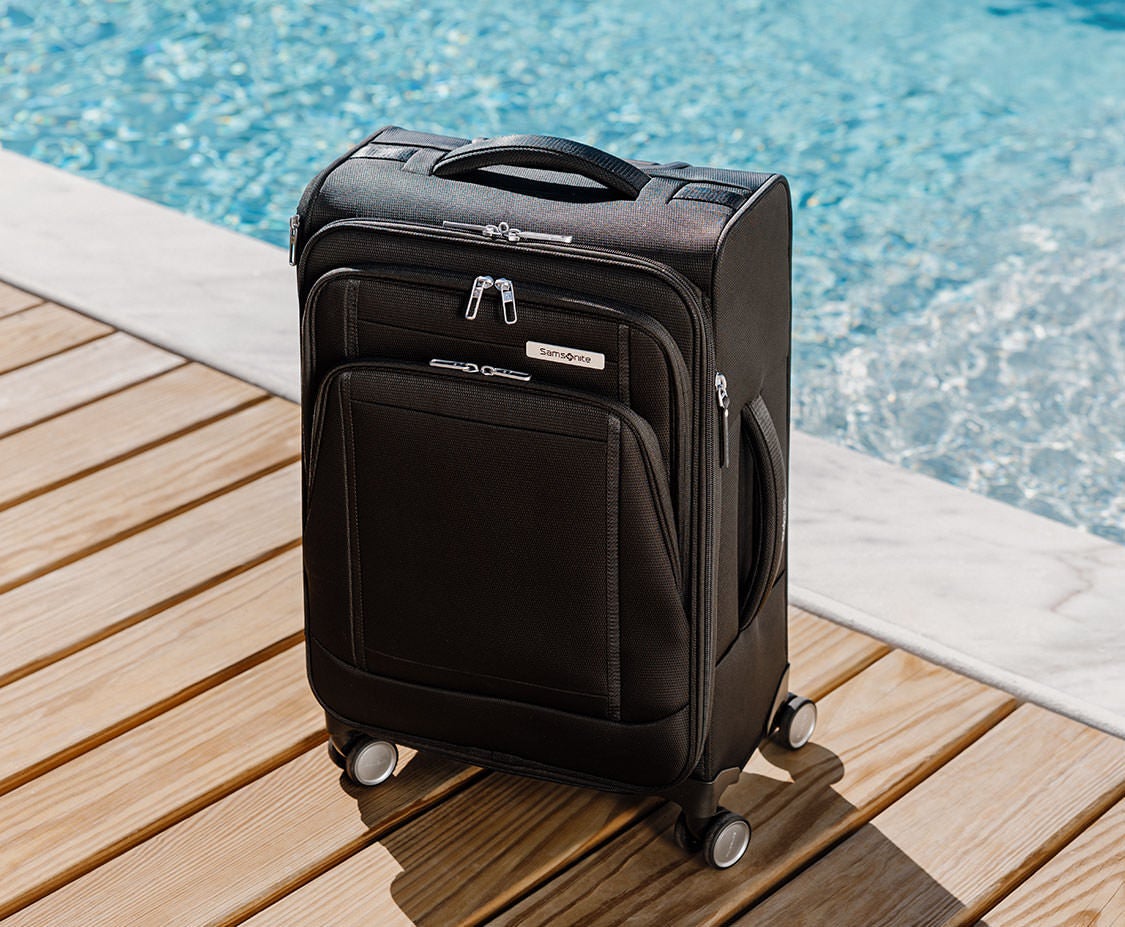
Does Samsonite Make Luggage in China?
Yes, Samsonite makes some luggage in China. China has a large and well-developed travel-goods industry, with factories that can produce molded polycarbonate cases, polypropylene cases, fabric bags, wheels, handles, and other parts.
When people ask where is Samsonite luggage made, China is often part of the answer. Many international luggage brands use Chinese factories because they offer advanced equipment, skilled workers, large production capacity, and established supply networks.
A “Made in China” label does not automatically mean poor quality. The final result depends on several factors:
• The design standards set by Samsonite
• The quality of the raw materials
• Factory controls and inspection
• Wheel, handle, zipper, and lock testing
• Product specifications and price category
A premium Samsonite case made in China can perform better than a low-cost case made elsewhere. Country of origin is only one part of a quality assessment.
In practical use, the parts that often matter most are the telescoping handle, wheel mounts, zipper tracks, corner protection, and shell flexibility. These parts face more stress than the logo or outer finish.
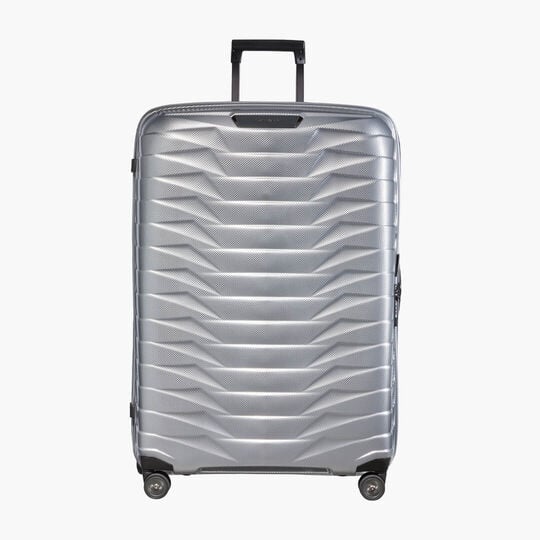
Is Samsonite Luggage Made in India?
Yes, some Samsonite products are made in India. India has a strong textile and travel-goods sector, along with growing production of molded luggage and plastic components.
India may be used for softside luggage, backpacks, business bags, and selected hard-shell products. The product line and destination market determine the final manufacturing location.
The question where is Samsonite luggage made cannot be answered by looking only at the brand’s headquarters. A company can design a product in one country, source fabric from another, and assemble the finished bag in India.
India-made Samsonite luggage can still follow the same brand specifications as products made elsewhere. Samsonite may require suppliers to meet standards for:
• Fabric strength
• Seam quality
• Wheel movement
• Handle durability
• Zipper performance
• Color consistency
• Chemical and safety requirements
If you are shopping online, check the product description carefully. Retailers do not always show the country of origin in the main listing, but it may appear in the specifications or images of the product label.
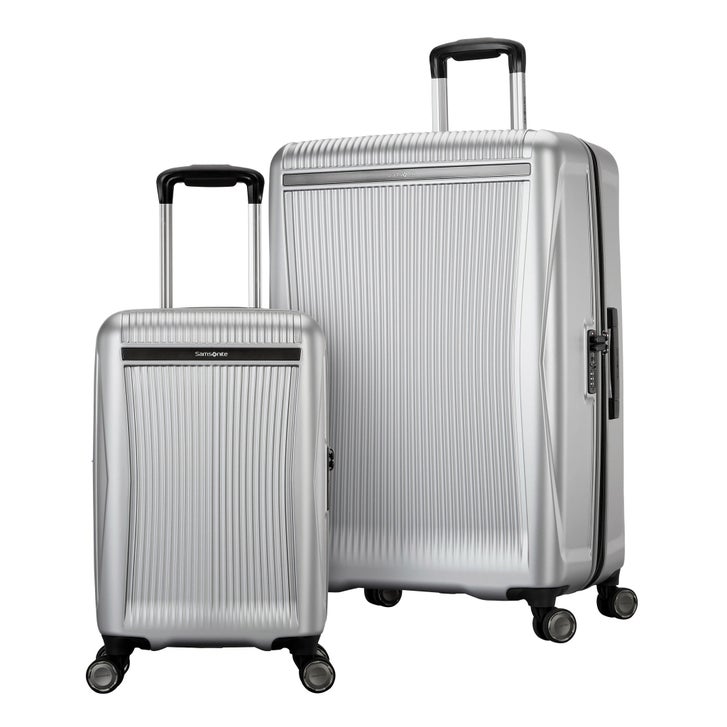
Is Samsonite Luggage Made in Vietnam?
Some Samsonite luggage is made in Vietnam. Vietnam has become a major production center for bags, travel goods, footwear, and other consumer products.
Vietnamese factories often produce fabric luggage, backpacks, soft travel bags, and selected hard-shell cases. The country also has strong experience in sewing, assembly, finishing, and export logistics.
Where is Samsonite luggage made in Vietnam? It depends on the collection and factory partner. One line may be assembled in Vietnam while another line is produced in China, India, or Europe.
Vietnam-made luggage is not automatically better or worse than luggage from another country. The same basic rule applies: judge the complete product, not only the label.
Before buying, review:
- The shell or fabric material
- The wheel design
- The handle feel
- The warranty terms
- The interior layout
- The return policy
These details tell you more about daily performance than the manufacturing country alone.
Is Any Samsonite Luggage Made in Europe?
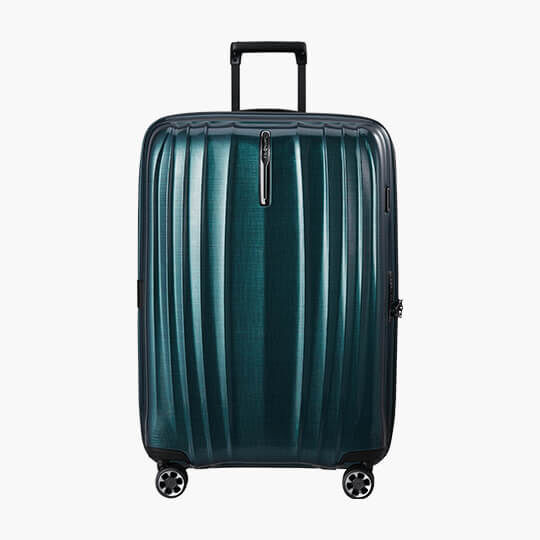
Yes, some Samsonite products and components have been made in Europe. Samsonite has a long history in Europe and has operated or used European production facilities for selected luggage and travel products.
Belgium and Hungary are often associated with Samsonite’s European manufacturing history. Some European-made products may be sold mainly in certain regional markets rather than worldwide.
European production does not mean that every part comes from Europe. A case may contain wheels, zippers, fabric, plastic, or metal parts sourced from several countries. The final assembly location is usually what appears on the country-of-origin label.
This is why where is Samsonite luggage made may have a different answer for two products sold in the same store. A suitcase made for the European market may not have the same production location as a similar suitcase made for North America.
Where Is Samsonite Designed and Headquartered?
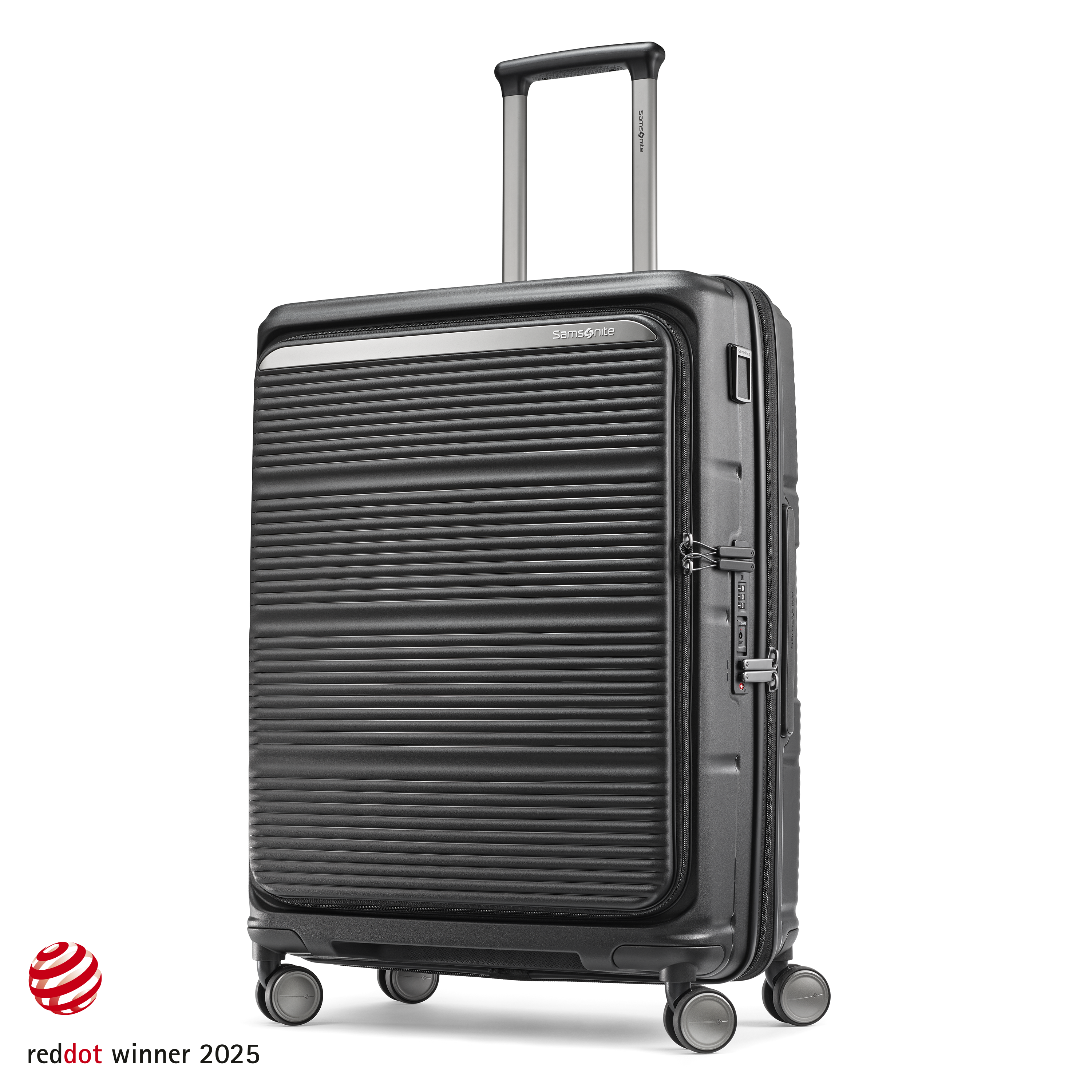
Samsonite began in Denver, Colorado, in 1910. Today, Samsonite International S.A. is a global company with corporate operations based in Luxembourg and business activities around the world.
Design work may involve teams in Europe, Asia, and North America. Product development can include industrial design, engineering, material testing, user testing, and travel research.
This creates a useful distinction:
• Brand origin refers to where Samsonite began
• Corporate headquarters refers to where the company is legally or administratively based
• Design location refers to where product concepts and specifications are developed
• Manufacturing location refers to where the final product is made or assembled
These locations do not need to be the same. A product can be an American-founded brand, designed by an international team, and manufactured in Asia or Europe.
This global system is common in the luggage industry. It helps brands control costs while offering products in many price ranges.
How to Find the Country of Origin on Samsonite Luggage
The easiest way to confirm where is Samsonite luggage made is to inspect the bag itself. Do not rely only on a seller’s headline or a general statement about the brand.
Use these steps:
- Check the sewn-in label inside the main compartment.
- Look near the care label or material label.
- Inspect the product box or hangtag.
- Search the model number on Samsonite’s official website.
- Ask the retailer for a country-of-origin confirmation.
- Contact Samsonite customer service if the label is unclear.
The model number is especially useful. It may appear on a tag near the interior pocket, warranty card, receipt, or product packaging.
Country-of-origin information may be shown as “Made in,” “Manufactured in,” or “Assembled in.” These terms can have different legal meanings. Assembly in one country does not always mean every component came from that country.
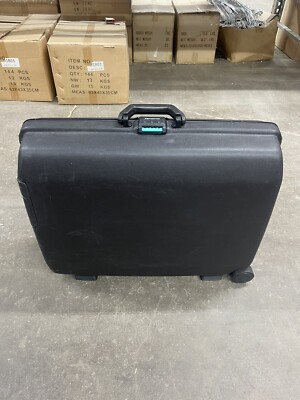
For used luggage, labels may be faded or removed. In that case, compare the case with official product photos and look for model markings, wheel shapes, handle designs, lining patterns, and lock placement.
Does the Manufacturing Country Affect Samsonite Quality?
The manufacturing country can affect production methods and consistency, but it does not determine quality by itself. Samsonite applies product specifications and quality checks across its supply chain.
A suitcase’s quality usually depends on its complete design. For example, a strong shell will not help much if the wheel housing is weak. A durable fabric bag can still disappoint if the zipper pulls or telescoping handle are poorly designed.
When evaluating a Samsonite suitcase, focus on these points:
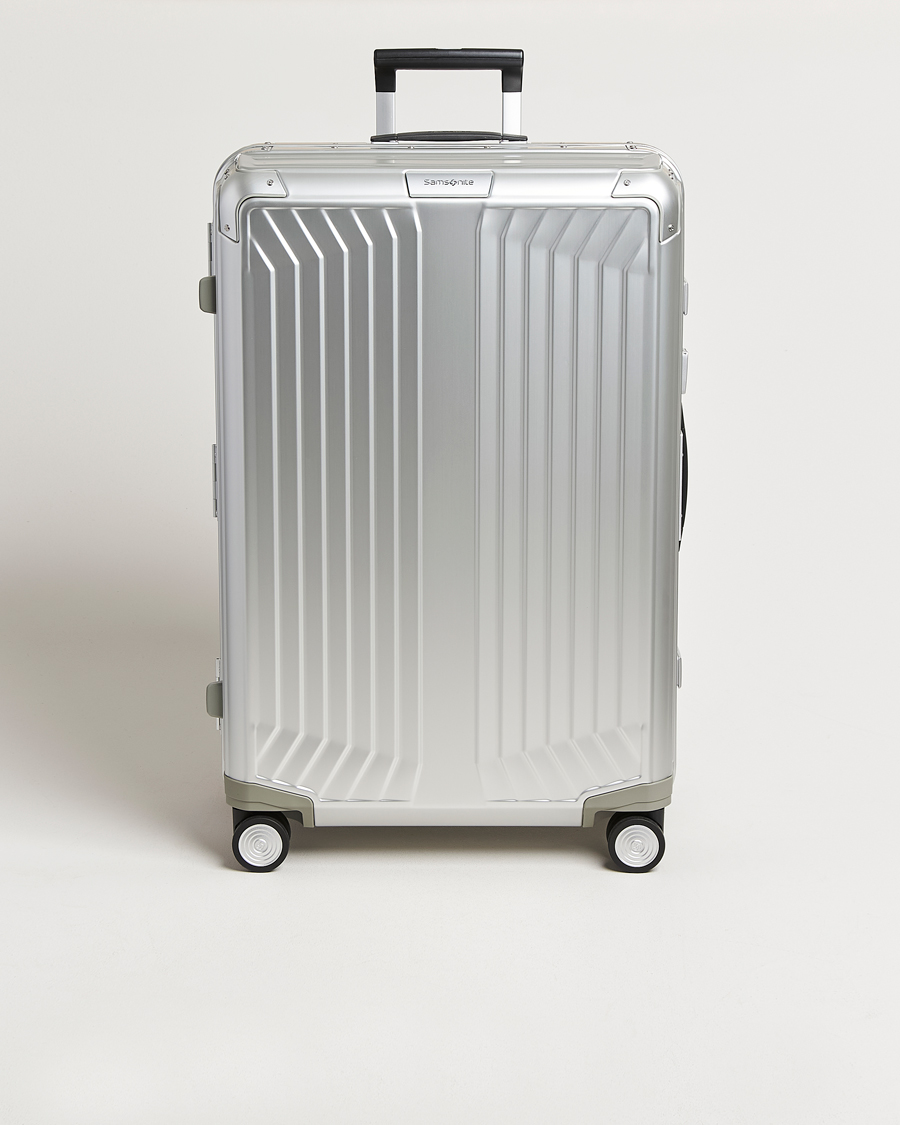
• Polycarbonate is usually more impact-resistant than basic ABS plastic
• Polypropylene is light and flexible
• Ball-bearing wheels often roll more smoothly
• Reinforced corners can reduce damage
• A sturdy handle should lock firmly at each height
• Zippers should move without catching
• Seams should be straight and tightly finished
My practical advice is simple: roll the suitcase across a hard floor before buying it. Pull the handle up and down several times. Turn each wheel in different directions. Small problems are easier to spot in a store than at an airport.
I have also seen shoppers focus too much on the country label and overlook the warranty. That is a costly mistake. A clear warranty, strong retailer support, and available replacement parts may matter more than whether the bag was made in China, India, Vietnam, or Europe.
Does Samsonite Own Its Factories?
Samsonite uses a combination of manufacturing arrangements. It has had company-operated facilities and also works with third-party suppliers.
The balance can vary by year and product category. A company may own or manage some production while outsourcing other lines to specialist factories.
This approach is common because luggage production requires many skills. One supplier may specialize in molded shells, while another focuses on sewing, aluminum frames, wheels, or travel accessories.
When considering where is Samsonite luggage made, it is helpful to separate factory ownership from manufacturing location. A Samsonite product can be made to Samsonite specifications even when the factory is an independent supplier.
The brand remains responsible for product design, standards, testing requirements, warranty policies, and market compliance. Still, supply-chain transparency has limits. Companies do not always publish a full list of every factory used for every model.
Are Samsonite Bags Made in the United States?
Most current Samsonite luggage is not made in the United States. The brand was founded in the United States, but much of its modern production takes place through international manufacturing networks.
Some products may include components sourced from the United States or may be sold through American operations. That does not mean the finished suitcase was made there.
If a retailer claims that a Samsonite bag is American-made, verify the exact model and label. Product descriptions can sometimes confuse brand history, company operations, and manufacturing origin.
The safest answer to where is Samsonite luggage made is always model-specific. Check the physical label or obtain written confirmation from the seller.
What Materials Does Samsonite Use?
Samsonite uses several materials across its product range. The material often gives you a better idea of how a suitcase will behave during travel.
Hard-shell materials
Common hard-shell materials include:
• Polycarbonate, which is tough and impact-resistant
• Polypropylene, which is light and flexible
• ABS, which is usually less expensive but may be less resilient
• Aluminum, which offers a premium look and strong frame protection
A polycarbonate case may resist cracking better than a basic ABS case. Polypropylene can flex under pressure and remain light. Aluminum cases look striking but may dent and weigh more.
Softside materials
Softside Samsonite luggage may use:
• Polyester
• Nylon
• Ballistic nylon
• Coated fabrics
• Mesh and synthetic lining materials
Fabric luggage can offer outside pockets and extra flexibility. Hard-shell luggage often gives better protection from moisture and crushing. Neither style is best for every traveler.
Think about your travel habits. A frequent flyer may value impact resistance and smooth wheels. A road traveler may prefer softside pockets and lighter weight.
What Does Samsonite’s Warranty Cover?
Samsonite warranties vary by collection, region, and product. Some products carry limited warranties for a set number of years, while others may have longer coverage.
A warranty may cover manufacturing defects. It often does not cover normal wear, airline damage, cosmetic marks, misuse, or damage caused by accidents.
Read the warranty terms before buying. Keep your receipt, product registration details, and model information in a safe place.
If an airline damages your suitcase, report the problem to the airline before leaving the airport when possible. Airline baggage claims and manufacturer warranties are separate matters.
A good warranty cannot prevent damage, but it can make repairs less stressful. Check whether the brand offers repair centers, replacement wheels, handles, or other parts in your country.
How to Choose Samsonite Luggage by Travel Type
Knowing where is Samsonite luggage made is useful, but choosing the right design is just as important.
For frequent air travel
Choose a case with:
• Strong wheels
• A durable shell
• A TSA-approved lock
• Reinforced corners
• A firm telescoping handle
• A useful interior divider
For short business trips
A softside spinner or garment-friendly case may work well. Outside pockets can provide quick access to a laptop, passport, charger, or documents.
For family vacations
Look for expandable storage, easy-grip handles, durable wheels, and a lining that is simple to clean. Bright colors can also make bags easier to spot at baggage claim.
For international travel
Check the size and weight limits of your airline. A large suitcase may hold more, but an overweight bag can create extra fees and strain your back.
The best Samsonite luggage is the bag that matches your travel needs. A premium case can still feel wrong if it is too heavy, too large, or difficult to maneuver.
Frequently Asked Questions About Where Is Samsonite Luggage Made
Is Samsonite luggage made in China?
Yes, some Samsonite luggage is made in China. China is one of several manufacturing locations used for Samsonite products, and the exact origin depends on the model and market.
Is Samsonite luggage made in India?
Yes, selected Samsonite luggage and travel products are made in India. Check the product label or model information because not every Samsonite item has the same country of origin.
Is Samsonite luggage made in Vietnam?
Yes, some Samsonite luggage is made in Vietnam. Vietnamese factories may produce softside luggage, backpacks, and selected hard-shell products.
Is Samsonite luggage made in Europe?
Some Samsonite products and components have been made in Europe, including through manufacturing operations linked with Belgium and Hungary. European production applies to selected products, not the entire Samsonite range.
Is Samsonite luggage good quality if it is made in China?
A Samsonite suitcase made in China can be high quality. Design, materials, factory controls, testing, warranty support, and proper use matter more than the country label alone.
How can I tell where my Samsonite suitcase was made?
Look for a sewn-in label, product tag, box, or online specification page. The model number can help Samsonite or an authorized retailer confirm the exact manufacturing location.
Does Samsonite manufacture all its own luggage?
Samsonite uses a mix of company-managed operations and independent manufacturing partners. The arrangement can differ by product category, location, and year.
Conclusion
Samsonite luggage is made across a global network that includes China, India, Vietnam, Hungary, Belgium, and other locations. The exact answer depends on the suitcase model, production year, product category, and sales market.
The country label is useful, but it should not be your only quality test. Check the shell or fabric, wheels, handle, zippers, warranty, and retailer support before you buy. For the most accurate answer to where is Samsonite luggage made, inspect the product label or confirm the model number with Samsonite.
Use these checks the next time you shop, and you will be better prepared to choose luggage that fits your trips, budget, and travel style. Share your Samsonite model and country-of-origin label in the comments to help other travelers compare products.

Zayden Halbrook is a travel enthusiast and gear researcher passionate about making every journey smoother and more enjoyable. With a keen eye for practical travel essentials and real-world tips, he helps readers choose the right gear and travel smarter. When he’s not testing travel kits or exploring new destinations, Zayden shares simple, reliable advice to make every trip stress-free.