
Pack dresses flat, use tissue paper, avoid overfilling, and place delicate fabrics near the top of your suitcase.
Learning how to pack dresses in a suitcase without wrinkling is mostly about reducing pressure, friction, and sharp folds. After testing rolling, folding, tissue paper, packing cubes, and garment bags on short trips and long flights, I have found that the best method depends on the dress fabric, shape, and suitcase space. This guide explains the most reliable steps, common mistakes, and quick ways to remove wrinkles when you arrive.
Why Dresses Wrinkle in a Suitcase
Wrinkles form when fabric stays pressed in one position for a long time. A full suitcase adds strong pressure, while tight folds create sharp lines that become harder to remove during travel.
Movement also causes friction. Clothes rub against each other, zippers, and suitcase lining. This can create creases, pulls, and even small snags on delicate dresses.
Some fabrics wrinkle more easily than others. Linen, cotton, rayon, silk, and thin viscose usually need more care. Polyester, nylon, jersey, and stretch blends often resist wrinkles better.
The garment care label is your best starting point. The Federal Trade Commission requires care labels on many garments sold in the United States, and those labels provide useful guidance about washing, drying, ironing, and fabric care.

Choose the Best Packing Method for Each Dress
There is no single perfect way to pack every dress. A loose cotton sundress can handle gentle rolling, while a structured silk dress may need a flat fold with tissue paper.
Use the fabric and design as your guide:
- Lightweight knits can usually be rolled or folded loosely.
- Linen and cotton dresses should be folded with tissue paper between layers.
- Silk and satin dresses are best folded flat with a smooth protective layer.
- Structured dresses with pleats, beads, or boning should stay flat.
- Jersey and stretch dresses can often be rolled without serious creasing.
- Formal gowns should travel in a garment bag when possible.
When deciding how to pack dresses in a suitcase without wrinkling, also check the dress shape. Wide skirts, puff sleeves, pleats, and decorative details need more room than simple, soft dresses.
My usual rule is simple: roll soft and flexible dresses, but fold structured and delicate dresses. Forcing one method on every garment often creates more wrinkles, not fewer.

Prepare Your Dresses Before Packing
Good packing starts before the suitcase is open. A clean, dry, smooth dress is much easier to pack than one pulled from a laundry basket.
Wash or dry clean the dress according to its care label. Make sure it is fully dry before packing. Even slight moisture can create a stale smell and make wrinkles set more firmly.
Hang each dress for a few hours before packing. This allows small folds from storage to relax. If needed, use a steamer on the correct setting and let the dress cool completely before folding.
Empty every pocket and remove bulky belts, pins, and jewelry. These items can leave dents in the fabric. Detach belts and pack them along the suitcase edge or in a small accessory pouch.
A quick preparation checklist includes:
- Check the care label.
- Remove stains before travel.
- Close zippers and buttons.
- Empty pockets.
- Smooth the fabric by hand.
- Let steamed clothing cool.
- Pack only when the dress is fully dry.
One mistake I made early on was packing a warm dress straight from the dryer. The heat made the fabric soft, but the tight fold later became a deep crease. Cooling the garment first made a noticeable difference.

How to Pack Dresses in a Suitcase Without Wrinkling
Follow these steps for the most dependable results:
-
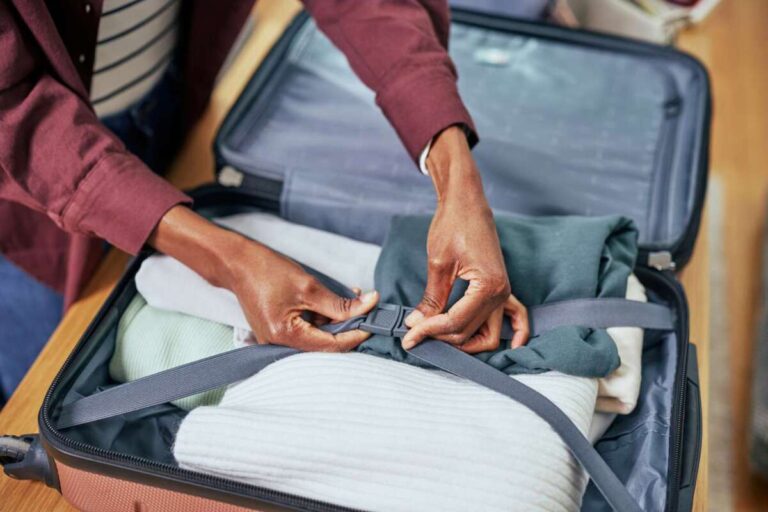
Open the suitcase completely and place it on a flat surface.
-
Put heavier items, such as shoes and toiletry bags, near the wheels or bottom of the suitcase. This keeps them from pressing directly on delicate dresses.
-
Lay one sheet of clean tissue paper on the suitcase surface. Tissue paper reduces friction and helps fabric slide instead of forming hard folds.
-
Place the dress face down and smooth it gently with your hands. Do not stretch the fabric.
-
Fold sleeves and side panels toward the center. Keep the folds loose rather than pressing them sharply.
-
Place another sheet of tissue paper over the first folded section.
-
Fold the dress once or twice more, based on the suitcase size. Avoid making a very small, tight bundle.
-
Place the folded dress near the top of the suitcase. It should not sit beneath shoes, books, or heavy toiletry bags.
-
Add a final tissue layer before closing the suitcase.
-
Close the suitcase without forcing the zipper. If you must push down hard, remove a few items.
This method works because it spreads pressure across the garment. It also keeps fabric layers from gripping each other. Think of tissue paper as a thin buffer between pages in a book.
For very delicate dresses, place the garment inside a breathable cotton pillowcase or a clean fabric garment bag. Avoid sealing natural fabrics in plastic for long periods because trapped moisture can lead to odor.
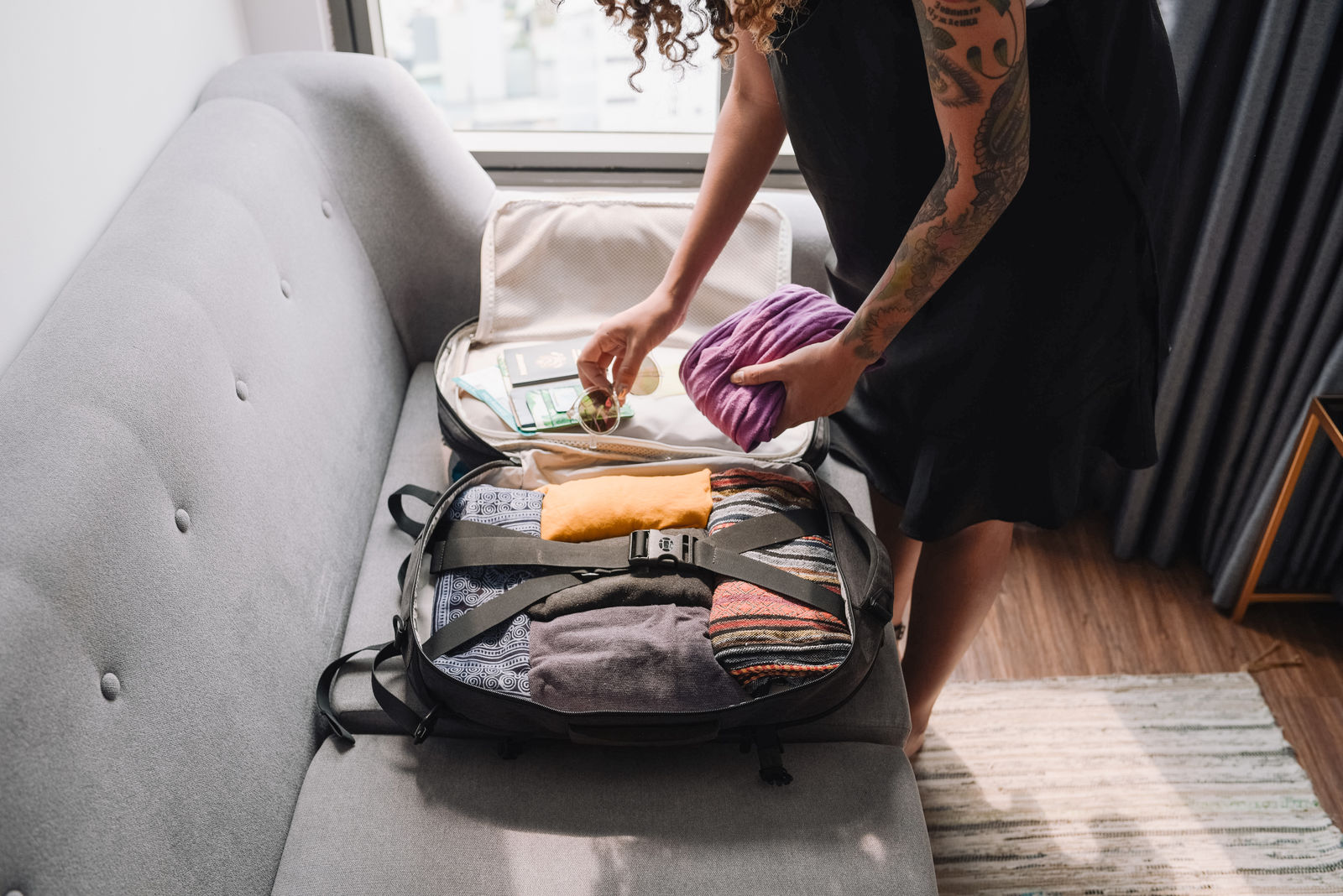
Rolling Dresses: When It Works and When It Does Not
Rolling saves space and works well for soft, casual dresses. It also avoids the sharp horizontal lines caused by repeated flat folds.
To roll a dress, lay it flat and smooth it first. Fold sleeves and wide side panels inward, then roll from the hem toward the neckline. Keep the roll soft and even. Do not twist the dress or make a tight cylinder.
Rolling is a good choice for:
- Jersey dresses
- Stretch cotton dresses
- Casual knit dresses
- Polyester blends
- Simple beach coverups
Avoid rolling:
- Silk slip dresses
- Pleated dresses
- Beaded dresses
- Structured cocktail dresses
- Dresses with stiff collars
- Garments with heavy decoration
During one weekend trip, I rolled two jersey dresses beside a cotton dress. The jersey pieces arrived nearly smooth, but the cotton dress showed a clear fold line. That test reinforced an important lesson: rolling is helpful, but fabric type still matters more than packing fashion.
Compression packing cubes can save space, but use them carefully. Strong compression removes air while increasing pressure. That may be fine for durable knitwear, but it can harm delicate dresses and set wrinkles.

Use Tissue Paper and Packing Cubes Correctly
Tissue paper is one of the simplest tools for packing clothes. It reduces friction and creates a small amount of separation between fabric layers.
Use plain, white, acid-free tissue paper when possible. Colored paper may transfer dye if it becomes damp. Newspaper is not a good substitute because ink can stain light garments.
Packing cubes can keep dresses organized, but they do not automatically prevent wrinkles. Choose a cube that gives the dress room to lie flat. A cube that is too small creates pressure around seams and edges.
For the best result:
- Line the cube with tissue paper.
- Fold the dress loosely.
- Avoid stuffing the cube to capacity.
- Place delicate dresses in a separate cube.
- Keep structured dresses flat.
- Do not use heavy compression on silk or satin.
A garment folder can work well for business dresses and formal clothing. It keeps folds consistent and prevents other items from pressing directly against the fabric.

Arrange Your Suitcase to Protect Dresses
Suitcase layout has a major effect on wrinkles. Heavy items should stay at the bottom, while dresses should remain in the middle or upper part of the case.
Place shoes in shoe bags and position them around the suitcase edges. Fill the inside of each shoe with socks, underwear, or a belt. This uses space without allowing the shoes to crush your clothing.
Keep toiletries in a sealed bag. A leaking bottle can damage fabric and make wrinkle removal much harder. Place the toiletry bag near the suitcase edge, where it is easier to inspect.
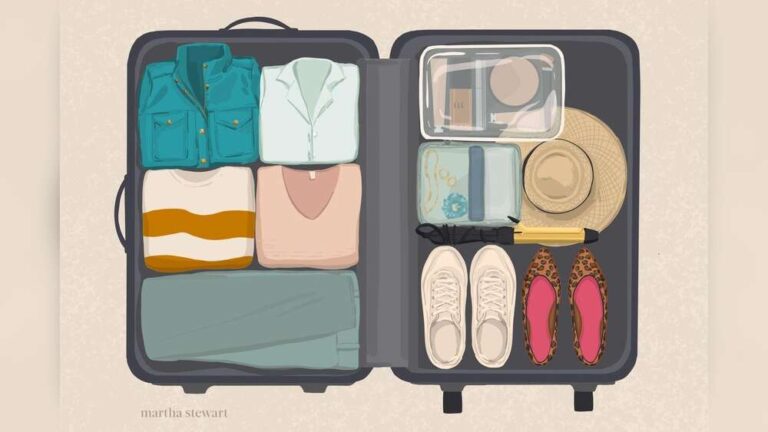
A useful suitcase order is:
- Shoes and heavy items near the wheels
- Jeans and thick clothing in the lower layer
- Folded dresses with tissue paper in the middle
- Blouses and light clothing above the dresses
- Accessories in small gaps
- A thin, soft layer on top
Do not overpack. When a suitcase is full, every garment acts like a small press. The pressure may not show at first, but it becomes clear after hours in a car, airport, or airplane cargo hold.

Pack Formal and Delicate Dresses With Extra Care
Formal dresses deserve a different approach. Beads, sequins, lace, tulle, satin, and boning can catch on other clothing or lose their shape.
Turn a dress with sequins or decorative details inside out if the care label allows it. Place tissue paper between the outer surface and the lining. This reduces rubbing and protects the decoration.
For a long evening dress, fold the skirt in broad sections. Keep the bodice as flat as possible. If the dress has a train, fold the train separately instead of compressing it into a small square.
A breathable garment bag is often the safest choice for:
- Wedding guest dresses
- Bridesmaid dresses
- Evening gowns
- Dresses with stiff structure
- Beaded or sequined clothing
- Garments that cannot be easily steamed
Some airlines allow garment bags as carry-on items, but policies vary by airline and fare type. Check the current baggage rules before traveling. Never assume a garment bag will count as a free extra item.

How to Pack Dresses in a Suitcase for Long Flights
Long trips create more time for pressure and movement to set wrinkles. For these journeys, select dresses that can recover well after unpacking.
Pack a mix of wrinkle-resistant fabrics and one or two dressy pieces. A stretch blend or polyester dress may be more practical than pure linen if you will have limited access to an iron.
Use these long-flight habits:
- Put the most delicate dress in a carry-on when possible.
- Use tissue paper between every major fold.
- Keep the suitcase below full capacity.
- Place dresses away from hard shoe soles.
- Unpack soon after reaching your destination.
- Hang dresses in a bathroom during a warm shower.
- Use a travel steamer only if the care label permits it.
If you must check a formal dress, place it in the center of the suitcase. Surround it with soft clothing, but do not press the surrounding items tightly against it.

Remove Wrinkles After You Arrive
Even careful packing may leave light wrinkles. Travel conditions are not fully under your control, so focus on easy recovery.
Unpack your dresses as soon as possible. Hang each dress on a wide hanger and smooth the fabric with clean hands. Many small wrinkles will relax within a few hours.
A steamy bathroom can help. Hang the dress away from direct water, close the door, and let the room become warm and humid. This method is not a replacement for ironing, but it can relax light wrinkles.
For stronger creases, use:
- A travel steamer
- An iron on the correct fabric setting
- A clean pressing cloth
- A hotel laundry service
- A professional dry cleaner for formalwear
Always test heat on a hidden area first. Silk, rayon, acetate, and some synthetic fabrics can scorch, melt, or develop shine. Never press a delicate dress directly with a hot iron unless the care label clearly allows it.
Common Packing Mistakes to Avoid
Many suitcase wrinkles come from a few repeated mistakes. Fixing these habits can improve results more than buying expensive packing tools.
Avoid these errors:
- Folding a dress while it is still warm
- Packing damp clothing
- Using newspaper as tissue paper
- Overfilling the suitcase
- Placing shoes on top of dresses
- Compressing delicate fabric
- Making tiny, sharp folds
- Leaving dresses packed for days
- Ignoring the care label
- Using an iron without checking the fabric
Another common mistake is folding along the same line every time. Repeated sharp folds can weaken fabric over time. Change the fold direction when practical and keep folds broad.
Plastic dry-cleaning bags also have limits. They may protect clothing during a short trip, but they can trap moisture and offer little structure. A breathable fabric bag is usually a better choice for longer storage.
A Simple Dress Packing Checklist
Use this checklist before closing your suitcase:
- Read each dress care label.
- Choose rolling or folding based on the fabric.
- Steam or smooth dresses before packing.
- Let warm garments cool.
- Use clean tissue paper.
- Keep heavy items away from dresses.
- Avoid tight compression.
- Leave a little empty space.
- Pack formal dresses in a garment bag when possible.
- Unpack and hang dresses at your destination.
The most reliable approach to how to pack dresses in a suitcase without wrinkling is not one special trick. It is a series of small choices that reduce pressure, rubbing, heat, and moisture.
Frequently Asked Questions About How to Pack Dresses in a Suitcase Without Wrinkling
Is it better to roll or fold dresses in a suitcase?
Rolling works best for soft, flexible dresses made from jersey, knit, or stretch fabric. Folding is safer for silk, satin, pleats, beads, and structured designs.
Does tissue paper really prevent wrinkles in dresses?
Tissue paper helps reduce friction and limits sharp creases between fabric layers. It cannot stop every wrinkle, especially when a suitcase is overfilled, but it often makes wrinkles lighter and easier to remove.
Should dresses go at the top or bottom of a suitcase?
Dresses should usually go in the middle or near the top of the suitcase. Heavy shoes and toiletry bags should stay near the wheels or bottom so they do not crush the fabric.
Can I use packing cubes for dresses?
Yes, but choose a roomy cube and avoid strong compression. Packing cubes help with organization, while tissue paper and careful folding do more to limit wrinkles.
How do I pack a silk dress without wrinkling it?
Lay the silk dress flat, place acid-free tissue paper between folds, and avoid tight compression. Pack it near the top of the suitcase and use low heat or professional care to remove wrinkles after arrival.
Can I steam a dress after taking it out of a suitcase?
You can steam many dresses, but always check the care label first. Keep the steamer moving, avoid soaking the fabric, and test a hidden area before treating the full garment.
How do I pack a formal dress for air travel?
Use a breathable garment bag when possible, or fold the dress broadly with tissue paper and place it in the center of the suitcase. Check airline rules if you plan to carry the garment bag separately.
Conclusion
Knowing how to pack dresses in a suitcase without wrinkling makes travel easier and protects the clothes you enjoy wearing. Prepare each dress, choose rolling or folding based on its fabric, use tissue paper, protect delicate details, and leave room in the suitcase.
Unpack quickly when you arrive, hang your dresses, and use gentle steam when needed. Try these steps on your next trip, then share your best packing results or explore more practical travel clothing tips.

Zayden Halbrook is a travel enthusiast and gear researcher passionate about making every journey smoother and more enjoyable. With a keen eye for practical travel essentials and real-world tips, he helps readers choose the right gear and travel smarter. When he’s not testing travel kits or exploring new destinations, Zayden shares simple, reliable advice to make every trip stress-free.