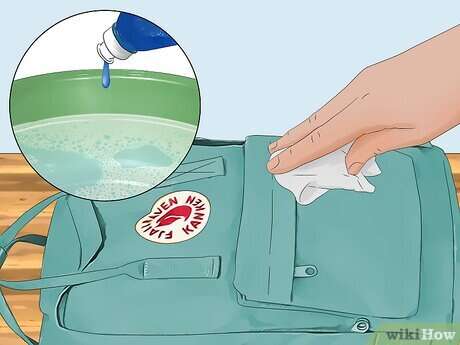
Clean a Fjällräven backpack by hand with mild soap, cool water, gentle brushing, and complete air drying.
A Fjällräven backpack can collect dust, sweat, food marks, and rain stains over time. The safest method is simple: empty the bag, spot-test the fabric, wash it gently by hand, and keep it away from a washing machine, dryer, and harsh cleaners. This guide explains how to clean a Fjällräven backpack without damaging its fabric, leather details, zippers, or water-resistant finish.
Check the Backpack’s Material and Care Needs
Before learning how to clean a Fjällräven backpack, check its fabric. Many popular models, including the Kånken, use Vinylon F. Other Fjällräven bags may use G-1000, recycled polyester, polyamide, leather, or mixed materials.
Each material needs slightly different care. A Kånken backpack usually needs gentle hand cleaning, while a G-1000 backpack may also need wax care after cleaning.
Look inside the backpack for a care label. Also check the product details if you still have the original instructions. These details matter because heat, strong soap, and rough scrubbing can weaken color, coatings, and stitching.
Important care points include:
• Vinylon F can become stiff when wet, but it returns to normal as it dries.
• G-1000 fabric can be treated with Greenland Wax to improve wind and water resistance.
• Leather trims need separate care and should not be soaked.
• Metal parts may rust if moisture stays trapped around them.
The best approach is to treat the backpack like a sturdy outdoor tool, not like a towel. Clean it with care, and it can last for many years.
What You Need to Clean a Fjällräven Backpack
You do not need expensive products to clean a Fjällräven backpack. Most of the supplies are already in your home.
Gather:
• A clean sink, tub, or large basin
• Cool or lukewarm water
• Mild liquid soap or a gentle detergent
• A soft sponge or microfiber cloth
• A soft toothbrush for seams and zippers
• A clean towel
• A well-ventilated place for drying
Choose a soap without bleach, strong fragrance, fabric softener, or heavy stain chemicals. Harsh products can fade the fabric and leave a residue that attracts more dirt.
Avoid using dish soap unless you use only a very small amount and rinse it well. Some dish soaps are too strong for colored fabric. A mild laundry soap is usually a safer choice.
You may also want a vacuum cleaner with a small attachment. It helps remove crumbs and sand before water touches the bag.

How to Clean a Fjällräven Backpack Step by Step
The following method works well for most fabric Fjällräven backpacks. It is especially useful when cleaning a Kånken backpack after daily use, school, travel, or outdoor activities.
1. Empty Every Pocket
Remove all items from the main compartment, front pocket, side pockets, and hidden sections. Check for pens, tissues, snacks, coins, and small objects that may cause stains or damage during cleaning.
Turn the backpack upside down and shake it gently. Use a vacuum or dry cloth to remove crumbs, dust, and sand.
Do not skip this step. Small grains of sand can act like sandpaper when you scrub wet fabric.
2. Remove Loose Dirt
Use a dry, soft brush to lift dirt from the surface. Brush in one direction instead of rubbing hard in circles.
Pay close attention to:
• Bottom corners
• Shoulder straps
• The area around the zipper
• Seams and folds
• The back panel
Removing dry dirt first makes the wet-cleaning stage faster and safer.
3. Test a Hidden Area
Mix a small amount of mild soap with water. Dab it on an inside corner or another hidden spot.
Wait a few minutes, then blot the area with a white towel. If the color transfers or the fabric changes texture, stop and use less soap or seek professional cleaning advice.
A color test is especially important for bright colors, dark fabrics, older bags, and backpacks with leather details.
4. Make a Mild Cleaning Solution
Fill a basin with cool or lukewarm water. Add only a small amount of mild detergent.
The water should feel lightly soapy, not thick or foamy. Too much soap makes rinsing difficult and can leave a film on the fabric.
Hot water is not a good choice. It may affect dyes, adhesives, coatings, or the shape of some backpack parts.
5. Wipe the Backpack by Hand
Dip a soft sponge or cloth into the solution. Wring it out well, then wipe the backpack from top to bottom.
Work in small areas. Use light pressure and make several gentle passes rather than one hard scrub.
For marks on a Kånken, a soft sponge often works better than a rough brush. For seams, use a soft toothbrush with very light strokes.
Do not force stains deeper into the fabric. Think of the process as lifting dirt away, much like brushing dust from a book cover.
6. Treat Stains Carefully
For fresh food or drink stains, blot first with a clean, damp cloth. Do not rub the stain across a larger area.
For oily marks, place a small amount of mild detergent on a damp cloth. Dab the mark, wait one or two minutes, and wipe again.
For mud, let the mud dry first. Brush away the dry pieces, then clean the remaining mark with mild soap and water.
Avoid bleach, acetone, alcohol-based cleaners, stain pens, and abrasive powders. These products can cause faded patches or permanent texture changes.
7. Clean the Straps and Back Panel
Shoulder straps and back panels often hold the most sweat and body oil. Wipe them carefully with a damp, soapy cloth.
Do not twist or wring the straps. Twisting may bend the padding or stress the seams.
If the backpack smells musty, clean the inside and outside instead of covering the smell with perfume. Odors often come from trapped moisture, food crumbs, or bacteria in damp fabric.
8. Rinse Away Soap
Use a fresh cloth dampened with clean water. Wipe the backpack several times to remove soap.
You may rinse a fully synthetic backpack carefully with cool water, but do not leave it submerged for a long time. Avoid soaking bags with leather, glued parts, or complex padding.
Soap left behind can make fabric feel stiff and may attract new dirt. Rinsing is one of the most important parts of how to clean a Fjällräven backpack correctly.
9. Dry the Backpack Completely
Press the backpack gently with a clean towel to remove extra water. Do not wring it or twist it.
Open every compartment and unzip the pockets. Hang the backpack or place it upright in a well-ventilated room.
Keep it away from:
• Direct heat
• Radiators
• Hair dryers
• Clothes dryers
• Strong, direct sunlight for long periods
A backpack may take several hours to dry. Do not pack it away while the inside is damp. Hidden moisture can create mildew and a stale smell.
In my experience, opening all zippers makes a major difference. A bag that seems dry on the outside can remain wet at the bottom or behind the back panel.

How to Clean a Kånken Backpack
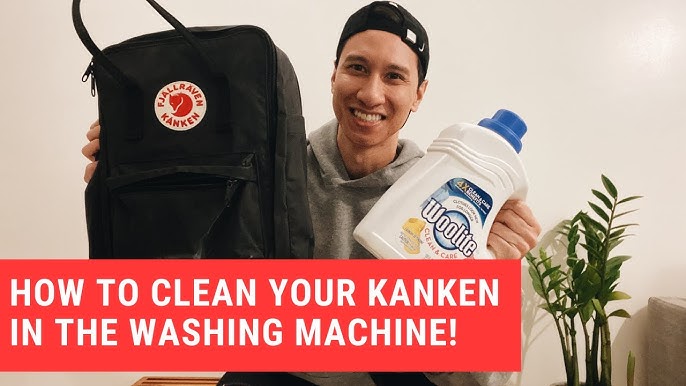
The Kånken is one of the most searched Fjällräven backpack styles, and many owners wonder if it can go in a washing machine. The safer answer is no. Fjällräven generally recommends hand washing rather than machine washing.
To clean a Kånken:
-
Empty and shake out the bag.
-
Mix cool water with a small amount of mild detergent.
-
Use a soft sponge to clean the outside.
-
Wipe the shoulder straps and back panel.
-
Rinse with a clean, damp cloth.
-
Hang it open in a shaded, airy place.
Vinylon F may look different when wet. It can become stiff or slightly dull during cleaning, but this is usually temporary. Allow the bag to dry naturally before judging its texture or color.
Do not scrub the Kånken aggressively. Hard brushing can create lighter patches, especially on darker colors.
How to Clean a G-1000 Fjällräven Backpack
G-1000 is a tightly woven fabric made for outdoor use. It is durable, but dirt and oils can still build up on the surface.
Use the same basic hand-cleaning method:
• Brush off dry dirt.
• Wipe with cool water and mild soap.
• Rinse with a clean cloth.
• Air dry the backpack fully.
After cleaning, you may notice that the fabric absorbs water more quickly. This can happen because washing reduces some of the Greenland Wax on the surface.
If water resistance matters, apply Greenland Wax after the backpack is fully dry. Rub a thin layer of wax over the fabric, then warm it gently according to the product instructions. A warm iron or hair dryer may be suitable for some G-1000 items, but check the care instructions first.
Do not wax every Fjällräven backpack automatically. Wax is intended for suitable G-1000 fabrics. It is not a general treatment for Vinylon F, leather, or every synthetic material.
How to Clean Leather Details and Metal Parts
Some Fjällräven backpacks include leather handles, logo patches, pulls, or trim. Leather should not be soaked with the rest of the bag.
Wipe leather with a barely damp cloth. Then dry it at room temperature. If the leather feels dry, use a small amount of a suitable leather conditioner, but test it in a hidden area first.
Avoid applying fabric detergent directly to leather. It may darken the material or leave a visible mark.
For zippers, brush away dirt with a dry toothbrush. If needed, use a damp cloth, then wipe the zipper dry. Do not force a zipper that feels stuck. Dirt may be trapped in the teeth, and pulling hard can damage the slider.
Metal hardware should also be dried after cleaning. This small step helps reduce the chance of rust and discoloration.
Common Mistakes to Avoid
Many backpack-cleaning problems come from using too much force or too much water. Gentle care is usually more effective.
Avoid these mistakes:
• Putting the backpack in a washing machine
• Using hot water
• Adding bleach or fabric softener
• Scrubbing with a stiff brush
• Soaking the bag for a long time
• Wringing or twisting the fabric
• Drying it in a clothes dryer
• Storing it while damp
• Applying Greenland Wax to the wrong fabric
• Using a strong stain remover without testing it
I once made the common mistake of focusing only on a visible front stain. The backpack looked clean, but the straps still held sweat and dust. Since then, I clean the contact points first: the straps, back panel, base, and zipper areas.

How Often Should You Clean a Fjällräven Backpack?
Clean your Fjällräven backpack whenever it has visible dirt, a noticeable odor, or a spill. A light wipe every few weeks can prevent heavy stains.
The right schedule depends on use:
• Daily school or work use: wipe high-contact areas every few weeks.
• Hiking and camping: clean it after muddy or wet trips.
• Travel: clean the base, straps, and pockets after each long journey.
• Occasional use: inspect it before storing and after taking it out.
Do not wash the backpack simply because a calendar says it is time. Frequent full cleaning can add unnecessary wear. Spot cleaning is often enough for small marks.
A clean, dry storage space also helps. Keep the backpack away from damp basements, dirty floors, and direct sunlight.
How to Prevent Dirt and Odors
Prevention makes how to clean a Fjällräven backpack much easier. Small habits can protect the fabric and reduce deep cleaning.
Try these practical steps:
• Keep drinks in a sealed bottle.
• Use a pouch for pens, cosmetics, or snacks.
• Remove food wrappers at the end of each day.
• Empty sand and dirt after outdoor trips.
• Let the bag air out after rain.
• Avoid placing it on wet or oily surfaces.
• Store it with the zippers open if the inside needs ventilation.
A backpack liner can help protect the interior from spills. It is especially useful for children, commuters, photographers, and travelers who carry food or liquid items.
When Professional Cleaning May Be Better
Most fabric Fjällräven backpacks can be cleaned at home. Professional help may be safer when the bag has extensive mold, deep oil stains, major color transfer, or delicate leather.
If the backpack has a strong mildew smell, clean it outdoors or in a well-ventilated area. Do not mix cleaning chemicals. If the fabric remains damp-smelling after a complete wash and dry, a professional cleaner may be the best option.
Older bags also need extra care. Fabric can become weaker with age, and seams may not handle aggressive scrubbing. If you are unsure, choose a gentle spot clean instead of a full soak.
Fjällräven backpacks are durable, but durable does not mean indestructible. Their lifespan depends on fabric, use, weather, washing, and storage conditions.
Frequently Asked Questions About How to Clean a Fjällräven Backpack
Can I put a Fjällräven backpack in the washing machine?
It is best to avoid the washing machine. Machine movement, heat, and strong detergent can damage the fabric, shape, coatings, and leather details.
Can I use soap to clean a Fjällräven backpack?
Yes, use a small amount of mild soap or gentle detergent mixed with cool or lukewarm water. Rinse with a clean damp cloth so no soap remains in the fabric.
Can I clean a Kånken backpack with water?
Yes, you can clean a Kånken by hand with water and mild detergent. Do not soak it for a long time, and let it dry fully in a well-ventilated place.
How do I remove a stain from a Fjällräven backpack?
Blot fresh spills, brush away dry mud, and dab the stain with a mild soap solution. Test the solution on a hidden area before cleaning the visible fabric.
Can I dry a Fjällräven backpack in the dryer?
No. High heat can affect the fabric, shape, coatings, and attached parts. Air dry the backpack while it is open and away from direct heat.
Should I use Greenland Wax after cleaning?
Use Greenland Wax only if the backpack has suitable G-1000 fabric and needs improved water resistance. Do not apply it automatically to Vinylon F or other materials.
How can I remove a bad smell from my backpack?
Clean the inside, straps, and back panel with mild soap and water, then dry the backpack completely. Avoid perfume sprays because they can hide rather than remove the cause of the odor.
Conclusion
The safest way to clean a Fjällräven backpack is to work by hand with cool water, mild soap, a soft cloth, and plenty of patience. Empty the bag first, test the cleaner, treat stains gently, rinse away soap, and air dry every pocket.
Avoid washing machines, bleach, harsh brushes, high heat, and long soaking. If your bag uses G-1000 fabric, consider Greenland Wax only after checking the care instructions.
Clean your backpack soon after spills or muddy trips, and it will stay fresher for longer. Try these steps on your Fjällräven backpack, then share your cleaning tips or explore more care guides for outdoor gear.

Zayden Halbrook is a travel enthusiast and gear researcher passionate about making every journey smoother and more enjoyable. With a keen eye for practical travel essentials and real-world tips, he helps readers choose the right gear and travel smarter. When he’s not testing travel kits or exploring new destinations, Zayden shares simple, reliable advice to make every trip stress-free.