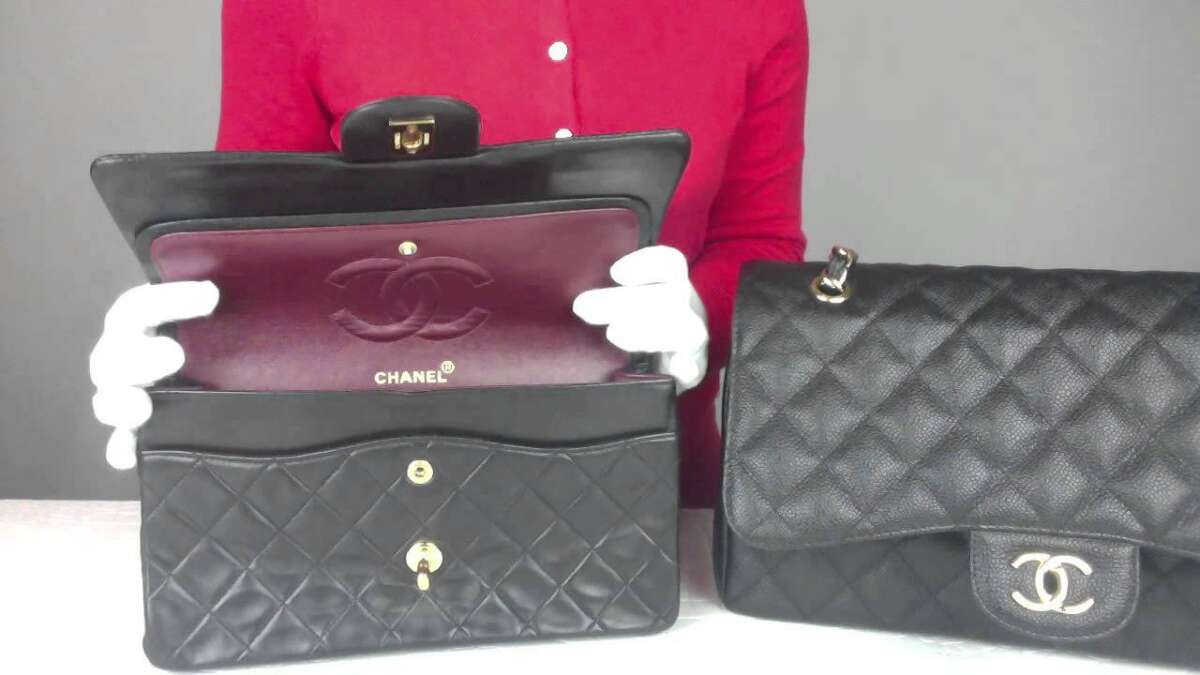
You can tell if a Chanel bag is real by checking its craftsmanship, logo, hardware, serial details, and purchase history.
Learning how do you tell if a Chanel bag is real takes more than one quick glance. Chanel has made many designs, materials, and hardware changes over the years, so a detail that looks “wrong” may be correct for a vintage piece. This guide explains the key checks used by experienced buyers, along with common traps, real-world tips, and the limits of at-home authentication.
Start With the Overall Quality
An authentic Chanel bag usually feels balanced, solid, and carefully made. It should not feel flimsy, overly light, or rough around the edges. Hold the bag in your hands and study it as a whole before focusing on small details.
Counterfeit bags often copy the famous shape but miss the quiet signs of quality. The leather may feel plasticky, the quilting may look flat, or the lining may bunch near the seams. Think of the bag like a well-made watch: every small part should work together.
Check these broad features first:
• The bag keeps its shape when placed on a flat surface.
• The leather feels consistent across the body, flap, and strap.
• The stitching looks neat and even.
• The lining sits smoothly inside the bag.
• The hardware feels weighty, not hollow or thin.
A genuine bag can show wear, especially if it is vintage. Scratches, softened leather, and faded gold do not automatically mean the bag is fake. Wear should look natural and match the bag’s age.
Examine the Chanel Quilting
The quilting is one of the most useful clues when you are checking a Chanel bag. On many classic flap designs, the diamond pattern should line up across the flap, front, and back. The pattern may not be perfect on every model, but careless or uneven quilting deserves attention.
Look at the points where the quilted sections meet. On a well-made bag, the diamonds usually continue across panels with good alignment. A counterfeit may have diamonds that suddenly become narrow, stretched, or misplaced.
Also inspect the puffiness of the quilting. Chanel has used different types of leather and construction methods over the years, so the padding can vary. Still, authentic quilting often has a soft, even look rather than stiff, overly inflated sections.
Ask yourself:
• Do the diamonds have similar size and shape?
• Do the seams look straight?
• Does the quilting feel padded rather than flat?
• Does the pattern line up around the flap and pocket?
A vintage Chanel bag may have softer quilting because of age. That is normal. The key is whether the construction looks intentional and consistent.
Check the CC Turn-Lock Logo
The interlocking CC clasp is a famous Chanel feature, but it is not proof by itself. Fake bags can copy the shape well, so inspect the logo with a clear eye.
On many classic designs, the right C overlaps the left C at the top, while the left C overlaps the right C at the bottom. The logo should look balanced and centered. The edges should be smooth, and the finish should match the rest of the bag’s hardware.
Look for these details:
• The two Cs have a clean, even shape.
• The logo sits straight on the flap.
• The spacing between the Cs looks balanced.
• The metal finish matches the chain and other hardware.
• The clasp does not feel loose or poorly attached.
Chanel has used several logo styles. Some bags have raised gold-tone hardware, while others use silver-tone, black, resin, or seasonal finishes. Do not reject a bag simply because its CC logo differs from a modern classic flap.
The logo should be judged with the date, model, and materials in mind. Authentication works best as a group of clues, not as a single test.
Study the Stitching
Stitching can reveal rushed factory work. On many Chanel bags, the quilting contains a high number of stitches per inch. However, stitch counts can differ by model, leather, and production period, so there is no single number that proves authenticity.
Look for:
• Straight stitch lines.
• Even thread tension.
• Clean corners.
• No loose threads.
• Stitching that follows the shape of the leather.
A fake Chanel bag may have uneven stitches, thick thread, or corners that look cut off. The thread color may also fail to match the leather or lining.
Do not rely only on the popular “more than 10 stitches per inch” rule. It can help, but it is not a universal Chanel standard. Some genuine bags may have fewer stitches, while some counterfeits may copy the expected count.
Inspect the Leather and Lining
Chanel has used many materials, including lambskin, caviar leather, patent leather, tweed, fabric, exotic skins, and seasonal textiles. Each material has its own feel and texture.
Lambskin is usually smooth and soft, but it can scratch easily. Caviar leather has a more pebbled surface and often feels more firm. A bag that feels different from another Chanel bag is not necessarily fake if the materials differ.
Pay close attention to the lining. Depending on the style, it may be leather, fabric, or another approved material. The lining should fit the interior well and should not look excessively loose, wrinkled, or poorly glued.
Watch for warning signs:
• A strong chemical smell.
• Thin leather with a plastic feel.
• A lining that peels or bubbles.
• Rough painted edges.
• Glue marks around pockets or seams.
Smell is only a supporting clue. Older bags can absorb perfume, smoke, or storage odors. A strange smell may suggest a problem, but it cannot authenticate the bag on its own.
Review the Hardware and Chain
Authentic Chanel hardware generally feels substantial. The chain should have a smooth movement and a consistent finish. On many classic bags, leather is woven through the chain in a neat, even way.
Inspect the following areas:
• Chain links should have a clean shape.
• Leather weaving should not twist or stop unevenly.
• Metal should not look thin or poorly plated.
• The zipper should move smoothly.
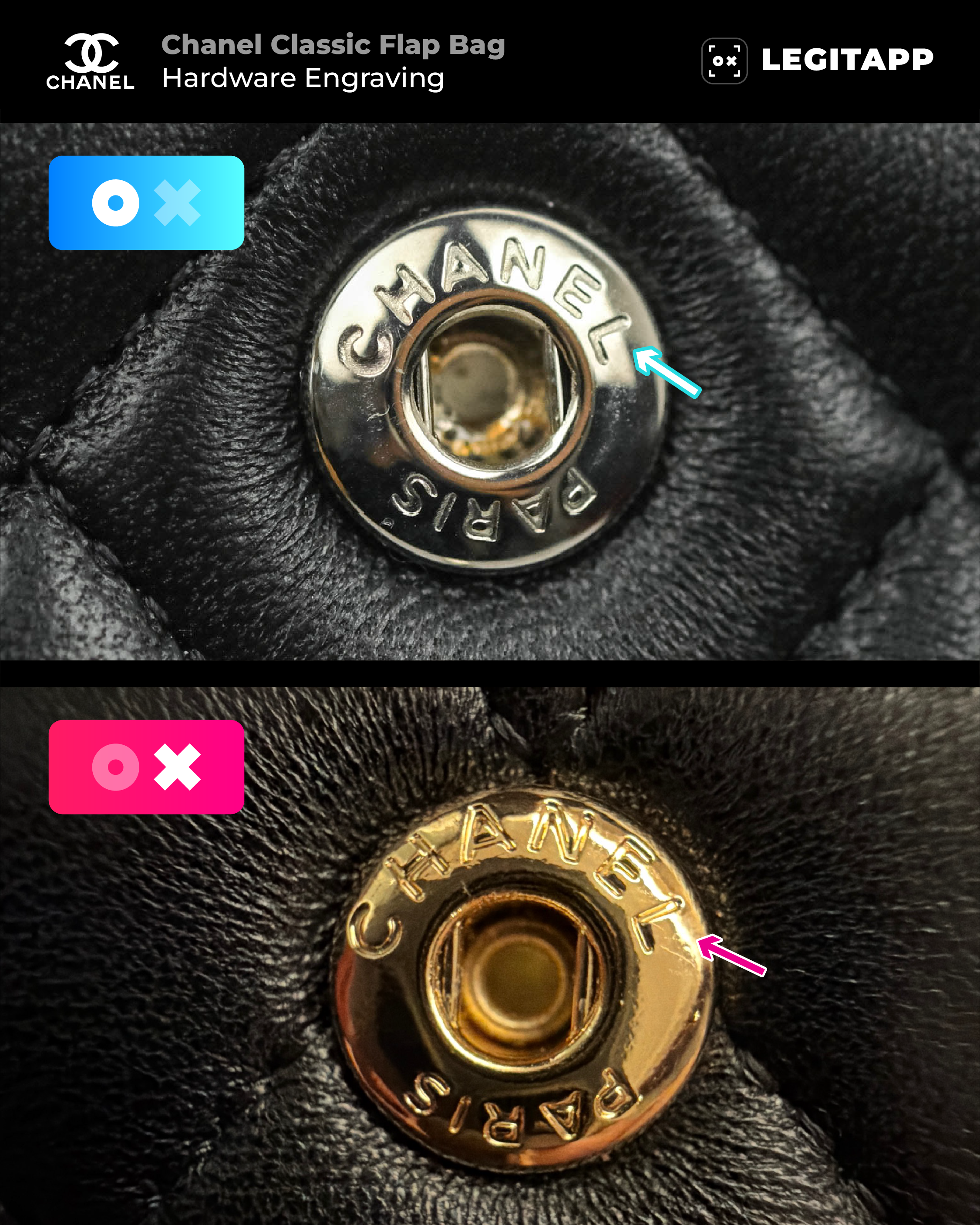
• Engraved marks should look sharp rather than blurry.
Chanel has used both gold-tone and silver-tone hardware, along with other finishes. Older gold hardware may show fading or darkening. Some vintage bags also use 24-karat gold-plated hardware, while newer pieces may use different metal finishes. Hardware color alone cannot prove that a bag is authentic.
The back of the CC turn-lock can also provide clues. On many bags, the attachment is neat and well finished. A loose, crooked, or roughly cut attachment is a reason to pause.

Verify the Serial Sticker and Authenticity Card
A common question about how do you tell if a Chanel bag is real involves the serial number. Many older Chanel bags include a serial sticker inside the bag and a matching authenticity card. These features can support an authentication decision, but they are not proof.
Chanel serial stickers have changed over time. Older stickers may show seven or eight digits and may have protective features. Some can fade, peel, or become damaged with use. A missing sticker does not automatically mean the bag is fake, especially if the bag has been repaired or heavily used.
The authenticity card should match the number on the sticker when both are present. Still, counterfeiters have copied cards and serial numbers. A number that appears in online lists is not enough to confirm a genuine Chanel bag.
Keep these points in mind:
• A matching card and sticker are helpful but not conclusive.
• A copied serial number can appear on many fake bags.
• Sticker fonts and layouts vary by production period.
• Repairs may affect or remove an old sticker.
• Vintage bags need period-specific review.
Modern Chanel bags began moving away from traditional authenticity cards and serial stickers toward a microchip system around 2021. The exact details can vary by product and production period. Do not expect every newer bag to have an old-style serial sticker.
Understand Chanel Microchips
Some newer Chanel bags use an embedded microchip instead of a traditional serial sticker and card. The chip may be placed inside the bag and read with specialized equipment or an approved authentication process.
A microchip is not a simple online lookup tool. You may not be able to read it with a standard phone, and the presence of a chip does not replace a full inspection of the bag’s construction.
A counterfeit bag may contain a copied or nonfunctional chip. Conversely, a genuine bag may have a chip that is difficult to scan because of its position, damage, or equipment limits.
When checking a newer bag, review:
• The model and production period.
• The chip placement, if known for that style.
• The quality of the bag itself.
• The seller’s documentation.
• The purchase and ownership history.
The best answer to how do you tell if a Chanel bag is real is still a combined assessment. A chip is one clue, not a magic stamp.
Compare the Bag With the Correct Model
Many authentication mistakes happen because buyers compare a bag with the wrong version. Chanel has produced classic flaps, reissues, boy bags, seasonal flaps, vanity cases, totes, backpacks, and limited editions. Each can have different hardware, lining, pocket layouts, and logos.
First identify the likely model and production period. Then compare the bag with reliable images from the same version. Avoid comparing a 1990s vintage flap with a modern seasonal flap and assuming every difference signals a fake.
Check:
• The bag’s dimensions.
• The number and placement of pockets.
• The strap length.
• The interior logo.
• The type of closure.
• The shape of the base and flap.
• The hardware color and finish.
A seller may describe a bag as a “classic” even when it is a seasonal design. That label is often used loosely in resale listings. Model identification makes authentication much more accurate.
Review the Seller and Purchase History
Provenance can strengthen your decision. A receipt from a Chanel boutique, a reputable department store, or a trusted resale business may help. However, receipts can also be copied, altered, or matched to a different item.
Look at the seller as carefully as the bag. A low price is not automatic proof of fraud, but an unusually cheap price combined with pressure to pay quickly is a serious warning.
Before buying, check:
• The seller’s reviews and return policy.
• Whether the photos show the actual bag.
• Whether the seller provides clear images of every key area.
• Whether the seller accepts independent authentication.
• Whether the description explains flaws honestly.
Be cautious if the seller refuses close-up photos, claims that “the serial number proves everything,” or will not allow returns. A trustworthy seller should understand that buyers need time to inspect a luxury item.
Use Clear Photos for a First Check
If you are buying online, ask for clear photos in natural light. Blurry images hide the exact details that matter most.
Request photos of:
• The front and back.
• The CC clasp.
• The quilting.
• The interior logo.
• The serial sticker or microchip area, if applicable.
• The card, if included.
• The chain and leather weaving.
• The corners and base.
• The date code or other interior markings.
Avoid relying on stock photos. A seller may use pictures from Chanel or another listing while sending a different bag. The item in the photos should show its unique wear, marks, and shape.
Good photos support a first review, but photographs have limits. Color can change with lighting, and image editing can hide flaws. For an expensive purchase, an in-person inspection is safer.

Get Professional Authentication for Expensive Purchases
Professional authentication is the safest choice when the bag is valuable, rare, or difficult to identify. A qualified authenticator reviews many details at once and compares them with known examples.
Choose a service that:
• Has experience with Chanel specifically.
• Uses trained authenticators.
• Explains its review process.
• Provides a written result.
• Offers a clear refund or dispute policy.
• Does not promise a decision from one photo alone.
Authentication services also have limits. No professional can always verify a bag from incomplete images, and some rare or heavily altered pieces may remain uncertain. A careful result may say “inconclusive” rather than force a yes or no.
For a high-value purchase, consider two independent opinions. You can also ask the seller to complete authentication before the sale. Keep all messages, photos, payment records, and listing details.
Common Mistakes to Avoid
People often search how do you tell if a Chanel bag is real after noticing one unusual detail. One difference is rarely enough to settle the matter.
Avoid these common errors:
• Assuming a missing card means the bag is fake.
• Assuming a serial number proves the bag is real.
• Trusting a receipt without inspecting the bag.
• Comparing different Chanel models.
• Treating minor wear as evidence of a counterfeit.
• Believing that every authentic Chanel bag has perfect symmetry.
• Using only smell, weight, or stitch count.
• Buying because the price seems like a once-in-a-lifetime deal.
The most dangerous mistake is confirmation bias. Once a buyer wants the bag, every positive clue can feel important while warning signs get ignored. Slow down and write down both the good and bad evidence.
A Practical Chanel Authentication Checklist
Use this process before you commit to a purchase:
-
Identify the model, material, and approximate production period.
-
Compare the shape and dimensions with trusted examples.
-
Inspect the quilting and stitching.
-
Check the CC logo and hardware.
-
Review the leather, lining, and interior construction.
-
Examine the serial sticker, card, or microchip system that fits the date.
-
Check the seller’s history and return policy.
-
Request detailed, original photos.
-
Get professional authentication for costly or uncertain purchases.
-
Pay with a method that offers buyer protection.
This checklist helps you make a more informed decision, but it does not replace expert authentication. Chanel bags can be repaired, customized, re-lined, or altered. Those changes may make a genuine bag look unusual.

What to Do If You Already Bought a Suspected Fake
Act quickly if you think your Chanel bag may not be authentic. Do not remove tags, alter the bag, or send it for repair until you document its condition.
Take photos of the bag, listing, packaging, messages, receipt, and payment record. Then contact the seller and request a return under the stated policy. If the seller refuses, contact the marketplace, payment provider, or card issuer.
A professional written authentication result may help with a dispute. Avoid publicly accusing the seller before you have strong evidence. A careful process protects your money and keeps the record clear.
If the bag is genuine but altered, an authenticator may identify it as authentic with modifications. That is different from a counterfeit, and it can affect value, repair options, and resale disclosure.

Frequently Asked Questions About How Do You Tell If a Chanel Bag Is Real
Can a Chanel serial number prove that a bag is authentic?
No. Serial numbers, stickers, and authenticity cards can support an assessment, but counterfeiters often copy them. The bag’s construction, materials, hardware, model details, and history must also match.
Does every authentic Chanel bag have an authenticity card?
No. Older bags may have cards, while newer bags may use an embedded microchip system. Cards can also be lost, and a missing card does not automatically make a bag fake.
Is a Chanel bag fake if the serial sticker is missing?
Not always. A sticker may fade, peel, or be removed during repair, cleaning, or relining. A missing sticker should lead to a closer review rather than an automatic rejection.
Can I authenticate a Chanel bag from photos?
Photos can reveal useful clues, but they have limits. Clear images may support a first check, while an expensive purchase should receive an in-person or professional review.
Do real Chanel bags have perfect stitching?
Authentic Chanel bags usually have careful, even stitching, but no handmade or heavily used bag is perfectly uniform. Judge the stitching with the model, age, leather, and other construction details.
Is a very low price proof that a Chanel bag is fake?
A low price is a warning sign, not proof. A seller may be clearing an item, or the bag may have serious wear, but unusually cheap pricing combined with poor details and no return policy creates high risk.
Are Chanel bags made in France only?
No. Chanel has produced bags in more than one country, including Italy. The country-of-origin marking must fit the model and period, but it should never be used as the only authentication test.
Conclusion
The best way to tell if a Chanel bag is real is to combine several clues. Study the quilting, stitching, leather, lining, CC logo, chain, hardware, model details, serial system, and seller history. Remember that no single card, sticker, receipt, or microchip can guarantee authenticity.
Take your time, compare the bag with the correct model, and use professional authentication when the price or uncertainty is high. A careful inspection can protect your money and help you buy with confidence. Share your experience or questions in the comments, and explore more trusted luxury authentication resources before your next purchase.

Zayden Halbrook is a travel enthusiast and gear researcher passionate about making every journey smoother and more enjoyable. With a keen eye for practical travel essentials and real-world tips, he helps readers choose the right gear and travel smarter. When he’s not testing travel kits or exploring new destinations, Zayden shares simple, reliable advice to make every trip stress-free.