To tie a trash bag, gather the top, twist it tightly, then secure it with a firm knot or the bag’s built-in handles.
Learning how to tie a trash bag keeps odors in, prevents spills, and makes waste easier to carry. The best method depends on the bag style, how full it is, and what it holds. With a few simple steps, you can close a kitchen, bathroom, office, or outdoor trash bag neatly and safely.
Why Learning How to Tie a Trash Bag Matters
A loose trash bag can leak, smell, or split when you lift it. A secure tie reduces these problems and keeps waste inside during storage and transport.
Properly closing a bag also protects your hands. Sharp edges from cans, glass, or packaging may poke through an open top. While tying a trash bag cannot remove every risk, it adds a useful layer of control.
The right knot also makes garbage day easier. You can lift the bag by its tied top, place it in a curbside bin, or carry it without waste falling onto the floor.

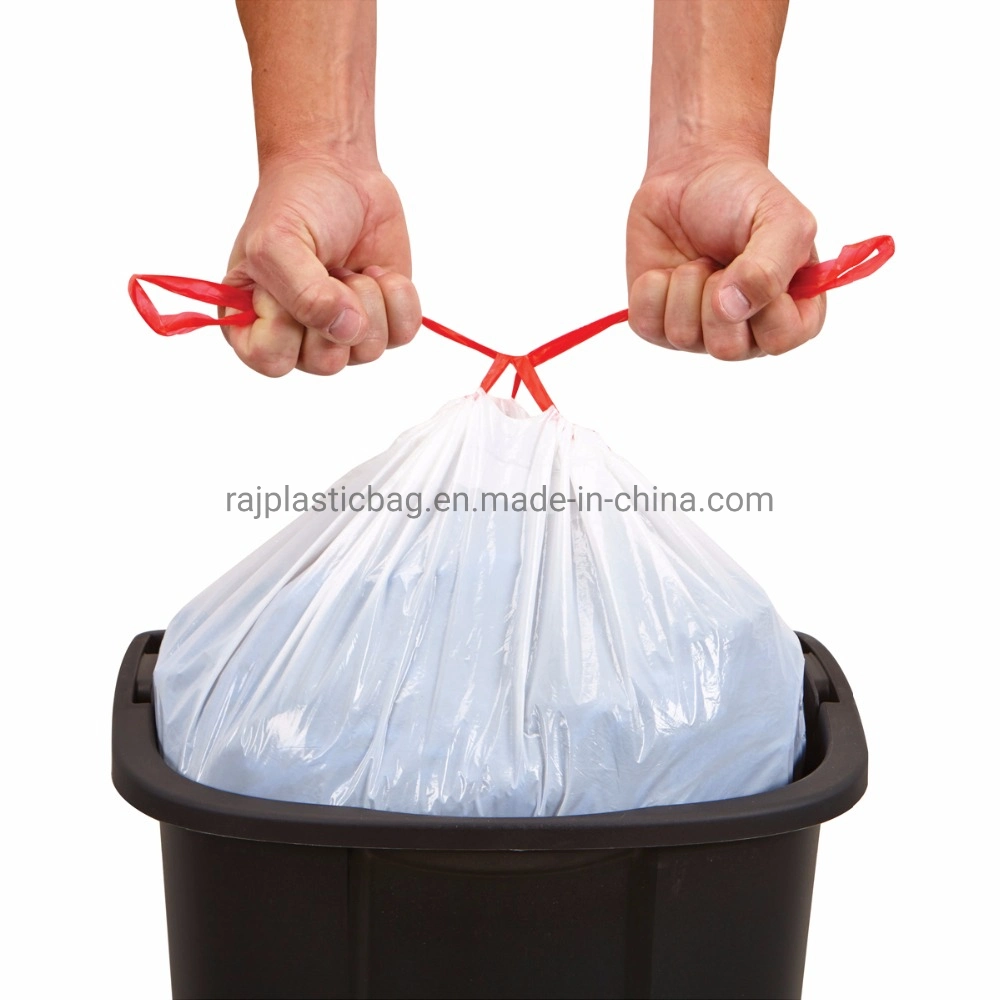
How to Tie a Trash Bag With Drawstring Handles
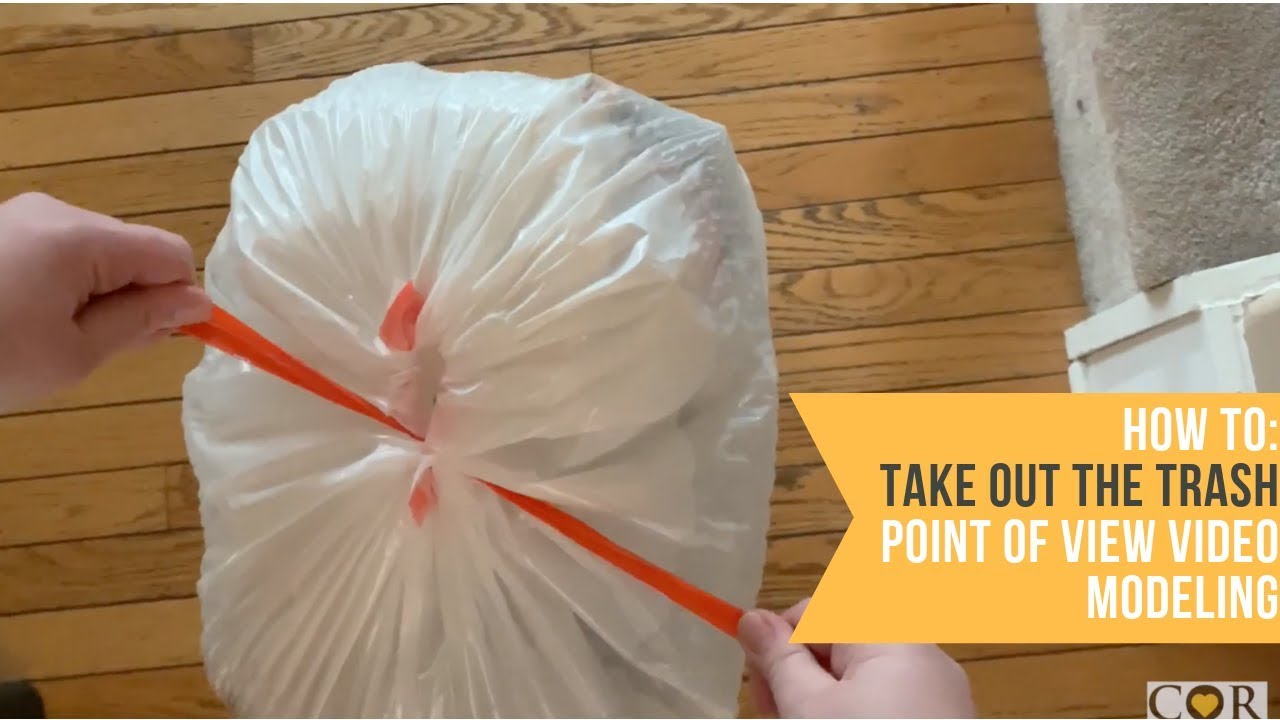
Drawstring bags are among the easiest bags to close. They have two flexible cords near the opening that pull the bag shut.
Follow these steps:
- Push the waste down gently to create space near the top.
- Pull both drawstrings upward until the opening closes.
- Hold the two strings together.
- Tie them in an overhand knot.
- Pull the knot firmly, but do not yank hard enough to break the cords.
- Lift the bag by the tied cords and check for gaps.
To make the knot, cross one cord over the other. Push one cord through the loop, then pull both ends tight. If the bag is heavy, tie a second knot for extra security.
Do not overfill a drawstring bag. Leave at least 6 to 10 inches of free material above the waste. This space gives you enough cord and plastic to make a strong closure.
How to Tie a Trash Bag Without Drawstrings
Many plain trash bags do not have handles or cords. You can still close them well by twisting and knotting the extra plastic.
Use this method:
- Hold the bag near the top with both hands.
- Press the waste down slightly.
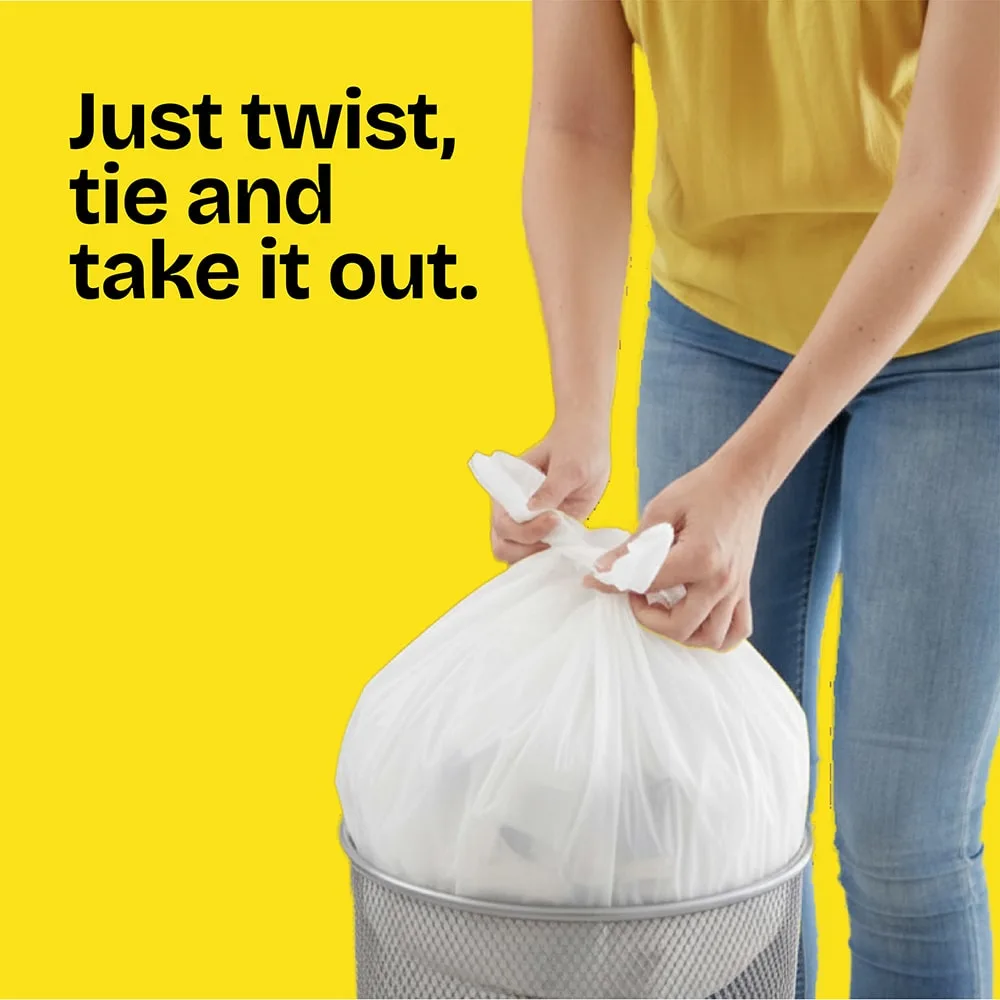
- Gather the loose plastic above the waste.
- Twist the gathered plastic several times in one direction.
- Fold the twisted section over itself to form a loop.
- Pull the end through the loop.
- Tighten the knot by pulling the plastic gently.
This method works best when the bag has enough extra plastic at the top. If the bag is too full, the plastic may be too short to twist or knot.
A helpful trick is to turn the upper part into a long “tail” before tying it. A longer tail gives you better control and creates a stronger closure.
When learning how to tie a trash bag without handles, avoid pulling from only one small spot. Spread your grip across the plastic so it does not tear.

How to Tie a Trash Bag Using a Simple Overhand Knot
An overhand knot is quick and useful for most light or medium bags. It is the same basic knot many people use when tying a shoelace before making the loops.
First, gather two sections of plastic from opposite sides of the bag opening. Cross one section over the other. Pass one section through the opening, then pull both sections until the knot sits close to the waste.
This knot is easy to make, but it may loosen if the plastic is smooth or stretched. For a fuller bag, add a second overhand knot.
A double knot is usually enough for household trash. Avoid using complex knots that may be hard to undo. The goal is a secure closure, not a knot that becomes impossible to open.
How to Tie a Trash Bag With a Square Knot
A square knot gives a balanced, secure closure when you have two equal sections of plastic. It works well for bags with wide, flat tops.
To make a square knot:
- Cross the left section over the right section.
- Pull it under and through.
- Cross the right section over the left section.
- Pull it under and through again.
- Tighten both sides evenly.
Remember the phrase “right over left, left over right,” or reverse it as long as you use the opposite direction for the second crossing.
A square knot lies flat and holds well when both ends have similar tension. It may slip if one side is much shorter, the plastic is very slick, or the bag is overloaded.

How to Tie a Trash Bag With a Twist-and-Tuck Method
The twist-and-tuck method is useful when the top is too short for a full knot. It also works for temporary closure before you move the bag.
Gather the plastic above the waste and twist it tightly. Fold the twisted section downward and tuck it under the bag’s rim or beneath a nearby layer of plastic.
This method is not as secure as a knot. It can open if the bag tips over or if the contents press upward. Use it for light waste, short carrying distances, or bags placed inside a lidded trash can.
For wet waste, food scraps, or heavy materials, use a knot instead. Liquid adds weight and can quickly turn a temporary tuck into a leak.

How to Tie a Trash Bag Based on Its Size
The bag’s size affects the best tying method. A small bathroom bag may need only a simple knot, while a large contractor bag may need extra steps.
Small trash bags
Small bags often have short tops. Gather the plastic close to the waste and tie one firm overhand knot. Do not force a second knot if there is not enough material.
Kitchen trash bags
Kitchen bags often contain food packaging, cans, and wet waste. Leave extra space at the top, twist the opening, and use a double knot or drawstring knot.
Large outdoor bags
Large bags may hold leaves, grass, or bulky waste. Avoid filling them until they are too heavy to lift. Gather the top into two thick sections and use a square knot or double knot.
Contractor bags
Thick contractor bags can be difficult to knot because the plastic is strong and stiff. Twist the top first, then tie the twisted section into a simple knot. If the opening is very large, use a separate cord or approved tie.

Common Mistakes When Tying a Trash Bag
The most common mistake is overfilling the bag. When waste reaches the rim, there is no room to gather the plastic. The bag may also split when you try to lift it.
Other mistakes include:
• Tying the bag loosely, which allows odors and liquid to escape
• Pulling too hard and tearing thin plastic
• Lifting a heavy bag by one small knot
• Placing sharp objects near the outer wall
• Using a thin grocery bag for heavy or wet waste
• Forgetting to check the bottom for leaks
One practical lesson is to test the bag before carrying it far. Lift it only a few inches above the floor. If the plastic stretches, the knot slips, or liquid appears, place the bag inside a second bag or a sturdy container.
This small check can prevent a messy trip across the kitchen or down the driveway.

How to Tie a Trash Bag Without Making It Leak
A knot helps close the top, but it cannot repair a punctured bag. Check the bottom and sides before you move the bag, especially when it contains liquid or food waste.
Use these steps to reduce leaks:
- Put sharp items in a box or wrap them before disposal.
- Place wet waste in a smaller sealed bag when possible.
- Keep heavy items near the center of the bag.
- Do not drag the bag across rough floors.
- Use a second bag for liquid-heavy waste.
- Carry the bag from underneath when it is heavy.
Never put loose broken glass or exposed blades into a regular trash bag. Wrap them in thick paper or place them in a rigid container first. Follow local waste rules for needles, chemicals, batteries, and other hazardous materials.

How to Tie a Trash Bag for Recycling
Recycling rules vary by city and collection program. Many programs do not want recyclable items inside plastic trash bags because workers cannot easily sort them.
Before tying a recycling bag, check your local instructions. Some areas require recyclables to be loose in the bin. Others accept clear bags but reject black bags.
If your program allows bagged recyclables, use a light knot that keeps items contained without hiding the contents. Never mix food waste, batteries, chemicals, or medical waste with ordinary recyclables.
The same care applies to compost. Some collection services accept certified compostable liners, while others require loose material or paper bags.
How to Tie a Trash Bag for Moving or Storage
When moving a tied trash bag, the knot should keep the contents contained, but the bag should not carry more weight than it can handle.
Use a double knot for light clothing, linens, or soft items. For bulky objects, leave more room at the top and use a thick bag. Place the tied bag inside a box or plastic bin if it will be stored for a long time.
Do not store food waste in a tied trash bag indoors. Even a secure knot may not stop odors, pests, or bacteria over time. Put food waste outside according to your local collection schedule.
For outdoor storage, keep bags in a covered, animal-resistant container. Wildlife can tear through plastic even when the knot is strong.
How to Tie a Trash Bag Safely
Tying a trash bag is simple, but safe handling matters. Wear gloves if the contents may include sharp, dirty, or wet items. Wash your hands after handling household waste, even if you did not touch the contents directly.
Keep children and pets away while you close the bag. Do not press down forcefully on a bag that may contain glass, metal, or sharp packaging.
For heavy bags, do not rely on the knot alone. Support the bottom with one hand while lifting with the other. A second bag, a wheeled bin, or a rigid container may be safer than carrying a heavy load by hand.
Health and waste agencies commonly advise separating household trash from hazardous waste. Local rules are the best guide because accepted materials and collection methods differ by community.
The Best Knot for Different Trash Bags
There is no single best knot for every bag. Choose based on the bag’s material, top length, and contents.
• Drawstring bag: Tie the drawstrings together with an overhand or double knot.
• Plain thin bag: Twist the top and use one or two overhand knots.
• Thick contractor bag: Twist the top firmly, then use a simple knot.
• Wide bag with two equal sides: Use a square knot.
• Short-top bag: Use a twist-and-tuck method or place it inside another bag.
• Wet or heavy bag: Use a double knot and support the bottom while carrying it.
A knot should be tight enough to close the opening but not so tight that it cuts into the plastic. Think of the knot as a seat belt: firm and dependable, but not strained beyond its limit.
Frequently Asked Questions About How to Tie a Trash Bag
What is the easiest way to tie a trash bag?
The easiest way is to gather the top, twist it, and tie a simple overhand knot. If the bag has drawstrings, pull them tight and knot the strings together.
How do you tie a trash bag without handles?
Gather the loose plastic above the waste, twist it several times, and tie the twisted section into an overhand knot. Leave enough empty space at the top before filling the bag.
Should you double-knot a trash bag?
A double knot is useful for wet, heavy, or smelly waste. For a light bathroom bag, one firm knot may be enough.
Why does my trash bag keep coming undone?
The knot may be too loose, the plastic may be very smooth, or the bag may be overfilled. Leave more room at the top and use a second knot when needed.
How full should a trash bag be before tying it?
Stop filling when the bag is about three-quarters full, or when you still have 6 to 10 inches of plastic above the waste. This space allows you to close and carry the bag safely.
Can I use a trash bag for broken glass?
Do not place loose broken glass in a thin trash bag. Wrap the glass or put it in a rigid, labeled container, then follow your local disposal rules.
What should I do if a tied trash bag leaks?
Place the leaking bag inside a second sturdy bag or a rigid container. Clean the affected area with suitable household cleaner, and wash your hands after handling the waste.
Conclusion
Knowing how to tie a trash bag helps prevent spills, odors, torn plastic, and unsafe handling. Leave room at the top, choose a knot that fits the bag, and check for leaks before lifting.
For most household waste, a firm overhand knot or double knot works well. Drawstring bags need only a tight tie, while large or heavy bags may need extra support or a second bag.
Try these methods the next time you take out the trash, and choose the one that feels secure without stretching the plastic. Share your favorite trash-bag tip or explore more practical home-care guides for simple solutions to everyday tasks.

Zayden Halbrook is a travel enthusiast and gear researcher passionate about making every journey smoother and more enjoyable. With a keen eye for practical travel essentials and real-world tips, he helps readers choose the right gear and travel smarter. When he’s not testing travel kits or exploring new destinations, Zayden shares simple, reliable advice to make every trip stress-free.