
You can spot a real Gucci bag by checking its logo, stitching, materials, tag, hardware, and sales history.
Knowing how to tell if a Gucci bag is real takes more than checking one serial number. Gucci has used different labels, codes, fabrics, and designs over the years, so an accurate check must consider the bag’s age, model, and construction. This guide brings those details together so you can shop with greater confidence and avoid costly mistakes.
Start with the Seller and Purchase History
Before examining the bag itself, study where it came from. A genuine Gucci bag sold through an authorized Gucci boutique, Gucci’s official website, or a trusted luxury resale business carries less risk than one offered through an unknown social media account.
This does not mean every private seller is dishonest. It means the seller’s records and return policy matter. A good seller should answer questions clearly and allow time for inspection.
Look for these trust signals:
• A clear purchase receipt with a matching model or item description
• Original packaging, dust bag, and care materials
• A written authenticity guarantee
• A return period that gives you time to inspect the bag
• Detailed photos of the logo, interior tag, stitching, and hardware
• A long sales history with consistent customer feedback
Be careful with prices that seem far below the normal resale range. A discount can happen, especially with older or damaged bags, but an unusually low price often signals a counterfeit, stolen item, or misleading listing.
Receipts are helpful, but they are not proof by themselves. Counterfeiters can copy receipts, boxes, dust bags, and shopping bags. Treat them as supporting evidence rather than the final answer.

Check the Gucci Logo and Monogram
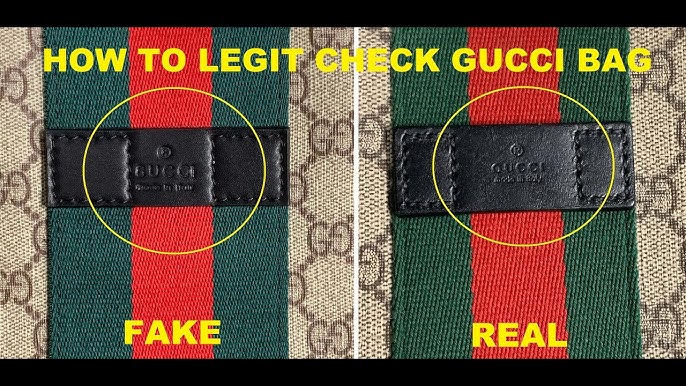
The logo is one of the best places to begin when learning how to tell if a Gucci bag is real. On authentic bags, the lettering is clean, balanced, and carefully placed. The two G symbols in the interlocking GG monogram should have a smooth, distinct shape.
Inspect the following details:
• The G letters should not look too round, thick, or uneven
• The logo should be centered when the design calls for centered placement
• Letter spacing should look deliberate and even
• The engraved logo on hardware should be sharp, not shallow or messy
• Printed logos should not appear blurry or badly aligned
• The pattern should match neatly across seams when possible
Many counterfeit bags use a logo that looks close at first glance. The errors often appear in small details, such as a crooked letter, uneven spacing, or a strange shape in the G. Use bright, natural light and zoomed photos when inspecting an online listing.
Remember that Gucci has changed its logo styles across different collections. A vintage Gucci bag may not look like a current model. Comparing the bag with reliable images of the same model and production period is safer than comparing it with a newer design.
Examine the Interior Tag and Serial Information
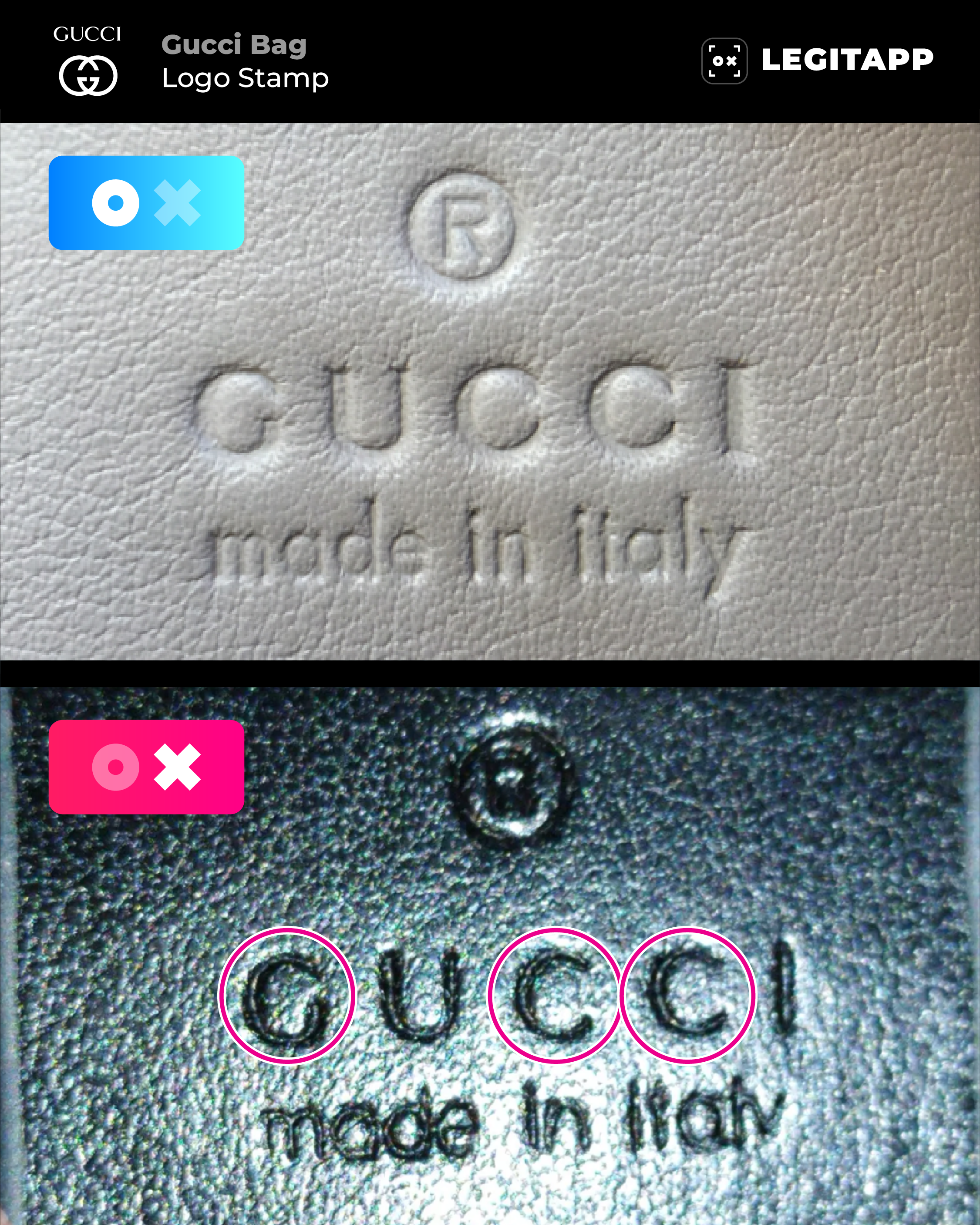
Most Gucci bags have an interior leather tag or label. Depending on the model and age, the tag may show the Gucci name, “Made in Italy,” and a number sequence on the back.
The number is usually a style or production code, not a unique certificate of authenticity. This is a key point when learning how to tell if a Gucci bag is real. A real code can appear on a counterfeit bag, and a missing or unusual code does not always prove the bag is fake.
Check whether:
• The tag is securely stitched into the bag
• The lettering is crisp and evenly spaced
• The back of the tag has a neat number stamp when the model requires one
• The number format fits the bag’s age and style
• The label’s leather and edges match the quality of the rest of the bag
Older Gucci pieces may have different tags or number formats. Some small items and special designs may not follow the layout seen on popular handbags. Avoid making a decision from the code alone.
Newer Gucci products may also include a digital authenticity feature, such as a Gucci Authenticity Tag accessed through an NFC enabled smartphone. This feature is not present on every product, and its absence does not automatically mean the bag is counterfeit. Do not trust a QR code or digital screen by itself, because counterfeiters can copy digital links and labels.

Study the Stitching and Construction
Authentic Gucci bags are made with close attention to structure. The stitching should usually be straight, tight, and consistent. Loose threads, uneven seams, skipped stitches, and puckered leather deserve close attention.
Check the bag from several angles:
• Look at the corners and base for clean joins
• Inspect the handles where they meet the body
• Check whether the lining sits flat
• Examine the edge paint for smooth coverage
• Look for loose threads inside pockets and near zippers
• Confirm that panels are not strangely stretched or misshaped
Perfect stitching is not required on every older or used bag. A vintage item may show wear, repairs, or slight variation. The important question is whether the construction matches the model and its condition.
One practical lesson I have learned from examining luxury bags is that counterfeiters often focus on the front. The front logo may look convincing, while the bottom, inner pocket, or handle attachment reveals weak workmanship. Always inspect the areas that are less visible in listing photos.
Feel the Leather, Canvas, and Lining
Material quality can help you understand how to tell if a Gucci bag is real, but touch alone is not enough. Gucci uses many materials, including leather, coated canvas, suede, nylon, and special textiles. Each has a different texture and finish.
Authentic leather often feels supple and substantial without feeling plastic like. It should have a consistent finish, though natural leather may show small grain differences. Coated canvas should feel firm and well finished, not thin, sticky, or overly glossy.
Pay attention to these points:
• The material should match the known design of the model
• The lining should fit cleanly and feel appropriate for the bag
• Strong chemical smells can be a warning sign
• Thin material and weak structure may indicate poor quality
• Printed canvas should have clear, even colors
• Suede should feel soft and dense rather than rough or synthetic
Do not reject a bag because it has a worn smell. Older leather can develop a scent from storage, perfume, or use. However, a powerful plastic or glue smell combined with poor stitching and a weak logo is more concerning.
Material changes with age. A used bag may have scratches, fading, softened corners, or darkened handles. Those signs show use, not necessarily inauthenticity.
Inspect the Hardware, Zippers, and Engravings
Gucci hardware is usually weighty and well finished. Depending on the design, it may be gold tone, silver tone, antique metal, or another finish. The color should look consistent across matching parts.