In the United States, the best place to dispose of a plastic bag depends on its type and your local rules. Clean, dry plastic shopping bags may go to a store drop-off bin for plastic film recycling. Most do not belong in your curbside recycling cart. If no drop-off site accepts the bag, place it in your household trash.
Reuse the bag first when you can. Keep food residue, dirt, and wet items away from recycling bins. Plastic bags can wrap around sorting machines and stop a recycling line.

Quick answer: Where should plastic bags go?
Use this simple guide:
| Type of plastic bag or film | Best option |
|---|---|
| Clean grocery or shopping bag | Reuse or take it to a plastic film drop-off bin |
| Clean produce bag | Plastic film drop-off, if accepted |
| Bread bag or cereal liner | Plastic film drop-off, if clean and dry |
| Newspaper or dry-cleaning bag | Plastic film drop-off, if accepted |
| Shipping air pillows | Release the air, then check a film drop-off site |
| Dirty, wet, or food-covered bag | Household trash |
| Compostable or biodegradable bag | Follow local compost rules; do not place it in plastic film recycling |
| Bag used for chemicals, paint, or medical waste | Follow the product label or local hazardous-waste rules |
| Reusable woven plastic tote | Reuse, donate, or check with the maker for recycling options |
Rules vary by city, county, and state. Check your local waste department before using a curbside cart or store bin.
Why plastic bags usually do not go in curbside recycling
Most plastic bags are made from flexible polyethylene film. This material can be recyclable, but curbside recycling systems often cannot handle loose bags.
A bag may get pulled into a conveyor belt, gear, or rotating shaft. It can jam equipment and force workers to stop the line. For this reason, the U.S. Environmental Protection Agency and many local recycling programs tell residents to keep plastic bags out of curbside recycling carts.
This rule applies to more than grocery bags. It may also include:
- Produce bags
- Bread bags
- Newspaper sleeves
- Dry-cleaning bags
- Mailer bags
- Case-wrap film from bottled water or paper towels
- Plastic air pillows
- Stretch wrap
- Plastic film used around furniture or other goods
Do not place a bag in your recycling cart just because it has a recycling symbol. The symbol often identifies the plastic type. It does not prove that your local program accepts the item.
The same problem can happen when recyclable items are placed inside a plastic bag. A recycling facility may treat the tied bag as trash because workers cannot see or safely sort its contents.

Where to take plastic bags for recycling
Take eligible plastic film to a store or community drop-off location that clearly accepts it. Many large grocery, home-improvement, and retail stores have collection bins near the entrance, but locations and accepted materials change.
Start with these steps:
- Make sure the film is clean and dry. Remove crumbs, receipts, labels, and other contents.
- Check the store bin sign. It should list the types of film accepted.
- Use a local locator. The Plastic Film Recycling directory can help you find participating drop-off sites.
- Call before you go. A bin may be full, removed, or limited to certain film types.
- Bring only accepted film. Do not add trash, rigid plastic containers, or items with food residue.
Some programs accept plastic film only when it is stretchy and flexible. A simple test is to press your finger into the material. If the film stretches, it may fit a plastic-film program. This test is not a substitute for the drop-off site's rules.
Plastic bags and film often need special handling because they are collected in a separate stream. They are not the same as plastic bottles, tubs, jugs, or rigid containers accepted in many curbside programs.
What plastic bags can be recycled?
A plastic film drop-off site may accept clean and dry bags made from polyethylene. Common examples include grocery bags, retail bags, and some product overwrap.
The following items may be accepted, depending on the program:
- Grocery and retail bags
- Produce bags
- Bread bags
- Newspaper bags
- Dry-cleaning bags
- Ice bags
- Cereal box liners
- Case-wrap film
- Shipping mailers made from plastic film
- Air pillows
- Bubble wrap
- Stretch wrap
Remove paper labels, cardboard pieces, and other materials when the program asks you to do so. Do not put film in a drop-off bin if it has grease, food, liquid, or heavy dirt.
A recycling symbol or number does not settle the question. Flexible films can have different layers, coatings, closures, or mixed materials. The local program decides what it can collect and process.
Plastic bags that usually do not belong in film drop-off bins
Avoid placing these items in a plastic-film bin unless the site specifically lists them:
- Chip bags
- Candy wrappers
- Pet-food bags
- Frozen-food bags
- Metallic snack pouches
- Compostable bags
- Biodegradable bags
- Rubber gloves
- Latex items
- Plastic strapping
- Tarps
- Pool covers
- Hard plastic containers
- Bags with food or chemical residue
Many snack and pet-food packages contain several layers. They may look like plastic film but may not be accepted in a polyethylene film program.
If the package has a foil layer, zipper, paper lining, or unusual coating, read the package instructions or contact your local waste program.

When plastic bags belong in the trash
Put a plastic bag in your household trash when it is dirty, wet, damaged, or not accepted by a known recycling program. This is often safer than placing it in a recycling cart or contaminating a store collection bin.
Examples include bags that held:
- Raw meat or seafood
- Greasy food
- Pet waste
- Used cat litter
- Paint or strong chemicals
- Wet garbage
- Unknown liquids
Do not rinse contaminated bags and assume they are recyclable. Water, soap, and energy also have an environmental cost. A bag that remains greasy or unsafe after cleaning should not enter a film collection bin.
Follow special instructions for bags that held pesticides, solvents, pool chemicals, motor oil, or other hazardous products. Contact your city, county, or state household hazardous-waste program. Keep these bags away from children and pets.
Plastic bags used for medical materials may need a separate disposal route. Contact a health care provider, pharmacy, or local waste authority if the bag held medicine, needles, bodily fluids, or regulated medical waste.
Can you compost plastic bags?
Most plastic bags cannot go in a home compost pile. They do not break down like food scraps, leaves, and untreated yard waste.
A bag labeled compostable is not automatically safe for backyard composting. Some compostable bags need a commercial composting facility with controlled heat, moisture, and processing time. Many local compost programs do not accept them.
Do not place compostable bags in a plastic-film recycling bin. They may contaminate the film stream. Check the bag label and your local compost provider's accepted-material list.

How to prepare plastic bags for a drop-off bin
Good preparation helps keep the film stream usable.
1. Empty the bag
Remove receipts, food, paper, stickers, and other loose items. Shake out crumbs and small pieces of debris.
2. Keep it clean and dry
Do not include film with grease, liquid, mold, or strong odors. Moisture can make stored film harder to handle.
3. Separate other materials
Pull off cardboard, paper labels, rigid plastic parts, and metal clips when the program requires it. Leave a zipper or handle only if the drop-off instructions allow it.
4. Group the film
Some programs ask you to place small bags inside one larger bag and tie the bundle. Others ask for loose film. Follow the sign at the collection site.
5. Check the bin before leaving
If the container is full, do not leave bags on the ground. Take them home and try another approved site or use the trash if the film cannot be stored safely.
A successful drop-off means the material fits the site's rules, is clean and dry, and is placed inside the marked container. If you cannot confirm those points, do not guess.

What should you do with plastic bags in different situations?
The right choice can change based on the bag's condition and use.
If the bag is clean
Reuse it if it is strong and safe. If you no longer need it, take it to a plastic-film collection point that accepts that type of film.
If the bag is dirty
Place it in the trash unless your local program gives clear cleaning and recycling instructions.
If the bag held raw meat
Treat it as contaminated. Seal it with other trash to prevent leaks and odors. Do not place it in a recycling bin.
If the bag says “biodegradable”
Read the full label. “Biodegradable” does not tell you where the bag can be processed. Ask the local waste program before recycling or composting it.
If the bag is reusable
Use it again. When it wears out, check whether the maker accepts returns or whether a local textile or specialty-recycling program can take it. Do not assume a thick woven tote belongs in a plastic-film bin.
If the bag is a shipping mailer
Remove labels and check the mailer's material. Some soft polyethylene mailers may fit a film program. Padded mailers, paper-plastic combinations, and foil-lined mailers may need a different option.

Common mistakes to avoid
The most common mistake is placing all plastic bags in the curbside recycling cart. Even clean bags can cause equipment problems.
Avoid these errors:
- Putting plastic bags inside your recycling cart
- Tying recyclables inside a bag
- Adding food-covered film to a store bin
- Treating a recycling symbol as proof of local acceptance
- Mixing compostable bags with recyclable plastic film
- Leaving bags beside a full collection bin
- Assuming every store accepts the same materials
- Taking hazardous-material bags to a normal recycling bin
- Sending film to a drop-off site without checking its current rules
Do not use a plastic bag to “protect” recyclable items in your cart. Place accepted cans, bottles, paper, and boxes loose in the cart unless your local program says otherwise.
Local rules may be stricter than general guidance. A city may ban plastic bags from curbside recycling but offer a separate collection service. Another city may send all plastic film to the trash. The local waste agency has the final answer for your address.
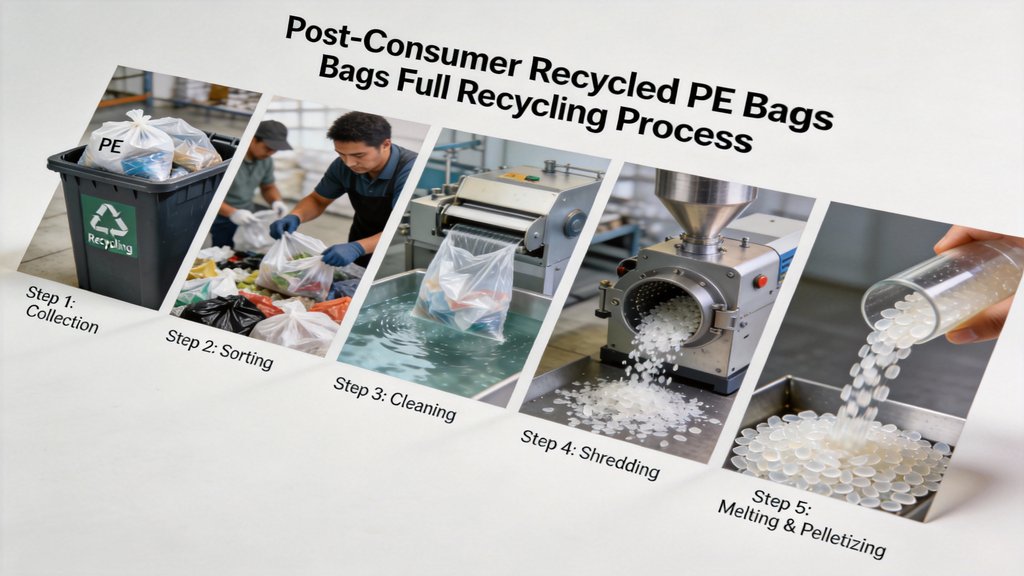
How to find the correct plastic bag disposal site
Use your local government website first. Search for:
- “[Your city] plastic bag recycling”
- “[Your county] plastic film drop-off”
- “[Your ZIP code] recycling guide”
- “[Your state] household hazardous waste”
Look for pages run by a city, county, state environmental agency, or named recycling provider. The EPA recycling resources can help explain general recycling practices, but the EPA does not set one plastic-bag rule for every household.
You can also use the How2Recycle Store Drop-Off label guidance and the Plastic Film Recycling drop-off directory. Confirm the details with the site before you travel.
When calling, ask three direct questions:
- Do you accept plastic shopping bags?
- Do you accept the specific item I have, such as a padded mailer or bread bag?
- Must the film be loose, bundled, or placed inside one larger bag?
These questions prevent a wasted trip and help protect the collection stream.

Frequently asked questions
Can plastic bags go in the blue recycling bin?
Usually not. Many U.S. curbside programs do not accept loose plastic bags or plastic film. Check your local recycling guide because rules differ by program.