Emptying a catheter bag might sound complicated, but with the right steps, it can be safe and simple. Whether you care for a loved one at home, are new to self-catheterization, or want to make sure you’re doing things correctly, this guide will help you.
I’ve been a caregiver for several years, and I know firsthand how important it is to keep things clean, comfortable, and easy. Let’s walk through everything you need to know, from start to finish, so you feel confident every time.
Why Emptying A Catheter Bag Properly Matters
A catheter bag collects urine from the bladder when someone can’t use the toilet normally. Keeping the bag clean and empty is key for health and comfort. Urine left sitting too long can lead to bacteria growth and infection. Overflow can cause leaks or backflow, which risks kidney damage.
From my experience, taking just a few extra minutes to do things right prevents bigger problems later. Once, I rushed through emptying a bag and forgot to clean the valve. The next day, we noticed a bad smell—an early sign of infection.
That moment taught me the importance of not skipping steps, even when you’re in a hurry.
What You Need Before You Begin
Having everything ready makes the process smoother and safer. Here’s what you should gather:
- Gloves (disposable, powder-free)
- Clean container (measuring jug, urinal, or toilet)
- Antibacterial wipes or soap and water
- Paper towels or disposable wipes
- Hand sanitizer
- A clean surface (tray or table for supplies)
- Waste bin for used gloves and wipes
If you empty bags often, you might keep a small kit handy. I keep mine in a basket by the bed, so I never have to search for supplies.
How Often To Empty A Catheter Bag
Most people should empty the bag when it’s about half to two-thirds full. Waiting too long increases the chance of leaks or backflow. For many, this means emptying every 3–4 hours during the day. Some overnight bags hold more and can last 6–8 hours.
Don’t wait until the bag is heavy or bulging. If you see urine reaching the top, it’s time to empty it. If the person drinks more fluids, or if it’s hot and they sweat more, check the bag more often.
Step-by-step Guide: How To Empty A Catheter Bag
Emptying a catheter bag takes just a few minutes if you follow these steps. I’ll explain what to do and why it matters.
1. Prepare Yourself And The Area
- Wash your hands with soap and water for at least 20 seconds. Dry them well.
- Put on clean gloves to protect yourself and the person with the catheter.
- Make sure the bag and tubing are not tangled or pulling.
A clean work area lowers the risk of germs. I always place a clean towel under the bag, just in case.
2. Position The Catheter Bag
- Place the bag below the level of the bladder. This helps urine drain out and prevents backflow.
- If you’re emptying into a toilet, hold the bag steady over the bowl. For a measuring jug, put it on a stable surface.
Never let the bag or tubing touch the toilet or container. This keeps things clean.
3. Check The Urine
Take a quick look at the urine. Normal urine is light yellow and clear. Dark, cloudy, or foul-smelling urine could mean infection or dehydration. If you see blood, thick mucus, or notice a big change in smell, call a healthcare provider.
I once noticed dark urine with a strong smell in my client’s bag. We called the doctor and caught a urinary tract infection early.
4. Open The Drainage Valve
- Hold the drainage spout over the toilet or container.
- Open the valve slowly. Most bags have a twist, slide, or flip valve.
- Let urine flow out completely. Do not touch the spout to any surface.
If urine does not flow out or comes out slowly, gently check if the tubing is kinked or blocked.
5. Close And Clean The Valve
- Close the valve securely when the bag is empty.
- Use an antibacterial wipe or soapy water to clean the spout and valve.
- Dry with a clean tissue or paper towel.
Never skip cleaning the valve. I’ve seen infections start from small bits of urine left on the spout.
6. Remove Gloves And Wash Hands
- Throw used gloves and wipes into the waste bin.
- Wash your hands again, even if you wore gloves.
Hand hygiene is the best way to stop germs from spreading.
Cleaning And Caring For The Catheter Bag
Proper cleaning keeps the bag safe for long-term use. Follow these tips:
- Rinse the bag with cool water after every emptying.
- Once daily, clean the bag with a solution of one part white vinegar to three parts water or use a mild bleach solution (1 tablespoon bleach in 1 liter of water).
- Fill the bag with the cleaning solution, let it sit for 30 minutes, then rinse well.
- Hang the bag to dry, with the valve open.
Never use harsh chemicals or boiling water, as these can damage the bag.
Example Cleaning Routine
I set a daily reminder on my phone to deep-clean the bag each night. This habit keeps everything fresh and prevents buildup.
Types Of Catheter Bags And Valves
Knowing what type of bag and valve you have helps you empty it the right way. Here’s a quick look at common types:
| Bag Type | Capacity (ml) | Common Use | Valve Style |
|---|---|---|---|
| Leg Bag | 500–750 | Daytime, active use | Flip/lever |
| Night Bag | 1500–2000 | Overnight, immobile patients | Twist/tap |
| Bedside Bag | 1000–2000 | Hospital/home care | Twist/slide |
Each valve has a slightly different way to open and close. Check the instructions for your specific bag. Some people find flip valves easier to use, especially if hand strength is limited.
Troubleshooting Common Problems
Even if you’re careful, issues can happen. Here’s how to handle them:
Bag Is Not Draining
- Check for kinks in the tubing.
- Make sure the bag is below bladder level.
- Gently shake the tubing to move small blockages.
- If the problem continues, call your healthcare provider.
Urine Leakage
- Make sure the valve is closed tight.
- Check if the bag is too full.
- Inspect for cracks or holes in the bag or tubing.
Bad Smell Or Discoloration
- Clean the bag more often.
- Watch for signs of infection: Fever, chills, pain, or burning.
- Call a doctor if you see blood or pus.
Skin Problems
- Keep the area around the catheter dry and clean.
- Watch for redness, swelling, or sores.
- Change dressings as recommended.
I remember one client who developed redness around the leg strap because it was too tight. Loosening the strap and using a soft cover fixed the problem.
Personal Tips For Making The Process Easier
Over the years, I’ve learned a few tricks that make emptying a catheter bag less stressful:
- Set a schedule: Empty at the same times each day to avoid surprises.
- Stay calm: If the valve sticks, take a deep breath. Forcing it can break the bag.
- Use a measuring jug: This helps you track urine output if the doctor asks.
- Keep a small towel handy: For quick cleanups, especially at night.
- Label cleaning supplies: So no one confuses cleaning solution with drinking water.
These little habits can save time and prevent mistakes, especially if you’re tired or busy.

Credit: www.wikihow.com
Safety Precautions
Always put safety first. Here’s what you should watch for:
- Never pull on the catheter or bag. This can cause pain or injury.
- Don’t let the bag hang above the bladder. This increases infection risk.
- Replace bags regularly. Most can be used for up to seven days, but follow your doctor’s advice.
- Use only clean, dry hands and gloves. Germs spread easily.
If you ever feel unsure, ask a nurse or doctor to show you the steps.
When To Call A Healthcare Provider
Some changes need quick action. Call your healthcare provider if you notice:
- Fever or chills
- Pain, burning, or discomfort
- Blood in the urine
- Cloudy, foul-smelling urine
- No urine draining for 4 hours
- Leaks around the catheter site
- Redness, swelling, or pus
It’s always better to ask for help early. In my first year as a caregiver, I once waited too long to report cloudy urine. The infection got worse, and we had to visit the hospital. Now, I call right away if anything seems unusual.

Credit: www.youtube.com
Comparing Catheter Bag Features
Choosing the right bag and supplies can make a big difference in comfort and convenience. Here’s a quick comparison of common features:
| Feature | Leg Bag | Night Bag |
|---|---|---|
| Portability | High | Low |
| Capacity | Medium | High |
| Discretion | Easy to hide | Visible |
| Best for | Active users | Bedridden users |
Ask your doctor or nurse which type is best for your needs. Sometimes, you might use a leg bag during the day and switch to a night bag for sleep.
Practical Do’s And Don’ts
Here are some quick guidelines to keep in mind:
Do:
- Wash hands before and after every step.
- Empty the bag when it’s half-full.
- Clean the valve each time.
- Inspect urine for changes.
- Keep the bag below bladder level.
Don’t:
- Touch the drainage spout to any surface.
- Reuse disposable gloves.
- Wait until the bag is full.
- Ignore changes in urine color or smell.
- Pull or tug on the catheter.
These simple do’s and don’ts keep things safe and comfortable.
What If You’re Emptying A Catheter Bag In Public Or Away From Home?
Sometimes you have to empty a catheter bag in a public restroom or while traveling. Here’s how to handle it:
- Bring a travel kit with gloves, wipes, a small container, and hand sanitizer.
- Look for accessible restrooms with enough space.
- Use a privacy stall if possible.
- Dispose of gloves and wipes in a sealed bag.
- Wash or sanitize your hands well before leaving.
I traveled with a client once who used a small, sealable measuring jug for emergencies. It fit in a backpack and made things less stressful.
Tracking Urine Output
Sometimes your doctor will ask you to measure and record how much urine comes out each time. Here’s how to do it:
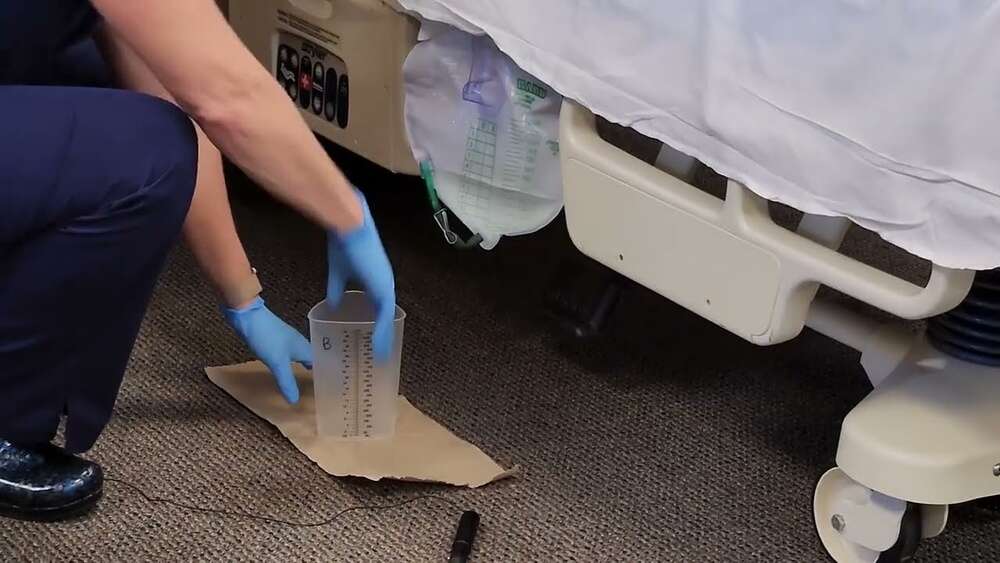
- Empty the bag into a measuring jug.
- Write down the time and amount.
- Clean the jug after each use.
Tracking helps doctors spot problems early, like dehydration or kidney issues.
How To Store And Dispose Of Catheter Bags
Used bags should be thrown away safely. If the bag is reusable, clean and dry it after each use. For single-use bags:
- Seal them in a plastic bag before throwing them out.
- Dispose of them with household trash, unless your area requires special disposal.
- Never flush bags or tubing down the toilet.
Used gloves and wipes should also go in the trash, not the sink or toilet.
Common Mistakes And How To Avoid Them
Many beginners make the same mistakes. Here’s what to watch out for:
- Forgetting to wash hands before starting.
- Letting the bag get too full before emptying.
- Not cleaning the valve after each use.
- Touching the spout to dirty surfaces.
- Ignoring changes in urine color or smell.
If you avoid these, you’ll cut the risk of infection and other problems.
Signs Of A Healthy Catheter System
A healthy system means:
- Urine is light yellow and clear.
- There’s no pain or redness at the site.
- The bag and tubing are clean and free of leaks.
- No strong odor from the bag.
If you see these signs, you’re doing things right.
How To Involve Family Or Caregivers
If you have help at home, teach them the steps. Show them how to:
- Wash hands and wear gloves
- Position the bag and tubing
- Check the urine and valve
- Dispose of supplies safely
Having a second set of eyes can catch small problems before they grow.
Tips For Catheter Users: Staying Comfortable
If you use a catheter long-term, comfort matters. Here’s what helps:
- Wear loose clothing to avoid pulling on the bag.
- Change the strap position daily to prevent skin marks.
- Drink enough water so urine stays light yellow.
- Keep a small supply bag nearby—gloves, wipes, and a spare bag.
From my experience, keeping things organized makes life easier and helps you feel in control.
Resources For Further Help
If you want more information or need help, ask your nurse, doctor, or a home health agency. You can also find trusted advice at sites like CDC Guidelines on Catheter Use.
Support groups and online forums can also connect you with others who understand what you’re going through.

Credit: www.wikihow.com
Frequently Asked Questions
How Often Should I Empty My Catheter Bag?
Most people empty their catheter bag every 3–4 hours during the day, or when it’s about half to two-thirds full. Overnight bags can go longer but should be checked in the morning. If you drink a lot or are on certain medicines, check the bag more often.
Can I Shower With A Catheter Bag?
Yes, you can shower with the bag attached. Use a waterproof cover if your doctor recommends it. Avoid soaking the connection site and dry it well after your shower. Do not take baths unless your doctor says it’s safe.
What Should I Do If I See Blood In The Urine?
Small amounts of blood can happen after catheter placement, but if you see a lot or it continues, call your healthcare provider right away. Blood can mean infection, irritation, or other problems that need medical attention.
How Do I Prevent Urine Backflow?
Keep the bag below your bladder at all times, whether sitting, standing, or lying down. Make sure there are no kinks or loops in the tubing. Empty the bag before it gets too full.
How Long Can I Use The Same Catheter Bag?
Most catheter bags are changed every 5–7 days, but always follow your doctor’s advice or the instructions that come with your bag. If you see cracks, leaks, or smell a bad odor, replace the bag sooner.
Emptying a catheter bag doesn’t have to be scary or hard. With practice and the right habits, you’ll keep things clean, safe, and comfortable. If you ever have doubts, reach out to your healthcare team—they’re there to help.

Zayden Halbrook is a travel enthusiast and gear researcher passionate about making every journey smoother and more enjoyable. With a keen eye for practical travel essentials and real-world tips, he helps readers choose the right gear and travel smarter. When he’s not testing travel kits or exploring new destinations, Zayden shares simple, reliable advice to make every trip stress-free.