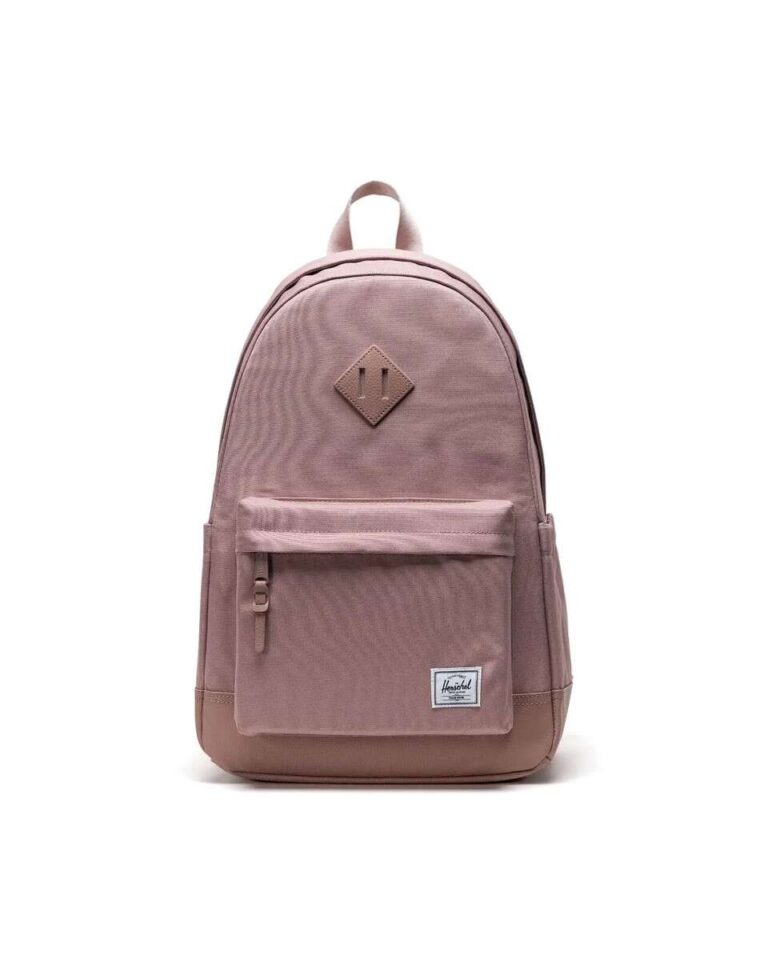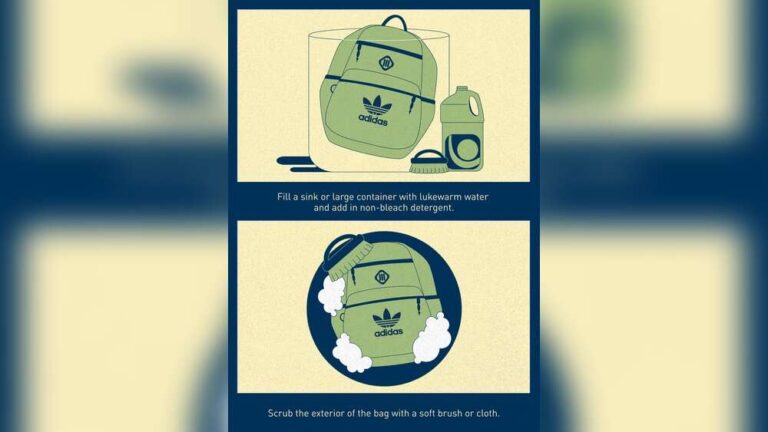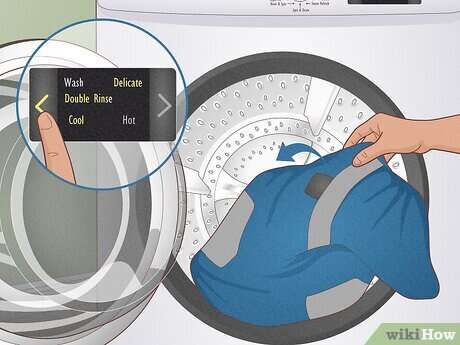
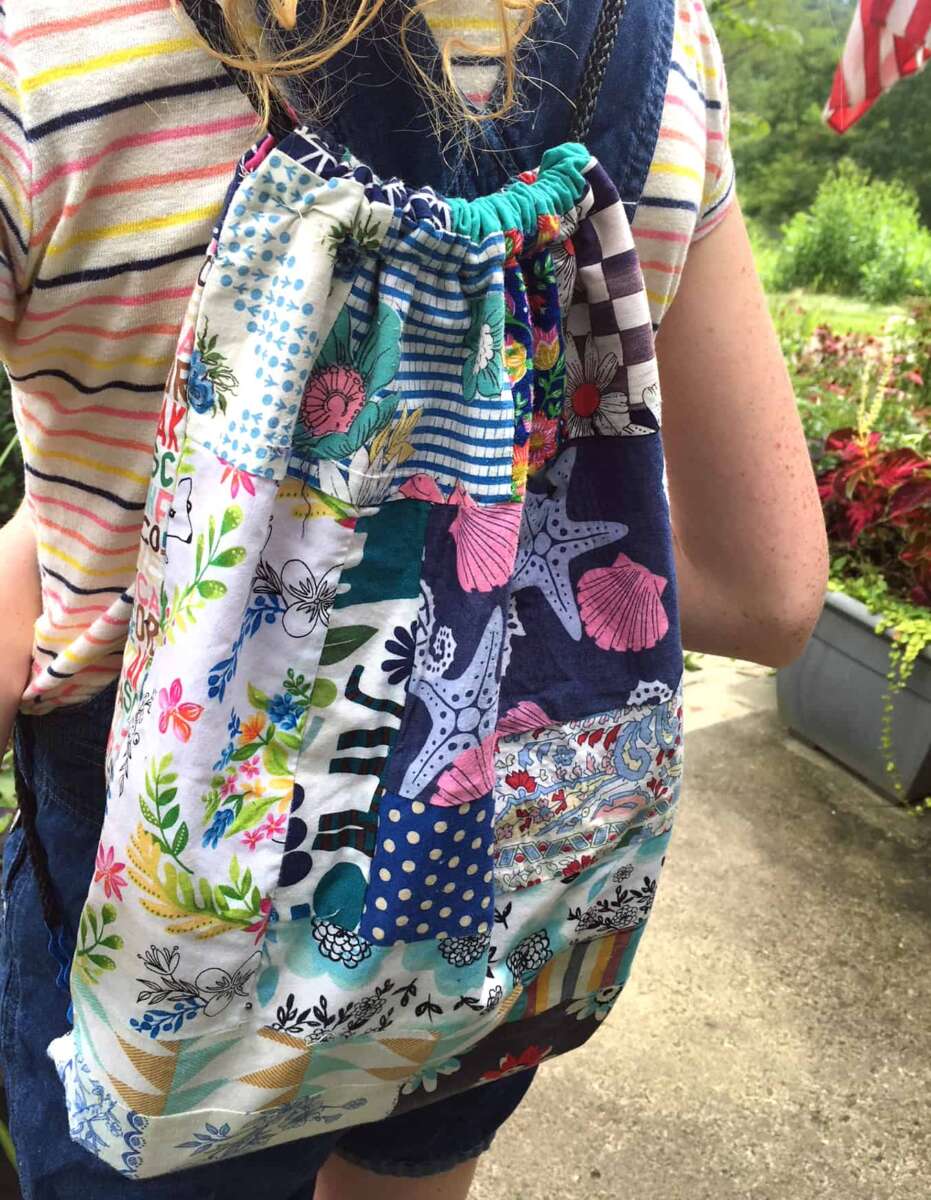
Across the United States, most backpacks are made from nylon or polyester fabric, often with a coating that helps block water. Higher-end packs may use canvas, leather, recycled fibers, or specialty fabrics such as ripstop nylon and laminated thermoplastic polyurethane (TPU).
The best material depends on the backpack’s job. Nylon usually offers a strong balance of strength and light weight. Polyester resists sunlight well and often costs less. Canvas feels sturdy and classic, while leather offers a premium look but needs more care.
Introduction
A backpack is rarely made from one material alone. The main body may use woven nylon, while the straps contain foam and mesh. The bottom may use coated polyester. Zippers, buckles, thread, lining, and padding each use different materials.
This guide explains the most common backpack fabrics, how they differ, what terms such as denier, ripstop, and water-resistant mean, and how to choose the right material for school, travel, hiking, work, or daily use in the United States.

The Most Common Backpack Fabrics
The most common backpack fabrics are nylon, polyester, canvas, leather, and synthetic blends. Each one has a different balance of weight, strength, cost, appearance, and weather resistance.
| Fabric | Main strengths | Main limits | Common uses |
|---|---|---|---|
| Nylon | Strong, light, abrasion-resistant | Can fade or weaken with long sun exposure | Hiking, travel, everyday bags |
| Polyester | Affordable, colorfast, UV-resistant | Often less abrasion-resistant than nylon of similar weight | School, work, promotional bags |
| Canvas | Thick, sturdy, natural feel | Heavy and may absorb water | Casual, workwear, heritage bags |
| Leather | Durable, attractive, ages well | Heavy, expensive, needs care | Premium and fashion backpacks |
| Ripstop nylon or polyester | Helps limit tear spread | The grid may add stiffness or cost | Outdoor and travel packs |
| Recycled polyester or nylon | Uses recovered material | Still depends on the full design and coating | Everyday and outdoor bags |
| TPU-laminated fabric | Smooth, highly water-resistant surface | Can be less breathable and harder to repair | Waterproof travel and dry bags |
Nylon
Nylon is one of the most widely used backpack fabrics. It is a synthetic fiber known for a strong strength-to-weight ratio. That makes it useful when a backpack needs to carry weight without becoming too heavy.
Common types include 420D nylon, 500D nylon, and 1000D nylon. The letter “D” means denier, a measure related to the weight of the yarn. A higher denier often means a thicker and tougher fabric, but denier alone does not prove that one backpack is better.
Nylon can absorb a small amount of moisture. Manufacturers often add a durable water-repellent finish or a polyurethane coating to improve rain resistance. These finishes can wear down through use, washing, abrasion, and exposure to dirt.
Polyester
Polyester is another common synthetic backpack fabric. It is often used in school bags, laptop bags, luggage, and affordable daypacks.
Polyester generally resists sunlight better than nylon. It also tends to hold color well and costs less in many applications. However, a light polyester fabric may not handle abrasion as well as a heavier nylon fabric.
A thick, well-made polyester backpack can still be very durable. Construction quality matters. Stitching, seam design, zipper quality, fabric weight, and reinforcement can matter as much as the fiber itself.
Canvas
Canvas is a tightly woven fabric. Traditional canvas is usually made from cotton, although synthetic canvas also exists.
Canvas backpacks have a firm feel and a classic appearance. They work well for casual use, school, commuting, and workwear. Waxed canvas can resist light rain better than untreated cotton canvas.
The main trade-off is weight. Cotton canvas is often heavier than nylon or polyester. It may also absorb water and dry slowly unless it has a wax or synthetic treatment.
Leather
Leather backpacks are made from animal hide that has been treated and finished. Full-grain, top-grain, split, and bonded leather are different categories, and they do not have the same durability or appearance.
Leather can be very durable when cared for correctly. It also develops a distinct surface character over time. The drawbacks are weight, price, sensitivity to prolonged moisture, and the need for cleaning or conditioning.
A leather backpack may be a poor choice for constant heavy rain, beach use, or situations where low weight matters most. It is often better suited to office, fashion, and everyday urban use.
Recycled Synthetic Fabrics
Many U.S. backpack brands use recycled polyester or recycled nylon. These fibers can come from recovered plastic or discarded textile material, depending on the product and supply chain.
“Recycled” describes the fiber source, not the complete environmental impact. A backpack may still contain virgin fibers, coatings, foam, metal, plastic parts, and adhesives. It may also be difficult to recycle at the end of its life because several materials are joined together.
A recycled fabric can perform well. Check the product label for the exact material and any independent certification. Do not assume that a recycled backpack is automatically more durable or easier to recycle.

How Backpack Fabric Is Built
Backpack fabric performance comes from more than the fiber. The weave, yarn size, coating, lining, and sewing method all affect how the bag behaves.
Woven Fabric
Most backpack shells use woven fabric. In a woven fabric, yarns cross over and under each other in a set pattern.
A tight weave can improve abrasion resistance and limit the passage of water. A looser weave may feel softer or weigh less, but it can need a coating to improve weather resistance.
Ripstop Fabric
Ripstop fabric uses a grid of thicker yarns. The grid helps stop a small tear from spreading quickly across the panel.
Ripstop does not mean tear-proof. A sharp object can still cut it. Its performance depends on the yarn, weave, coating, and fabric weight.
Coated Fabric
Manufacturers add coatings to improve water resistance, cleanability, or structure. Common coatings include:
- Polyurethane, or PU: A flexible coating used on many nylon and polyester bags.
- PVC: A plastic coating that can create a firm, water-resistant surface.
- TPU: A flexible plastic film or coating used in some highly water-resistant products.
- Silicone: A lightweight treatment used in some outdoor fabrics.
A coating can make fabric resist rain, but it does not always make the entire backpack waterproof. Water can still enter through seams, zippers, needle holes, or unsealed openings.
Lining and Padding
The inside of a backpack may use polyester, nylon, mesh, foam, or a blend. The lining helps protect stored items and can make the bag easier to clean.
Laptop sleeves and back panels often contain foam. Shoulder straps may use foam covered by spacer mesh. These parts improve comfort, but they also add materials that can complicate repair and recycling.

What Do 210D, 420D, and 1000D Mean?
The “D” in a backpack fabric label usually means denier. Denier describes the weight of a yarn over a set length. It is not a direct rating of total fabric strength.
For example, 1000D fabric is often thicker and more rugged than 210D fabric. It may resist abrasion better, but it can also add weight and stiffness. A well-designed 210D ripstop fabric may be more useful for a lightweight hiking pack than a heavy 1000D fabric.
Denier comparisons are meaningful only when the fabrics have similar construction. Weave pattern, yarn type, coating, thread strength, and manufacturing quality can change the result.
Look at denier as one data point, not a final verdict.
Is Nylon or Polyester Better for a Backpack?
Neither fabric is always better. Nylon is often the better choice when low weight and abrasion resistance are priorities. Polyester may be the better choice when color retention, sunlight exposure, and cost matter more.
| Need | Often useful choice | Reason |
|---|---|---|
| Lightweight hiking pack | Nylon | Good strength for its weight |
| Low-cost school backpack | Polyester | Affordable and widely available |
| Daily outdoor use | Nylon or polyester | Both can work with proper construction |
| Long sun exposure | Polyester | Often offers good color and UV resistance |
| Rough work use | Heavy nylon or canvas | Strong surfaces can handle abrasion |
| Classic appearance | Canvas or leather | Distinct texture and visual character |
| Wet-weather commuting | Coated nylon or polyester | Coatings can improve rain resistance |
These are general tendencies, not guarantees. A strong polyester backpack may outlast a poorly made nylon bag. Inspect the complete product instead of relying on the fiber name alone.

Are Backpacks Waterproof or Water-Resistant?
Most backpacks are water-resistant, not fully waterproof. Water resistance means the fabric can delay water penetration under certain conditions. Waterproofing usually requires a more complete system, including coated fabric, sealed seams, protected zippers, and a design that limits openings.
A backpack can resist a light shower but leak during sustained rain. Water may also enter through the zipper or the top opening even when the main fabric does not absorb much water.
For ordinary commuting, a coated nylon or polyester backpack may provide enough protection. For heavy rain, use a rain cover or place sensitive items in waterproof dry bags. Electronics should not rely on fabric claims alone.
What “Water-Repellent” Means
A water-repellent finish causes droplets to bead on the fabric surface. It does not necessarily prevent water from passing through after pressure, wear, or long exposure.
The finish may decline over time. Dirt, detergent, heat, and abrasion can reduce its effect. Follow the care instructions rather than applying a random waterproofing spray.
How to Check a Water Claim
Look for specific language:
- Water-resistant: Offers limited protection in light rain or brief exposure.
- Water-repellent: Surface treatment helps droplets bead.
- Waterproof: Stronger claim, but the product should explain test conditions.
- Submersible: Designed for immersion only when the maker clearly states this use.
Ask whether the seams are taped, whether the zipper is water-resistant, and whether the product has a stated water-resistance test. A marketing phrase without conditions gives limited information.

Which Backpack Material Lasts the Longest?
A backpack’s service life depends on fabric, design, load, care, and use. Heavy nylon, quality canvas, and leather can all last for years when properly made. Thin fabric can also last well when used for light loads and handled carefully.
The first failure may not be the main fabric. Common weak points include:
- Shoulder-strap stitching
- Zipper teeth or sliders
- Bottom corners
- Carry handles
- Buckle connections
- Coating cracks
- Seams under heavy load
When buying a durable backpack, inspect the stitching and stress points. Look for reinforced seams, bartacks, strong webbing, and a bottom panel suited to the intended use.
Do not overload the bag. Excess weight places stress on the fabric, thread, foam, zipper, and shoulder straps at the same time.

How to Choose Backpack Fabric for Your Use
Choose the fabric after deciding how and where you will use the backpack.
For School
Polyester and lightweight nylon are common choices. A school backpack should have reinforced shoulder-strap seams, a durable bottom, and a lining that can handle daily handling.
Water resistance can help with short walks in rain, but use a protective sleeve or dry pouch for electronics and books that cannot get wet.
For Work and Commuting
Nylon, polyester, canvas, and leather can all work well. The most useful features may be a padded laptop compartment, a stable base, comfortable straps, and secure zippers.
If the bag will be carried through rain, prioritize coated fabric and protected openings. If it will stay in an office, appearance and weight may matter more than maximum abrasion resistance.
For Hiking and Camping
Lightweight nylon is common because it can reduce the weight carried on the trail. Ripstop construction may help limit the spread of small tears.
Outdoor users should also consider pack suspension, load capacity, seam strength, repairability, and rain protection. Fabric alone does not determine whether a backpack is suitable for a long hike.
For Travel
Travel backpacks often use nylon or polyester with reinforced panels. A durable bottom, lockable zipper pulls, and abrasion-resistant corners may matter more than an unusually high denier number.