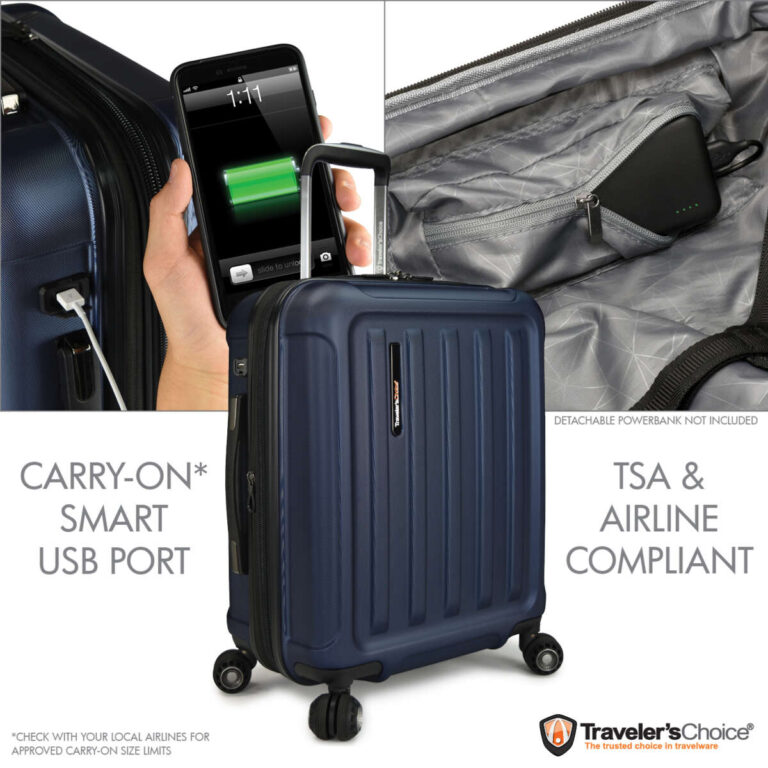
How To Make Your Luggage Stand Out: Easy Travel Tips

How To Make Your Luggage Stand Out

Use bold colors, custom tags, unique straps, and smart labels to make your luggage easy to spot.

Learning how to make your luggage stand out can save time, reduce stress, and help prevent mix-ups at busy airports. The best approach combines clear visual clues with durable travel accessories, while keeping your bag safe, practical, and easy to identify. This guide shares tested ideas, common mistakes, and simple ways to create luggage that catches your eye without looking cluttered.

Why You Should Make Your Luggage Stand Out
Source: herasianadventures.com

Why You Should Make Your Luggage Stand Out

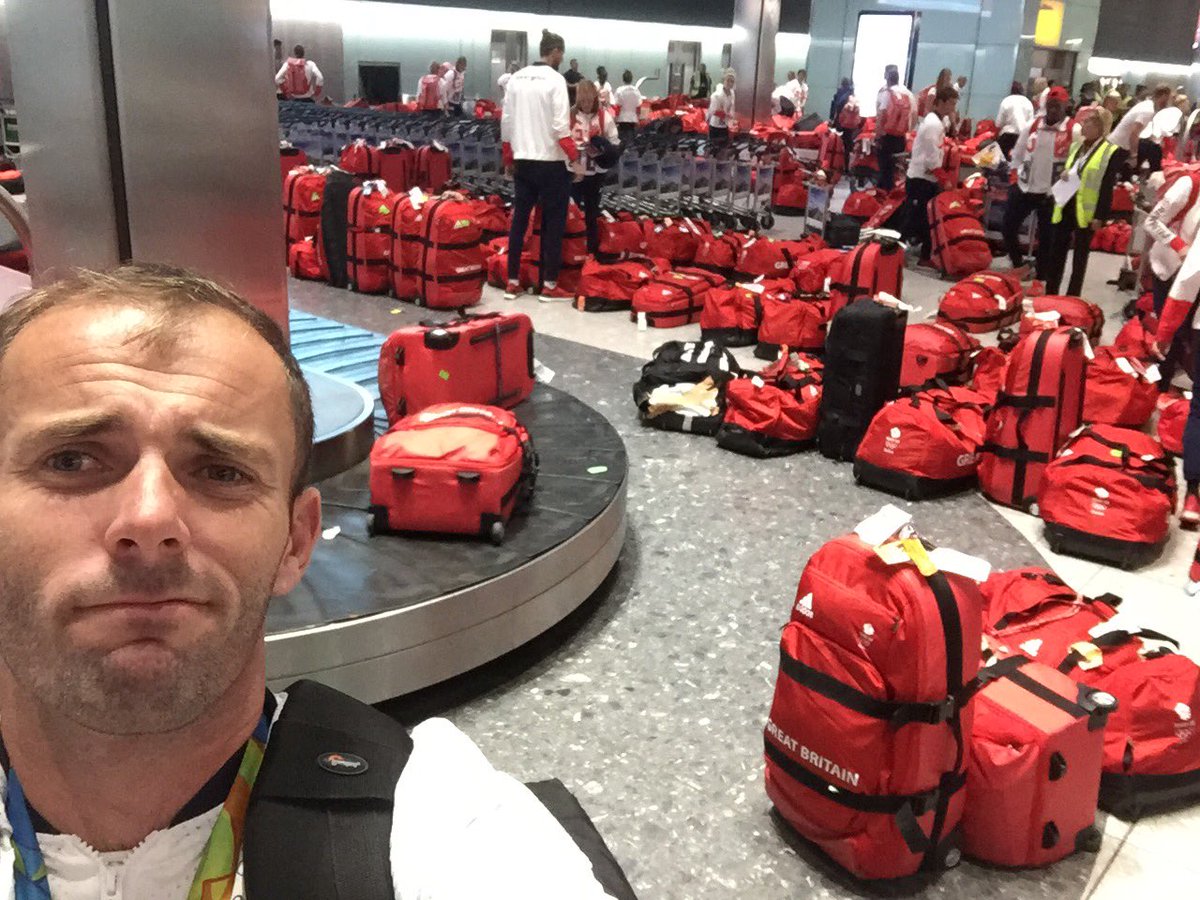
Black, navy, and gray suitcases are popular for good reasons. They hide dirt, match most travel styles, and often show less wear. The problem is that hundreds of bags may look almost the same on a baggage carousel.

Learning how to make your luggage stand out gives you three key benefits:

• You can find your bag faster after a flight.

• You are less likely to grab someone else’s suitcase by mistake.

• You can identify your luggage from a distance in a hotel lobby, train station, or cruise terminal.

A unique suitcase does not need to be loud or expensive. One bright strap, a large tag, or a simple colored ribbon may be enough. Think of these details as visual landmarks. Your eyes notice them before they notice the small brand logo on the suitcase.

Air travel also creates a practical reason to personalize your bag. The Transportation Security Administration advises travelers to use secure luggage identification, while airlines recommend adding contact details inside and outside checked bags. A visible identifier can help staff return a misplaced bag more quickly.

Choose a Distinctive Luggage Color
Source: sheknows.com

Choose a Distinctive Luggage Color

The simplest answer to how to make your luggage stand out is to choose a color that is not common on the baggage carousel. Bright yellow, orange, teal, pink, red, and lime green are often easier to spot than black or dark blue.

If you already own a dark suitcase, you do not need to replace it. Add color with accessories instead. A bright luggage strap or colorful handle wrap can create the same effect at a much lower cost.

When choosing a suitcase color, consider these points:

• Pick a shade that is easy for you to remember.

• Avoid colors that look similar to many travel bags at your airport.

• Choose a finish that will not show every mark.

• Consider a matte surface if you want fewer visible scratches.

• Use one main color rather than several competing colors.

I once made the mistake of choosing a gray suitcase because it looked stylish in the store. It looked less stylish when surrounded by dozens of similar gray bags. A small orange strap solved the problem, but I learned that visibility matters more than appearance alone.

Add a Bright Luggage Strap
Source: youtube.com

Add a Bright Luggage Strap

A luggage strap is one of the most useful answers to how to make your luggage stand out. It wraps around the suitcase and adds a bold line of color that is easy to see from across the carousel.

Choose a strap with a strong buckle and adjustable length. It should fit your suitcase without hanging loose. A loose strap may catch on equipment or become damaged during handling.

Look for these features:

• A wide band that is easy to see.

• A secure buckle that does not open easily.

• Strong stitching at stress points.

• Water-resistant material.

• A design that does not cover the bag’s built-in handle.

Do not use a luggage strap as a replacement for the suitcase lock. It may hold the case closed if the zipper opens, but it is not a certified security device. If you check a bag, follow the airline and airport rules for locks and straps.

A strap also gives you a fast visual signal. Instead of scanning every suitcase, you can look for the bright band first. That small change can save several minutes when the carousel is crowded.
Use a Large and Secure Luggage Tag
Source: everybodyhatesatourist.net

Use a Large and Secure Luggage Tag

A luggage tag helps people identify your bag if it is lost or picked up by mistake. It also gives airport staff a way to contact you.

Use a tag with a cover or flap. Your full home address does not need to be visible to everyone. A safer option is to include:

• Your first and last name.

• A mobile phone number.

• An email address.

• Your city and state.

• An emergency contact, if useful.

Place a second contact card inside the suitcase. Exterior tags can break, tear, or disappear during baggage handling. An internal card gives your information a backup location.

Choose a tag with a bold color, unusual shape, or clear pattern. Avoid tiny tags with small print. A tag should be readable without forcing someone to hold it close to their face.

For privacy, avoid listing sensitive details such as your full home address, passport number, or frequent traveler account number. The goal is easy contact, not public exposure.

Personalize Your Suitcase With Stickers
Source: amazon.com

Personalize Your Suitcase With Stickers

Stickers offer a fun way to make your luggage stand out. They work especially well on hard-shell cases with smooth surfaces.

Travel stickers can show your interests, favorite places, sports teams, or personal style. A few large stickers often work better than many small ones because they create a clear visual pattern.

For a lasting result:

• Use waterproof vinyl stickers.

• Clean the suitcase before applying them.

• Place stickers away from wheels, handles, and zippers.

• Press out air bubbles with a clean card.

• Keep a photo of the design in case you need to describe the bag.

Sticker placement matters. Put your most noticeable sticker on the front or side panel, where it can be seen while the bag moves on the carousel. Do not cover the luggage tag, lock, airline label, or damage inspection area.

Stickers can peel in heat, rain, or rough handling. If you travel often, choose durable vinyl or cover the design with a clear protective layer made for luggage surfaces.
Try Handle Wraps and Colorful Ribbons
Source: everybodyhatesatourist.net

Try Handle Wraps and Colorful Ribbons

Handle wraps are small, affordable, and easy to replace. They can add color to the top or side handle without changing the suitcase itself.

A foam or padded handle wrap can also make the bag more comfortable to carry. Choose one that closes firmly with a zipper, hook-and-loop strip, or strong fastener. It should not slide off when you lift the suitcase.

Ribbons can work too, but they need care. A short ribbon tied tightly to the handle is easier to manage than a long piece that drags or catches. Avoid thin, loose strings that could become tangled in airport equipment.

Good options include:

• A bright fabric handle cover.

• A patterned luggage grip.
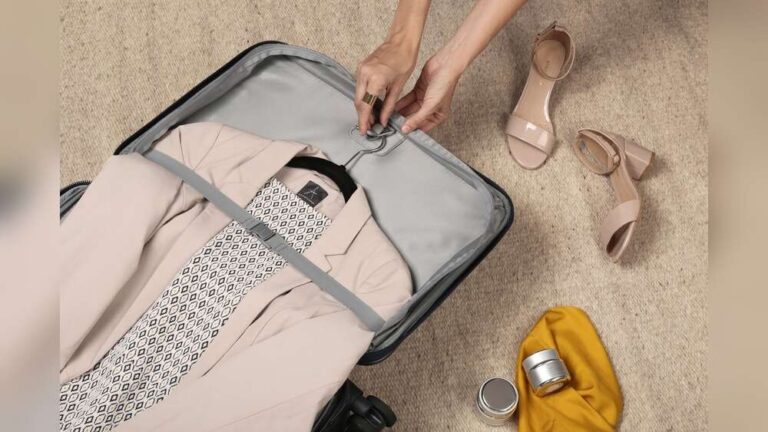
• A short, tightly secured ribbon.

• A colored silicone handle sleeve.

• A small, durable charm attached to the handle.

Do not add too many hanging items. They may break during handling, block the handle, or create confusion when you store the bag in an overhead bin.

Create a Simple Visual Pattern
Source: paracordplanet.com

Create a Simple Visual Pattern

A custom pattern can make your suitcase stand out more than one accessory. For example, you might use a red strap, a white tag, and three blue stickers. That combination becomes your luggage “signature.”

This is another smart way to make your luggage stand out without buying a new suitcase. Use the same pattern on every bag if you travel with family or a group.

A useful visual pattern should be:

• Easy to remember.

• Visible from several angles.

• Different from common airline labels.

• Simple enough to recreate.

• Durable enough for repeated trips.

Avoid making the bag look like an official airline, airport, or government case. Do not copy security markings or use labels that could confuse baggage staff.

A simple design acts like a personal logo. Your eyes learn it quickly, even when you are tired after a long flight.

Use Luggage Covers Carefully
Source: com.au

Use Luggage Covers Carefully

A luggage cover can add a bold print or color while protecting the suitcase from light dirt and scratches. It is a popular choice for travelers who want to know how to make your luggage stand out while keeping the original bag intact.

Choose a cover made for your suitcase size. It should fit tightly around the corners and leave the wheels, handles, and identification areas accessible.

Check these details before buying:

• The cover has openings for the top and side handles.

• The wheels move freely.

• The fabric is thick and washable.

• The zipper or fastening system feels secure.

• The design is visible from more than one side.

A cover is not waterproof protection for the entire suitcase. Water may enter through openings around the handles or zipper. It can also hide damage that needs to be reported after a flight, so inspect the suitcase before removing it from the airport.

Transparent covers with printed designs offer a useful middle ground. They show the original suitcase while adding a strong visual cue.

Add Identification Inside the Bag

Exterior details help you spot luggage, but internal identification helps recover it. Put a card with your name, phone number, email address, and destination inside the main compartment.

You can also add a copy of your itinerary, but remove sensitive information that is not needed. Never place your passport, financial details, or account passwords in an unsecured pocket.

Take a clear photo of the suitcase before checking it. Include the outside design, luggage tag, and contents if appropriate. This record can help with an airline claim if the bag is delayed or damaged.

The International Air Transport Association supports the use of standardized baggage information to improve handling and tracking. You can support that process by keeping airline baggage receipts, using the correct claim tag, and reporting problems promptly.

These steps do not guarantee a faster recovery. They do create a clearer record, which is valuable when many bags look alike.

Mark Your Luggage Without Damaging It

Some travelers use paint pens, permanent markers, or engraving to create a unique bag. These methods can work, but each has limitations.

Permanent ink may bleed, fade, or stain clothing. Paint may crack when the suitcase bends. Engraving can weaken some materials if it is too deep. Test any product on a hidden area first.

Safer marking ideas include:

• A removable vinyl decal.

• A printed luggage cover.

• A colored strap.

• A handle sleeve.

• A durable luggage tag.

If you do use a permanent mark, place it on a flat area away from hinges, wheels, locks, and seams. Avoid marking airline labels or barcode areas. The baggage system needs those labels to remain readable.

A small mark under the handle can also serve as a private backup identifier. It may not help you spot the bag from far away, but it can confirm that the suitcase belongs to you.

Make Your Luggage Stand Out on a Budget

You do not need a designer suitcase to create a unique look. Many effective ideas cost less than $20.

Try this low-cost combination:

  1. Add a bright luggage strap.

  2. Attach a large tag with limited contact details.

  3. Place one or two waterproof stickers on the front panel.

  4. Add an internal identification card.

  5. Take a photo of the finished bag.

A colorful scarf can also work as a visual marker if it is tied securely and kept short. However, fabric may become dirty or loose, so inspect it before each trip.

You can use craft supplies at home, but avoid weak tape, glass charms, long cords, and items that could detach. Travel accessories need to survive lifting, stacking, rain, and friction.

The best budget design is simple. One strong color and one clear shape usually beat a crowded collection of decorations.

Avoid These Common Luggage Mistakes

Knowing how to make your luggage stand out also means knowing what not to do. A decoration that looks clever at home may become a problem during travel.

Avoid these mistakes:

• Using a strap that hangs near the wheels.

• Adding a fragile ornament to the handle.

• Covering the airline baggage label.

• Writing your full home address in public view.

• Choosing a tag that is too small to read.

• Making the bag look like airport equipment.

• Using stickers that peel onto conveyor belts.

• Forgetting to remove old baggage tags.

Old tags and barcode stickers can confuse baggage systems. Remove them after every trip. Keep your current claim tag until you have safely collected the bag.

Also check your accessories before each flight. A loose handle wrap or cracked tag is easy to replace at home but harder to fix in an airport.

Check Your Bag Before and After a Flight

Before leaving home, confirm that your luggage is easy to identify from the front, back, and sides. Spin the suitcase and check whether the main color or accessory remains visible.

Before checking the bag, make sure:

• The luggage tag is attached securely.

• Your phone number is correct.

• The suitcase is locked according to airline rules.

• Old baggage labels are removed.

• The wheels and handles move properly.

• Your contact card is inside.

After landing, inspect the suitcase before leaving the baggage area. Look for broken wheels, damaged zippers, missing straps, or signs that the bag was opened.

If the bag is missing or damaged, report it to the airline baggage desk at once. Keep your boarding pass, baggage claim tag, and photos. These details may support a delayed or damaged baggage claim.

How to Make Your Luggage Stand Out for Families

Family luggage can become confusing when everyone uses the same brand or color. Give each person a different accent color while keeping a shared design theme.

For example:

• One person uses a yellow strap.

• Another uses a green handle wrap.

• A child uses a bright luggage cover.

• Everyone uses the same style of internal contact card.

This approach helps children identify their own bags and helps adults track several cases at once. Use simple colors and large shapes rather than small details that are hard to see.

If a child’s bag includes a name tag, consider using only a first name or family contact number. Publicly displaying a child’s full name may create an unnecessary privacy risk.

How to Make Your Luggage Stand Out on Business Trips

Business travelers often want visible luggage without playful designs. A clean color system can provide both style and function.

Use a black, gray, or navy suitcase with one polished accent. A red strap, silver tag, or deep blue handle wrap can look professional while remaining easy to spot.

You can also personalize a work bag with:

• A discreet monogram.

• A leather or synthetic leather tag.

• A single geometric sticker.

• A compact tracker pocket.

• A matching passport holder and luggage tag.

Keep company logos and sensitive work labels private. Avoid displaying documents, client names, or contact information that could reveal confidential details.

For business travel, the strongest design is often quiet but consistent. You want to recognize the bag quickly without making it look unusual or expensive.

Luggage Trackers and Smart Identification

Bluetooth luggage trackers can support traditional tags, but they should not replace them. A tracker may help you locate a bag through a compatible phone network, yet it depends on battery life, device coverage, and local rules.

Before using a tracker, check:

• Whether the battery is charged.

• Whether the device is allowed under current airline policies.

• Whether you can replace or recharge the battery.

• Whether the tracker fits securely inside the suitcase.

• Whether the companion app works on your phone.

Some airlines and regulators have specific rules for devices with batteries. Check current guidance before flying, especially if the tracker uses a lithium battery.

A tracker provides digital information. A bright strap and clear tag provide instant visual information. Using both creates a stronger identification system.

Frequently Asked Questions About How to Make Your Luggage Stand Out

What is the easiest way to make your luggage stand out?

Add a bright luggage strap, a large secure tag, or a colorful handle wrap. These options are affordable, easy to replace, and visible from several angles.

Is it safe to put my home address on a luggage tag?

It is usually safer to display your name, phone number, email address, and city instead of your full home address. Add a second contact card inside the bag for extra protection.

Do luggage straps prevent theft?

Luggage straps can help keep a suitcase closed if a zipper opens, but they are not a complete security system. Use an approved lock when needed and follow the airline’s baggage rules.

Are stickers good for checked luggage?

Waterproof vinyl stickers can work well on hard-shell luggage. Place them away from wheels, handles, zippers, and airline barcode labels, and expect some wear over time.

Should I use a luggage tracker?

A tracker can help you check a bag’s location, but it should support, not replace, a visible tag. Check battery rules, airline policies, and local requirements before traveling.

What luggage color is easiest to identify?

Bright shades such as orange, yellow, teal, lime green, and pink are often easy to spot. A colorful accessory can create the same effect if your suitcase is already dark.

[CodeImg not included by instruction]

Conclusion

Learning how to make your luggage stand out is mostly about creating a clear visual signal. A bright strap, secure tag, colorful handle wrap, durable sticker, or bold cover can make your suitcase easier to find and less likely to be mistaken for another bag.

Use simple designs, protect your privacy, remove old airline labels, and keep backup contact details inside the case. Take a photo before each trip and inspect the luggage after landing.

Choose one idea today and test it before your next journey. Then share your favorite luggage personalization tip or explore more practical travel guides for safer, smoother trips.

Similar Posts

Leave a Reply

Your email address will not be published. Required fields are marked *