For a week-long trip, a 24 to 26-inch suitcase usually offers the best balance of space and ease.
Choosing what size suitcase for a week depends on your clothes, trip plans, weather, and access to laundry. In most cases, a medium checked suitcase holds enough for seven days without becoming too heavy or awkward. This guide explains suitcase sizes, packing space, airline rules, and simple ways to choose with confidence.

What Size Suitcase for a Week Is Best?
For most travelers, the best suitcase size for a week is 24 to 26 inches. This size often provides about 60 to 90 liters of packing space. It can hold several outfits, shoes, toiletries, and a few extras without feeling as bulky as a large suitcase.
A 20 to 22-inch carry-on can also work for a week. It is a good choice if you pack light, wear simple clothes, or plan to wash items during the trip. However, a carry-on may feel tight for cold weather trips or formal events.
A suitcase between 27 and 30 inches offers more room, but it can become heavy fast. Many travelers fill every empty corner, then face checked baggage weight limits at the airport.
Here is a simple guide:
| Trip style | Recommended suitcase | Typical capacity |
|---|---|---|
| Minimal packing | 20 to 22 inches | 35 to 45 liters |
| Average seven-day trip | 24 to 26 inches | 60 to 90 liters |
| Cold weather or bulky items | 26 to 28 inches | 80 to 110 liters |
| Long trip or family packing | 28 to 30 inches | 100 liters or more |
The right answer to what size suitcase for a week is not based on length alone. Internal shape, wheel design, shell thickness, and your packing habits matter just as much.

Suitcase Size by Travel Style
The best suitcase for a week changes with the type of trip. A beach vacation needs less space than a business trip in winter. Your daily plans should guide your choice.
A warm-weather vacation
Warm clothing takes up little room. You may fit seven shirts, several pairs of shorts, swimwear, sandals, and toiletries in a 20 to 24-inch suitcase.
A soft-sided bag can work well because its outer pockets hold sunscreen, books, and travel documents. A hard-shell suitcase protects items better but may offer less flexible storage.
A cold-weather trip
Winter clothes are thick and take up more space. Sweaters, coats, boots, and heavier pants can fill a suitcase quickly.
For a cold-weather week, choose a 26 to 28-inch suitcase if you do not plan to wash clothes. You may still need to wear your largest coat and shoes while traveling to save space.
A business trip
Business clothing needs careful planning. Dress shoes, jackets, shirts, and work equipment can use more room than casual clothes.
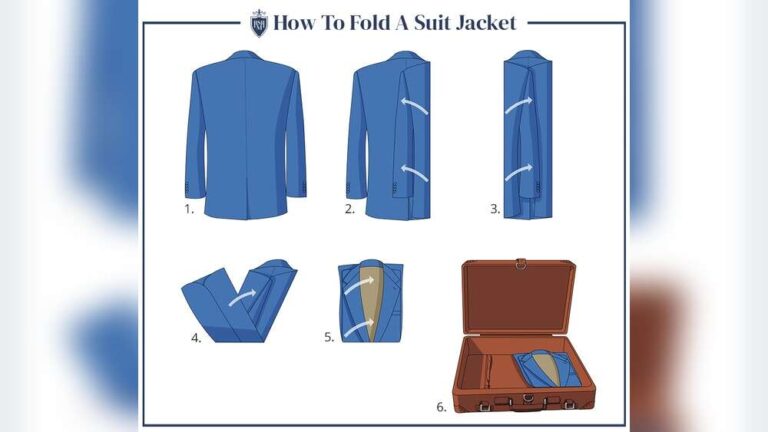
A 22 to 26-inch suitcase often works for a one-week business trip. Packing cubes can keep shirts neat, while a garment folder can reduce wrinkles.
An active or adventure trip
Sports gear, hiking shoes, rainwear, and layered clothing require extra space. A 26-inch suitcase may be suitable for light gear, but bulky equipment may need a larger bag or a separate duffel.
Check your transport plans before packing. A train, rental car, or small taxi may not have room for several large suitcases.
A family trip
Parents often pack shared items, snacks, toys, and backup clothes. A large suitcase may seem useful, but two medium suitcases are often easier to carry than one oversized bag.
When asking what size suitcase for a week with children, consider splitting items by person. This reduces the risk of losing every outfit if one bag is delayed.

Carry-On or Checked Suitcase for Seven Days?
A carry-on suitcase is usually 20 to 22 inches tall. It can save baggage fees and keep your belongings with you. It also makes airport transfers, trains, and hotel stairs easier.
The main limit is space. Most carry-ons hold around 35 to 45 liters, though capacity varies by brand. Wheels and handles also take up some of the advertised space.
A checked suitcase gives you more room. A medium suitcase between 24 and 26 inches is often the most practical choice for a normal seven-day trip. It provides space for full outfits without encouraging excessive packing.
Choose a carry-on when:
- You can repeat outfits or wash clothes.
- You are traveling in warm weather.
- You want to avoid checked baggage fees.
- You have connecting flights or many transfers.
- You can keep liquids within airline and security limits.
Choose a checked suitcase when:
- You need bulky winter clothes.
- You have formal clothing or multiple pairs of shoes.
- You are bringing gifts or special equipment.
- You dislike compressing every item.
- You are traveling with children and shared supplies.
Airline rules are not identical. Carry-on limits often include wheels and handles, and some airlines use stricter size limits than others. Always check the airline’s current baggage page before buying a ticket or packing your bag.

How Much Can a Suitcase Hold for One Week?
A week of clothing often fits in a medium suitcase if you use a simple packing plan. The goal is not to pack seven completely different outfits. Instead, pack pieces that work together.
A practical clothing list may include:
- Five to seven shirts or tops
- Three to four pairs of underwear
- Five to seven pairs of socks
- Two to three pairs of pants, shorts, or skirts
- One light jacket or sweater
- One sleep outfit
- One dressy outfit if needed
- One pair of walking shoes
- One pair of dress shoes or sandals
- Swimwear when needed
Wear your largest shoes and bulkiest jacket during travel. Shoes can take more space than expected, so place socks or small items inside them.
Toiletries also affect suitcase size. Use travel bottles and pack only what you need. Many hotels provide basic soap, shampoo, and towels, but this varies by location and personal preference.
A 24 to 26-inch suitcase generally gives enough space for this list. A 20 to 22-inch carry-on may work if you remove one pair of shoes, choose thin fabrics, and use laundry services.

How to Choose the Right Suitcase Capacity
Suitcase capacity is measured in liters. This measurement is often more useful than height because two bags with the same height may have different internal shapes.
Use these general ranges:
- 30 to 45 liters: Best for light packing and short trips
- 45 to 65 liters: Suitable for many carry-on travelers
- 60 to 90 liters: A strong range for a typical week-long trip
- 90 to 120 liters: Better for bulky clothing, family items, or longer travel
Do not rely on capacity alone. A suitcase with a wide, flat interior may pack better than a taller model with a narrow base.
Weight matters too. An empty hard-shell suitcase can weigh more than an empty soft-sided model. If an airline allows 50 pounds for a checked bag, a heavy suitcase leaves less room for your belongings.
Before buying, check:
- Empty suitcase weight
- Internal capacity
- Exterior dimensions
- Wheel clearance
- Handle strength
- Zipper or latch quality
- Warranty terms
- Availability of replacement wheels
The best answer to what size suitcase for a week includes both space and weight. A bag is not useful if it holds everything but becomes too heavy to lift.

Packing Tips for a One-Week Suitcase
Good packing can make a smaller suitcase feel much larger. Think of your suitcase as a small drawer, not a storage closet. Every item should serve a clear purpose.
Use a simple outfit plan
Choose a basic color group. For example, black, navy, white, and gray can create many combinations. This lets you bring fewer items without looking repetitive.
Plan outfits before placing clothes in the suitcase. A quick list can prevent the common mistake of packing several shirts but not enough bottoms.
Pack by weight
Place shoes and heavy items near the wheel end of the suitcase. This keeps the bag more stable when standing upright.
Put lighter clothing on top. Keep fragile items between soft layers rather than beside the hard outer shell.
Use packing cubes
Packing cubes divide the suitcase into small sections. You can use one for tops, one for bottoms, one for underwear, and one for accessories.
Cubes do not create extra space by themselves. They help you organize, compress soft items, and find things without unpacking the whole bag.
Roll some clothes and fold others
Rolling works well for T-shirts, casual pants, and soft clothing. Folding works better for jackets, dress shirts, and items that wrinkle easily.
Do not roll every item tightly. Over-compression can create deep wrinkles and make the suitcase harder to close.
Leave a little room
Try to leave 10 to 15 percent of the suitcase empty. This space helps with souvenirs, dirty clothes, and items that do not fold as neatly on the return trip.
One of the most useful lessons I have learned from testing different packing setups is that a full suitcase becomes difficult before it becomes truly heavy. Leaving room makes travel calmer and gives you a safety margin.

Common Mistakes When Choosing a Suitcase
Many travelers buy a suitcase based only on its outside size. That can lead to poor storage, excess weight, or airline problems.
Buying the largest bag available
A large suitcase feels like a safe choice. Yet extra space often encourages extra packing. You may return with a bag that is difficult to lift and expensive to check.
Ignoring the suitcase’s empty weight
Two medium suitcases may look similar but differ by several pounds. A lighter case gives you more useful packing weight.
Forgetting the wheels and handles
Airlines measure the full outside dimensions. Wheels, handles, and corner guards count. A suitcase that fits the listed interior size may still exceed the airline’s limit.
Packing too many shoes
Shoes are heavy and take up unusual shapes. Most week-long trips need no more than two or three pairs, including the pair you wear.
Failing to check the weather
A forecast can change your answer to what size suitcase for a week. Warm weather may require a small carry-on, while rain or cold may call for a larger checked suitcase.
Skipping a test lift
Pack the suitcase at home, then lift it from the floor and place it on a bed or luggage rack. If it already feels difficult, it may be too large or too full.