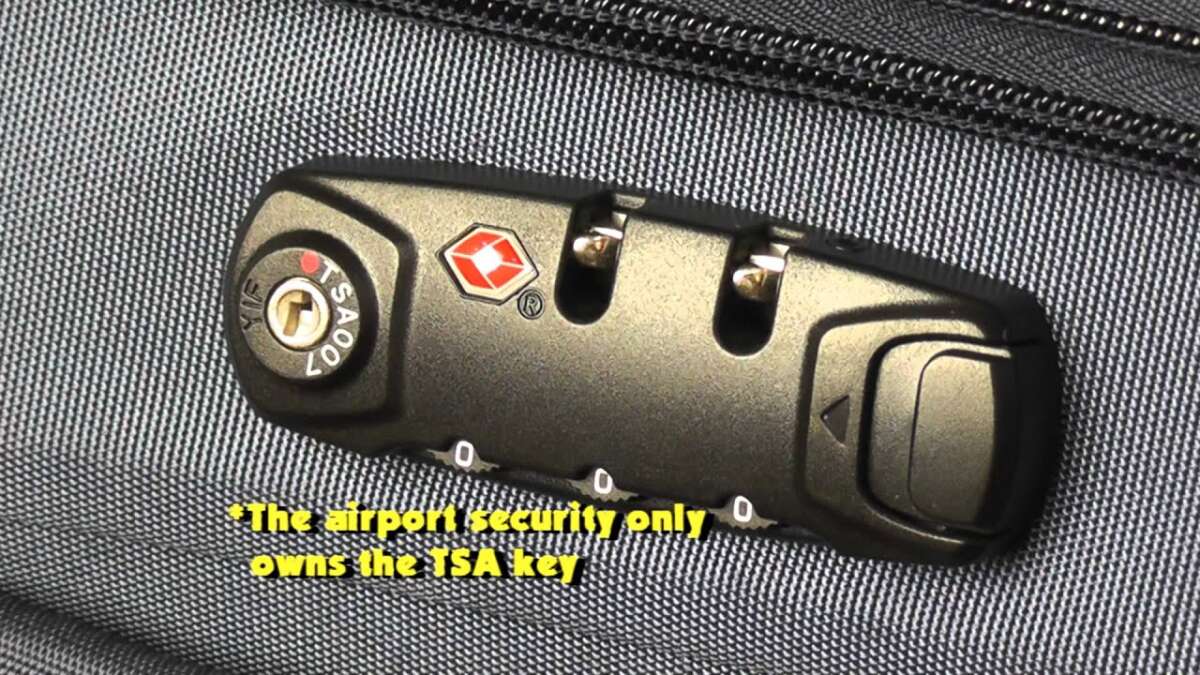
Set the dials to 0-0-0, align the indicator, then rotate to your new combination and lock.
I have spent years packing, testing travel gear, and helping friends avoid suitcase disasters. In this guide I explain exactly how to set luggage lock combinations, reset locks, and choose the right lock for your trip. You will get clear, tested steps for common TSA combo locks, keyed locks, and built-in suitcase locks, plus troubleshooting tips and real-life lessons I learned from travel. Read on to master how to set luggage lock quickly and securely.
Why lock luggage before travel?
Locking luggage protects your belongings, deters casual theft, and prevents accidental opening during transit. Airports screen checked bags, but locks help keep items safe from curious hands. Learning how to set luggage lock means you control access and can travel with more peace of mind.
Locks are small, but set them wrong and you risk getting stranded without access to essentials. Knowing how to set luggage lock correctly also helps when you need to change codes, replace a broken latch, or show proof of ownership.

Types of luggage locks and when to use them
Understanding lock types helps you pick the right one for each trip. Each lock type has pros and cons for security, convenience, and airline rules.
-
TSA-approved combination locks
- Airline friendly; can be opened by TSA agents with a master key.
- Easy to set and reset; ideal for checked bags.
-
Keyed padlocks
- Simple and durable. You must keep a spare key.
- Good for short trips or as a backup.
-
Built-in combination locks (integrated on the suitcase)
- Neat and secure. Follow the manufacturer steps to set.
- Often use three-digit dials and have a reset pin or button.
-
Cable and strap locks
- Flexible and can secure multiple zippers.
- Useful for trains, buses, and backpacks.
-
Smart electronic locks
- Bluetooth control and logs; convenient but need power.
- Good for tech-savvy travelers who want remote access.
When you learn how to set luggage lock, consider your travel style. I prefer TSA-approved combos for air travel and a small keyed padlock for weekend trips. That gives me both convenience and a backup option.

Step-by-step: how to set luggage lock (common TSA three-digit combo)
Most travelers use three-digit TSA-approved combo locks. These are quick to set and widely accepted. Below are clear, repeatable steps.
- Open the lock using the factory default code (usually 0 0 0).
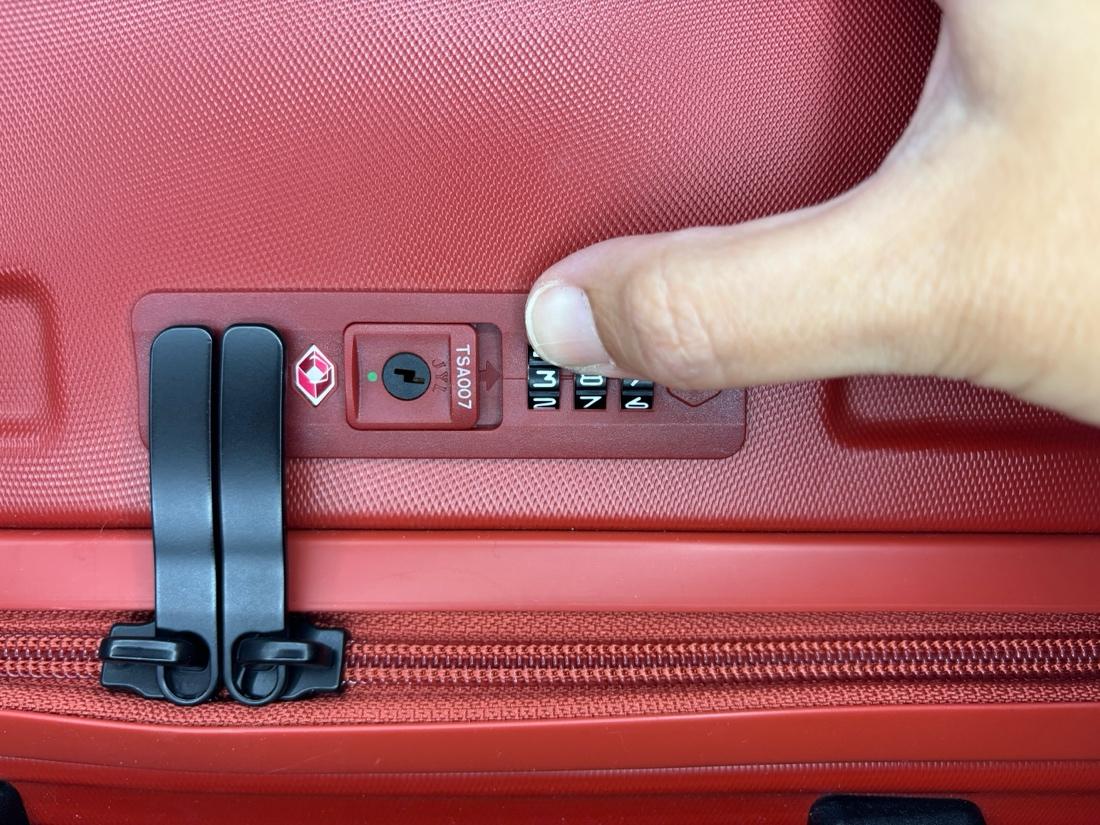
- Locate the reset method:
- If there is a small reset button, push it with a pen tip and hold while you set the code.
- If the shackle must be pulled up and turned, follow that action to set mode.
- Rotate each dial to your chosen digits while holding the reset method engaged.
- Release the reset button or return the shackle to the normal locked position.
- Test the new combination by locking and unlocking the lock at least twice.
Practical tips for how to set luggage lock:
- Pick a 3- or 4-digit code you can remember but others cannot guess, avoiding obvious dates.
- Record the code in a secure place, such as a password manager or a note in your phone.
- Test the lock before you pack to avoid surprises at the airport.
Quick checks I do: set the code, lock, and try all digits twice. On one trip I set a code while tired and forgot a step; testing saved me from having to cut the lock at 4 a.m. Always test the lock immediately after you learn how to set luggage lock.

How to reset or change a combination and troubleshoot problems
Changing codes varies by model, but the steps are similar. Here are common reset methods and fixes.
Common reset methods:
- Button reset
- Press and hold the reset button until you set the new code. Release to save.
- Shackle turn-and-pull
- Pull the shackle up, turn it 90 or 180 degrees, press down, then set digits and return.
- PIN hole reset
- Insert the reset tool or paperclip into a small hole, hold, set new digits, then remove.
Troubleshooting:
- If the lock won't open after setting, try returning to the factory code and starting over.
- If the reset button won’t depress, check for debris or damage. A tiny brush and rubbing alcohol can clean the mechanism.
- For built-in suitcase locks: consult the suitcase manual for the exact reset pin location; forced attempts can break the unit.
If you lose the code:
- Check any saved notes or devices first.
- If still locked, contact the luggage manufacturer for guidance.
- As a last resort, an airline or locksmith can open or cut the lock; avoid force that damages the suitcase unnecessarily.
I once reset a built-in lock using the manufacturer’s video and a paperclip. The instructions were short, so follow the exact reset motion. This experience taught me to keep the manual or a photo of reset steps in my cloud notes.

Safety tips, best practices, and mistakes to avoid
Small habits protect your trip and gear. These tips come from travel tests and real trips.
- Use TSA-approved locks for checked bags to avoid cutters.
- Avoid obvious combinations like birthdays, repeated digits, or “123.” These are easy to guess.
- Keep a backup key or note if you use keyed locks.
- Don’t force a stubborn lock; you can break zippers or the lock. Troubleshoot gently.
- Photograph or store the code safely so you can recover it if you forget.
- Inspect locks periodically for wear, rust, or damage before long trips.
Mistakes I’ve made and you can avoid:
- Setting a code while distracted. I once wrote the code on paper and left it in a jacket I checked. Learn from me: save codes digitally and securely.
- Using two different locks with different codes and forgetting which is which. Standardize codes across similar locks where safe to do so.
These practices will make your routine of how to set luggage lock fast and reliable.

Frequently Asked Questions of how to set luggage lock
How do I set a new combination on a TSA-approved lock?
Most TSA-approved locks start at 0 0 0. Enter the default code, use the reset button or shackle method, set your new digits, then release to save the code.
Can airport security open my luggage if I use a lock?
Yes. TSA and similar agencies have master keys for TSA-approved locks and can open them for inspection without breaking the lock.
What if I forget my luggage lock code?
Check where you stored the code. If unavailable, contact the lock or suitcase manufacturer for reset help, or visit a locksmith or airline counter as a last resort.
Are built-in suitcase locks different from external locks?
They work the same but often use a reset pin or button inside the suitcase or near the lock. Always follow the maker’s reset instructions to avoid damage.
Is it safe to use the same combination on all my luggage?
It is convenient but risky. If one code is found, all items are vulnerable. Consider unique but memorable variations for each bag.
Conclusion
You now have clear, practical steps on how to set luggage lock, how to reset codes, and how to choose the right lock for your travel needs. Test locks before you travel, store codes securely, and prefer TSA-approved options for air trips. Take action: set or check your luggage locks before your next trip, and leave a comment with any tricky lock you want help with.

Zayden Halbrook is a travel enthusiast and gear researcher passionate about making every journey smoother and more enjoyable. With a keen eye for practical travel essentials and real-world tips, he helps readers choose the right gear and travel smarter. When he’s not testing travel kits or exploring new destinations, Zayden shares simple, reliable advice to make every trip stress-free.