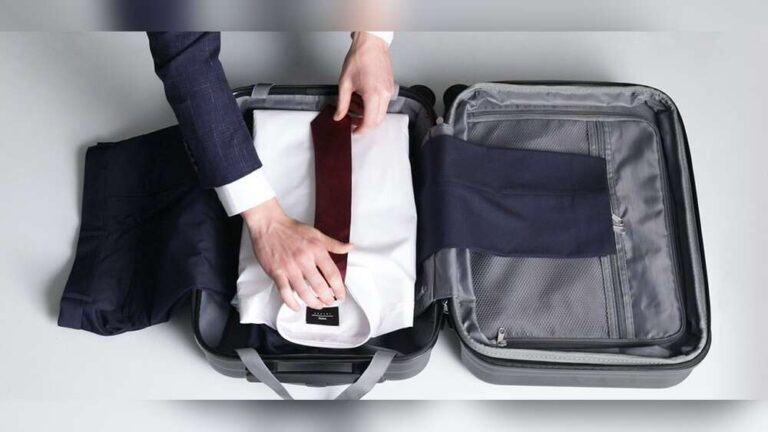
Fix a broken suitcase handle quickly by tightening loose parts, lubricating, or replacing the assembly.
I’ve repaired dozens of luggage handles for myself and clients. This guide walks you through exactly how to fix suitcase handle issues, from simple tweaks to full replacements. I’ll show tools, step-by-step instructions, troubleshooting tips, and safety notes so you can repair with confidence.

Why suitcase handles fail
A suitcase handle can fail for several clear reasons. Pulling the trolley too hard, heavy loads, or rough handling can bend or break parts. Dirt, rust, or worn fasteners also cause handles to stick or collapse. Knowing the cause helps you pick the best repair method for how to fix suitcase handle problems quickly and safely.
Common failure types:
- Telescoping handle stuck or won’t lock.
- Handle housing cracked or broken.
- Side or top grip ripped from its mount.
- Screws or rivets loosened or fallen out.
When you understand the root issue, you fix the handle once and avoid repeat work. I use a simple checklist to diagnose each case before starting repair work. That saves time and money.

Tools and materials you’ll need to fix suitcase handle
Prepare a small toolkit. Having parts handy makes most fixes quick.
Essential tools:
- Screwdrivers: Phillips and flat head.
- Hex keys or Torx bits for specialty screws.
- Needle-nose pliers and regular pliers.
- Small adjustable wrench.
- Lubricant spray (silicone or graphite recommended).
- Replacement screws, rivets, or bolts.
- Epoxy or plastic welding kit for cracked housings.
- Replacement handle or telescopic assembly if needed.
- Soft cloth and rubbing alcohol for cleaning.
Optional items:
- Dremel or rotary tool for rounded fasteners.
- Small hammer and punch for rivet work.
- Masking tape to protect suitcase finish.
Stocking these tools lets you handle most fixes. If a part looks unsafe or rusted through, plan to replace it rather than patching it.
Step-by-step: How to fix suitcase handle (simple repairs)
Follow these short steps for common, quick fixes. These steps cover most "how to fix suitcase handle" searches.
-
Inspect the handle
- Check where it wiggles or sticks.
- Note loose screws, bent rails, or cracked plastic.
-
Tighten loose hardware
- Remove visible screws and tighten gently.
- Replace stripped screws with slightly larger ones if needed.
-
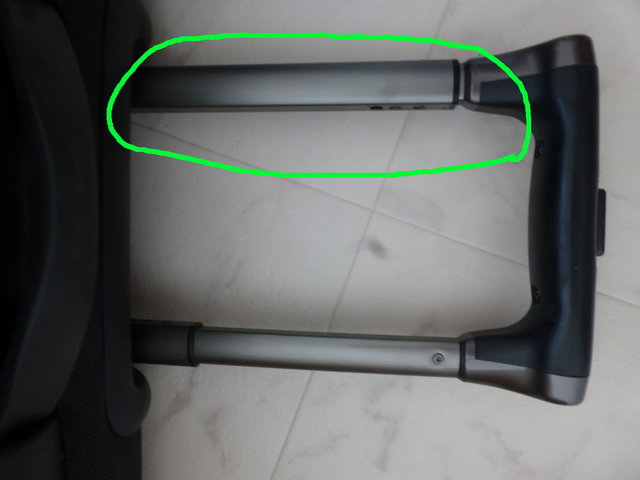
Lubricate telescoping rails
- Clean rails with rubbing alcohol.
- Spray silicone lubricant, extend and retract to spread lubricant.
-
Fix a loose grip
- Open the grip housing if screws are present.
- Re-seat the grip and tighten screws or replace rivets.
-
Repair cracked housing
- Clean surfaces and use epoxy or a plastic weld kit.
- Clamp the pieces and let cure fully before use.
-
Replace worn locking catches
- Remove the handle assembly.
- Swap the broken catch for a replacement unit and test lock.
Test the handle after each step. Pull gently then with normal force. If the handle still fails, move to replacement steps.

How to fix suitcase handle: Replacing a telescopic handle assembly
When simple repairs don’t work, replacing the whole assembly is the safest fix. This section covers that process.
Steps to replace:
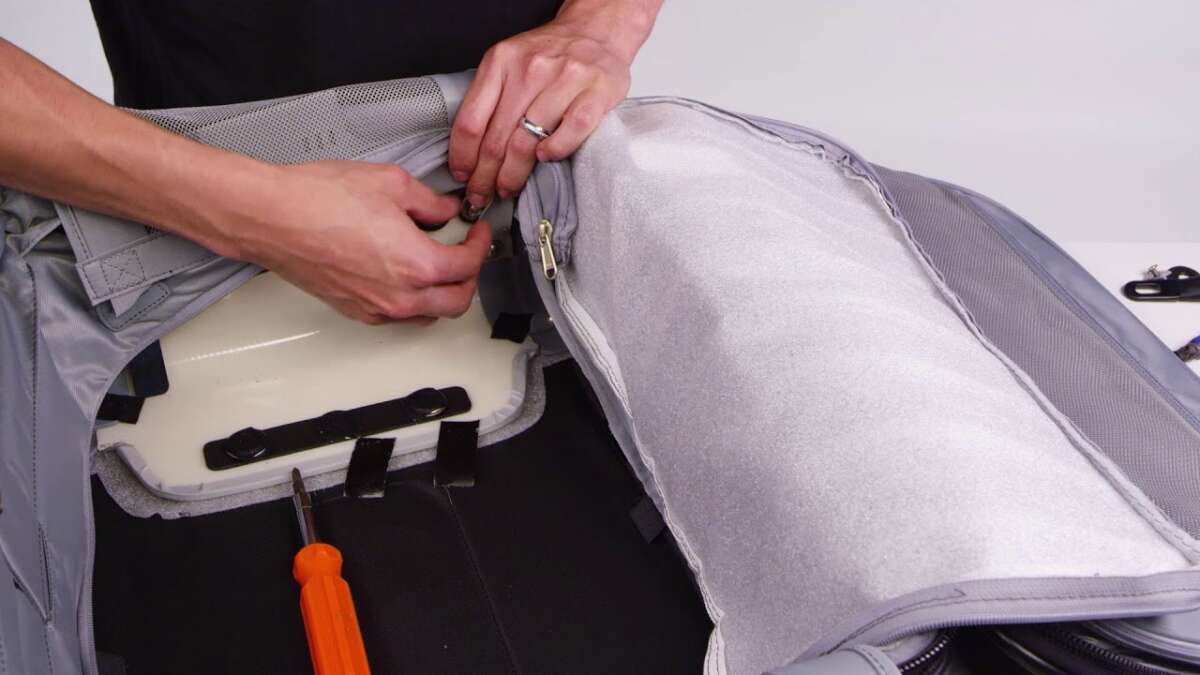
- Remove the inner suitcase lining to access mounting screws. Use pliers to fold or remove staples carefully.
- Unscrew or drill out rivets holding the old assembly. Keep parts for reference.
- Match a replacement handle by length, mounting pattern, and tube diameter.
- Install the new assembly. Align rails and secure with provided hardware.
- Test extension, retraction, and locking. Replace lining and fasten it back.
Tips from experience:
- Take photos before you disassemble. They guide reassembly.
- Buy a replacement listed for your suitcase model if possible.
- If drilling rivets, work slowly to avoid damaging the shell.
Replacing the assembly costs more but restores full function. It also prevents surprise failures during travel.
Troubleshooting and maintenance for lasting fixes
Keep your fix working with a few easy habits. Regular care prevents most handle breakdowns.
Maintenance checklist:
- Clean rails after dusty trips. Use a soft brush and alcohol.
- Lubricate seals and rails every few months.
- Avoid overpacking one compartment; distribute weight evenly.
- Check screws and rivets before long trips.
PAA-style quick questions:
Q: Why won’t my telescopic handle lock?
A: Dirt or a broken catch often blocks the lock. Clean and inspect the catch; replace if bent.
Q: Can I reuse old rivets?
A: Reusing rivets is not recommended. Replace them to ensure strength and safety.
Q: Is epoxy safe for plastic housings?
A: Many epoxies bond well, but match the epoxy to the plastic type for a solid repair.
These small steps prevent many repeat repairs and make sure your handle lasts longer.

Frequently Asked Questions of how to fix suitcase handle
How do I fix a handle that wobbles?
Tighten all visible screws and check the mounting points inside the suitcase. If the mounts are cracked, reinforce with epoxy or replace the housing.
Can I replace the handle myself?
Yes, most people can replace a telescopic handle with basic tools and patience. Follow photos and keep hardware organized to make reassembly straightforward.
My handle is stuck halfway—what should I do?
Clean the rails and apply silicone lubricant, then work the handle in and out gently until it moves freely. If the catch or rail is bent, you may need a replacement.
Are rivets better than screws for handles?
Rivets offer strong, permanent fastening for thin shells. Screws provide easier future repairs. Choose based on the suitcase design and repair needs.
When should I buy a new suitcase instead of repairing?
Replace the suitcase if the shell is cracked through, the frame is bent, or repairs cost nearly as much as a new bag. Safety and reliability are key for travel.
Conclusion
You can fix most problems by diagnosing, tightening, cleaning, or replacing parts. Start small with tightening and lubrication, and move to replacement if needed. Use the right tools, take photos, and follow the steps to repair safely.
Take action today: inspect your luggage before your next trip and apply these fixes. If you found this guide helpful, try a small repair now or share your repair story in the comments.

Zayden Halbrook is a travel enthusiast and gear researcher passionate about making every journey smoother and more enjoyable. With a keen eye for practical travel essentials and real-world tips, he helps readers choose the right gear and travel smarter. When he’s not testing travel kits or exploring new destinations, Zayden shares simple, reliable advice to make every trip stress-free.