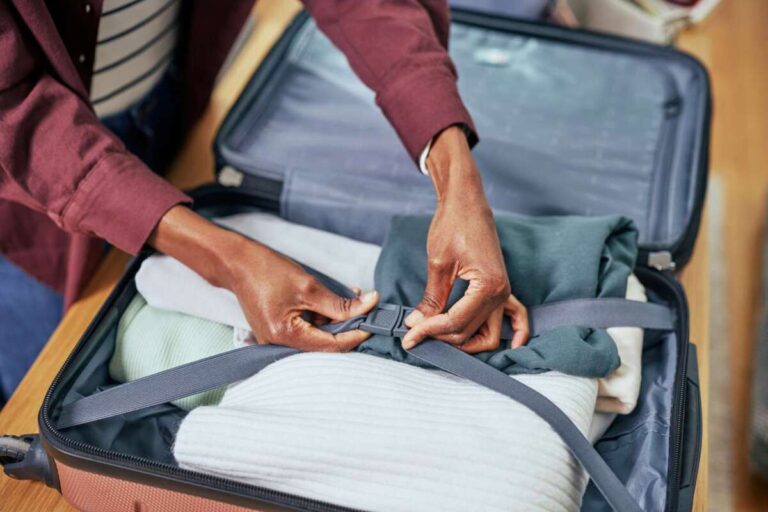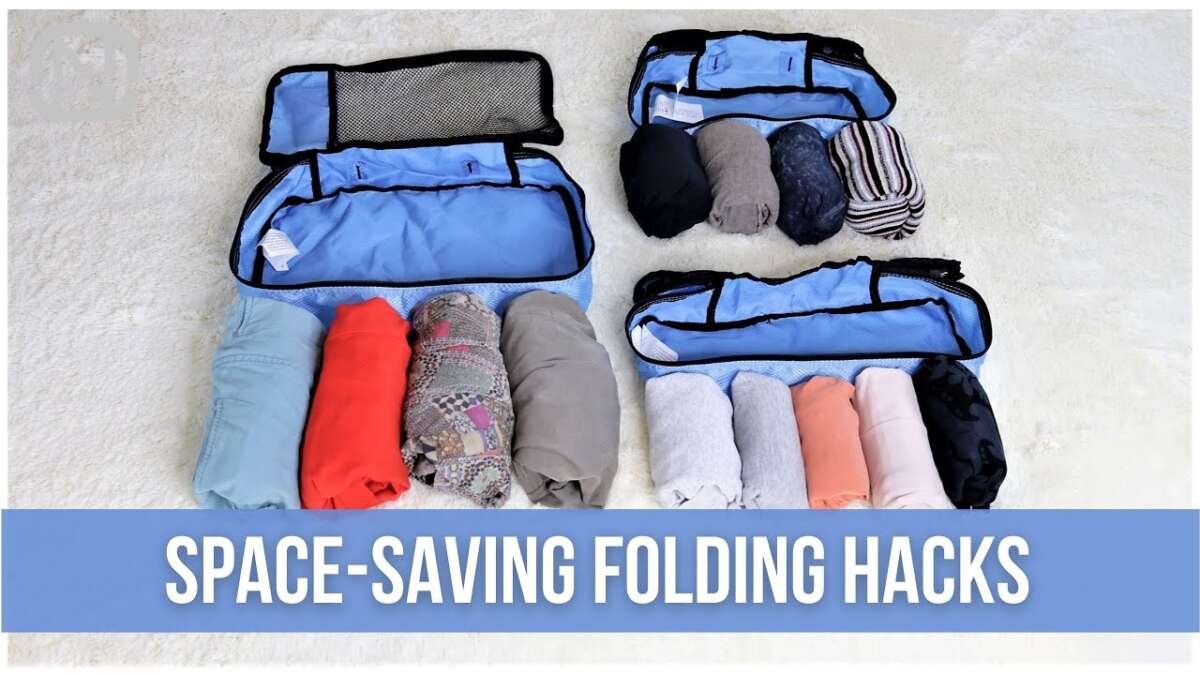
For trips in the United States, the best way to save luggage space is to use a mix of flat folding, rolling, and bundle packing. Fold stiff or bulky items flat, roll soft clothes, and place small items inside shoes or gaps. This method helps you fit more into a carry-on while keeping clothes easier to find.
The goal is not to crush every item into the smallest possible shape. Good packing also protects fabric, limits wrinkles, and keeps your suitcase balanced.

Choose the Right Folding Method
Different clothes need different packing methods. A T-shirt can roll well, while a dress shirt or blazer may need a flat fold. Using one method for every item often wastes space or creates deep wrinkles.
Use this quick guide:
| Clothing item | Best method | Main benefit |
|---|---|---|
| T-shirts | Tight roll | Saves space and makes shirts easy to see |
| Jeans and pants | Flat fold or loose roll | Handles thick fabric well |
| Underwear | Small roll or fold | Fits into gaps |
| Socks | Pair and roll | Keeps pairs together |
| Dress shirts | Flat fold | Helps reduce creases |
| Sweaters | Flat fold | Prevents bulky rolls |
| Dresses | Fold lengthwise, then roll loosely | Protects the shape |
| Jackets and blazers | Fold or wear them | Avoids taking up suitcase space |
| Bras | Stack and fold cups together | Protects the cups |
| Swimwear | Small flat fold | Fits into corners |
When to roll clothes
Rolling works best for soft, flexible clothing. T-shirts, gym clothes, pajamas, leggings, underwear, and casual shorts usually pack well this way.
A roll should be firm but not hard. If you twist the fabric tightly, it may stretch elastic bands or leave sharp creases.
When to fold clothes flat
Flat folding works better for structured or bulky items. Use it for button-down shirts, sweaters, tailored pants, coats, and clothing made from fabrics that wrinkle easily.
Flat-folded items also form a stable base. This can help prevent small rolls from shifting during travel.
When to use bundle packing
Bundle packing means wrapping several clothing items around a central core. You place the largest items on the outside and fold them around smaller pieces.
This method can reduce hard creases because it avoids repeated sharp folds. It works well for a longer trip, but it is less useful if you need quick access to one shirt.

How to Roll Clothes Without Wasting Space
A good clothing roll has a flat shape and even pressure. A loose, round roll often leaves empty gaps between items.
Follow these steps:
- Lay the garment flat. Smooth out wrinkles with your hands.
- Fold bulky parts inward. Fold sleeves, straps, or side panels toward the center.
- Fold the item in half if it is wide. Line up the edges.
- Start at one end. Roll toward the other end with steady pressure.
- Keep the roll even. Do not let one side become much thicker.
- Place the roll with the edge facing down. This helps stop it from unraveling.
For a T-shirt, place it face down. Fold the sleeves toward the back. Fold the shirt lengthwise if needed, then roll from the collar toward the bottom hem.
For pants, fold the legs together first. Smooth the pockets and waistband. Roll from the cuffs toward the waist.
Use the ranger roll for small clothes
A ranger roll is a compact method that uses part of the garment as a band.
- Lay the item flat.
- Fold the bottom edge upward by about 3 to 4 inches.
- Fold the sides toward the center.
- Roll the item from the top down.
- Pull the folded bottom band over the roll.
This method works well for underwear, socks, shirts, and lightweight shorts. Avoid using it on delicate fabrics, stiff collars, or clothing that can lose its shape.
Do not roll every garment tightly
Tight rolls save space, but they can create wrinkles and stress fabric. Avoid tight rolls for:
- Linen shirts
- Silk garments
- Wool sweaters
- Structured jackets
- Clothing with beads or decorations
- Items with delicate zippers or buttons
Use a loose roll or flat fold for these pieces.

How to Fold Shirts and Tops
Fold shirts in a simple rectangle so they stack well or fit into packing cubes.
T-shirts
- Lay the T-shirt face down.
- Fold one side toward the center.
- Fold the sleeve back over the folded side.
- Repeat on the other side.
- Fold the shirt in half from bottom to top.
- Fold it once more if you want a compact stack.
You can then place the folded shirt in a packing cube or roll it from the collar down.
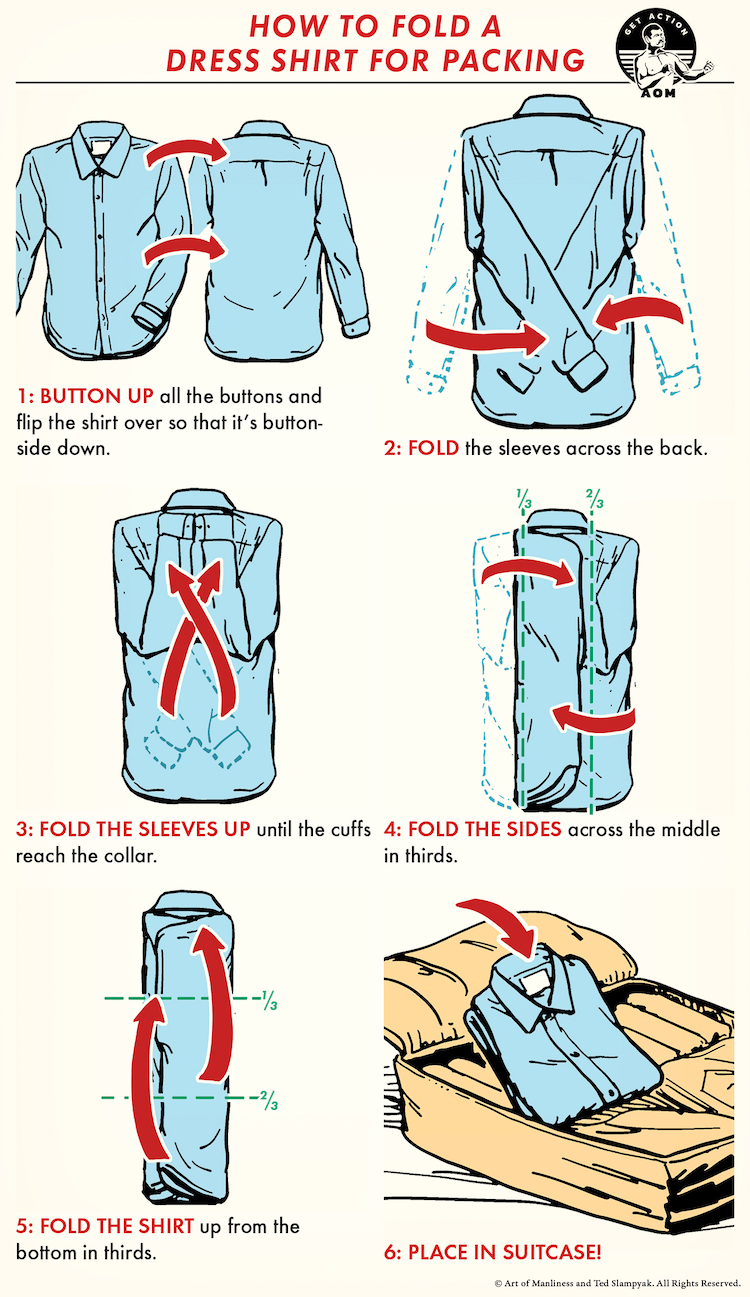
Button-down shirts
Button at least one or two buttons near the center. Lay the shirt face down and spread the collar flat.
Fold each sleeve across the back in a straight line. Fold the shirt lengthwise from both sides, then fold the bottom upward. Place it near the top of the suitcase so heavier items do not press against the collar.
For less wrinkling, place a thin layer of tissue paper or a clean plastic dry-cleaning bag over the shirt before folding. The slippery layer lets the fabric move instead of forming deep folds.
Tank tops and thin tops
Fold straps toward the center. Fold the sides inward, then fold the garment in half. These items can also fill small spaces between larger clothing rolls.

How to Fold Pants, Jeans, and Shorts
Pants take up more space because of thick waistbands, pockets, and seams. The best method depends on the fabric and shape.
Jeans
Lay the jeans flat and empty the pockets. Fold one leg over the other. Fold the jeans in half at the knees, then fold them once more from the cuffs toward the waistband.
You can also roll jeans loosely from the cuffs. A loose roll is often easier to fit into a suitcase corner than a thick folded stack.
Dress pants
Keep dress pants flat when possible. Match the seams and fold the pants along the natural crease. Fold them once or twice, but avoid pressing a new crease across the legs.
Place dress pants near the top of the suitcase. A garment folder can help keep them flat.
Shorts
Fold the shorts in half lengthwise. Smooth the waistband and pockets. Fold them from the bottom upward or roll them loosely.
For athletic shorts, a compact roll usually works best.
Long skirts and dresses
Fold the garment lengthwise first. Smooth the fabric, then fold it into a rectangle or roll it loosely from one end.
Do not force a tight roll if the item has a stiff waistband, pleats, or decorations. Place delicate dresses near the top of the luggage.

How to Pack Sweaters, Jackets, and Bulky Clothes
Bulky clothing can fill a suitcase quickly. Wear the heaviest item during travel when practical. This saves space and can reduce the weight of your checked bag.
For a sweater:
- Lay it flat.
- Fold the sleeves across the chest.
- Fold both sides toward the center.
- Fold the sweater in half from bottom to top.
- Place it flat on top of other clothes.
Do not compress a wool sweater into a tight roll. Repeated pressure can flatten the fibers and distort the shape.
For a jacket or blazer, turn it inside out if the lining is smooth. Fold the shoulders inward without crushing the lapels. Then fold the jacket in half lengthwise and place it near the top of the suitcase.
A blazer may wrinkle less if you wear it or carry it separately. Check the airline’s current carry-on rules before relying on an extra garment bag.

Pack Shoes, Underwear, and Accessories Efficiently
Small items can fill the gaps left by larger clothing. They should not float loose in the suitcase.
Shoes
Pack shoes along the suitcase edges or in the bottom corners. Put socks, underwear, belts, or chargers inside the shoes.
Use a shoe bag or clean plastic bag to keep dirt away from clothing. Do not overfill shoes with heavy items that may change their shape.
Socks and underwear
Pair socks, then roll them together. For thicker socks, place one sock inside the other only partway. Pulling one sock fully over the other can stretch the cuff.
Fold underwear flat or use a small roll. Place these items in gaps, inside packing cubes, or along the suitcase edges.
Bras
Stack bras with the cups nested together. Fold the band around the cups without crushing them. Place bras near the top of the suitcase or inside a soft packing cube.
Belts
Lay belts flat around the edge of the suitcase. Rolling a belt can create a tight coil and use more space than laying it straight.
Small accessories
Place scarves, swimsuits, and gloves in narrow gaps. Keep jewelry in a small case or pouch rather than loose in a pocket.

Use Packing Cubes Without Losing Space
Packing cubes can help organize luggage, but they do not create extra space by themselves. They work best when each cube holds one clothing group, such as shirts, underwear, or workout clothes.
Choose soft cubes that fit the shape of your suitcase. A cube that is too rigid or too large can leave unused space around it.
Pack cubes by category:
- Cube one: shirts and tops
- Cube two: pants and shorts
- Cube three: underwear and sleepwear
- Small pouch: socks and accessories
Do not force a cube closed when the fabric is compressed hard. Overpacked cubes may take more room than a flexible stack and can wrinkle clothing.
Compression cubes can reduce the volume of soft clothing. However, they do not reduce weight. Your luggage can still exceed an airline’s weight limit even when it appears compact.
Arrange the Suitcase in Layers
The order of your packing matters. A stable suitcase is easier to close and less likely to shift.