Hard case suitcases are usually more water-resistant than fabric luggage, but most are not fully waterproof. A molded plastic shell can shed rain and stop light splashes. However, water can still enter through the zipper, seams, handle openings, wheel housings, and lock area.
For most travelers in the United States, a hard shell suitcase is suitable for walking through rain, crossing a wet airport curb, or sitting briefly on damp ground. It is not safe to treat a normal suitcase as a dry box for electronics, medication, or valuables.
The exact answer depends on the shell material, closure system, seam design, and the maker’s stated water rating.

What “waterproof” means for a suitcase
A waterproof suitcase should keep water out under a defined test, not just resist a few drops. The term is often used loosely in luggage marketing, so check the product details before relying on it.
Water-resistant luggage
Water-resistant luggage can slow or stop water from entering during light exposure. It may handle:
- Light rain
- Water splashes
- A damp baggage cart
- A wet airport floor
- A short walk from a car to a terminal
Water-resistant does not mean the case will stay dry during heavy rain, prolonged exposure, or immersion.
Waterproof luggage
A truly waterproof case normally needs several features working together:
- A shell with few or no openings
- Sealed seams
- A rubber gasket or compression seal
- A watertight zipper or latch
- Protected handle and wheel openings
- A documented water-resistance test or ingress rating
The International Electrotechnical Commission’s IP Code system explains how ingress protection ratings describe resistance to solids and water. A luggage maker that provides a tested rating gives you more useful information than one that simply says “waterproof.”
Weatherproof is not the same as waterproof
“Weatherproof” usually means a product can tolerate normal outdoor conditions. It does not necessarily mean the product can be submerged or exposed to water pressure.
A suitcase may be weather-resistant on its main shell but vulnerable at its zipper. In practice, the weakest opening often determines how dry the inside remains.

Why hard shell suitcases resist water better than fabric bags
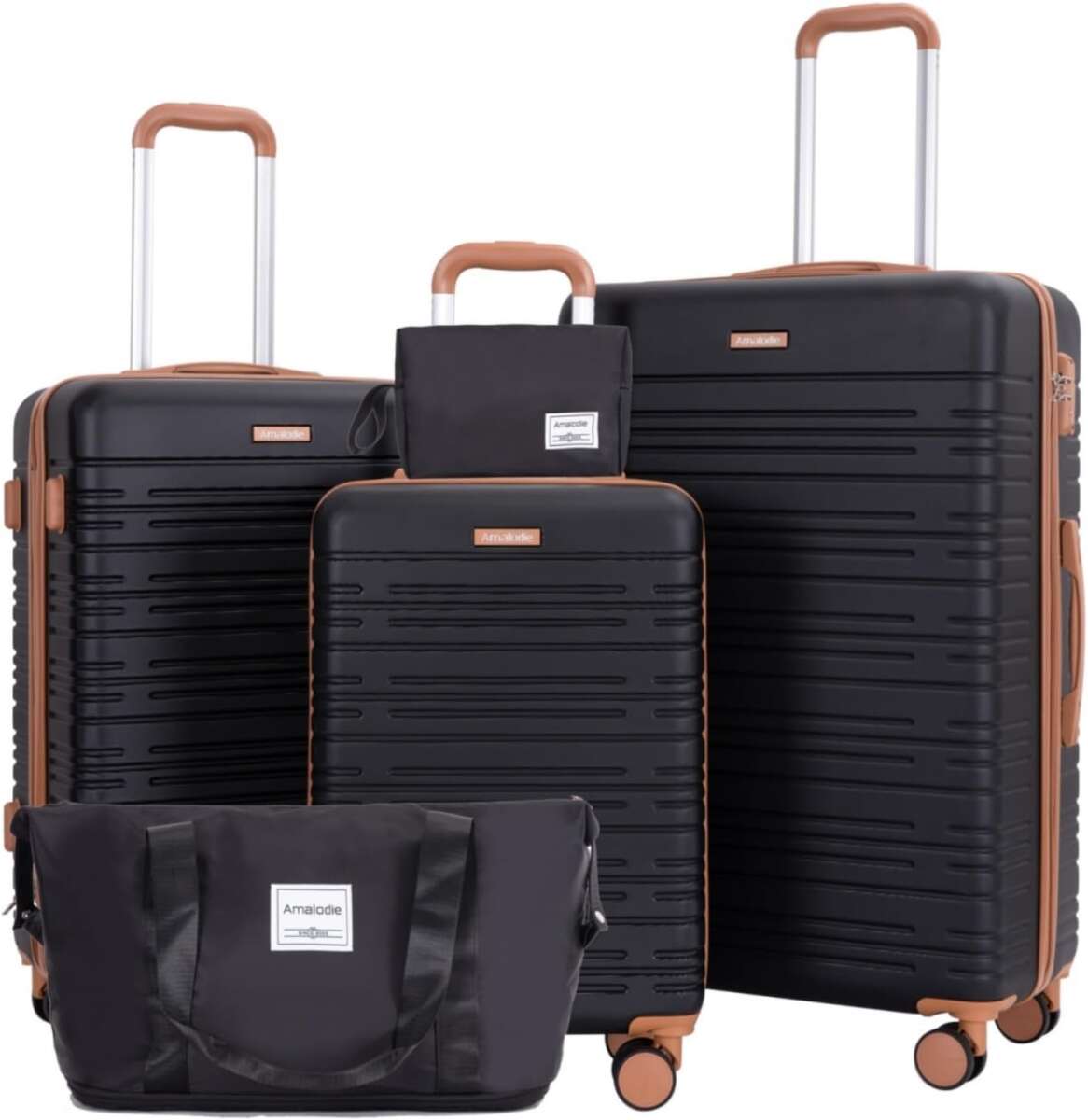
Hard case luggage has a smooth outer shell made from materials such as polycarbonate, ABS plastic, polypropylene, or aluminum. These materials do not absorb water like woven fabric.
That gives hard luggage a useful advantage in wet conditions. Rain usually runs off the shell instead of soaking into it. The inside may remain dry after a short exposure, even when the outside is wet.
The shell itself, however, is only one part of the case. A suitcase also includes openings and moving parts. Those parts create paths for water to enter.
Common water-entry points
Water can reach the inside through:
-
The zipper
Standard luggage zippers are not usually watertight. Water may pass through the teeth, zipper tape, or ends. -
The case seam
Two shell halves often meet around a rim. If the edge has no gasket, water can seep through the joint. -
The telescoping handle
The handle tubes pass through openings in the shell. These openings must have careful seals to block water. -
The wheels
Wheel mounts and wheel wells often expose gaps near the bottom of the case. -
Built-in locks
The lock itself may be water-resistant, but the cutout around it can still allow moisture inside. -
Expansion panels
An expandable hard case often uses fabric around the extra section. That fabric can be less water-resistant than the shell. -
Damaged areas
Cracks, bent edges, worn zipper tape, or missing gasket material can greatly reduce water protection.
A hard shell can therefore repel rain while still failing a waterproof test.

Is polycarbonate or ABS plastic waterproof?
Polycarbonate and ABS are both water-resistant shell materials, but neither makes a suitcase waterproof by itself.
Polycarbonate
Polycarbonate is a tough plastic used in many hard shell suitcases. It does not soak up water, and its flexibility can help it handle impacts without shattering.
Its water performance still depends on the case design. A polycarbonate shell with a normal zipper can let water in through the zipper even though the plastic shell itself is non-absorbent.
ABS plastic
ABS is also a plastic that resists water absorption. It is common in lower-cost hard luggage and may protect contents from short exposure to rain.
ABS luggage can have the same weak points as polycarbonate luggage. The material does not seal the case edges, zipper, wheels, or handle openings.
Polypropylene and aluminum
Polypropylene hard cases also resist water at the shell level. Aluminum cases can shed water well, but many still use a seam, latch, or gasket that controls the actual seal.
The practical rule is simple: the material affects durability and water absorption, but the closure design determines how dry the inside stays.

How to tell whether a hard suitcase is waterproof
Do not rely on the words “hard shell,” “waterproof shell,” or “water-resistant” alone. Check the construction and the manufacturer’s instructions.
1. Read the exact product specification
Look for clear language such as:
- “Waterproof”
- “Watertight”
- “Water-resistant zipper”
- “Rubber gasket seal”
- “IP-rated”
- “Tested to [specific standard]”
A vague phrase such as “built for all weather” does not tell you how much water the case can handle.
Also check the product’s care guide. Some manufacturers state that their luggage is water-resistant but not waterproof. That warning should guide your use.
2. Inspect the closure
A zipper is usually the first part to question. A covered zipper may offer better protection than an exposed zipper, but a cover alone does not make it watertight.
A compression latch with a continuous rubber gasket generally offers a stronger seal than a standard zipper. The case must still have protected handle and wheel openings.
3. Look for a continuous gasket
Open the case and inspect the rim. A rubber seal that runs around the full opening can block water when the case is closed.
A gasket with gaps, damage, or poor compression may not provide reliable protection. Close the case and check that the lid presses evenly against the seal.
4. Check for an actual rating
If a product has an IP rating, review the full code and its test conditions. A rating designed for light water spray does not automatically cover submersion.
Do not confuse an IP rating with a TSA-approved lock. A TSA-accepted lock allows authorized security officers to open a bag with a suitable tool. It does not waterproof the luggage.
5. Examine the warranty
A warranty can reveal how the manufacturer views water exposure. Some warranties cover shell defects but exclude damage caused by rain, immersion, or improper care.
A warranty exclusion does not prove poor quality. It means you should not assume that water damage is covered.

How much rain can a hard case suitcase handle?
A typical hard shell suitcase can usually handle brief light rain, but there is no universal time limit or rainfall amount that applies to every case.
The risk rises with exposure to:
- Heavy rain
- Wind-driven rain
- Standing water
- Wet baggage belts
- Snow that melts on the case
- Long outdoor waits
- Repeated wet-and-dry cycles
- Rough handling that opens a seam or damages a zipper
A case placed upright may shed water better than one lying flat. Water that pools on the lid or collects around the zipper has more time to enter.
Practical exposure guide
| Situation | Likely protection from a normal hard case |
|---|---|
| A few drops at an airport curb | Usually adequate |
| A short walk in light rain | Usually adequate |
| A 20-minute wait in heavy rain | Uncertain; cover the case |
| Sitting on wet pavement | Risk increases near wheels and seams |
| Left outside overnight | Not recommended |
| Dropped in a puddle | Not reliably protected |
| Submerged in water | Not suitable unless specifically rated |
| Carrying essential electronics without inner protection | Not recommended |
These are practical guidelines, not a certification. Case design and condition can change the result.
When rain is likely, use a suitcase cover or place important items in waterproof inner bags. A cover protects the zipper and seams better than the plastic shell alone.
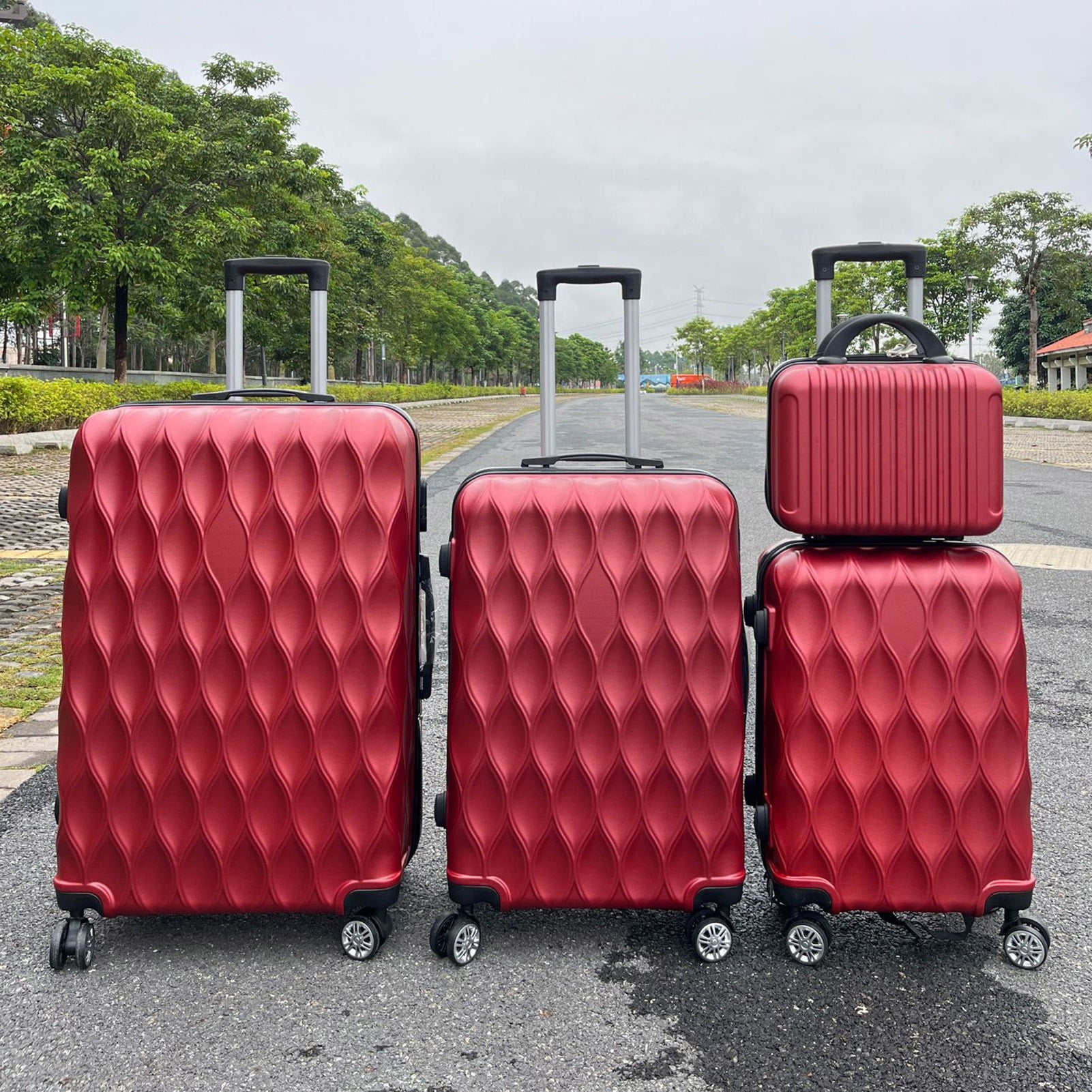
Are hard suitcases waterproof when checked on an airplane?
A hard case may stay dry during normal airport travel, but airlines do not generally handle luggage as if it were waterproof equipment.
Checked bags can encounter:
- Rain on the airport ramp
- Wet carts and conveyor areas
- Condensation
- Snow or slush
- Rough loading and unloading
- Pressure on zippers and shell seams
Airport staff may move bags quickly through wet areas. Even a strong suitcase can collect water around its closure or wheel housings.
For checked luggage, protect moisture-sensitive items separately. Keep medication, documents, cameras, laptops, and other critical items in your carry-on when airline rules allow it. If an item must go in checked luggage, use a sealed inner pouch rather than relying only on the suitcase shell.
A plastic bag inside the suitcase can help, but it should not replace proper packing. Seal liquids well, cushion breakable items, and avoid packing wet clothing next to electronics.

How to protect a hard case suitcase from water
You can improve water protection without modifying the suitcase.
Use a fitted suitcase cover
A cover can shield the zipper, lock, seams, and handle openings. Choose one that fits tightly and does not block the wheels or create a tripping hazard.