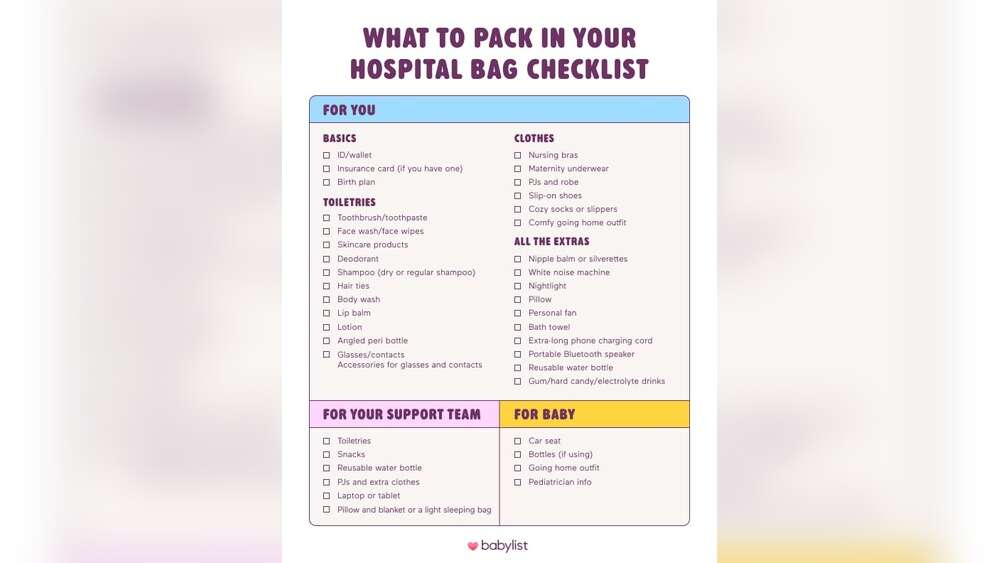
Packing a hospital bag for your baby is an exciting step as you prepare to welcome your little one into the world. It can also feel a bit overwhelming, especially if you are a first-time parent or if you want to be sure you do not miss anything important.
I remember double-checking my own hospital bag three times before my due date, hoping I packed everything my baby and I would need. With the right guidance, you can feel calm and ready when the big day arrives.
Many parents wonder: What does my baby really need in the hospital? What can I leave at home? Are there things that might surprise me? In this article, I will guide you through everything you should pack for your baby’s hospital stay. You’ll find practical advice, simple explanations, and tips based on real experience. By the end, you’ll know exactly what to bring and why each item matters.
Why Packing The Right Hospital Bag Matters
Having the right items in your hospital bag helps you feel more confident and prepared. Hospitals provide some essentials, but their supplies are not always comfortable or personal. Packing the right things means your baby will have soft clothes, familiar smells, and all the basics for those precious first days.
A well-packed bag also helps you avoid stress. When labor begins, you may not have time to search for missing items. If you pack early and thoughtfully, you can focus on your baby and your own recovery.
When To Start Packing Your Hospital Bag
Most experts suggest packing your hospital bag at least 4 weeks before your due date. Babies can arrive earlier than expected, and it’s best to be ready. I started mine at 36 weeks, and I added items as I remembered them.
Keeping the bag by the door made me feel organized and less worried.
Essential Items For Baby’s Hospital Bag
Let’s break down what your baby truly needs during the hospital stay. I will explain why each item matters, how many you should pack, and some small details that can make a big difference.
1. Baby Clothes
Hospitals keep newborns warm, but you will want soft, comfortable clothes for your baby. Bring clothes in newborn and 0-3 month sizes, since it’s hard to predict your baby’s exact size.
What to pack:
- 3-4 onesies or bodysuits with snaps for easy diaper changes
- 2-3 sleepers or footed pajamas (zipper ones are faster at night)
- 1-2 hats (newborns lose heat through their heads)
- 2 pairs of mittens to prevent scratching
- 3-4 pairs of socks
Pro tip: Choose clothes that are easy to put on and take off. Avoid complicated outfits—simple is best in those first days.
2. Swaddles And Blankets
A soft blanket or swaddle can help your baby feel secure. While hospitals usually provide basic receiving blankets, having your own makes for nicer photos and a familiar scent.
What to pack:
- 2-3 swaddle blankets (muslin or cotton)
- 1 heavier baby blanket for going home if it’s cold
I found that my baby calmed down quickly when wrapped in a blanket from home. The smell and softness were comforting in the new hospital environment.
3. Diapers And Wipes
Hospitals often provide diapers and wipes, but it’s smart to bring your own, especially if you prefer a certain brand or if your baby has sensitive skin.
What to pack:
- 1 small pack of newborn diapers (about 10-15)
- 1 travel-size pack of baby wipes (alcohol-free, unscented)
Non-obvious tip: Bringing your own diapers can help you practice changing your baby with the products you’ll use at home, making the transition easier.
4. Formula And Bottles (if Needed)
If you plan to formula-feed, bring your preferred formula and bottles. Some hospitals provide formula, but they may not offer your chosen brand or type.
What to pack:
- 2-3 bottles (4-ounce size is good for newborns)
- 1 can or several ready-to-feed formula bottles
- Bottle nipples (slow flow for newborns)
If you’re breastfeeding, you usually don’t need bottles, but you can pack one just in case.
5. Pacifiers
Some babies find comfort in a pacifier. Not all hospitals provide them, so bring one or two if you want to use them.
What to pack:
- 2 newborn pacifiers (BPA-free, orthodontic shape)
Expert insight: Not all babies take to a pacifier right away. Do not worry if yours does not use it in the hospital.
6. Going Home Outfit
The going home outfit is a special tradition for many families. Choose something soft, easy to put on, and weather-appropriate.
What to pack:
- 1 going home outfit (one-piece is easiest)
- Seasonal extras: Hat, sweater, or jacket if it’s cold
Personal note: I picked a simple cotton romper with a matching hat. It made for sweet photos and was gentle on my baby’s skin.
7. Car Seat
A car seat is not just recommended—it’s required by law in most places. The hospital will check to make sure you have a properly installed, rear-facing car seat before you leave.
What to pack:
- 1 infant car seat (already installed in your car)
- Car seat cover if weather is cold or rainy
Safety tip: Practice installing the car seat before your due date. I did a practice run and found it took longer than I thought!
8. Burp Cloths
Newborns often spit up after feeding. Burp cloths keep you and your baby clean and dry.
What to pack:
- 2-3 burp cloths (soft cotton or muslin)
Non-obvious insight: Thin cloth diapers make excellent burp cloths and can double as emergency blankets.
9. Baby Toiletries
Most hospitals provide some baby toiletries, but you may prefer to bring your own.
What to pack:
- 1 small baby wash (fragrance-free)
- 1 soft baby brush or comb
- 1 small tub of diaper cream (zinc oxide or petroleum jelly)
Note: Check with your hospital, as some do not allow outside products for infection control.
10. Health Documents And Insurance Information
Bring copies of important documents for your baby, especially if you expect special care.
What to pack:
- Insurance card
- Hospital registration forms
- Pediatrician contact details
- Birth plan (if you have one)
Example: When my baby needed extra tests, having my insurance card and pediatrician’s number made the process faster.
11. Baby Nail File Or Emery Board
Newborn nails are sharp and can scratch their faces. Hospital clippers are often too big.
What to pack:
- 1 emery board or soft nail file (not scissors)
Non-obvious tip: Filing is safer than clipping for tiny nails in the first weeks.
12. Special Items
You may want to bring a few items for comfort, family traditions, or special photos.
What to pack:
- 1 soft toy (for photos; keep away from the crib)
- 1 family blanket or keepsake item
- Welcome sign or name card for photos
Expert advice: Do not overcrowd your baby’s crib. Most of these items are just for photos or short moments.
Sample Hospital Bag Packing List For Baby
Here is a sample packing list to help you organize and check off each item.
| Item | Recommended Quantity | Notes |
|---|---|---|
| Onesies/Bodysuits | 3-4 | Easy to change, soft fabric |
| Sleepers | 2-3 | Zipper ones are best |
| Hats | 1-2 | Keep baby warm |
| Mittens | 2 pairs | Prevent scratching |
| Socks | 3-4 pairs | Warm feet |
| Swaddles/Blankets | 2-3 | Comfort and warmth |
| Diapers | 10-15 | Newborn size |
| Wipes | 1 pack | Unscented, gentle |
| Bottles (if needed) | 2-3 | Formula feeding only |
| Pacifiers | 2 | Optional |
| Going Home Outfit | 1 | Weather-appropriate |
| Car Seat | 1 | Required for discharge |
| Burp Cloths | 2-3 | Mess control |
| Baby Toiletries | Varies | Optional |
| Documents | All needed | Keep in folder |
| Nail File | 1 | Safer than clippers |
| Special Items | 1-2 | For memories |

Credit: www.thatpracticalmom.com
Packing For Different Seasons
The time of year can change what you need for your baby’s hospital bag. Here’s a simple comparison of what to pack for each season:
| Season | Essential Extras | Why Important |
|---|---|---|
| Winter | Warm hat, blanket, thick sleeper, car seat cover | Protects from cold and wind |
| Summer | Lightweight clothes, sun hat, muslin blanket | Prevents overheating |
| Spring/Fall | Layered outfits, medium blanket | Handles changing temperatures |
Personal experience: My baby was born in early spring, so I packed both a light and a heavier blanket. The weather changed during our hospital stay, and I was glad to have both options.
What Hospitals Usually Provide For Newborns
Knowing what the hospital supplies can help you avoid overpacking. Most hospitals provide:
- Basic diapers and wipes
- Simple onesies or shirts
- Receiving blankets
- Baby wash for first bath
- Bulb syringe for suction
- Formula (on request)
However, these items are often generic. If your baby has sensitive skin, allergies, or if you want certain brands, bring your own supplies.
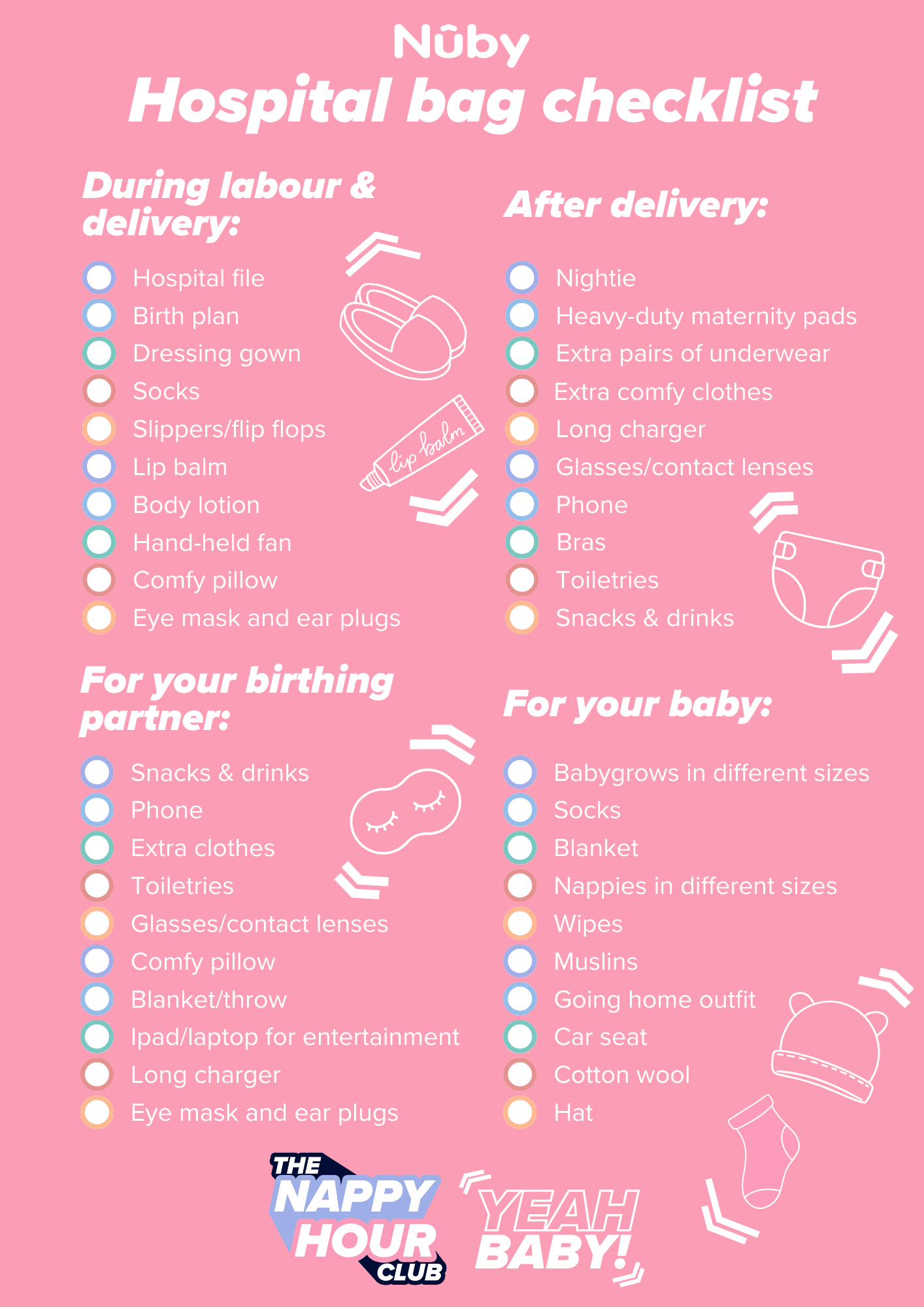
Credit: uk.nuby.com
What You Can Skip Packing
Some items are not needed in your baby’s hospital bag. Leave these at home:
- Large toys or stuffed animals (not safe in crib)
- Fancy clothes (babies mostly sleep and eat)
- Full-size bottles of toiletries (travel size is enough)
- Shoes (newborns do not need them)
- Pillows or blankets from home for baby’s crib (hospital rules often do not allow them)
Helpful Packing Tips From Experience
- Pack Early: Start at least a month before your due date, so you’re not rushed.
- Keep the Bag Simple: Focus on comfort and essentials. The hospital stay is short (usually 1-3 days for a normal delivery).
- Label Everything: Mark baby’s items with your name so nothing gets lost.
- Zip-Top Bags Help: Use small bags inside your main bag to organize clothes, diapers, and documents.
- Have Extras at Home: Keep a backup bag or basket at home in case your stay is longer than expected.
When I packed for my own baby, I put a change of clothes in each zip-top bag. This made it easy for my partner to find things quickly, even when we were both tired.
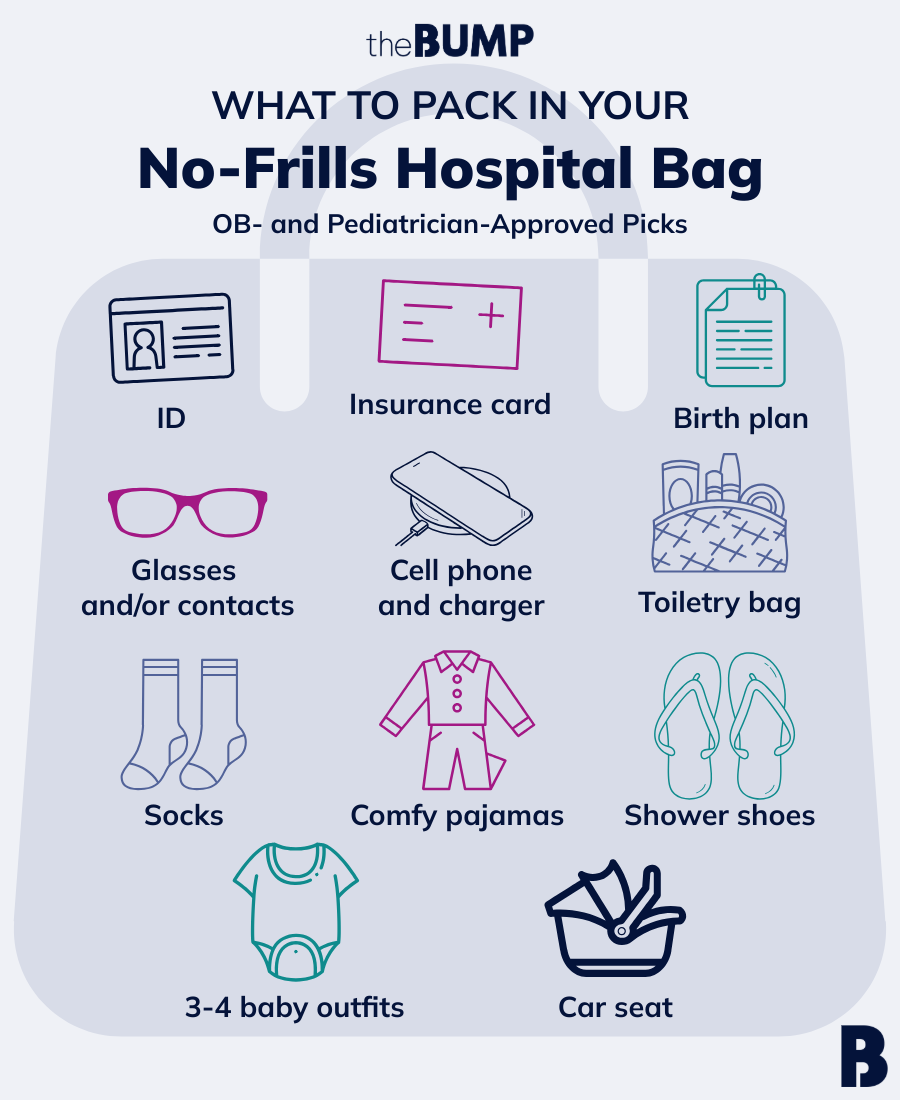
Credit: www.thebump.com
Common Mistakes Parents Make When Packing
Even with the best plans, parents sometimes pack too much or forget something important. Here are mistakes to avoid:
- Overpacking clothes: Babies mostly wear swaddles and basic outfits in the hospital.
- Ignoring the weather: Check the forecast before you go.
- Forgetting paperwork: You’ll need documents for baby’s birth certificate and insurance.
- Bringing unsafe items: Hospitals have strict rules about what can go in the crib.
- Not practicing car seat use: Try installing and using the car seat before your due date.
How Your Packing Choices Affect Your Hospital Experience
Bringing your own items can make your baby’s first days more comfortable. For example, a soft blanket from home can help your baby sleep better. Having your favorite diapers or wipes can reduce skin irritation. These small choices can make you feel more in control and less anxious.
A well-organized bag also helps hospital staff. When everything is easy to find, nurses can help you faster, and you can spend more time with your baby.
How To Pack Your Bag: Step-by-step
Packing does not have to be stressful. Here’s a simple way to organize your baby’s hospital bag:
- Lay everything out: Check your list and lay out all items on a clean surface.
- Sort by category: Group clothes, diapers, feeding items, and documents.
- Use small bags: Place each group in a zip-top or cloth bag for easy access.
- Label bags: Write the item type or your baby’s name on each bag.
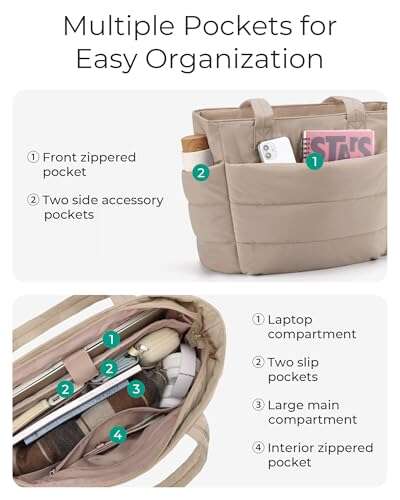
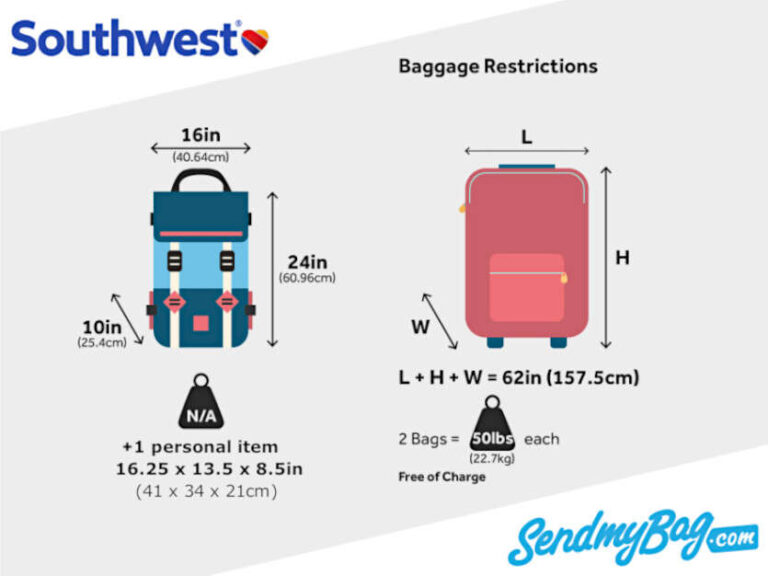
- Pack in a medium-sized bag: Avoid using a very large suitcase. A small duffel or backpack is enough.
- Keep the bag near your door: When labor starts, you can grab it quickly.
Comparing Hospital And Home Essentials
It’s useful to see how hospital needs differ from home needs. Here’s a quick comparison:
| Item | Hospital Stay | At Home |
|---|---|---|
| Clothes | Few basic outfits | Larger variety, more changes |
| Diapers | 10-15 for 2-3 days | Many more needed |
| Blankets | 2-3 swaddles | More for changing, playtime |
| Feeding Supplies | Bottles/formula only if not breastfeeding | Pump, more bottles, sterilizer |
| Toiletries | Basic wash, cream | Bath tub, more products |
This shows you do not need to bring everything you own—just the basics for a short stay.
Reliable Resources For Baby Packing Lists
If you want more details or printable checklists, you can find trustworthy advice from the March of Dimes. Their lists are updated and reviewed by medical experts.
Frequently Asked Questions
What Size Clothes Should I Pack For My Newborn?
Bring a mix of newborn and 0-3 month size clothes. Babies’ sizes vary, and some newborns are too big for the smallest size. Having both means you’ll be ready either way.
Do I Need To Bring Diapers And Wipes To The Hospital?
Hospitals usually provide basic diapers and wipes, but bringing a small pack of your preferred brand is a good idea, especially if your baby has sensitive skin.
Should I Pack Formula And Bottles If I Plan To Breastfeed?
If you plan to breastfeed, you usually do not need bottles or formula. Hospitals support breastfeeding and will help you start. But if you want a backup or plan to formula-feed, bring your own supplies.
How Many Outfits Does A Baby Need For A 2-3 Day Hospital Stay?
For a short stay, 3-4 onesies and 2-3 sleepers are enough. Most of the time, your baby will be swaddled or in simple clothes. Bring one special outfit for going home.
Can I Bring My Own Baby Shampoo And Lotion?
Check with your hospital. Some allow personal toiletries, but others do not, to protect newborns from allergies or infection. Always use fragrance-free, gentle products if allowed.
Packing for your baby’s hospital stay is a wonderful way to prepare for their arrival. With this guide, you can feel confident, organized, and ready for those precious first moments together. The key is to focus on comfort, safety, and simplicity.
Soon, you’ll be holding your newborn in your arms, knowing you’ve brought everything you truly need.

Zayden Halbrook is a travel enthusiast and gear researcher passionate about making every journey smoother and more enjoyable. With a keen eye for practical travel essentials and real-world tips, he helps readers choose the right gear and travel smarter. When he’s not testing travel kits or exploring new destinations, Zayden shares simple, reliable advice to make every trip stress-free.