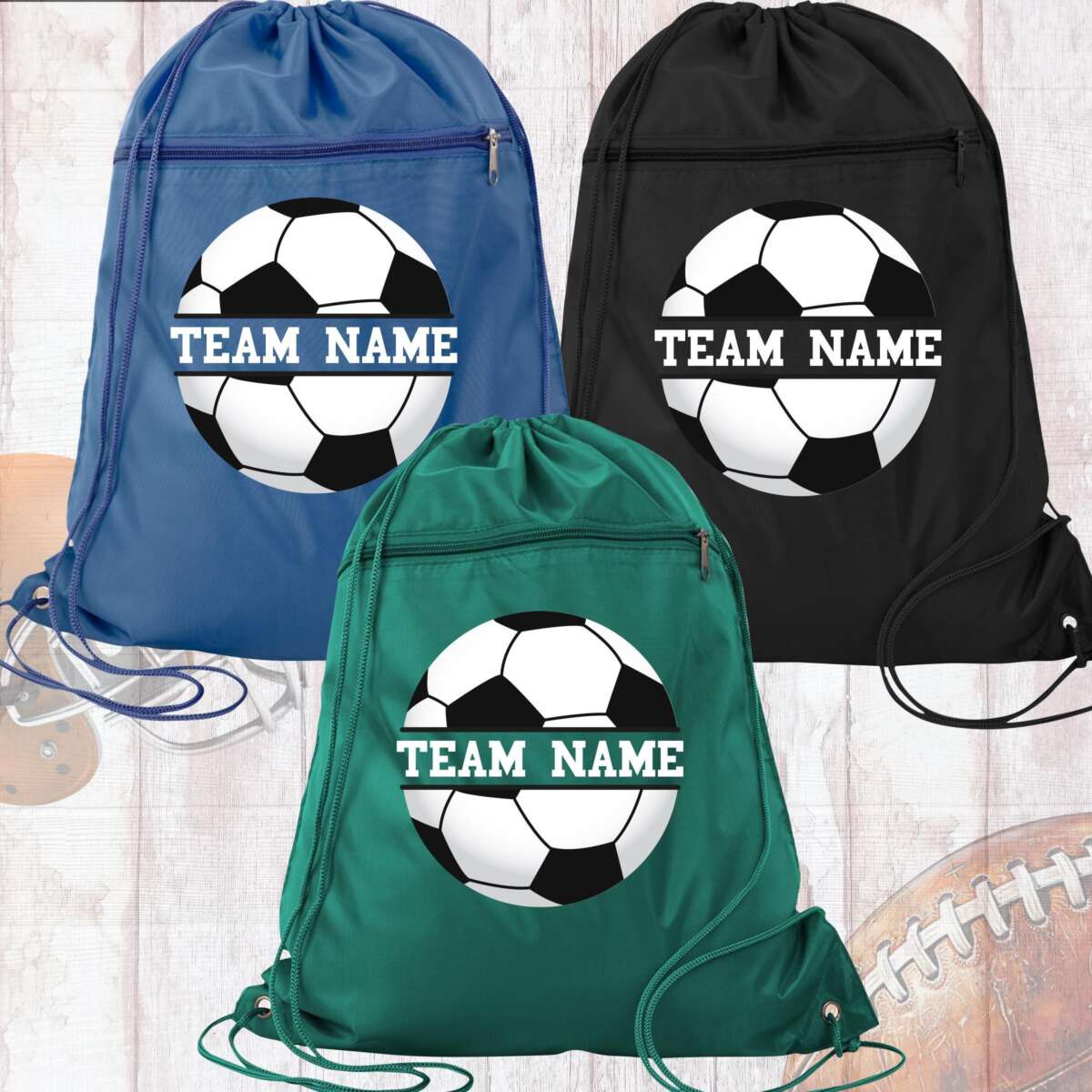
Yes, you can put football cleats in a drawstring bag for short trips to practice, games, school, or a local field in the United States. The cleats should be mostly clean and dry first. Place them in the bag with the soles facing away from clothing, and let the bag breathe after use.
A drawstring bag is convenient, but it is not the best place to store wet, muddy, or smelly cleats for long periods. Moisture, dirt, and trapped air can cause odor and may soil or weaken the bag.
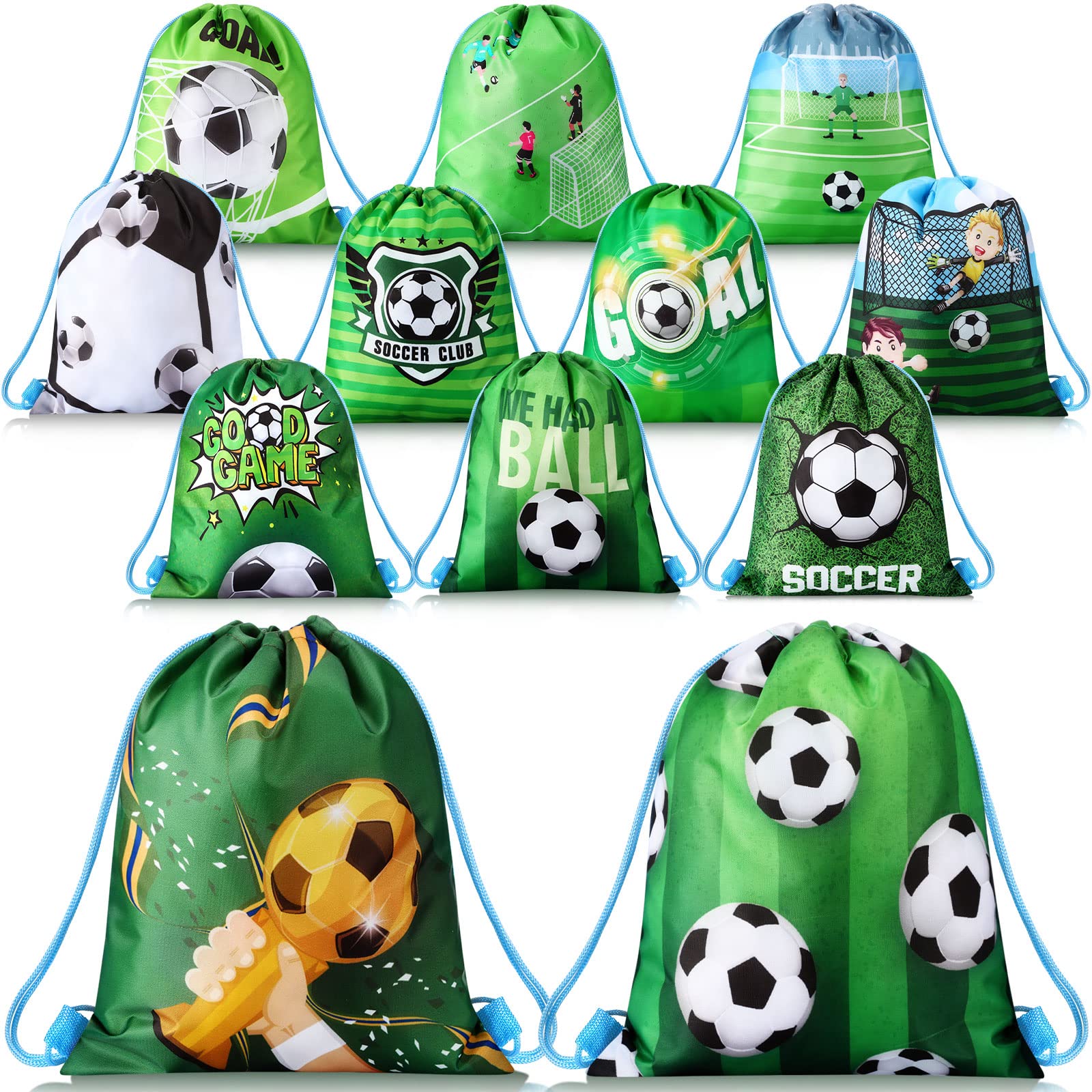
Is a Drawstring Bag Safe for Football Cleats?
A drawstring bag is safe when it can handle the cleats’ weight, dirt, and shape. Most football cleats are light enough for a basic sports sack. The main risk is not the cleats themselves. It is storing them while they are wet or covered in mud.
A typical drawstring bag has a thin fabric body and one main compartment. It may not have:
- A hard base
- Padding
- A separate shoe pocket
- Air vents
- Protection from sharp cleat studs
- Water-resistant lining
These limits matter during travel. Cleat studs can press into the fabric, especially when the bag is packed tightly. Mud can also rub onto jerseys, towels, books, or car seats.
For a short walk from the field to home, a drawstring bag usually works well. For air travel, long bus rides, or wet conditions, a shoe compartment or stronger sports bag offers better protection.
When a drawstring bag is a good choice
Use one when:
- The cleats are dry or only slightly damp.
- The cleats are free of large clumps of mud.
- The bag has enough room for the pair to sit without force.
- You carry the bag for a short period.
- You do not need to pack clean clothing in the same space.
- The bag has strong seams and a secure cord.
When to choose another bag
Use a separate shoe bag, duffel, or ventilated compartment when:
- The cleats are wet from rain or grass.
- The cleats have thick mud on the studs.
- You need to store them overnight.
- You are packing them with clean clothing.
- The bag will sit in a closed car.
- The cleats have metal components that could tear thin fabric.
- You need protection from crushing or punctures.
The American Academy of Dermatology advises keeping footwear dry and allowing shoes to dry fully between uses because damp footwear can encourage odor and microbial growth. That guidance applies to football cleats as well as other athletic shoes.

How to Put Football Cleats in a Drawstring Bag
The best method is simple: clean the cleats, dry them, protect the bag, and give the shoes room to breathe.
1. Remove loose dirt outside
Tap the cleats together over grass, gravel, or a trash can. Use a soft brush to remove soil from the upper and sole.
Do not bang the cleats hard against concrete. That can damage the studs, sole plate, or upper material. It can also send dirt onto nearby people or surfaces.
For stubborn mud, use a small amount of water and a soft brush. Follow the cleat maker’s care instructions. Nike, adidas, Under Armour, and other brands may use different materials, so the product label should guide cleaning.
2. Let the cleats dry
Air-dry the cleats before placing them in a closed bag. Remove the insoles if the manufacturer allows it, and loosen the laces to let air reach the inside.
Keep the cleats in a shaded, well-ventilated area. Avoid placing them on a hot radiator, using a high-heat dryer, or leaving them against a strong heater. High heat may affect glue, synthetic leather, foam, and other shoe materials.
A fan can help move air around the cleats. Do not use heat as a shortcut unless the cleat manufacturer specifically allows it.
3. Use a barrier if the soles are dirty
If the cleats are clean but the soles still have some dust, place each shoe in a thin shoe sack or reusable plastic-free cover. A barrier keeps dirt from rubbing against the drawstring fabric.
If the cleats are wet, do not seal them in an airtight plastic bag. That traps moisture. A breathable shoe sack works better for the trip home, followed by full drying at home.
4. Put the cleats sole-to-sole
Place the two cleats with their soles facing each other. This keeps the studs and tread away from the outside of the bag and reduces contact with other items.
You can also place one cleat inside a clean pillowcase or mesh shoe bag. Avoid forcing both shoes into a small pouch. Compression can bend the bag and press studs into the fabric.
5. Tighten the drawstring
Pull both cords evenly. The opening should close without leaving a large gap, but do not overfill the bag.
Carry the bag by the cord only if the cord and seams feel strong. If the stitching pulls apart, move the cleats to a stronger bag.
6. Empty and air the bag after use
When you reach home, take the cleats out. Shake out dirt and leave the bag open until it is dry.
Do not leave damp cleats inside the drawstring bag overnight. A closed bag can hold moisture and odor against the shoe surface.
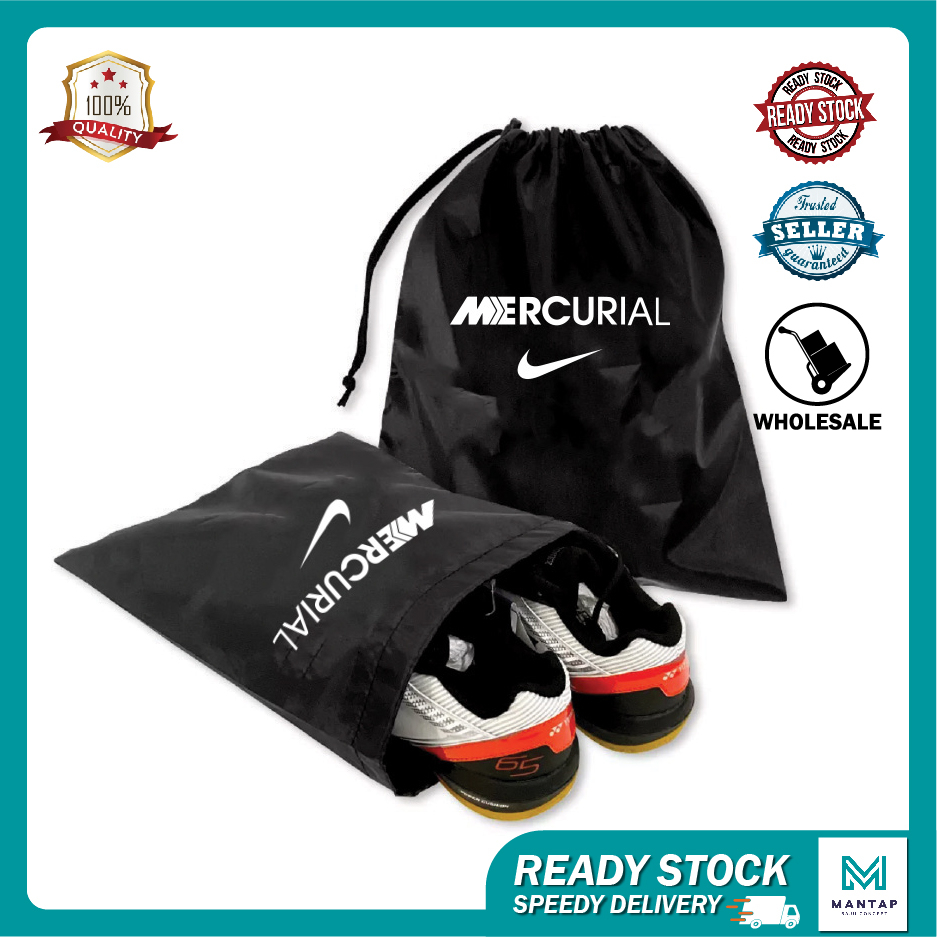
How Should You Pack Wet or Muddy Cleats?
Wet or muddy cleats need more care than dry cleats. The safest short-term option is to keep the dirty pair away from clothing and allow airflow during the trip.
For muddy cleats, follow this order:
- Remove large mud clumps outdoors.
- Rinse or brush away excess dirt if the care label permits.
- Wipe the upper with a damp cloth.
- Shake out water from inside the shoes.
- Carry them home in a washable or ventilated shoe bag.
- Dry them fully before long-term storage.
A standard drawstring bag can carry wet cleats home, but it should not become their storage container. If the bag becomes damp, turn it inside out if possible and wash it according to the care label.
What if the cleats must go into the bag right away?
Sometimes a game ends in rain, and there is no time to dry the cleats. In that case, use a temporary setup:
- Remove as much mud and grass as possible.
- Keep the cleats separate from uniforms and towels.
- Leave the bag partly open if you can carry it safely.
- Take the cleats out as soon as you arrive.
- Dry the cleats and the bag in separate, ventilated places.
Do not place wet cleats beside electronics, homework, or clean clothes. Water and mud can spread quickly inside a soft bag.
Can I use a plastic grocery bag inside the drawstring bag?
A plastic bag can protect the outer bag from mud during a short trip, but it is not a good long-term storage option. A sealed plastic layer traps moisture around the cleats.
If you use plastic only for transport, remove the cleats from it as soon as possible. A washable mesh shoe bag or ventilated shoe pouch is a better repeat-use option.

Drawstring Bag vs. Other Football Cleat Bags
The right bag depends on how far the cleats must travel and what else you need to carry.
| Bag type | Best use | Main benefit | Main limit |
|---|---|---|---|
| Basic drawstring bag | Short trips and light gear | Low cost and easy to carry | Little structure or protection |
| Mesh shoe bag | Damp cleats and field travel | Allows more airflow | Does not protect against rain |
| Shoe compartment in a duffel | Cleats plus uniform and gear | Separates shoes from clean items | Can be larger and heavier |
| Hard-sided shoe case | Air travel or delicate gear | Strong protection from crushing | Takes more space |
| Plastic bag | Temporary dirty-shoe transport | Helps contain mud | Traps moisture if left closed |
A drawstring bag is often enough for a child walking from a U.S. school field to a parent’s car. A dedicated shoe compartment is more useful for tournaments, travel teams, and long days at multiple fields.
The key trade-off is convenience versus separation. A drawstring bag is simple, but a separate shoe area gives wet and dirty cleats their own space.

How to Prevent Odor in Football Cleats
Odor usually becomes worse when sweat and moisture stay inside the cleats. The bag can contribute to the problem if it remains closed around damp shoes.
Use these habits:
- Remove the cleats from the bag after every practice.
- Let both shoes dry in moving air.
- Remove insoles when the care instructions allow it.
- Wear clean socks for each practice and game.
- Clean the inside only as directed by the manufacturer.
- Wash the drawstring bag when its care label permits.
- Do not share cleats, socks, or damp footwear.
- Replace cleats when the inside lining or sole has broken down.
Do not spray strong chemicals inside football cleats without checking the material instructions. Some cleaners can discolor synthetic leather or weaken adhesives.
Baking soda may reduce odor for some shoes, but it does not replace cleaning and drying. Keep any powder away from the eyes, mouth, and open skin, and remove the residue before wearing the cleats.

How to Protect the Drawstring Bag and Cleats
A few small choices can extend the life of both items.
Check the studs
Before packing, inspect the studs for sharp edges, cracks, or loose parts. A damaged stud can catch the bag fabric and may signal that the cleat needs repair or replacement.
Do not use cleats with loose or broken studs during play. The correct next step depends on the cleat type. Replace removable studs only with compatible parts recommended for that model.
Avoid overpacking
Do not squeeze cleats into a bag with a water bottle, large towel, and heavy gear. The pressure can strain the cord, seam, and fabric.
If the bag cannot close without stretching, use a larger bag.
Keep cleats separate from helmets
Football helmets and shoulder pads need room and protection. Do not place cleats under heavy equipment where the studs could scratch surfaces or create pressure points.
A separate shoe sack inside a larger equipment bag is a cleaner setup.
Wash the bag safely
Read the care label before washing. Many simple polyester drawstring bags can be hand-washed or machine-washed on a gentle cycle, but the cord, print, lining, and coating may have special limits.
Air-dry the bag unless the manufacturer allows a dryer. Heat can shrink fabric or damage coated surfaces.
Common Mistakes to Avoid
The most common mistake is treating a drawstring bag as a permanent shoe locker. It is mainly a carrying solution.
Avoid these errors:
- Packing cleats while they are soaked.
- Leaving muddy cleats in the bag for several days.
- Mixing cleats with clean uniforms.
- Using a bag that is too small.
- Dragging the bag over rough pavement.
- Putting sharp or loose studs against thin fabric.
- Storing the bag in a hot, closed vehicle.
- Using heat to dry cleats without checking care instructions.
- Washing leather or synthetic materials with harsh products.
- Forgetting to inspect the seams and cord.
A hot vehicle can become much warmer than the outdoor air. Heat may affect shoe adhesives and materials, so remove the cleats and bag from the vehicle when practical.

Quick Decision Guide
Use this guide before packing:
- Clean and dry cleats: A drawstring bag is suitable.
- Slightly damp cleats for the ride home: Use a breathable bag and dry them right away.
- Wet cleats for overnight storage: Use a ventilated shoe bag temporarily, then air-dry them.
- Very muddy cleats: Remove the mud first and use a washable barrier.
- Cleats with sharp or damaged studs: Inspect and repair or replace them before carrying or playing.
- Cleats packed with clothing: Use a separate shoe compartment or inner shoe bag.
- Long-distance travel: Choose a stronger bag with structure and better separation.
Frequently Asked Questions
Can football cleats damage a drawstring bag?
They can if the studs are sharp, the bag is thin, or the cleats are forced inside. Place the cleats sole-to-sole and check the seams often. A mesh shoe bag or stronger sports bag offers more protection.