
Packing your hospital bag is a big step when you’re getting ready for your baby. It’s one of those moments when everything feels real. I remember the first time I did it—I kept asking myself, “Am I too early? Too late?
” and “Did I forget something important? ” If you’re wondering when to start packing, what to pack, and why the timing matters, you’re not alone. In this guide, I’ll share what I’ve learned as a parent and from working with healthcare professionals.
You’ll get easy advice, practical examples, and some real-life tips to help you feel confident and prepared for your big day.
Why Packing Your Hospital Bag Matters
Packing your hospital bag may seem simple, but it can make a big difference in your hospital experience. Being ready means less stress when labor starts. Hospitals usually have some supplies, but having your own things makes you more comfortable.
I’ve met many parents who said they felt more in control just by having their own pillow or favorite snacks.
For first-time parents, it’s easy to underestimate how quickly labor can begin. Babies don’t always follow the schedule! Sometimes, labor starts before your due date. If your bag is ready early, you can focus on getting to the hospital—not searching for socks or phone chargers.
When Is The Best Time To Pack Your Hospital Bag?
Most experts, including doctors and nurses, recommend packing your hospital bag between weeks 32 and 36 of pregnancy. Here’s why:
- Babies can arrive early: About 10% of babies are born before 37 weeks. Being packed by week 36 means you’re ready for surprises.
- Less stress: Packing early gives you time to remember things you might forget.
- Advice from professionals: Labor and delivery nurses often say that parents who pack early are more relaxed when they arrive.
How Early Is Too Early?
If you start packing at week 28, that’s okay. Some parents like to plan ahead, especially if they have high-risk pregnancies or live far from the hospital. Early packing is also helpful if you have other children or a busy work schedule.
There’s no harm in being ready.
How Late Is Too Late?
If you wait until week 38 or later, you might be cutting it close. I once spoke with a mom who went into labor at 36 weeks and hadn’t packed yet. She said her partner ended up grabbing random clothes and forgot her toothbrush.
It’s a good idea to avoid that last-minute rush.
Credit: uk.nuby.com
Packing Timeline: What To Do Each Month
To make things simple, here’s a timeline for when to start thinking about your hospital bag:
| Pregnancy Week | What to Do |
|---|---|
| 28-31 | Start a packing list. Ask friends, family, or your doctor what they recommend. |
| 32-34 | Gather items. Buy anything you’re missing, like travel-size toiletries or extra phone chargers. |
| 34-36 | Pack your bag. Double-check your list. Put the bag near the door or in your car. |
| 36+ | Add last-minute items (like your phone or wallet). Let your support person know where the bag is. |
What Should Go In Your Hospital Bag?
Having the right items in your hospital bag is key. You don’t need to bring everything you own, but a few well-chosen things can make your stay much better.
For The Birthing Parent
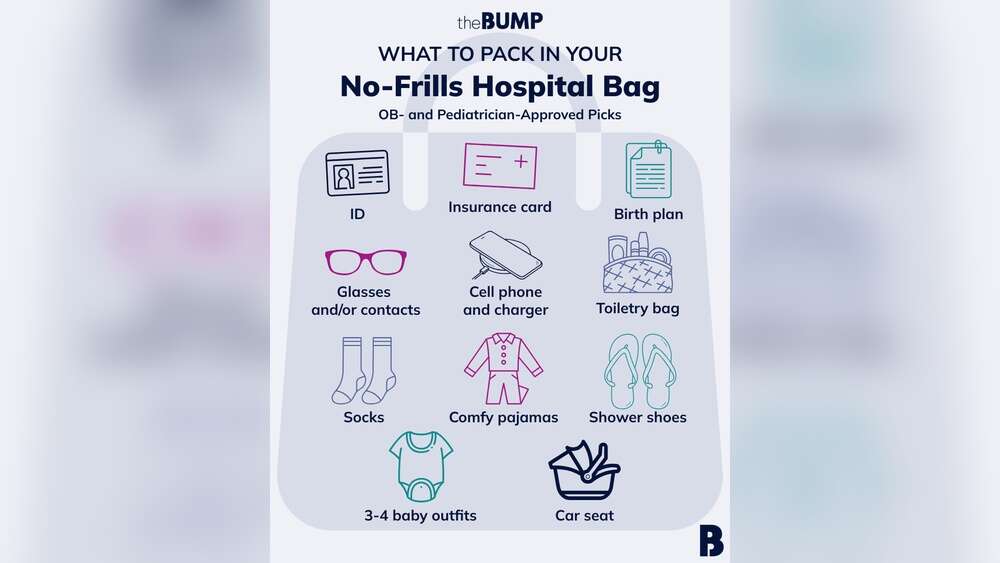
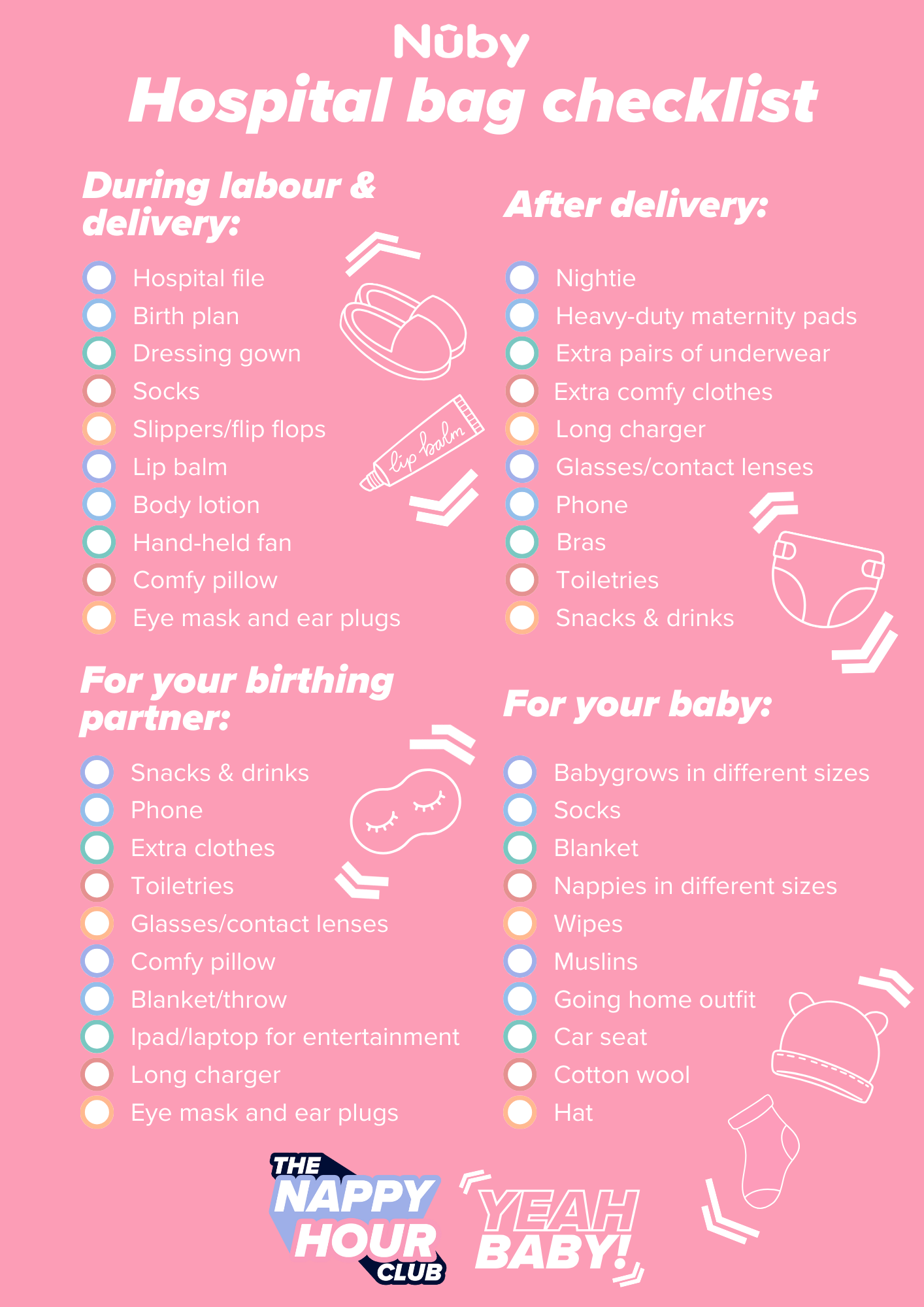
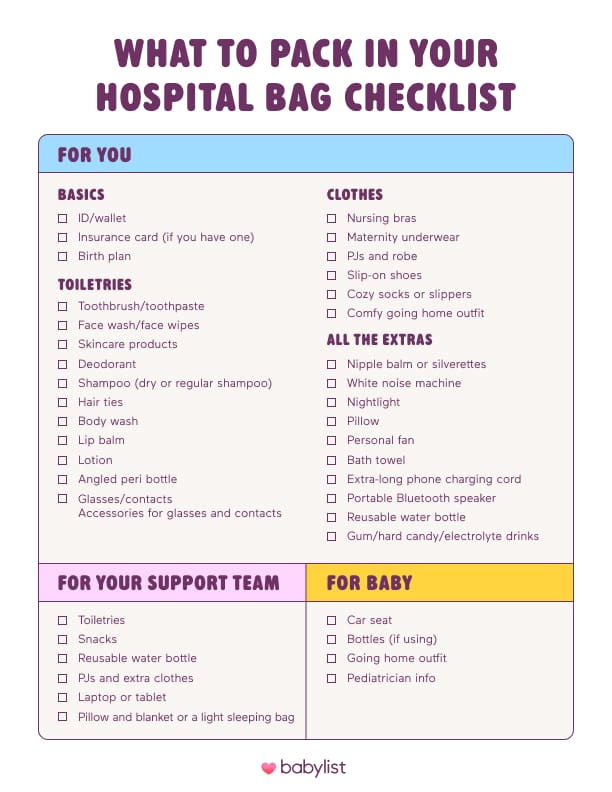
- Comfortable clothing: A loose gown or pajamas, robe, and slippers. Hospital gowns are not always comfortable.
- Socks: Hospitals can be cold.
- Personal toiletries: Toothbrush, toothpaste, hairbrush, shampoo, lip balm, and deodorant.
- Snacks and drinks: Light snacks (like crackers or granola bars) and a water bottle. Labor can be long.
- Phone and charger: Hospitals can be boring. You’ll want to call family or take photos.
- Important documents: ID, insurance card, birth plan, and any hospital forms.
- Glasses or contact lens supplies: If you need them.
- Pillow from home: For extra comfort.
- Going-home outfit: Something loose and comfortable.
For The Baby
- Onesies and sleepers: Bring two or three in newborn and 0-3 month sizes.
- Hat and mittens: Babies lose heat fast.
- Blanket: For the ride home.
- Car seat: You can’t take your baby home without it. Install it ahead of time.
- Diapers and wipes: Most hospitals provide these, but check with yours.
For The Partner Or Support Person
- Change of clothes: You might be there a while.
- Snacks and water: Hospital cafeterias aren’t always open.
- Phone and charger: For updates and photos.
- List of people to contact: In case you want to share the news.
Optional But Helpful Items
- Camera: If you want better photos.
- Essential oils or lotion: For relaxation.
- Earplugs or headphones: Hospitals can be noisy.
- Cash or coins: For vending machines or parking.
- Notebook and pen: To jot down baby care tips or questions.
Credit: www.babylist.com
What Not To Pack
You might think about bringing everything, but some things are better left at home:
- Jewelry and valuables: Hospitals are busy places. Things can get lost.
- Lots of baby clothes: Babies mostly wear hospital outfits.
- Too many snacks: You may not have time to eat them all.
- Heavy books: You probably won’t have time or energy to read.
I made the mistake of bringing a thick novel during my first birth. It stayed untouched in my bag the whole time!
Hospital Bag Checklist: Essentials Vs. Nice-to-haves
To make it even clearer, here’s a quick look at what you must bring and what is just nice to have:
| Essentials | Nice-to-Haves |
|---|---|
| Comfortable clothing | Essential oils |
| Toiletries | Favorite pillow |
| Snacks | Camera |
| Phone & charger | Earplugs |
| Documents | Notebook & pen |
| Baby outfit | Extra snacks |
| Car seat | Coins for vending machines |
Credit: uk.nuby.com
Why Timing Matters: Risks Of Packing Too Early Or Too Late
Packing too early isn’t really a problem, but packing too late can lead to stress. If you forget your essentials, you might feel uncomfortable or anxious. In rare cases, you might leave important documents or your car seat at home, which can delay your hospital discharge.
Also, if you pack too late, you may not remember everything you want. Rushing increases the chance of missing something important. Packing at the right time gives you a chance to check and recheck your bag.
Real-life Experience: My Packing Story
When I packed my hospital bag for my second child, I learned from my first experience. The first time, I packed at 38 weeks. Labor started early, and I forgot my favorite hairbrush and snacks. I ended up using a tiny hospital comb and eating bland crackers.
The second time, I packed at 34 weeks. I made a list, double-checked it, and kept the bag by the door. When labor started, I just picked up the bag and left. I felt less stressed and more in control.
The difference was simple but huge.
Expert Advice: What Healthcare Professionals Say
Most doctors and nurses say the same thing: pack early. The American College of Obstetricians and Gynecologists says you should be ready for labor by the beginning of your third trimester, especially if you have risk factors like high blood pressure or twins.
Labor and delivery nurses often mention how much smoother things go when parents have their own supplies. One nurse told me, “When parents have their own chargers, socks, and snacks, they’re happier and call us less for small things. ”
If you’re not sure what your hospital provides, call ahead. Some hospitals give out diapers, wipes, and toiletries. Others don’t. Knowing what’s available helps you avoid overpacking.
Common Mistakes To Avoid
Even the most organized parents can make mistakes. Here are some common ones:
- Waiting too long to pack: Labor can start unexpectedly.
- Overpacking: Remember, you’ll be in the hospital for a day or two, not a week.
- Forgetting key items: Phone charger, ID, and car seat are easy to miss.
- Not checking hospital rules: Some hospitals don’t allow candles or plug-in aromatherapy.
- Not updating the bag: As your due date gets closer, check your bag in case you want to swap items.
Packing For Different Birth Scenarios
Not all births are the same. Here’s how to adjust your bag for different situations:
Planned Cesarean Section (c-section)
If you know you’ll have a C-section, you may stay in the hospital for three or four days. Pack extra clothes, underwear, and snacks. Bring loose clothes that don’t press on your belly.
High-risk Pregnancies
If you’re at risk for preterm birth, pack your bag by week 32 or sooner. Include extra phone numbers and a list of your medicines.
Multiples (twins Or More)
Bring more baby clothes and supplies. Some hospitals don’t provide enough for twins or triplets.
Packing For Siblings
If you have older children, think about what they might need if they visit you in the hospital. A small toy or book can help them feel included.
Tips For Staying Organized
Here are a few tips that helped me and other parents stay organized:
- Use packing cubes or bags: Separate items for you, baby, and your partner.
- Make a list: Cross off items as you pack.
- Check items weekly: As your due date gets closer, make sure you still have everything.
- Keep last-minute items in a list by the door: Things like your phone or wallet are easy to forget.
Hospital Bag For Covid-19 Times
During the COVID-19 pandemic, some hospitals changed their visitor rules. You might need extra masks or hand sanitizer. Check with your hospital about their latest guidelines.
How Your Hospital Bag Can Help You Feel In Control
Having a bag ready can give you peace of mind. Birth can be unpredictable, but knowing you have what you need helps you focus on what matters: welcoming your new baby.
When I walked into the hospital with my bag the second time, I felt more confident. I didn’t worry about missing anything. That feeling of control made the experience better for me and my family.
How To Involve Your Partner
Packing your hospital bag is a good way to include your partner. Go over the list together. Ask them what they want to bring. This helps them feel involved and prepared.
Some partners even pack a small bag with snacks, a change of clothes, and a list of people to call. A little planning can help everyone feel ready.
What The Research Says
Studies show that parents who feel prepared have less anxiety during labor. According to a 2021 study by the National Institutes of Health, parents who planned ahead had a 20% lower rate of stress during delivery.
Another study found that parents who packed early were less likely to forget important items, leading to a smoother hospital stay.
If you want more tips and research on labor and delivery preparation, check out the March of Dimes website.
What If You Forget Something?
Don’t panic if you forget something. Most hospitals have basic supplies. If you forget your toothbrush, the hospital probably has a spare. You can always ask a family member to bring missing items later.
Still, having your own things makes the experience more comfortable. The small things—a favorite pillow, soft socks, or a photo—can make a big difference.
Packing For Different Weather
Think about the season. If you’re having a winter baby, pack a warm blanket, hat, and socks. For summer, lighter clothes and a fan or spray bottle can help keep you cool.
Using Technology For Your Hospital Bag
There are many apps that can help you create a hospital bag list. Some popular pregnancy apps have built-in checklists. You can also use your phone’s notes app to keep track.
I used an app to check off items as I packed. It was simple and made me feel organized.
Packing For A Short Or Long Stay
Most births involve a stay of 1-2 days. If you have a C-section or complications, you may stay longer. Pack extra clothes, underwear, and snacks just in case. If you leave early, you can always bring things home unused.
Double-check Before You Go
When labor starts, go through your list one last time. Make sure you have your phone, wallet, and car seat. Ask your partner to help. Two sets of eyes are better than one.
Frequently Asked Questions
What If My Hospital Is Close To Home?
If your hospital is very close, you can send your partner home for forgotten items. Still, packing your bag early is best. In an emergency, you might not have time to go back.
How Much Clothing Should I Pack?
Pack 2-3 outfits for yourself and the baby. Hospital stays are usually short. Choose loose, comfortable clothes.
Should I Pack For My Partner?
Yes, your partner may be with you for a long time. A change of clothes, snacks, and a phone charger are helpful.
Can I Bring My Own Pillow Or Blanket?
Yes, many parents bring their own pillow or blanket for extra comfort. Check with your hospital if there are any rules.
What If I Forget Something Important?
Most hospitals have spare toiletries and supplies. Family or friends can bring missing items. Try not to worry—focus on your baby and recovery.
Packing your hospital bag is a step toward feeling ready for your new arrival. The best time to pack is between 32 and 36 weeks, but being a little early is always better than late. From my own experience, a little planning goes a long way.
Take time to pack what you need, double-check your bag, and then relax. You’re ready for this big adventure.

Zayden Halbrook is a travel enthusiast and gear researcher passionate about making every journey smoother and more enjoyable. With a keen eye for practical travel essentials and real-world tips, he helps readers choose the right gear and travel smarter. When he’s not testing travel kits or exploring new destinations, Zayden shares simple, reliable advice to make every trip stress-free.