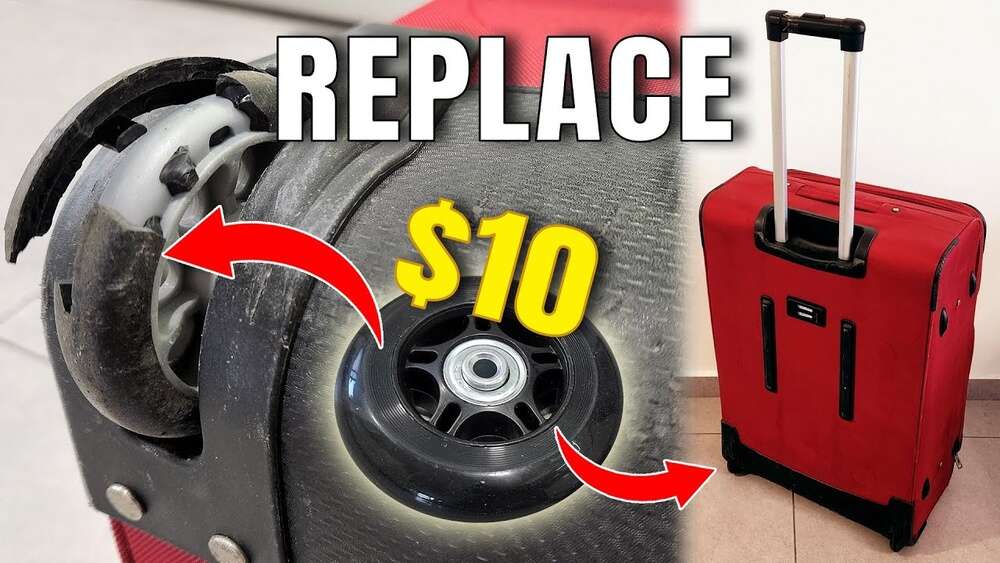
Traveling is fun—until your suitcase wheel breaks. You might be rushing through an airport, dragging your bag, and suddenly, the wheel jams or pops off. I’ve been there myself, stranded at an airport with a lopsided suitcase, wishing I knew how to fix it.
Many people think replacing suitcase wheels is hard or only for professionals. But with the right guidance, you can do it yourself, save money, and keep your bag rolling smoothly. Whether you have a favorite old suitcase or a new bag with a wobbly wheel, this guide will show you exactly how to replace suitcase wheels, step by step, using simple words and clear examples.
Why Suitcase Wheels Fail
Suitcase wheels take a lot of abuse. They roll over rough sidewalks, airport floors, and sometimes even stairs. Wheels can break, crack, or stop turning for several reasons:
- Wear and tear: Constant rolling wears down the plastic or rubber.
- Poor design: Cheap suitcases often use low-quality wheels.
- Heavy loads: Overpacking puts extra stress on the wheels.
- Rough handling: Baggage handlers are not always gentle.
A study by the Travel Goods Association found that around 35% of suitcase repairs are related to wheel damage. If you travel often, you’ll probably face this problem sooner or later. The good news is that you can fix it yourself with basic tools and some patience.
Different Types Of Suitcase Wheels
Before you start, you need to know what kind of wheels your suitcase has. Not all wheels are the same. Here are the main types:
| Wheel Type | Description | Common Uses |
|---|---|---|
| Inline Skate Wheels | Rubber or polyurethane, similar to rollerblade wheels | Durable suitcases, outdoor travel |
| Spinner Wheels | Small, 360-degree rotating, usually plastic | Modern suitcases, easy airport rolling |
| Fixed Wheels | Roll only forward and backward | Older or budget suitcases |
| Removable Wheels | Can be detached easily, tool-free | High-end or modular luggage |
Tip: If you’re unsure, check the brand website or look for a model number on your suitcase.

Credit: www.youtube.com
Tools And Materials You’ll Need
Replacing suitcase wheels does not require fancy equipment. Most people already have what they need at home. Here’s a basic list:
- Replacement wheels (correct size for your suitcase)
- Screwdriver (Phillips or flathead, depending on screws)
- Pliers
- Allen wrench (hex key, for some models)
- Wrench or socket set (for bolts)
- Lubricant (like WD-40, for stuck parts)
- Marker or chalk (to mark parts)
- Measuring tape (for wheel size)
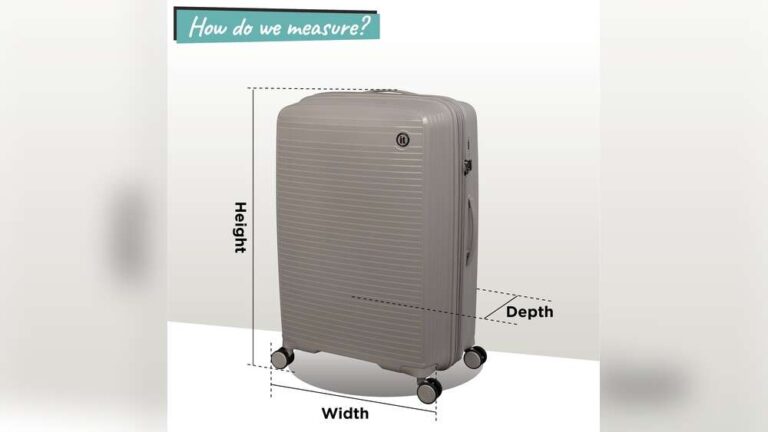
If you don’t know what size wheels to buy, remove the broken wheel and measure:
- Diameter (edge to edge across the wheel)
- Width (thickness of the wheel)
- Axle hole (the hole through the center)
Write these numbers down before you order new wheels. I once ordered wheels that were too small. They looked right in the photo, but my suitcase wobbled after I installed them. Always double-check the size.
Where To Find Replacement Suitcase Wheels
Finding the right wheels is easier than you think. Here are your best options:
- Manufacturer’s website: Many brands sell spare parts.
- Online retailers: Amazon, eBay, and luggage parts websites have many options.
- Local repair shops: Some shoe repair shops stock wheels.
- Universal wheels: These can fit many bags, but check the dimensions.
Some wheels are sold as sets. Others are single pieces. Always read the product description to make sure the wheels match your suitcase model.
Non-obvious insight: Some suitcase brands use unique wheel mounts, making it hard to use generic wheels. If your suitcase has a special attachment, call the manufacturer for advice.
Step-by-step Guide: How To Replace Suitcase Wheels
Replacing suitcase wheels is a process you can do at home. Here’s a step-by-step guide, based on both research and my own experience fixing my suitcase last summer.
1. Prepare Your Workspace
Find a flat surface, like a table or clean floor. Lay down a towel to protect both your suitcase and the surface. Gather your tools and new wheels nearby. Good lighting helps you see small screws.
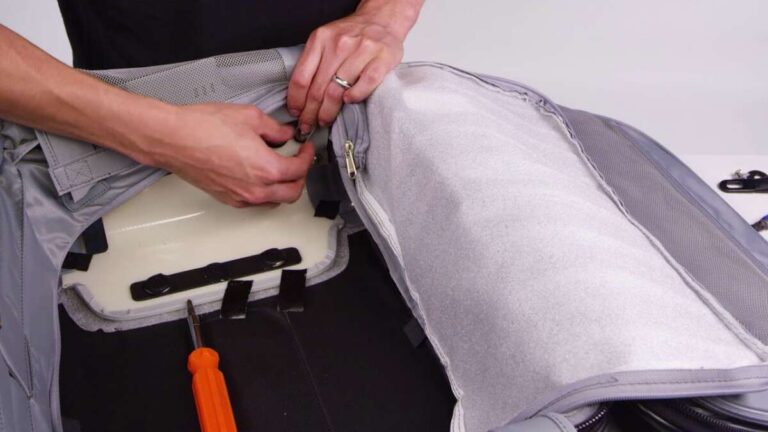
2. Remove The Broken Wheel
- Stand the suitcase upside down.
- Look for screws, bolts, or rivets holding the wheel in place.
- Use the right screwdriver or wrench to remove the fastener.
- Keep all screws and parts in a small bowl so you don’t lose them.
Some wheels are attached with rivets instead of screws. Rivets are small metal pins that don’t unscrew. You may need to drill them out gently. Take care not to damage the suitcase base.
Personal tip: The first time I did this, a screw was rusted and stuck. A quick spray of WD-40 and waiting five minutes helped loosen it.
3. Measure And Match The Wheel
Before throwing away the broken wheel, compare it to your new replacement. Check:
- Diameter
- Width
- Axle hole size
- Mounting position
If something doesn’t match, don’t force it. Forcing the wrong size can damage your suitcase or make it roll unevenly.
4. Install The New Wheel
- Place the new wheel in the mounting slot.
- Align the axle hole.
- Insert the screw, bolt, or axle through the hole.
- Tighten securely, but don’t overtighten—this can crack plastic parts.
If your new wheel uses a different kind of fastener, follow the instructions that come with it. Some universal wheels have adapters for different suitcase styles.
5. Test The Wheel
Set your suitcase upright and roll it around. It should spin smoothly, without wobbling. Check that the wheel is secure and doesn’t make noise.
If you hear squeaking, add a drop of lubricant to the axle.
6. Repeat For Other Wheels (if Needed)
Often, only one wheel breaks. But if your wheels are old, replacing all of them can give your suitcase a new life. This is especially true for sets of spinner wheels.
Expert insight: Even if only one wheel is broken, the others may be worn. Replacing them all at once can prevent future problems, especially before a big trip.
Common Challenges And Solutions
Replacing suitcase wheels is not always smooth. Here are some common issues and how to solve them:
| Problem | Solution |
|---|---|
| Rusty or stuck screws | Use lubricant, wait a few minutes, and try again with the right tool. |
| Wrong wheel size | Double-check dimensions before buying. Return and order the correct size if needed. |
| Riveted wheels | Carefully drill out rivets and use a bolt and nut to attach the new wheel. |
| Broken mounting bracket | Contact the manufacturer. Sometimes you need a full bracket replacement. |
| Wheel doesn’t spin freely | Check for dirt or debris. Clean and lubricate the axle. |
Personal experience: On my second suitcase repair, I found small pebbles stuck inside the wheel housing. Cleaning them out made the wheel roll much better.

Credit: www.wikihow.com
Spinner Wheels Vs Inline Skate Wheels
Many people ask if they can swap spinner wheels for inline skate wheels, or vice versa. Here’s a quick comparison to help you decide:
| Feature | Spinner Wheels | Inline Skate Wheels |
|---|---|---|
| Movement | 360-degree rotation, easy to push in any direction | Roll only forward/back, smoother on rough surfaces |
| Durability | Usually less durable, can break on rough terrain | More durable, handle rough surfaces better |
| Noise | Louder on hard floors | Quieter due to rubber material |
| Replacement | Harder to find exact matches | Easier to find replacements |
If you travel mostly in airports and cities, spinner wheels are fine. For outdoor or rough travel, inline skate wheels last longer.
Tips For Smooth Wheel Replacement
Based on experience and research, here are some tips that can help you avoid problems:
- Take pictures before you remove the old wheel. This helps with reassembly.
- Keep all small parts in a cup or bowl.
- Don’t overtighten screws—plastic can crack.
- Test before you travel—roll the suitcase at home with weight inside.
- Clean the wheel area. Dirt or hair can get stuck, causing future issues.
- Check for warranty. Some suitcases have wheel replacement covered for free.
A friend once called the manufacturer and got free replacement wheels shipped, just by asking. If your suitcase is still under warranty, it’s worth checking.
Mistakes To Avoid
Replacing suitcase wheels is simple, but there are common mistakes:
- Buying the wrong size: Measure twice, order once.
- Forgetting to check the axle type: Some use screws, others use rivets or bolts.
- Not cleaning the area: Dirt left behind can damage the new wheel.
- Ignoring the mounting bracket: If it’s cracked, replacing the wheel won’t help.
- Not testing after repair: Always roll the suitcase before your next trip.
Non-obvious insight: Some suitcases use left and right wheels that are slightly different. Always compare both sides before ordering.
When To Replace The Whole Suitcase
Sometimes, it’s not worth fixing the wheels. Here are signs you might need a new suitcase:
- Large cracks in the case or wheel housing.
- Multiple broken parts (handles, zippers, frame).
- No replacement wheels available (for very old or rare models).
- Repair cost is more than half the price of a new bag.
If your bag is still in good shape except for the wheels, fixing them makes sense. But if you keep fixing more and more parts, it may be time for an upgrade. For more luggage repair advice, you can check helpful resources like Wikipedia.
How To Care For Suitcase Wheels
Once you’ve replaced your wheels, a little care goes a long way. Here’s how to keep them rolling smoothly:
- Clean the wheels after each trip. Wipe off dirt, sand, or hair.
- Lubricate the axles twice a year or after exposure to rain.
- Store your suitcase upright, not on its wheels, to avoid flat spots.
- Avoid overloading your suitcase—this stresses the wheels.
Regular care will make your repairs last longer and help your suitcase survive many more trips.
Eco-friendly Wheel Replacement
Replacing suitcase wheels isn’t just good for your wallet. It’s also good for the planet. Every year, millions of suitcases end up in landfills, often because of small issues like broken wheels. Fixing the wheels extends your suitcase’s life and cuts down on waste.
Some companies even offer recycled wheels made from old plastic. If you care about sustainability, look for these options when shopping for replacements.

Credit: www.wikihow.com
Frequently Asked Questions
How Do I Know What Size Wheels To Buy?
Measure your old wheel’s diameter, width, and axle hole. Use a ruler or caliper. Write down the numbers and compare them to the product description for replacement wheels.
Can I Replace Suitcase Wheels Myself If I’m Not Handy?
Yes. Most people can replace suitcase wheels with simple tools. Take your time, follow the steps, and don’t force anything. If you get stuck, many online videos can help, or you can ask a handy friend.
What If My Suitcase Uses Rivets Instead Of Screws?
Rivets can be drilled out carefully. After removing them, you can use a bolt and nut to attach the new wheel. Just make sure the bolt fits the hole snugly.
Are All Suitcase Wheels Universal?
No. Many wheels are similar, but some suitcases use unique mounts or sizes. Always check your suitcase model and measure carefully. If you can’t find a match, contact the manufacturer.
How Long Do Suitcase Wheels Usually Last?
Most suitcase wheels last 3 to 5 years with normal use. Heavy travel, rough surfaces, or low-quality wheels can shorten this time. Regular cleaning and care will help them last longer.
Replacing suitcase wheels is a practical skill that saves money and keeps your favorite luggage in action. With the right steps, anyone can do it—even if you’re not a repair expert. My own experiences taught me that a little patience and the right tools go a long way.
Next time your suitcase wheel breaks, you’ll know exactly what to do—and you might even impress your fellow travelers. Safe travels!

Zayden Halbrook is a travel enthusiast and gear researcher passionate about making every journey smoother and more enjoyable. With a keen eye for practical travel essentials and real-world tips, he helps readers choose the right gear and travel smarter. When he’s not testing travel kits or exploring new destinations, Zayden shares simple, reliable advice to make every trip stress-free.