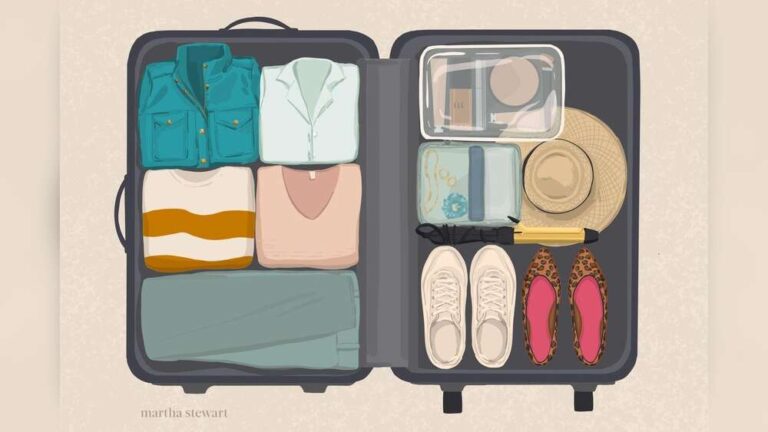
Pack your formal dress in tissue paper, fold it gently, and place it inside a protective garment bag.
Knowing how to pack a formal dress in a suitcase can save you from deep creases, crushed details, and last-minute stress. The best method depends on the dress fabric, shape, embellishments, and suitcase size. With the right layers and a few careful folds, your gown can arrive ready for the event.
What to Do Before Packing a Formal Dress
Before learning how to pack a formal dress in a suitcase, check the dress label. Silk, satin, velvet, chiffon, lace, and beaded fabrics each react to pressure and heat in different ways.
Read the care instructions first. If the label says “dry clean only,” avoid home stain treatments. A small water mark can become a larger ring on delicate fabric.
Prepare these supplies:
• Large sheets of acid-free tissue paper
• A breathable garment bag
• A wide suitcase with a flat base
• Small plastic bags for shoes and accessories
• A few soft cotton clothing items
• Stain removal wipes for emergencies
• A travel steamer for your destination
Remove jewelry, belts, pins, and other items from the dress before packing. These pieces can snag the fabric or leave pressure marks.
Avoid wrapping the entire dress in ordinary plastic for a long trip. Plastic can trap moisture, while breathable fabric helps protect the gown from odor and condensation.

Choose the Right Suitcase and Packing Position
A hard-sided suitcase often gives a formal dress better protection than a soft, overfilled bag. It creates a stable shell and reduces the chance of outside items pressing into the fabric.
Choose the largest suitcase that fits your travel needs. A roomy case lets you fold the dress in wider, softer layers. A small case forces sharp bends, which can create lasting lines.
Place the suitcase on a clean bed or table before you pack. This gives you room to arrange the dress without dragging it across the floor.
For the best result:
• Put heavy items near the suitcase wheels.
• Keep shoes and toiletries away from the dress.
• Leave some space around bulky sleeves and skirts.
• Pack the dress near the top or center of the suitcase.
• Do not place hard objects inside the dress folds.
If your suitcase has a built-in hanger section, use it. Some luggage brands include a folding garment panel that works well for formal clothing.
A long gown may need a larger suitcase. Do not force a floor-length dress into a compact carry-on unless the dress is light, flexible, and free of heavy structure.

How to Pack a Formal Dress in a Suitcase Step by Step
The safest method uses tissue paper to reduce friction and soften each fold. Think of the paper as a cushion between the fabric layers.
1. Clean the packing area
Wash your hands and clear the surface. Dust, makeup, and food crumbs can transfer to a light-colored dress.
Lay the dress face down on a clean sheet or towel. Smooth the fabric with your hands. Do not press hard on sequins, beads, or lace.
2. Add tissue paper
Place tissue paper inside the bodice, sleeves, and skirt. This helps the dress keep its shape and prevents fabric from rubbing against itself.
For a strapless dress, fill the bust area lightly. For a dress with sleeves, add loose tissue inside each sleeve. Avoid stuffing the dress tightly.
3. Fold the skirt inward
Spread the skirt flat. Fold one side toward the center, then fold the other side over it. Keep the folds wide and relaxed.
If the skirt has layers, arrange them before folding. Tulle and chiffon can twist easily, so use your fingers to guide each layer into place.
4. Fold the bodice gently
Fold the bodice over the skirt only if the dress design allows it. Avoid placing a sharp fold across a beaded chest, molded cup, or structured waist.
For a fitted gown, fold at natural seams. These areas usually hide light creases better than the center of the front panel.
5. Wrap the dress
Place a final sheet of tissue paper around the folded dress. Then place it inside a breathable garment bag or cotton pillowcase.
Do not use a vacuum bag. Compression may damage beadwork, padding, boning, pleats, and delicate fibers.
6. Place it inside the suitcase
Set the wrapped dress on top of soft clothing. You can also place it between two layers of shirts or pajamas.
Keep the dress flat if possible. If you must roll it, roll it loosely from the hem toward the waist. Rolling works best for soft jersey or wrinkle-resistant fabrics, not stiff satin or heavily decorated gowns.
7. Close the suitcase carefully
Before closing the case, check the zipper path. Make sure no fabric or tissue paper is caught near the edge.
Close the suitcase without sitting on it. If you need body weight to shut the case, it is too full.
This step-by-step approach explains how to pack a formal dress in a suitcase while limiting pressure, friction, and harsh folds.

How to Fold Different Formal Dress Fabrics
The best way to pack a formal dress changes with its fabric. A smooth satin gown needs different care from a stretchy jersey dress.
Satin and silk
Satin and silk show creases easily. Use several layers of tissue paper and fold the dress at natural seams. Keep it away from rough fabrics, zippers, and hook fasteners.
Never place heavy shoes on top of silk. Their weight can leave dents that are hard to remove.
Chiffon and georgette
Chiffon is light but can snag. Smooth the skirt first, then fold it in broad layers. Place tissue between the folds to prevent friction.
Avoid tight rolling. Loose folds are safer for airy fabrics.
Velvet
Velvet can develop crushed areas when pressed. Fold it with the pile facing inward, and avoid placing heavy items over it.
Do not iron velvet directly. Steam it lightly after arrival, keeping the steamer several inches away.
Lace
Lace can catch on jewelry, zippers, and rough tissue edges. Use smooth, high-quality tissue paper and cover exposed hooks or buckles in the suitcase.
Fold lace along seams where possible. Do not pull the fabric flat with force.
Beaded and sequined dresses
Decorated dresses are often heavy and fragile. Turn the dress inside out only if the lining and decorations allow it. Otherwise, place tissue over the embellished surface.
A beaded dress may need a larger suitcase because tight folds can strain the stitching. For valuable gowns, a professional garment box or carry-on garment case may offer better protection.
Stretch fabrics
Jersey and stretchy blends usually travel well. You can fold or loosely roll them, but avoid stretching the fabric while packing.
Let the dress rest flat after you arrive. Many light wrinkles will relax on their own.
Understanding fabric care makes how to pack a formal dress in a suitcase much easier and safer.

How to Protect Beading, Boning, and Other Details
Formal dresses often have features that need extra care. Beads, sequins, corsets, rhinestones, feathers, and wired hems can change the packing method.
Place tissue paper over raised decorations. This prevents them from catching on the dress lining. If the dress has a long train, fold the train separately before folding the main skirt.
For a structured bodice, fill the inside with soft tissue. This supports the cups and reduces the risk of a deep crease.
Take extra care with:
• Corset lacing
• Metal boning
• Rhinestone straps
• Three-dimensional flowers
• Feather trims
• Draped fabric
• Large bows
• Wired hems
Never press down on these features while closing the suitcase. A little extra space is cheaper than repairing a damaged gown.
For a very valuable dress, consider carrying it in the cabin. Airline rules vary, so check the current baggage policy before traveling. A crew member may allow a garment bag in a closet, but this is not guaranteed.

How to Pack Shoes and Accessories Without Damaging the Dress
Shoes are among the biggest risks to formal clothing. Their heels and buckles can puncture tissue or snag fine fabric.
Pack each shoe in a separate soft bag. Place shoes near the wheels or sides of the suitcase, away from the gown.
Keep accessories in a small organizer. Cover sharp earring backs, necklace clasps, and hairpins before placing them near clothing.