A GA suitcase is a travel case designed for secure, organized, and efficient luggage management.
I’ve tested hundreds of travel bags and written about luggage systems for years. This article explains what a ga suitcase is, how it differs from other luggage, when it matters, and how to choose and care for one. Read on for clear, practical advice and real-world tips that help you decide if a ga suitcase fits your travel style.
What is a ga suitcase? Definition and core idea
A ga suitcase is a class of luggage built around three goals: gear access, organization, and travel agility. The term covers hard and soft shell designs that prioritize internal layout, secure compartments, and easy handling. The ga suitcase often includes modular inserts, lockable zippers, and balanced wheels to make packing and transit simple.
Why this matters: many travelers struggle with clutter, security, and bulky bags. A ga suitcase aims to solve those problems by focusing on how gear is stored and reached. Over time, I found that the right ga suitcase reduces stress at airports and on trips.
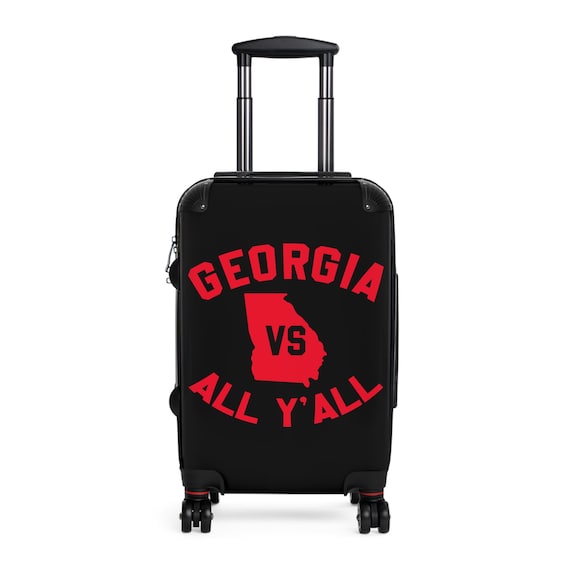
Origins and design principles
The ga suitcase idea grew from pro travel needs. Professionals who carry equipment—photographers, sales reps, and field technicians—wanted cases that protect tools and let them work fast. Designers responded by adding padded inserts, labeled pockets, and quick-access panels.
Key design principles include:
- Organization through compartments that match common items like chargers, clothes, and documents.
- Protection using hard shells or reinforced fabric at impact points.
- Accessibility with external pockets and clamshell openings that let you unpack like a checklist.
These principles guide most modern ga suitcase models and shape buying choices.
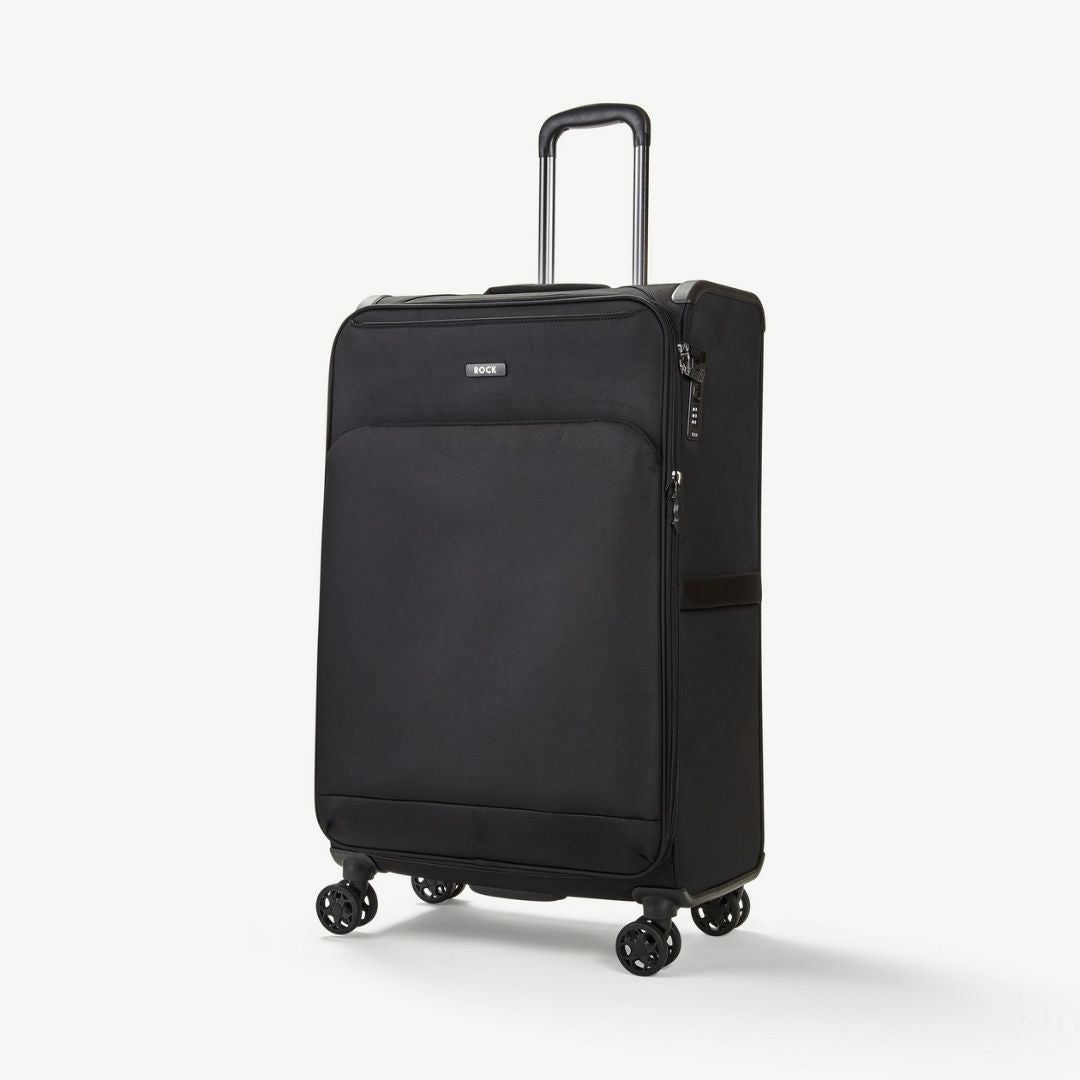
Types of ga suitcase and who they suit
There are several ga suitcase types. Pick one based on trip length, gear type, and how you travel.
Common types:
- Carry-on ga suitcase — Compact, fits overhead bins, ideal for short trips and business travel.
- Checked ga suitcase — Larger capacity with reinforced frames, suited for long trips and heavy gear.
- Hybrid ga suitcase — Soft face with hard frame for flexibility and protection.
- Specialty ga suitcase — Built for cameras, tools, or medical gear with custom foam and dividers.
I use a carry-on ga suitcase for weekend work trips and a checked ga suitcase for equipment-heavy tours. Each type brings trade-offs in weight and capacity.
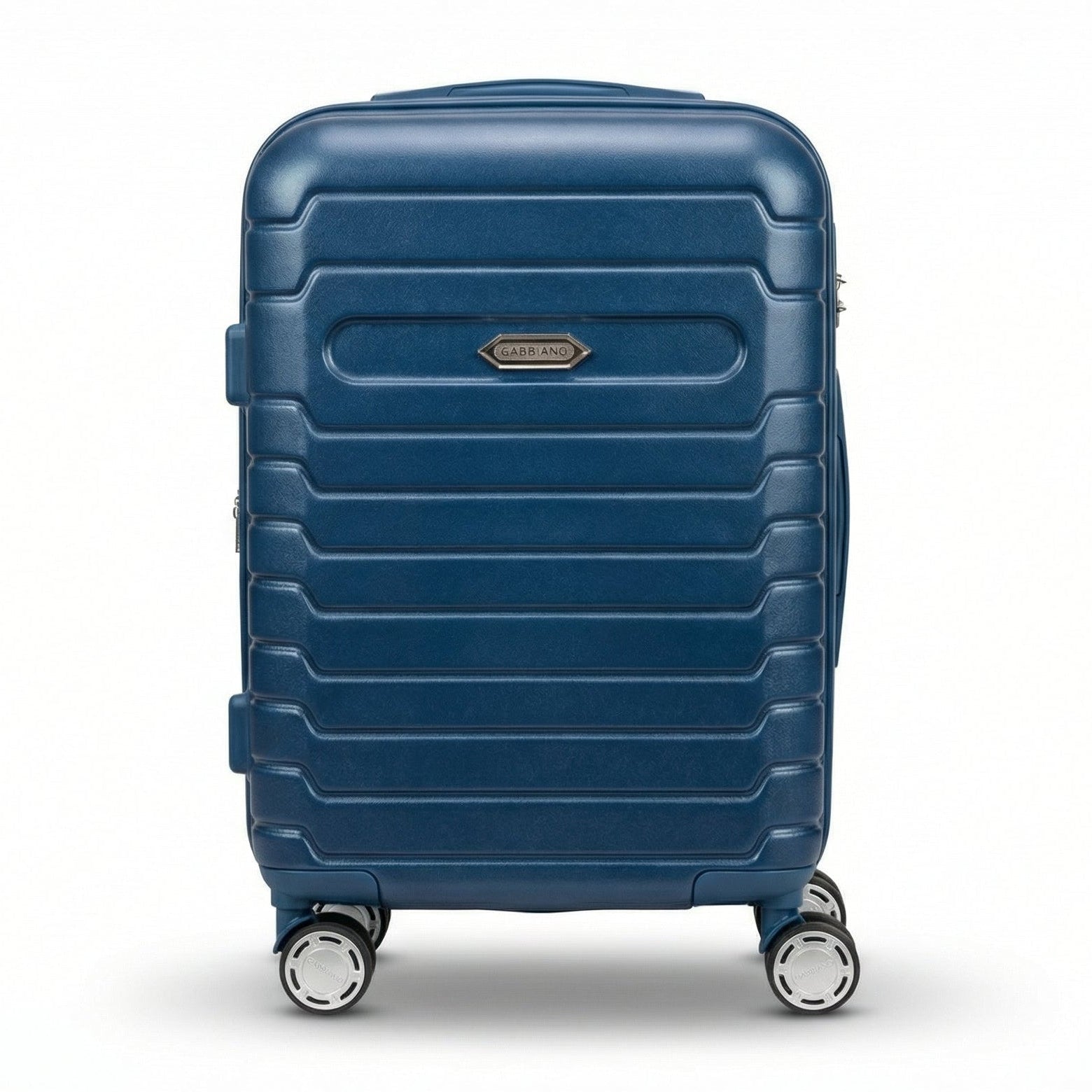
Key features to look for
When you shop, focus on features that match how you pack and move.
Must-have features:
- Modular inserts that you can remove or reposition for different trips.
- Lockable zippers or integrated TSA locks for security.
- Smooth multi-directional wheels and a sturdy telescoping handle for easy rolling.
- Compression straps and clamshell opening for neat packing.
- Water-resistant materials and reinforced corners for durability.
A ga suitcase with these features saves time at the hotel and keeps fragile items safe in transit.

How a ga suitcase works in practice
A ga suitcase works by organizing travel like a small workshop. Pockets hold small items. Larger modules hold clothes or gear. Quick-access panels let you grab essentials without full unpacking.
Common workflow:
- Pack heavy items low and toward the wheels to keep balance.
- Use labeled pouches for electronics, cords, and chargers.
- Keep travel documents in a top pocket for fast access.
Will a ga suitcase pass airline size limits? Most carry-on ga suitcase models are designed to meet common airline rules, but always check your carrier. Can you use a ga suitcase for checked luggage? Yes, many models scale to checked sizes with the same organizational setup.
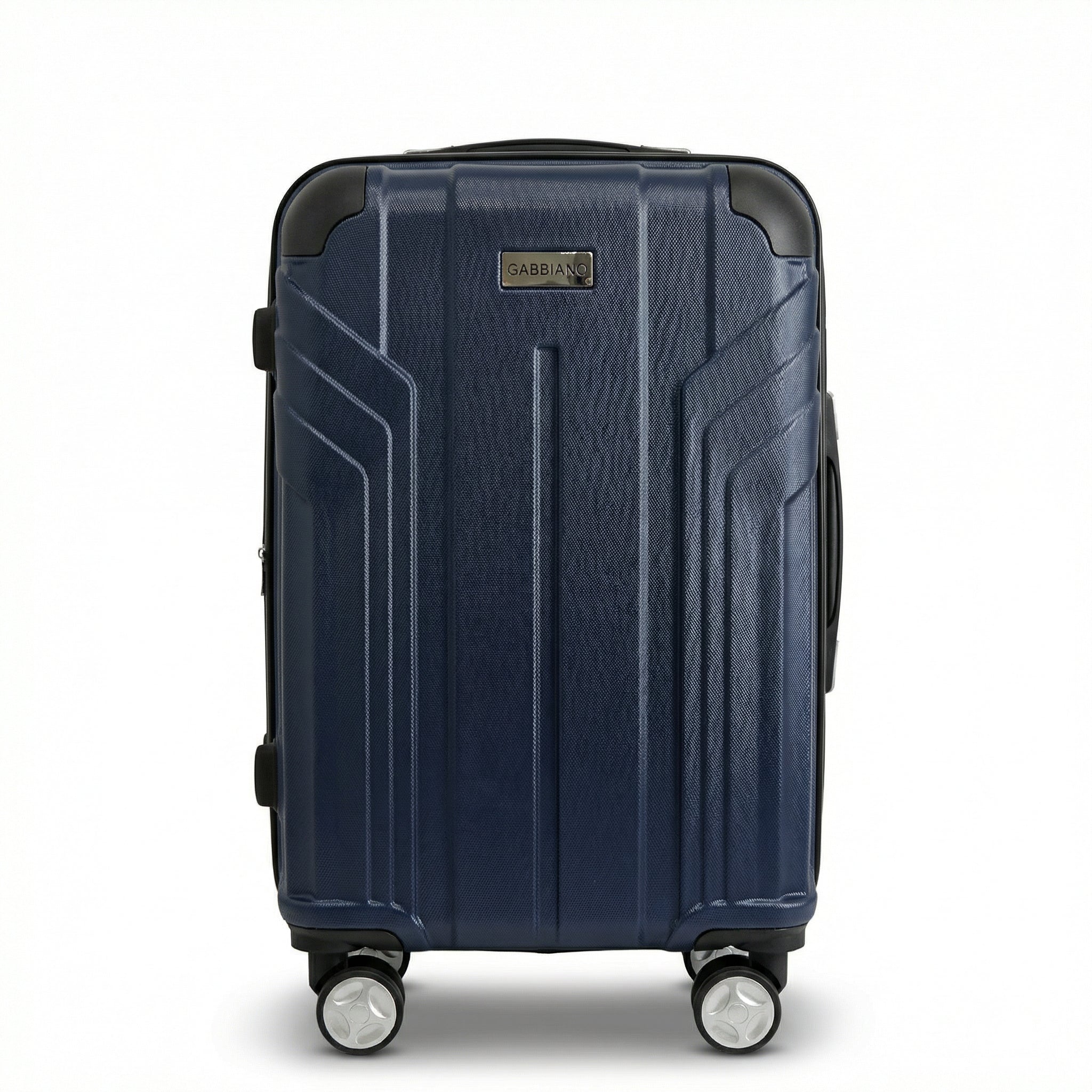
Benefits and limitations
- Faster packing and unpacking thanks to modular layout.
- Better protection for valuables and electronics.
- Less stress at security and hotels because items are easy to find.
- Versatility for both business and leisure trips.
Limitations:
- Higher cost than basic suitcases due to added design features.
- Slightly more weight in some models because of reinforcements.
- Not every ga suitcase works for very bulky equipment without custom inserts.
From my tests, a ga suitcase pays off if you travel often or need organized gear access. For occasional light travel, a simple bag might suffice.

How to choose the right ga suitcase for you
Pick with clear criteria. Ask simple questions and match features to answers.
Selection steps:
- Decide your main trips: short flights, long hauls, or gear-heavy travel.
- Choose size: carry-on for frequent short trips, checked for more storage.
- Check materials: polycarbonate for hard shells, ballistic nylon for soft shells.
- Inspect organization: removable inserts, pocket layout, and accessibility.
- Test mobility: roll the case and check handle comfort and wheel smoothness.
I recommend visiting a store to try handles and wheels. If you buy online, read hands-on reviews and look for a good return policy.

Care, maintenance, and packing tips
Simple care extends the life of a ga suitcase. Clean and inspect often.
Care tips:
- Wipe shells and fabrics after trips to remove dirt and salt.
- Lubricate wheel bearings if rolling feels stiff.
- Repair or replace broken zippers promptly to prevent further damage.
- Store with silica packs to control moisture and odors.
Packing tips:
- Use packing cubes that match your insert sizes.
- Keep chargers and cords in a labeled pouch.
- Place heavy items near wheels to keep the suitcase stable.
These small habits keep your ga suitcase working well for years.

Real-world examples and personal experience
I’ve owned three ga suitcase models over five years. One was a carry-on with modular pouches I used for business trips. It cut security line time because my laptop and cables were ready. A second was a larger checked ga suitcase that protected camera gear on a rainy shoot. The case took bumps without damage and made setup faster on site.
Lessons learned:
- Avoid overpacking compartments—overstuffing strains zippers.
- Test pockets with your actual gear before travel.
- Pay a bit more for a trusted brand for better warranties and parts.
Using a ga suitcase changed how I travel. It turned packing from a chore into a repeatable system.
Related concepts and alternatives
If a ga suitcase doesn’t fit your needs, consider related options.
Alternatives:
- Modular duffel with packing cubes for flexible capacity.
- Rolling tool case for heavy, oddly shaped gear.
- Tech briefcase for daily commuting and short flights.
Related concepts:
- Packing cubes for micro-organization.
- TSA-compliant locks for secure travel.
- Hard shell vs. soft shell trade-offs for weight and protection.
Each option blends different priorities of weight, protection, and access.
Practical buying checklist
Before you buy, run through this quick checklist to avoid regrets.
Checklist:
- Confirm size fits your most-used airline and that it is the right compartment size.
- Try the handle and wheels for comfort and stability.
- Check internal layout for the exact number of compartments you need.
- Look for a solid warranty and spare parts availability.
- Read real-user reviews about long-term durability.
Follow this list and you’ll choose a ga suitcase that works reliably.
Frequently Asked Questions of what is the ga suitcase
What does "ga suitcase" stand for?
A ga suitcase refers to luggage designed for gear access and agility, not a formal acronym. The term highlights organization, protection, and easy access for travelers.
Is a ga suitcase good for air travel?
Yes. Many ga suitcase models come in carry-on sizes and meet common airline limits, making them practical for air travel and quick connections.
Can I use a ga suitcase for fragile equipment?
Yes, if you choose a model with padded inserts or a hard shell. For very fragile gear, consider custom foam inserts or a dedicated hard case.
How much does a quality ga suitcase cost?
Prices vary widely. Expect to pay more than a basic suitcase due to specialized features; quality models often fall in the mid to high price range.
Are ga suitcases heavy to carry?
Some are slightly heavier because of reinforcements, but many brands balance protection with lightweight materials to keep weight reasonable.
Conclusion
A ga suitcase is a smart investment for travelers who value organization, quick access, and gear protection. It makes packing cleaner, security lines faster, and travel days less stressful. Try one if you travel often, carry gear, or value efficient packing—start with the checklist above, test mobility, and pick the size that matches your trips. If this helped you decide, explore models that match your needs, subscribe for gear reviews, or leave a comment about your experience with ga suitcase choices.

Zayden Halbrook is a travel enthusiast and gear researcher passionate about making every journey smoother and more enjoyable. With a keen eye for practical travel essentials and real-world tips, he helps readers choose the right gear and travel smarter. When he’s not testing travel kits or exploring new destinations, Zayden shares simple, reliable advice to make every trip stress-free.