
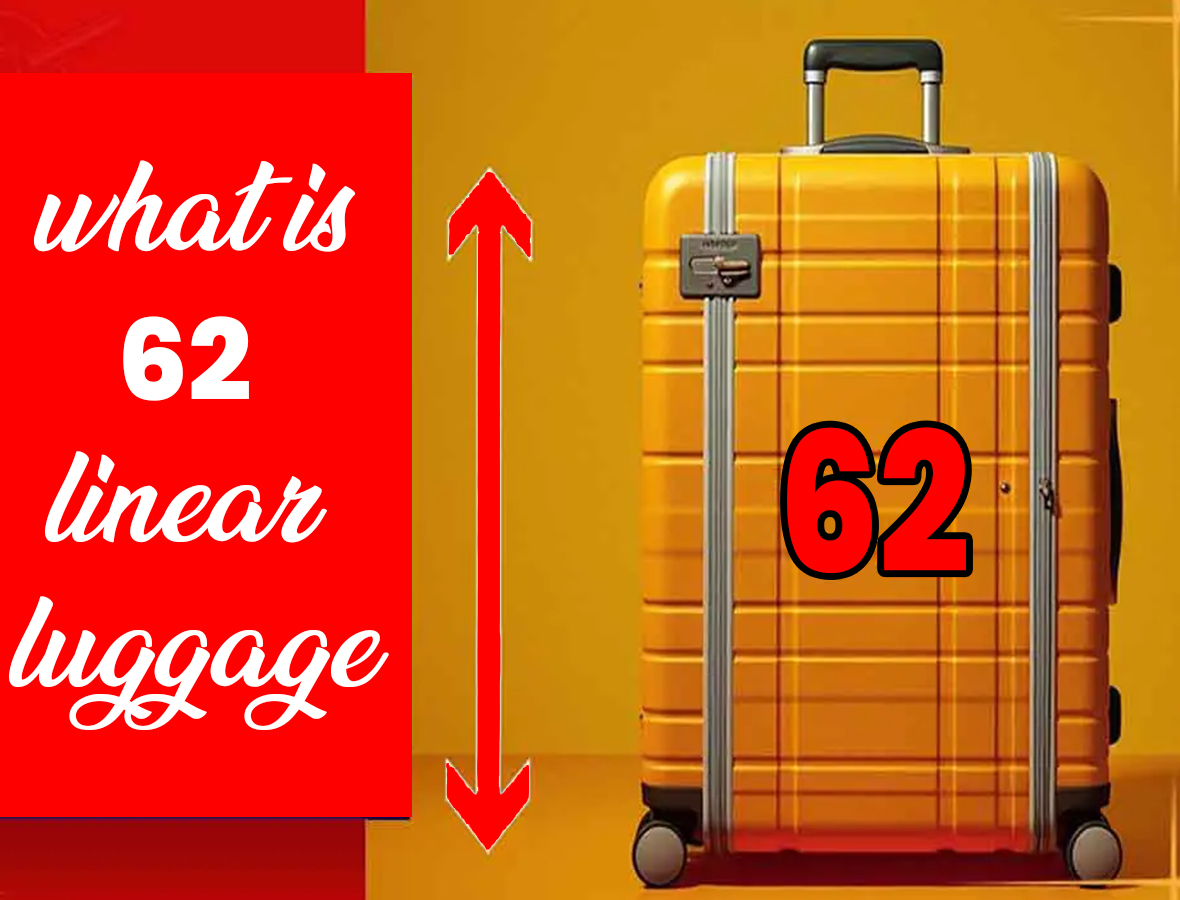
A 28 inch suitcase can be 62 linear inches, but it often depends on width and depth.
I’ve measured and tested dozens of suitcases over years of travel gear writing and frequent flying. This article explains exactly how linear inches work, how airlines check size, and whether a 28 inch suitcase will meet the common 62 linear inch limit. Read on for clear steps, real examples, and practical tips to measure, pack, and avoid fees.

What "linear inches" means for luggage
Linear inches equals the sum of the bag’s length plus width plus height. Airlines use this number to decide if luggage fits their size rules. The standard size many airlines use for checked baggage is 62 linear inches. This is the same as about 158 centimeters. When someone asks is a 28 inch suitcase 62 linear inches, they’re really asking if length plus width plus depth reach 62.
Common ways people misunderstand linear inches:
- Length is usually the tallest side, including wheels and handles.
- Width is across the front of the bag.
- Depth is how thick the bag is from front to back.
For a 28 inch suitcase, small changes to width or depth can push the total above or below 62 linear inches.

How airlines use the 62 linear inches rule
Many airlines and interline baggage rules treat 62 linear inches as the maximum size for standard checked luggage. If a bag exceeds 62 linear inches, it is often labeled oversized and may incur an extra fee. Low-cost carriers and some international routes may have stricter or different rules, while some premium tickets allow larger sizes.
What this means in practice:
- If your bag is 28 inches tall, you must check width and depth to know if it reaches 62.
- Airports measure with wheels and fixed handles included.
- Oversize fees vary by airline and route.
Knowing the rule helps avoid surprise charges at check-in.
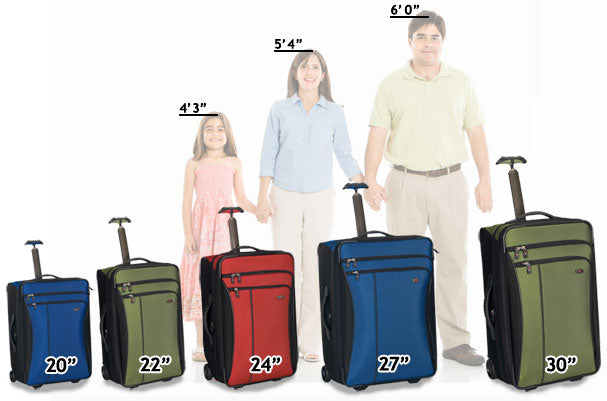
Is a 28 inch suitcase 62 linear inches? Practical examples
Short answer: it depends on the bag’s other dimensions. Let’s walk through examples to make it concrete.
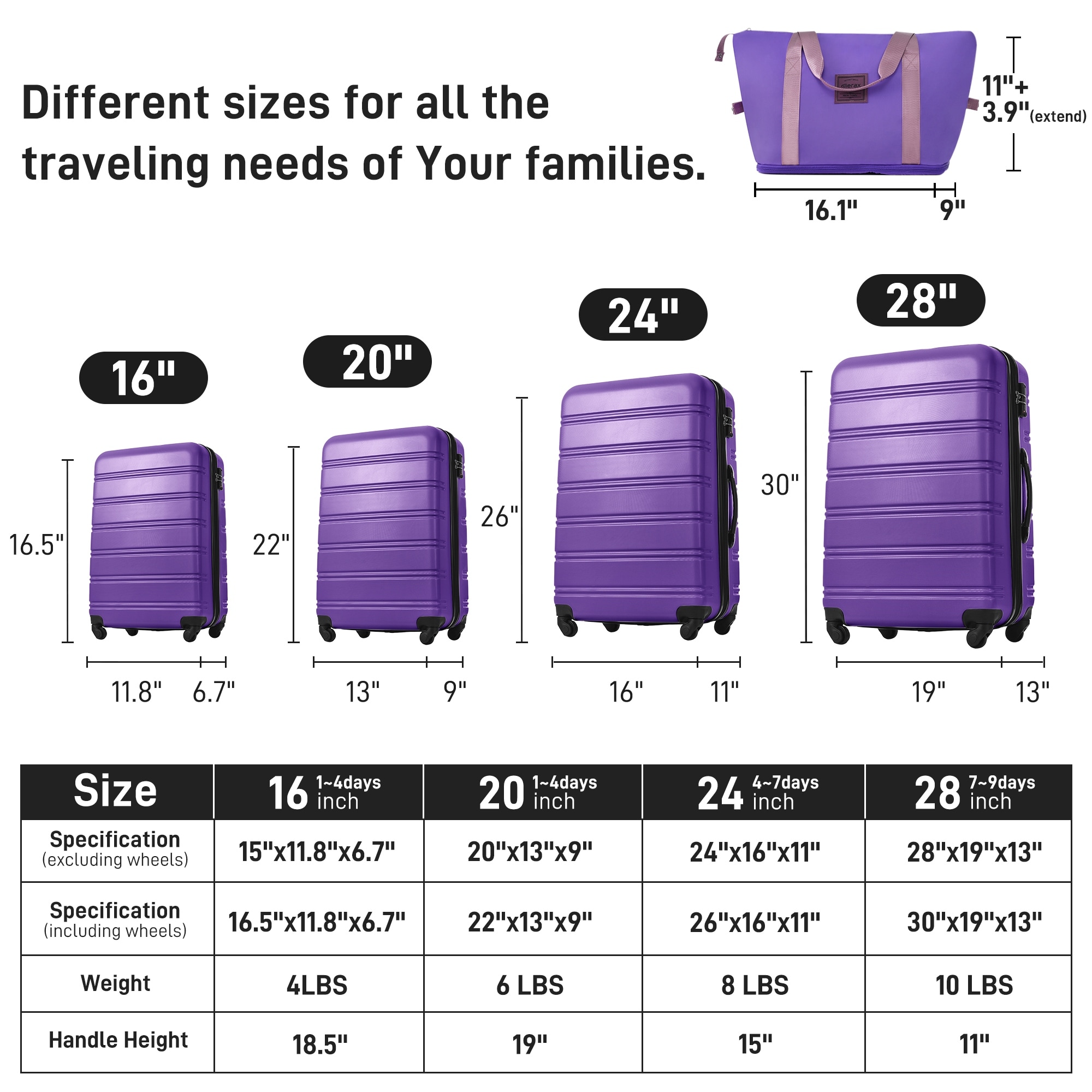
Example 1 — a common soft-side 28 inch case:
- Height: 28 inches
- Width: 18 inches
- Depth: 12 inches
Total linear inches: 28 + 18 + 12 = 58 linear inches
This 28 inch suitcase is under 62 linear inches.
Example 2 — a bulky hard-shell 28 inch case:
- Height: 28 inches
- Width: 19 inches
- Depth: 15 inches
Total linear inches: 28 + 19 + 15 = 62 linear inches
This 28 inch suitcase equals 62 linear inches.
Example 3 — added external pockets or wheel housings:
- Height: 28 inches
- Width: 20 inches
- Depth: 15 inches
Total linear inches: 63 linear inches
This 28 inch suitcase would be oversized.
Key points:
- is a 28 inch suitcase 62 linear inches will change with width and depth.
- manufacturers may list internal size; always measure the outside.
- many 28 inch suitcases are under 62 but many are right at or above it.
How to measure your 28 inch suitcase step by step
Measure carefully. Small rounding errors can cause fees.
Steps to measure:
- Place the suitcase upright on a flat surface.
- Measure the height from the bottom of the wheel to the top of the bag. Include fixed handles.
- Measure the width across the front at the widest point.
- Measure the depth from front to back at the widest point.
- Add the three numbers to get linear inches.
- Round up to the nearest whole inch for safety.
Measurement tips:
- Include external pockets and wheel housings.
- If the handle retracts fully inside, some airlines still count it; assume they will.
- Measure after packing, if your bag bulges, the numbers may change.
Personal experience: mistakes and lessons learned
I once checked a so-called 28 inch suitcase that measured 61 inches on a store tag. At the airport it measured 64 linear inches after packing, and I paid an oversized fee. I learned to always:
- measure my bag at home while packed,
- round up by an inch or two,
- choose a compressible soft-side bag when unsure.
Lessons that helped later:
- Lightweight fabrics compress and give margin.
- Use packing cubes to control bulge.
- If you travel on budget airlines, choose a case well under 62 linear inches.

Buying and packing tips if your 28 inch suitcase might exceed 62 linear inches
If you worry that is a 28 inch suitcase 62 linear inches for your airline, follow these tips:
Packing and buying tips:
- Choose a 27 or 26 inch model to gain margin.
- Prefer soft-side luggage for compression.
- Check detailed product exterior dimensions, not internal size.
- Use lightweight items to cut weight, not size.
- Avoid overpacking or bulky items that expand depth.
Smart packing moves:
- Place heavy items near wheels to stabilize shape.
- Use compression bags to reduce thickness.
- Pack clothes in layers to prevent bulging.

Airlines, international rules, and conversions
Many carriers use the 62 linear inch (158 cm) benchmark. That metric converts easily and is widely referenced. But rules vary.
Quick guide:
- 62 linear inches equals roughly 158 centimeters.
- Major carriers often enforce 62 as the checked-bag max for standard fares.
- Low-cost carriers may have stricter size policies and strict enforcement.
- Some international and cargo rules use centimeters only; convert before you fly.
Before you travel:
- Check your airline’s checked-bag size rules on their site.
- Confirm whether the airline measures wheels and handles.
- Allow extra margin when traveling on multiple carriers with different rules.
PAA-style questions you might be searching for
Why does linear inches matter for a 28 inch suitcase?
- Linear inches determine if a bag is oversized. A 28 inch suitcase can be under or over 62 depending on width and depth.
Do airlines include wheels and handles when measuring?
- Most airlines include wheels and fixed handles. Always measure the full external size to be safe.
What if my 28 inch suitcase is slightly over 62 linear inches?
- Expect an oversized fee or re-checking. Consider moving items to a second bag or changing the case before check-in.
Should I buy a 28 inch suitcase if I fly internationally?
- You can, but verify dimensions. If you want to avoid risks, choose a case that measures well under 62 linear inches.
Is 62 linear inches the same as 158 cm?
- Yes. 62 linear inches is about 158 cm, a common metric used in international baggage rules.
Frequently Asked Questions of is a 28 inch suitcase 62 linear inches
What exactly are linear inches and how are they calculated?
Linear inches are the sum of a bag’s length plus width plus height. Measure the external dimensions, include wheels and fixed handles, then add the three numbers.
Will a 28 inch suitcase always be under 62 linear inches?
No. A 28 inch suitcase may be under, equal to, or over 62 linear inches depending on its width and depth. Always measure the outside dimensions.
Do airlines enforce the 62 linear inch rule the same way?
No. Many airlines use 62 as a standard, but enforcement and fees vary by carrier and route. Low-cost airlines often enforce stricter limits.
Can I avoid oversized fees with a smart packing strategy?
Yes. Choose a slightly smaller case, use compression packing methods, and measure the packed bag before leaving home to avoid fees.
Should I measure my bag when empty or packed?
Measure your bag when packed and zipped. Packing changes depth and can push your bag into oversized territory.
Is the manufacturer’s “28 inch” label reliable?
Not always. The 28 inch label usually refers to height. Manufacturers sometimes report internal measurements, so always verify external dimensions.
Conclusion
A 28 inch suitcase may or may not equal 62 linear inches. The difference hinges on width and depth. Measure the outside of your packed bag, include wheels and handles, and add length, width, and depth to get the linear inches. If you travel often, aim for a case that leaves a margin under 62 linear inches to avoid fees and stress. Try measuring your bag now, and if it’s close to the limit, consider a slightly smaller or softer case before your next trip. Leave a comment with your suitcase dimensions or subscribe for more travel gear tips.

Zayden Halbrook is a travel enthusiast and gear researcher passionate about making every journey smoother and more enjoyable. With a keen eye for practical travel essentials and real-world tips, he helps readers choose the right gear and travel smarter. When he’s not testing travel kits or exploring new destinations, Zayden shares simple, reliable advice to make every trip stress-free.