Pack light, prioritize essentials, and organize items by weight and access for comfortable hikes.
I’ve spent a decade backpacking, testing gear, and teaching others how to pack for backpacking trips safely and smartly. This guide breaks down step-by-step planning, the gear you need, real packing techniques, and the mistakes I’ve learned from. Read on and you’ll learn how to pack for backpacking so your pack feels good on day one and stays that way all trip long.
Why smart packing matters
Smart packing shapes your trip. A well-packed bag saves energy, reduces pain, and keeps you prepared for weather and emergencies. Learning how to pack for backpacking is as important as choosing the right trail or tent.
Packing well prevents blisters, back pain, and cold nights. It also helps you be self-reliant and flexible when plans change. I’ll show you how to pack for backpacking so you can enjoy more miles and less worry.
Choose the right pack and fit
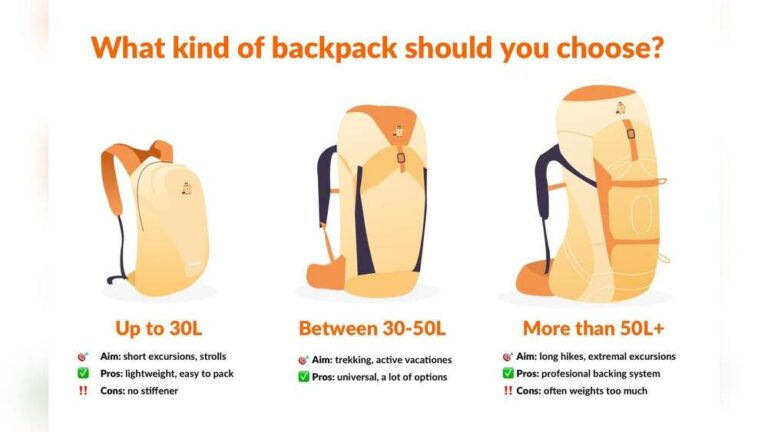
Selecting a good pack is the first step in how to pack for backpacking.
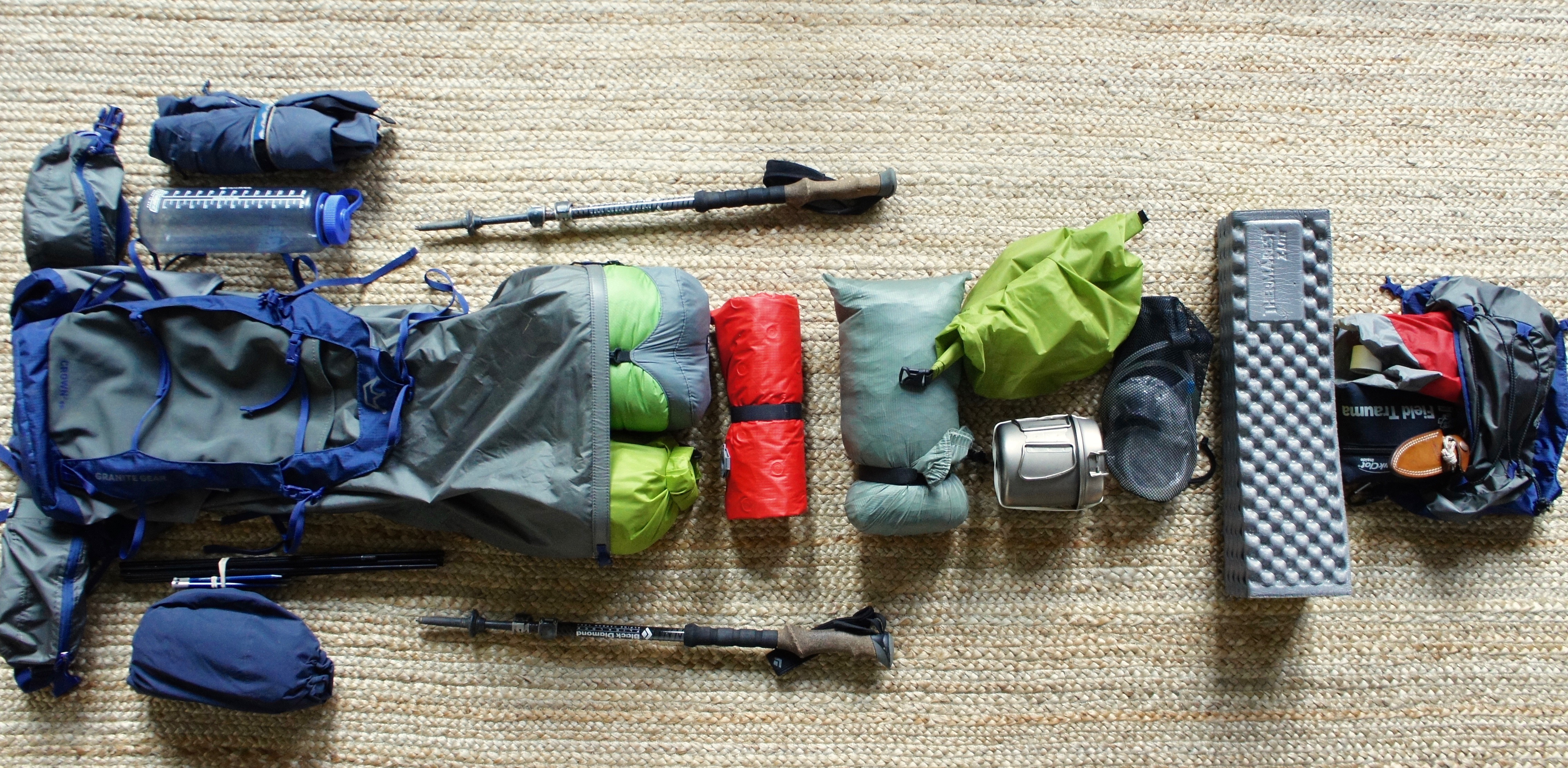
- Capacity matters. Choose 30–50 liters for weekend trips and 50–70 liters for multi-day trips.
- Fit the torso. Measure your torso length and try packs with a loaded fit.
- Hip belt is king. A snug hip belt carries most weight. Adjust until most load rests on hips.
- Features help. Look for hip pockets, compression straps, and a removable lid if you want versatility.
Try a pack loaded with weight before you buy. Walk around the store or neighborhood. A pack that fits you well makes all packing techniques work better.

Core gear checklist and essentials
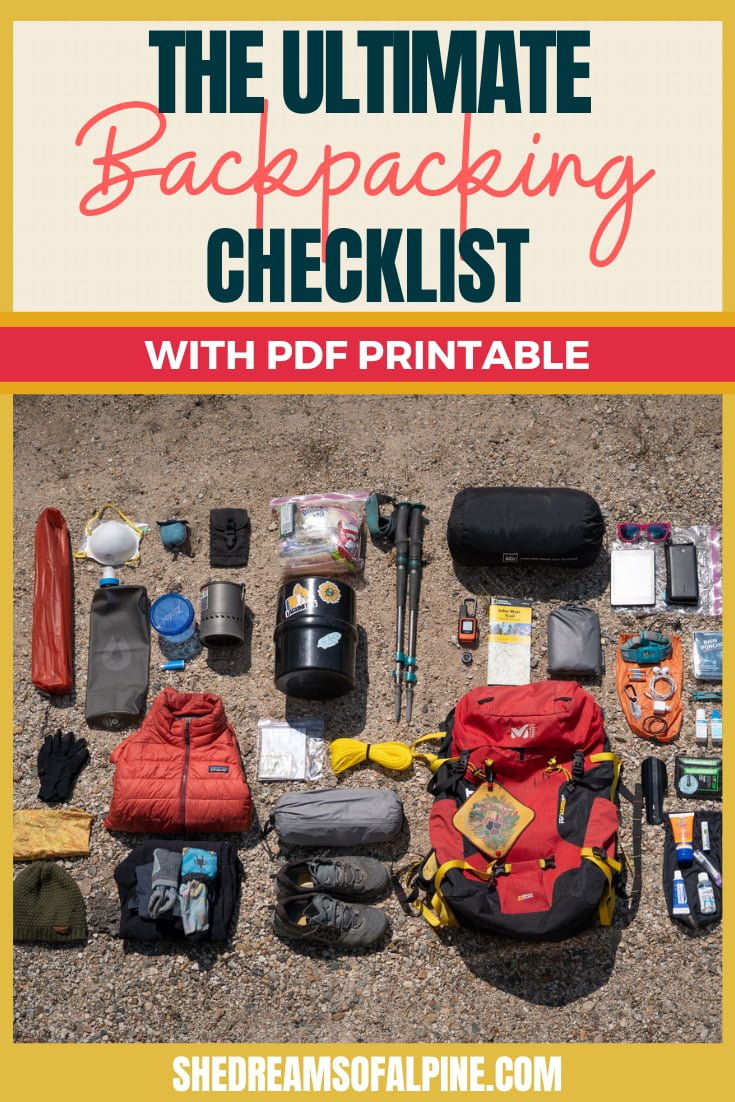
A clear checklist is central to how to pack for backpacking. Break items into categories and pack by priority.
- Shelter and sleep
- Tent, footprint, stakes
- Sleeping bag rated for expected temps
- Sleeping pad
- Clothing
- Moisture-wicking base layers
- Insulating mid layer
- Weatherproof shell
- Extra socks and underwear
- Food and cooking
- Lightweight stove, fuel, cook pot
- Meals, snacks, utensils
- Hydration and water
- Water bottles or reservoir
- Water filter or treatment
- Navigation and safety
- Map, compass, GPS
- Headlamp and spare batteries
- First-aid kit and repair kit
- Tools and extras
- Multi-tool, duct tape, cord
- Trash bag, sunscreen, insect repellent
Pack only what you need. For skills or rescue gear, think layers of safety rather than bulk. This checklist feeds directly into how to pack for backpacking efficiently.

Packing order and weight distribution
How you arrange items inside the pack matters as much as what you bring.
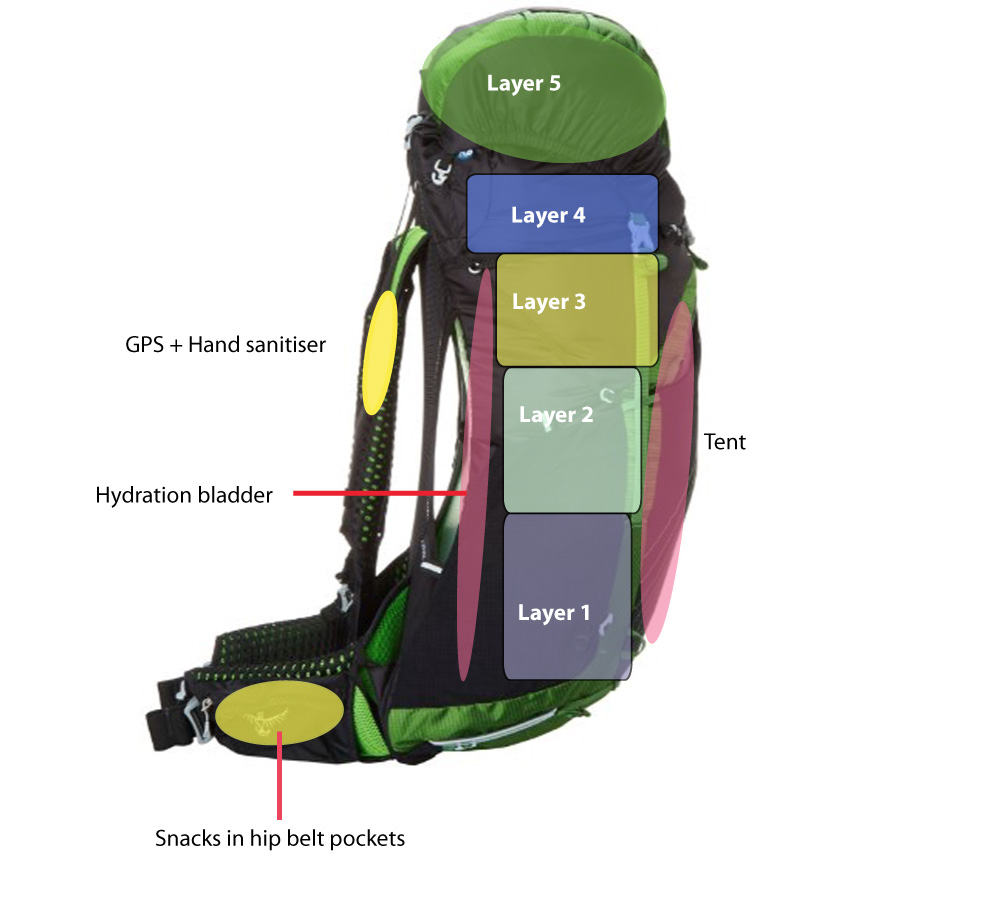
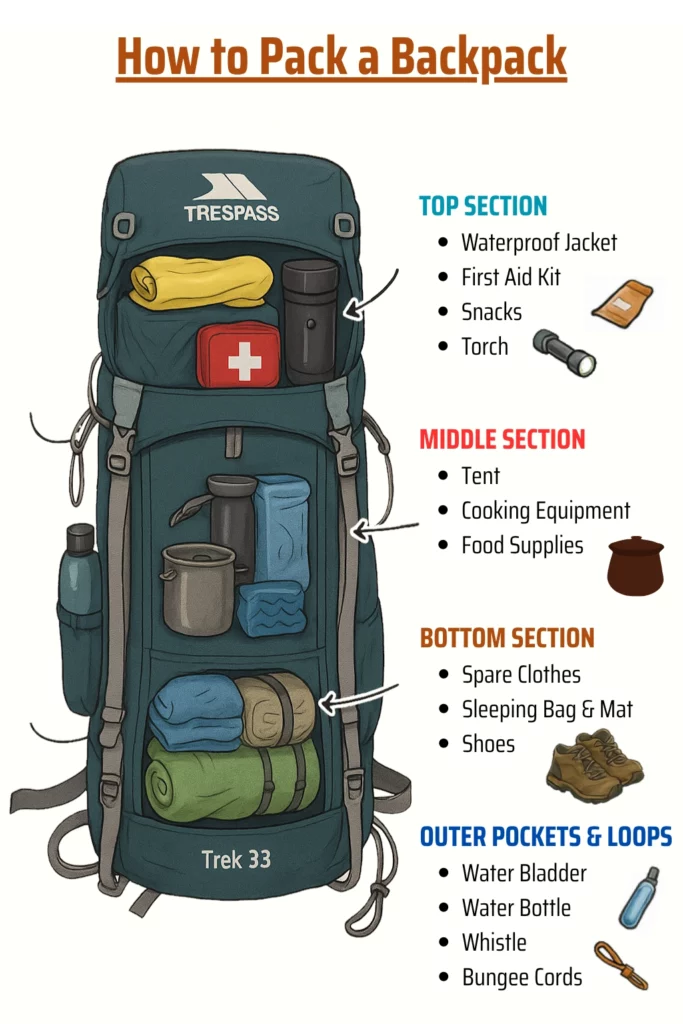
- Heavy items close to your spine and high between shoulder blades for balance.
- Medium items around the mid-chamber to even weight.
- Lightweight or bulky items in the top or outer pockets.
- Sleeping bag and pad usually go at the bottom or strapped externally to save space.
- Keep water, snacks, rain gear, and map accessible in top or hip pockets for quick access.
Think of your pack like a balanced scale. When heavy bits sit close to your back, you use less energy and have better posture. Adjust placement on short hikes before setting out.

Packing methods and gear organization
Use simple tools and methods to stay organized and dry.
- Use compression sacks for clothes to save volume.
- Use dry bags for electronics and sleeping gear to keep them dry.
- Use mesh pockets and stuff sacks to group items by use: cook, first aid, clothes.
- Roll clothes or use bundle wrapping to reduce wrinkles and save space.
- Keep a small "day" bag or stuff sack at the top for snacks, camera, and warm layer.
I prefer a layout where the sleeping system goes low, the stove and food mid, clothes in compression sacks near the top, and essentials in pockets. That layout is my tested method for how to pack for backpacking trips that go smoothly.
Clothing and layering strategy
Clothing strategy is a core part of how to pack for backpacking. Pack for conditions, not wishes.
- Base layer: wick sweat fast. Bring one top and one bottom for multi-day trips.
- Mid layer: fleece or light down for warmth.
- Shell: waterproof breathable jacket and pants for storms.
- Extra socks: one change of socks minimum.
- Sleep clothing: simple light layer for campsite comfort.
Dress in layers while hiking. Add or remove layers in short bursts to avoid sweat. I once learned the hard way that wet clothing overnight ruins morale—so always pack a dry sleep set.
Food, water, and cooking strategy
Food weight adds up fast. Plan meals for calories and weight.
- Plan each meal and repack food into zip or cook bags to save space and trash.
- Aim for high-calorie, low-weight foods: dried meals, nuts, bars.
- Treat water safely: use a filter, purifier, or chemical drops as backup.
- Calculate water needs by route while accounting for refill points.
I test cook times at home before trips. If food needs 20 minutes, it costs time and fuel on trail. Proper planning is part of how to pack for backpacking without wasting weight on excess fuel.

Reduce weight: smart swaps and choices
Less weight equals more fun. Small swaps make a big difference.
- Replace heavy cookware with titanium or thin aluminum alternatives.
- Choose multi-use items: bandana, pot lid that doubles as plate.
- Use consumables like fuel as planned, not extra.
- Cut unnecessary items: extra book, heavy toiletries, extra shoes.
My rule: if I haven’t used it on three trips, it stays home. That rule is how to pack for backpacking while keeping only what truly matters.

Test pack and field checks
Never leave without a test pack.
- Pack everything and wear it around the neighborhood or on a short hike.
- Check for hip belt chafing, shoulder strain, or shifting load.
- Adjust items and remove anything unnecessary.
Testing is simple. It saves real pain. Do this before big trips to learn how to pack for backpacking efficiently.
Personal lessons and common mistakes
I’ve learned lessons the hard way. Sharing them saves you time.
- Mistake: stuffing bulky cold-weather items at the bottom and forgetting access to rain gear. Fix: keep rain gear on top.
- Mistake: overpacking clothing. Fix: plan outfits and accept laundering or wearing items twice.
- Mistake: ignoring hip fit. Fix: invest in proper fitting at the start.
- Tip: keep important items in hip pockets. Snacks and maps should be reachable without taking your pack off.
These small shifts changed my hikes from painful to enjoyable. They are central to how to pack for backpacking with confidence.
Frequently Asked Questions of how to pack for backpacking
What is the best pack size for a 3-day trip?
For most 3-day trips, a 40–55 liter pack works well. It holds shelter, food, water, and layered clothing without excess bulk.
How much weight should I carry on a multi-day hike?
Aim for a base weight (pack without food, water) under 15 pounds if possible. Many hikers target 10–12 pounds, but comfort and safety can justify more.
How do I keep gear dry while backpacking?
Use waterproof dry bags for clothes and electronics and keep a rain cover on the pack. Pack the most critical items in sealed bags inside the main compartment.
How should I distribute weight in my backpack?
Place heavy items close to your back and centered between shoulder blades. Light items go high or in outer pockets to maintain balance.
What clothing should I pack for variable weather?
Pack a moisture-wicking base layer, insulating mid layer, and a waterproof breathable shell. Bring at least one dry change of socks and sleep clothes.
How much food do I need per day on trail?
Most people need 2,500–4,000 calories per day depending on activity level. Plan meals with calorie density and snack often to maintain energy.
Can I strap a sleeping bag to the outside of my pack?
Yes, but only if protected from rain. Many hikers prefer packing a sleeping bag inside a dry sack in the lower compartment for better protection and balance.
What are quick tips to save pack space?
Use compression sacks, decant food into resealable bags, and ditch duplicates. Carry multi-use gear when it’s safe and practical.
Is it okay to carry electronics like a phone and power bank?
Yes, but keep them in a dry bag and limit use to save battery. A small power bank and solar charger are lighter than multiple spare batteries.
When should I upgrade gear for lighter weight?
Upgrade when you do enough trips to justify cost or when weight affects comfort. Prioritize items that reduce weight the most, like shelter or sleeping pad.
Conclusion
Packing well changes the whole experience. Start with the right pack, keep weight close to your hips, organize with sacks, and test your load before leaving. Use the gear checklist and methods here to learn how to pack for backpacking so every trip is safer and more fun. Try these tips on your next hike, tweak as you learn, and share what worked for you. If this guide helped, leave a comment or subscribe for more packing and gear tips.

Zayden Halbrook is a travel enthusiast and gear researcher passionate about making every journey smoother and more enjoyable. With a keen eye for practical travel essentials and real-world tips, he helps readers choose the right gear and travel smarter. When he’s not testing travel kits or exploring new destinations, Zayden shares simple, reliable advice to make every trip stress-free.