What Is A Faraday Bag?
When I first heard about a Faraday bag, I was a bit confused. Why would someone need a special bag to protect their phone or car keys? As I started learning more, I realized how important these bags are in today’s digital world. In this article, I’ll explain what a Faraday bag is, how it works, and why you might need one. I’ll also share some real-life examples from my experience, plus tips to choose the best one for your needs. My goal is to make everything clear, even if English is not your first language.
What Is A Faraday Bag?
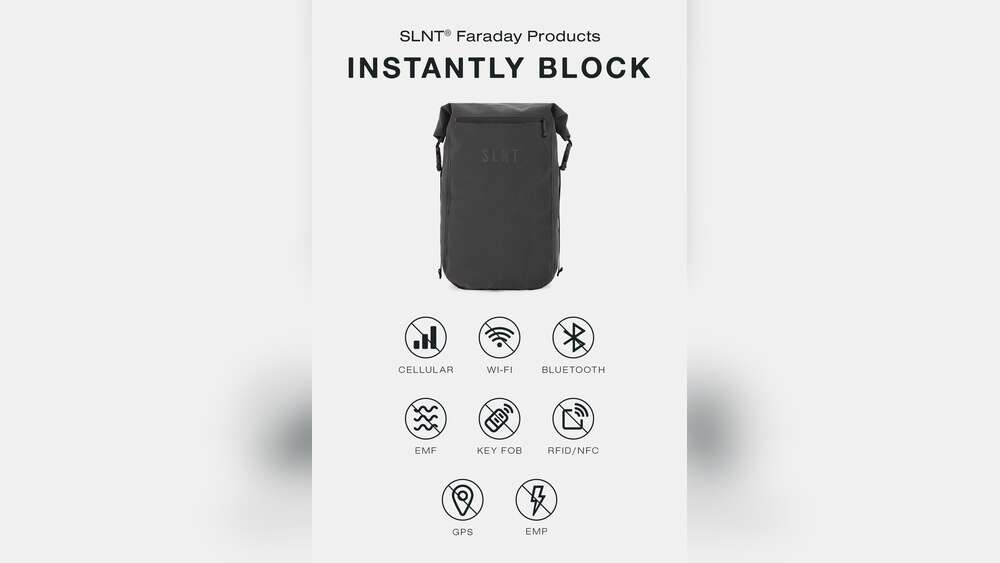
A Faraday bag is a special pouch or container. It is made to block signals like Wi-Fi, Bluetooth, GPS, and radio waves. The bag uses layers of metal or special fabric to stop these signals from reaching what’s inside. It is named after Michael Faraday, a scientist from the 1800s. He invented the Faraday cage, a box that blocks electricity and signals.
When you put a phone, key fob, or other device inside a Faraday bag, it cannot send or receive signals. This means it is safe from hackers, tracking, and unwanted scanning.
How Does A Faraday Bag Work?
The Faraday bag works on a simple principle. It uses a conductive material, usually a thin metal mesh or foil. This material forms a shield around the items inside the bag. When signals try to enter, they hit the metal and cannot pass through. The signals go around the outside, not inside.
Think of it like a raincoat for your electronics. Just as a raincoat keeps water out, a Faraday bag keeps signals out. It’s that easy.
Credit: faradaybag.com
Why Do People Use Faraday Bags?
There are many reasons people use Faraday bags. Here are some of the most common:
- Prevent hacking: Thieves can steal data from your phone, credit cards, or car keys using wireless attacks.
- Stop tracking: Your phone and other devices can be tracked with GPS or Bluetooth.
- Protect privacy: Journalists, lawyers, and business people use Faraday bags to keep their work private.
- Block RFID scanning: Credit cards and passports have RFID chips. A Faraday bag stops thieves from scanning your details.
- Shield from EMP: In rare cases, people want to protect devices from electromagnetic pulse (EMP), which can damage electronics.
From my own experience, I started using a Faraday bag after a friend’s car was stolen. The thief used a device to copy the signal from his key fob. If he had kept his keys in a Faraday bag, the thief could not have done this.
It was a wake-up call for both of us.
Real-life Examples Of Faraday Bag Use
Let’s look at some real situations where a Faraday bag can help:
Car Theft Prevention
Modern cars often use keyless entry. Thieves use signal boosters to grab the signal from your key inside your house. They can then unlock and start your car. Keeping your key fob in a Faraday bag blocks this attack.
Travel Security
Travelers use Faraday bags to protect their passports and credit cards. In airports or busy places, thieves can scan your bag and steal your data without touching you. I always keep my passport in a Faraday bag when flying overseas.
Law Enforcement
Police and forensic teams use Faraday bags when they collect phones or computers as evidence. This stops anyone from wiping or changing the data remotely.
Journalists And Activists
People who report on sensitive topics use Faraday bags to keep their information safe. This is important in countries where privacy is not protected.
What Devices Can A Faraday Bag Protect?
A Faraday bag can protect many types of items:
- Cell phones (smartphones and basic phones)
- Car key fobs
- Credit cards and debit cards
- Passports with chips
- USB drives and external hard drives
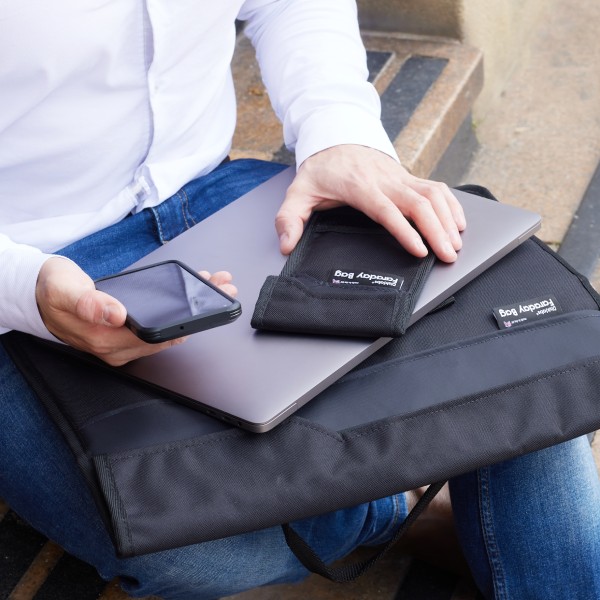
- Laptops and tablets (with large Faraday bags)
- Radio devices
- Drones and drone controllers
If a device uses wireless signals, a Faraday bag can block those signals.
What Materials Are Used In Faraday Bags?
Faraday bags are made with conductive materials. Here are some common choices:
- Metal mesh: A fine weave of metal threads, often copper or nickel.
- Foil layers: Thin sheets of aluminum or other metals.
- Conductive fabric: Special cloth mixed with metal fibers.
The inside of the bag is lined with these materials. The outer layer is usually nylon or another strong fabric to protect the metal inside.
How Effective Are Faraday Bags?
The effectiveness of a Faraday bag depends on its quality. A good bag blocks all signals, even strong ones. Cheaper bags may not work as well, especially if the seams are not tight or the metal layer is thin.
I once bought a cheap Faraday pouch for my key fob. When I tested it, my car still detected the key! I learned to check for reviews and buy from trusted brands.
You can test a Faraday bag at home. Put your phone inside and try to call it. If the call goes through, the bag is not working. For car keys, stand near the car with the key in the bag.
If the car unlocks, the bag is not blocking the signal.
Benefits Of Using A Faraday Bag
There are many advantages to using a Faraday bag:
- Simple protection: It’s easy to use. Just put your device inside and close the bag.
- Peace of mind: You don’t have to worry about signal-based attacks.
- Portable: Most Faraday bags are light and small.
- Affordable: Many good bags cost less than $30.
- Protects many devices: One bag can hold several items.
Limitations And Downsides
No product is perfect. Here are some things to consider:
- Not all bags are equal: Some cheap bags don’t block signals well.
- Can be bulky: Large bags for laptops or tablets may be heavy.
- Must be closed: If the bag is not sealed tight, signals can leak in.
- No phone calls or messages: When your phone is inside, you can’t use it.
- Wear and tear: The metal layer can break if the bag is bent too much.
If you want to use your device often, taking it in and out of the bag can be annoying. But for important moments, the extra step is worth it.
Faraday Bag Vs. Faraday Cage: What’s The Difference?
A Faraday cage is a box or room made of metal. It blocks signals from entering or leaving. A Faraday bag is a portable version. Both use the same science, but the bag is smaller and easy to carry.
Here’s a quick comparison:
| Feature | Faraday Cage | Faraday Bag |
|---|---|---|
| Size | Large (room or box) | Small (pouch or case) |
| Portability | Not portable | Portable |
| Cost | High | Low |
| Everyday Use | Rare | Common |
| Use Cases | Labs, testing, secure rooms | Phones, keys, travel |
How To Choose The Right Faraday Bag
Picking the right Faraday bag is important. Here are steps to help you decide:
1. Check The Size
Make sure the bag fits your device. For phones, a small pouch works. For laptops, you need a bigger bag.
2. Look At The Materials
Check if the bag uses a double or triple layer of metal mesh. More layers mean better protection.
3. Test For Signal Blocking
Read reviews or test the bag yourself. Try calling your phone or using Bluetooth while it’s inside.
4. Check The Closure
A good Faraday bag has a tight closure—like Velcro, zippers, or roll-down tops. Loose closures let signals in.
5. Durability
If you will use it daily, pick a bag with strong stitching and a sturdy outer fabric.
6. Brand Reputation
Buy from brands with good reviews. Some well-known brands are Mission Darkness, Silent Pocket, and Faraday Defense.
7. Price
Most quality bags cost $20–$60. Cheaper bags may not work.
8. Extra Features
Some bags have extra pockets, waterproofing, or can hold several devices.
Faraday Bag Uses In Different Fields
Faraday bags are not just for personal use. Many industries use them:
Law Enforcement
Police use Faraday bags when collecting digital evidence. This keeps the data safe from being changed.
Military
Military units use Faraday bags to keep radios and devices secure from enemy hacking.
Government
Government officials sometimes carry Faraday bags to protect sensitive information.
Business
Companies with secret projects use Faraday bags to stop leaks or spying.
Everyday People
Anyone can use a Faraday bag to protect their privacy, especially when traveling or in crowded places.
Types Of Faraday Bags
You’ll find many types of Faraday bags on the market. Here’s a quick guide:
| Type | Main Use | Size | Example Device |
|---|---|---|---|
| Phone pouch | Block phone signals | Small | Smartphone |
| Key fob wallet | Stop car theft | Tiny | Car key |
| Laptop sleeve | Protect computers | Large | Laptop |
| Backpack insert | Carry many items | Medium | Multiple devices |
| Travel wallet | Block RFID, cards, passport | Small | Cards, passport |
How To Use A Faraday Bag Correctly
Using a Faraday bag is simple, but there are a few key steps:
- Make sure the device fits inside the bag and the bag is not damaged.
- Close the bag completely. If it has a zipper or Velcro, seal it all the way.
- Don’t open the bag if you want to keep the device safe from signals.
- Check the bag from time to time for wear and tear.
- Test the bag once a month. Put your phone inside and try to call it.
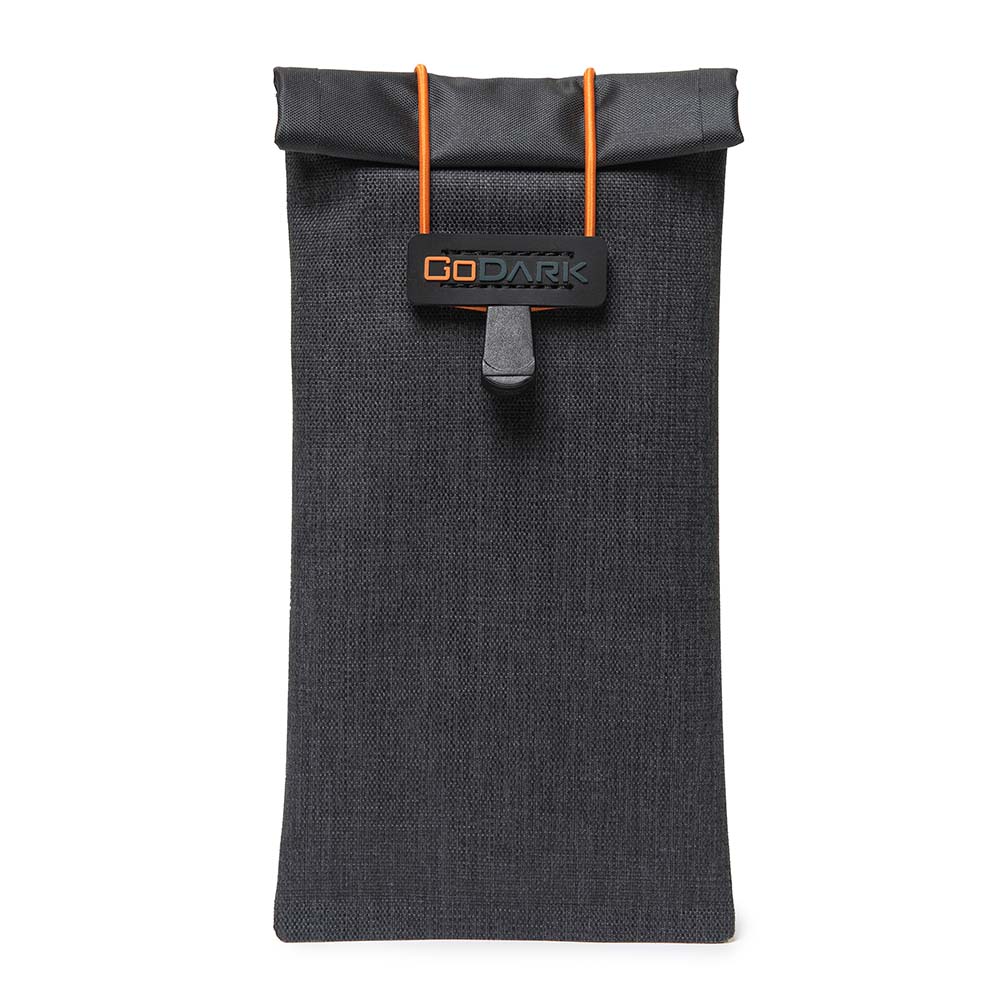
Credit: godarkbags.com
Common Mistakes When Using Faraday Bags
Even with the best bag, mistakes can happen:
- Not closing the bag fully: Signals can get in if the bag is not shut tight.
- Damaged bag: Holes or tears in the metal layer stop the bag from working.
- Wrong size: If the device sticks out, it won’t be protected.
- Buying low-quality bags: Cheap bags may look good but fail to block signals.
- Not testing: Always check that your bag works. Don’t wait until it’s too late.
Are Faraday Bags Legal To Use?
In most countries, Faraday bags are legal. You can use them to protect your own devices and data. However, using them to hide illegal activity is against the law. For example, criminals sometimes use Faraday bags to shoplift by hiding tagged items so alarms do not go off.
This is illegal and can lead to arrest.
The Science Behind Faraday Bags
Faraday bags use the principle of the Faraday cage. When an electric field (like a radio wave) hits the metal layer, the charges in the metal move. This creates an opposing field, which cancels the signal inside. It is the same idea as standing inside an elevator during a lightning storm—the metal shell keeps you safe.
The effectiveness depends on:
- Material: Copper is better than aluminum.
- Thickness: Thicker layers block more signals.
- Gaps: Even small holes can let signals in.
Data And Statistics
Let’s look at some data on signal blocking:
- A good Faraday bag can block signals from 100 kHz (long radio waves) to 6 GHz (Wi-Fi, 5G).
- Tests show that quality Faraday bags can block up to 99.99% of signals.
- In 2022, car theft using keyless entry rose by 20% in the US, according to the National Insurance Crime Bureau.
- Over 3 billion RFID cards are in use worldwide, making RFID theft a real risk.
These numbers show why Faraday bags are getting more popular.
Do Faraday Bags Block All Signals?
Faraday bags are designed to block most wireless signals, including:
- Wi-Fi
- Bluetooth
- Cellular (2G, 3G, 4G, 5G)
- GPS
- NFC
- RFID
However, no bag is perfect. Very strong signals or damaged bags might let some signals through. That’s why regular testing is so important.
How To Test Your Faraday Bag
Testing is easy. Here are a few ways:
- Phone call: Put your phone in the bag. Try calling it. It should not ring.
- Bluetooth: Connect your phone to a Bluetooth speaker. Put the phone in the bag. The speaker should disconnect.
- Car key: Put your key fob in the bag. Try unlocking your car by standing next to it. The car should not respond.
- Wi-Fi: Try using Wi-Fi with your device in the bag. It should not connect.
If your device still works, the bag is not doing its job.
Extra Tips From Personal Experience
I’ve used several Faraday bags over the years. Here are a few tips I wish I knew earlier:
- Always buy a bag that’s a bit bigger than your device. It’s easier to close and less likely to tear.
- If you travel a lot, get a bag with extra pockets for your passport, cards, and phone.
- Replace your bag if you see any damage, even small holes.
- If you are worried about EMPs (electromagnetic pulses), pick a bag with a thicker metal layer.
Where To Buy Faraday Bags
You can find Faraday bags online and in some electronics stores. Look for trusted brands and check reviews before you buy. Well-known brands like Silent Pocket and Mission Darkness are popular for a reason. You can also check out reviews on the Faraday cage Wikipedia page for more scientific background.
Frequently Asked Questions
What Is The Main Use Of A Faraday Bag?
A Faraday bag is used to block wireless signals from reaching electronic devices. This helps protect against hacking, tracking, and data theft. People use them for phones, car keys, credit cards, and passports.

Credit: www.amazon.com