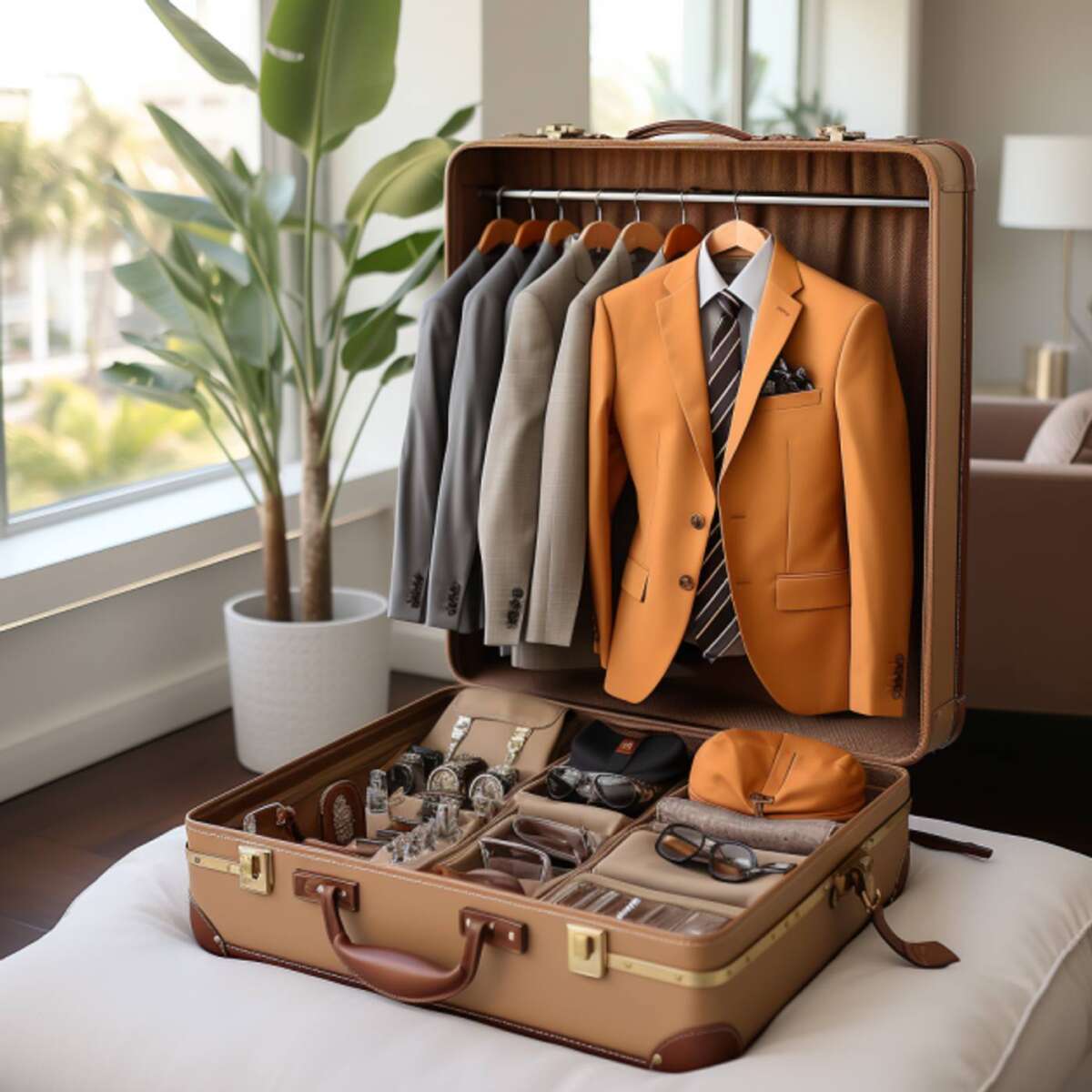
You can pack a suit in a backpack by folding the jacket and pants along their natural seams, placing them in a wide garment sleeve or packing cube, and keeping them near the top of the bag. This method works well for business trips, weddings, interviews, and weekend travel across the United States.
The best results come from using a roomy travel backpack, limiting pressure on the suit, and hanging the suit as soon as you arrive. No folding method can prevent every wrinkle, but careful packing can keep creases light and easy to remove.

What You Need Before Packing a Suit
Before you start, gather a backpack with enough room for the suit without forcing the zipper closed. A travel backpack with a clamshell opening is often easier to use than a narrow school-style bag.
You may also need:
- A thin garment sleeve or suit folder
- One or two packing cubes for shirts and small items
- A clean plastic dry-cleaning bag for short-term protection
- Tissue paper or thin packing paper
- A belt bag or small pouch for cuff links, a tie, and other accessories
- A travel steamer or access to a hotel iron
Choose the packing method based on the suit fabric and the length of your trip. Wool and wool blends usually recover from light wrinkles better than linen. Linen, cotton, and some synthetic fabrics may crease more quickly.
Check the backpack before packing. Remove hard objects, loose pens, chargers, and other items that could press into the suit. A clean, flat interior gives you better control.
The Best Way to Pack a Suit Jacket in a Backpack
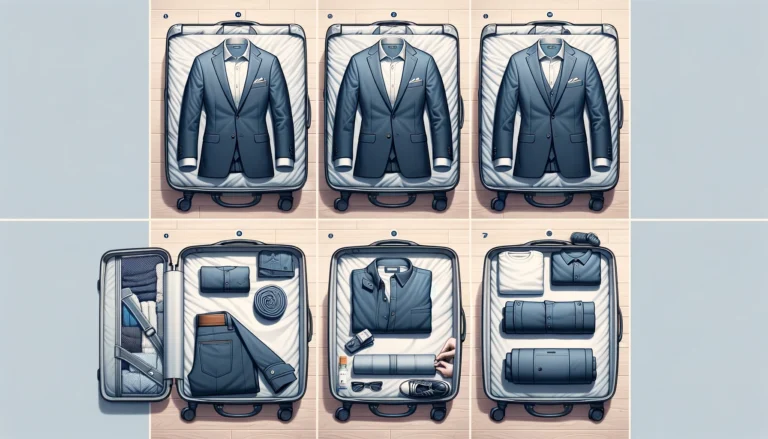
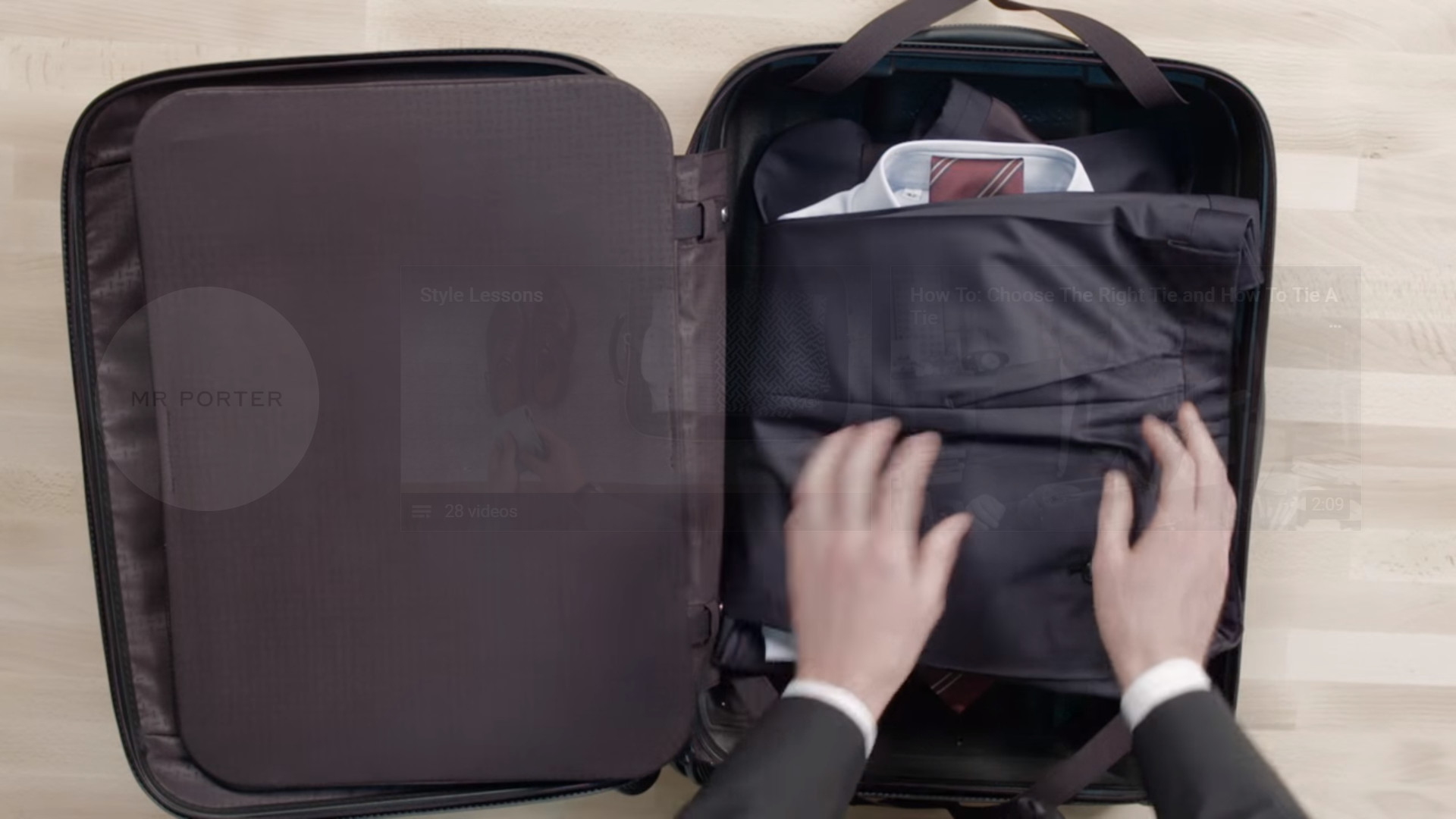
The safest general method is to turn the jacket partly inside out, fold it along the shoulders, and place it flat. Do not crush the jacket into a tight roll.
Step 1: Empty the jacket pockets
Take everything out of the pockets. Small items can create bumps and may stretch the fabric while the jacket is folded.
Raise the collar and flatten the lapels with your hand. Close one or two front buttons if the jacket has them. Do not pull the fabric tight.
Step 2: Turn the jacket inside out
Hold the jacket by the collar. Turn one shoulder inside out while leaving the other shoulder in its normal position.
Then tuck the normal shoulder into the inside-out shoulder. The jacket’s lining should face outward, and the two shoulders should sit inside each other.
This method helps protect the outer fabric. It also keeps the shoulder pads from rubbing against the backpack.
Step 3: Fold the jacket lengthwise
Lay the jacket on a clean, flat surface. Smooth the sleeves and align the side seams.
Fold the jacket in half lengthwise. Keep the lapels flat and avoid making a sharp fold across the front.
If the jacket is long, fold it once more from the bottom. Place a sheet of thin tissue paper inside the fold to reduce friction. Tissue paper gives the fabric a small amount of space, which can help limit deep creases.
Step 4: Place the jacket in a sleeve
Put the folded jacket in a thin garment sleeve or suit folder. A sleeve protects it from dirt and helps stop other items from catching on the fabric.
Do not use a thick, rigid folder if it makes the backpack bulge. The bag should close without a hard push.
For a backpack with a laptop compartment, do not place the jacket directly against a heavy laptop unless the compartment is padded and the computer cannot press into the suit. Put the jacket in the main compartment or between soft clothing.

How to Fold Suit Pants for a Backpack
Suit pants are easier to pack than a jacket. The main goal is to preserve the existing crease and avoid adding several new folds.
Step 1: Match the pant legs
Hold the pants by the waistband. Shake them gently so the fabric falls straight.
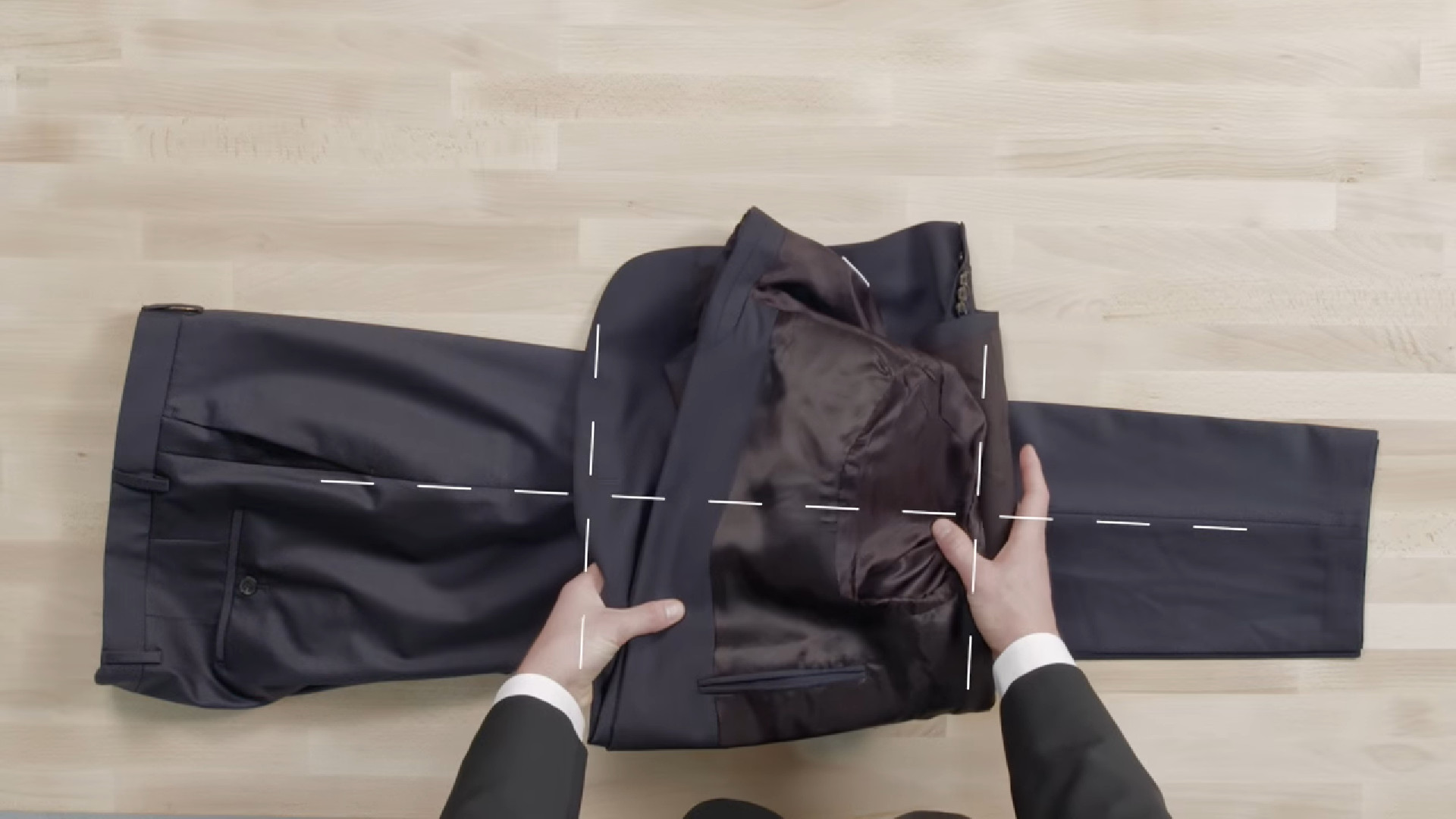
Place one leg over the other. Match the waist, side seams, and hems. Keep the original front crease aligned.
Step 2: Fold the pants once
Fold the pants in half from the knees or lower legs, depending on the backpack’s height. If the bag is tall, a single fold may work.
If the backpack is short, fold the pants a second time. Use the fewest folds that fit. Each extra fold can create another visible crease.
Step 3: Protect the pants
Place the pants in the same garment sleeve as the jacket or in a separate thin sleeve. Keep shoes, belts, and toiletry bags away from the suit.
If you must pack shoes in the same compartment, put each shoe in a shoe bag. Place them beside the folded suit, not on top of it.

How to Arrange the Suit Inside the Backpack
Pack the suit near the top of the backpack, where it will face less pressure. Heavy items should sit closer to the bottom and center of the bag, away from the jacket’s shoulders and lapels.
Use this order:
- Place soft items, such as underwear or a T-shirt, at the bottom.
- Add shoes and toiletry items along the sides.
- Lay the folded pants flat.
- Place the folded jacket on top of the pants.
- Add shirts or a thin sweater above the suit.
- Fill empty gaps with soft clothing, but do not pack tightly.
- Close the backpack slowly and check for pressure points.
Keep the suit as flat as the backpack allows. If the bag has compression straps, tighten them only enough to stop movement. Strong compression can leave long, hard-to-remove marks.
Do not place a water bottle, book, camera, or laptop on top of the suit. These items can leave sharp pressure lines.
Backpack packing guide
| Backpack condition | Recommended approach |
|---|---|
| Wide, clamshell travel backpack | Fold the jacket flat in a garment sleeve |
| Narrow daypack | Use a suit folder only if it fits without bending the jacket sharply |
| Backpack with a garment compartment | Use that compartment and avoid overfilling it |
| Small backpack | Pack only a lightweight suit and minimal clothing |
| Backpack with hard internal frames | Keep the jacket away from frame edges and hinges |
A suit backpack can help, but it is not required. The key features are enough width, a flat compartment, and low pressure on the suit.

How to Pack a Shirt, Tie, Belt, and Shoes
Pack the shirt separately from the suit if possible. Button the shirt, turn the collar up, and fold it along the side seams. Place it in a packing cube or between two soft garments.
A tie can be rolled loosely around your hand and placed inside a small pouch. You can also lay it flat along the side of the suit. Avoid tight rolls, which may leave a curl.
Thread the belt into a loose coil. Do not wrap it tightly around the suit. A belt can also go along the inside edge of the backpack.
Shoes take up the most useful space. Wear your larger pair during travel when practical. Pack the smaller pair in shoe bags, and place socks inside the shoes to save space.
Keep liquids away from the suit. Put toiletries in a sealed bag that meets the current airline rules for carry-on liquids. Airline rules and bag-size limits can change, so check the carrier’s current policy before leaving.

How to Reduce Wrinkles After You Arrive
Unpack the suit as soon as you reach your destination. Hang the jacket and pants on a sturdy hanger, then smooth the fabric with clean hands.
Let the suit hang for several hours. Light folds often relax on their own, especially in wool or wool-blend fabric.
For deeper wrinkles, use a steamer if the care label allows it. Keep the steamer moving and avoid holding intense heat in one spot. Do not steam a suit that the care label says must stay dry without checking the garment-care instructions.
If you use an iron, place a clean cloth between the iron and the suit. Use the heat setting listed on the care label. Direct high heat can damage some synthetic fibers and may create a shiny patch on dark wool.
A hotel bathroom may help with mild wrinkles when the room becomes humid, but do not hang the suit where water can splash it. Steam from a shower is not a substitute for careful pressing.

What to Do If the Suit Arrives Wrinkled
First, identify the type of wrinkle. A soft fold may disappear after hanging. A sharp line may need gentle steam or pressing.
Use this sequence:
- Hang the suit for several hours.
- Smooth the jacket, lapels, sleeves, and pant legs by hand.
- Use light steam if the care label permits it.
- Press through a clean cloth only when needed.
- Contact a professional cleaner or tailor for severe creases or damaged fabric.
Do not scrub, wet, or rub a stain while traveling unless the care label supports that treatment. Water can spread some stains and leave rings.
If the jacket has lost its shape at the shoulders, do not place heavy objects on it. Give the jacket time to rest on a proper hanger. A tailor may be needed if the shoulder padding or lining has shifted.
Common Mistakes to Avoid
Avoid these packing errors:
- Rolling the jacket tightly: This can create deep lines and distort the shoulders.
- Overstuffing the backpack: Pressure makes wrinkles worse and may damage the jacket’s shape.
- Packing the suit under shoes: Hard soles can leave dents and marks.
- Using a thick plastic bag for a long trip: Plastic can trap moisture and odors. Use it only as short-term protection.
- Folding over bulky objects: Chargers, books, and toiletry cases can create sharp bumps.
- Ignoring the care label: Heat and moisture affect wool, linen, silk, and synthetic blends in different ways.
- Waiting until arrival to find a hanger: Plan where the suit will hang before you travel.
- Forcing the zipper: If the backpack will not close easily, remove items or use a larger bag.
A garment bag is usually better for a very structured jacket, tuxedo, formal uniform, or suit with delicate decoration. A backpack is most useful when light luggage, public transit, or hands-free travel matters more than a perfectly pressed finish.

Backpack or Garment Bag: Which Is Better?
Choose a backpack when you need to walk, use public transportation, or keep your hands free. It works best for one suit, a small number of shirts, and a short trip.
Choose a garment bag when the suit is highly structured, formal, delicate, or needed for an important event with little time for wrinkle removal.
| Situation | Better option |
|---|---|
| One business suit and casual clothes | Backpack |
| Tuxedo or formalwear | Garment bag |
| Long public-transit commute | Backpack |
| Several suits | Garment bag or rolling garment case |
| Linen suit for a summer event | Garment bag if available |
| Interview with no time to steam | Garment bag |
The deciding factor is not the bag’s name. It is how much folding, pressure, and movement the suit will face.

Key Takeaways
- Fold the jacket along its natural lines instead of rolling it tightly.
- Turn one shoulder inside out and tuck the other shoulder into it.
- Preserve the crease in the pants and use as few folds as possible.
- Place the suit near the top of the backpack.
- Keep shoes, electronics, and hard items away from the fabric.
- Unpack and hang the suit as soon as you arrive.
- Use a garment bag for tuxedos, delicate fabrics, or highly structured jackets.
FAQs
Can I roll a suit jacket instead of folding it?
You can roll a suit jacket, but tight rolling may create more creases and put stress on the shoulders. A loose fold along the jacket’s natural seams is usually safer.