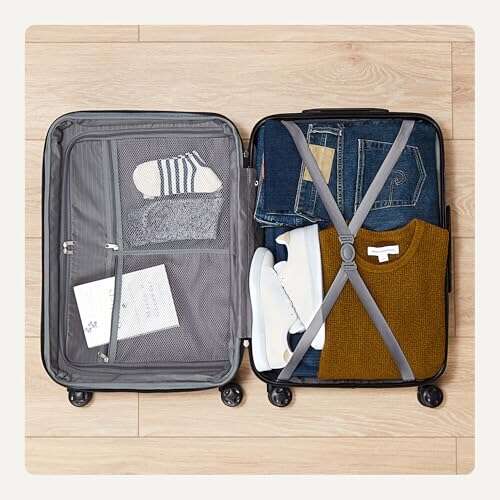
A luggage scale, bathroom scale, or simple lift method can help you weigh luggage at home accurately.
Knowing how to weigh luggage at home can save you from surprise fees, rushed repacking, and stressful airport delays. After testing several home methods, I have found that the best choice depends on your scale, suitcase size, and how close you are to the airline’s weight limit. This guide explains each method, common mistakes, accuracy tips, and safe ways to pack with confidence.
Why Weigh Your Luggage at Home?
Airlines often set strict baggage limits. A checked suitcase may have a limit of 50 pounds on many U.S. routes, while some airlines use lower limits or charge more for heavier bags. Carry on bags also have size and weight rules, especially on international flights.
Learning how to weigh luggage at home gives you time to fix a problem before you reach the airport. You can move items between bags, remove heavy shoes, or place some belongings in your personal item if the airline allows it.
A home weight check also helps when:
• You are flying for the first time
• You bought a new suitcase
• You are traveling with children
• You are moving or carrying sports gear
• You expect to bring gifts home
• Your airline has strict baggage fees
Think of your baggage limit as a budget. If you spend every pound before leaving home, one small souvenir can push your bag over the limit.
The Most Accurate Way to Weigh Luggage at Home
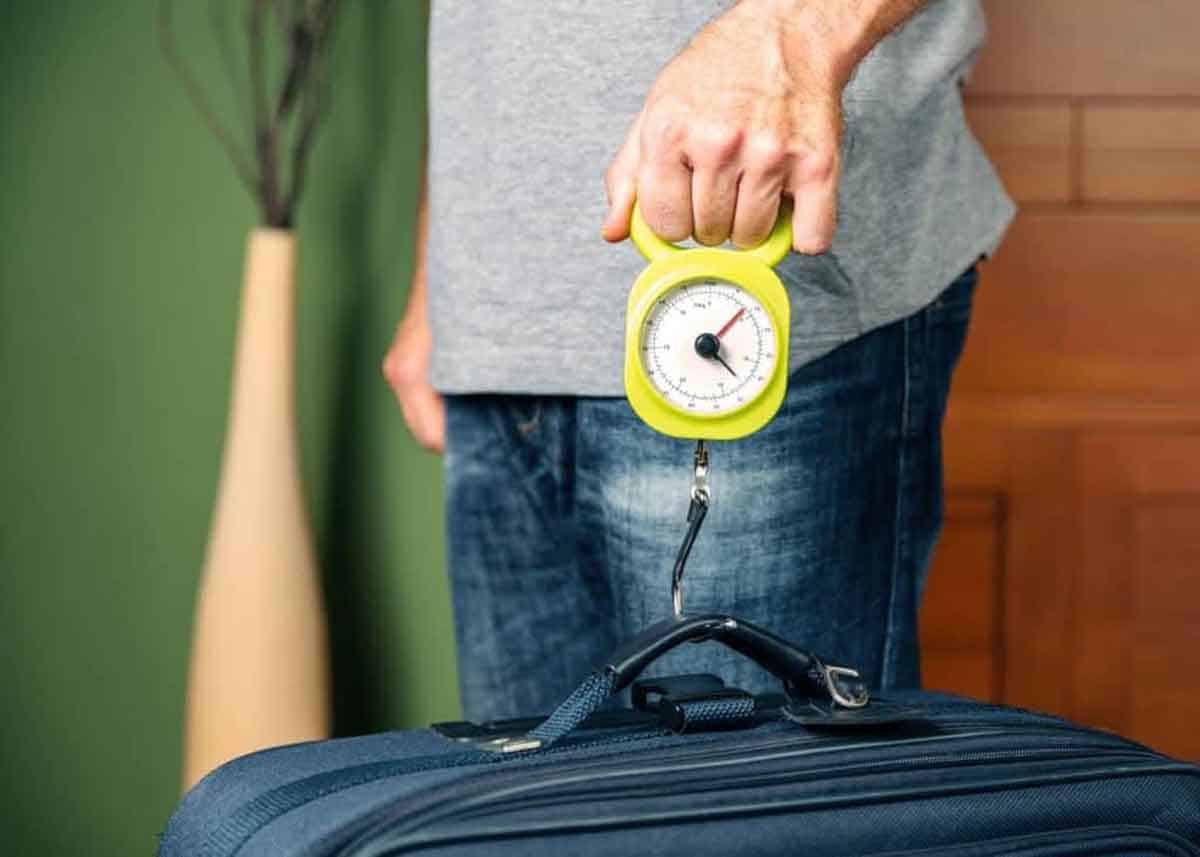
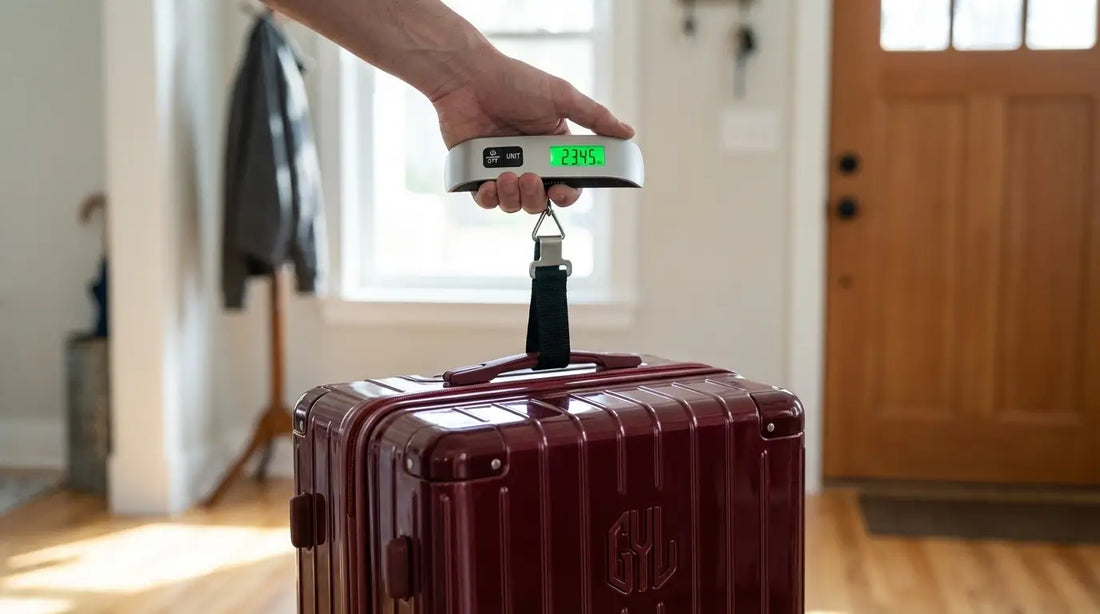
The most accurate way to weigh luggage at home is to use a handheld luggage scale. These small digital scales are made for bags and usually include a strap or hook.
How to use a handheld luggage scale
-
Turn on the luggage scale and choose pounds or kilograms.
-
Check that the display reads zero before lifting the bag.
-
Attach the strap or hook to the suitcase handle.
-
Lift the suitcase slowly until it hangs freely.
-
Keep the bag still while the number appears.
-
Record the weight and repeat the test once.
Do not swing the suitcase while weighing it. Motion can make the reading change. Hold the scale at a steady height and keep your fingers away from the bag if possible.
A digital luggage scale is usually accurate enough for normal travel planning. However, small home scales can vary slightly. If your bag is close to the airline limit, aim to stay at least 2 pounds under the maximum.
For example, if your airline allows 50 pounds, try to pack your suitcase to 48 pounds or less. This gives you room for differences between your home scale and the airport scale.

How to Weigh Luggage With a Bathroom Scale
If you do not own a luggage scale, a bathroom scale can help. This method works best with a digital scale and a suitcase that you can lift safely.
The two readings method
This is one of the easiest ways to weigh luggage at home.
-
Step on the scale without holding your suitcase.
-
Write down your body weight.
-
Step on the scale while holding the suitcase.
-
Write down the combined weight.
-
Subtract your body weight from the combined weight.
The result is your luggage weight.
For example:
• Your weight: 165 pounds
• Your weight while holding the suitcase: 207 pounds
• Suitcase weight: 42 pounds
The math is simple:
207 pounds minus 165 pounds equals 42 pounds
Stand still during both readings. Keep the scale on a hard, flat floor. Carpet can affect some bathroom scales, especially older models.
This method may be difficult with a large or heavy suitcase. If lifting the bag feels unsafe, use the floor method below instead.
How to Weigh Luggage Without Lifting It
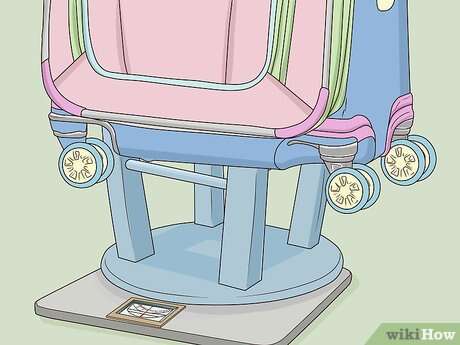
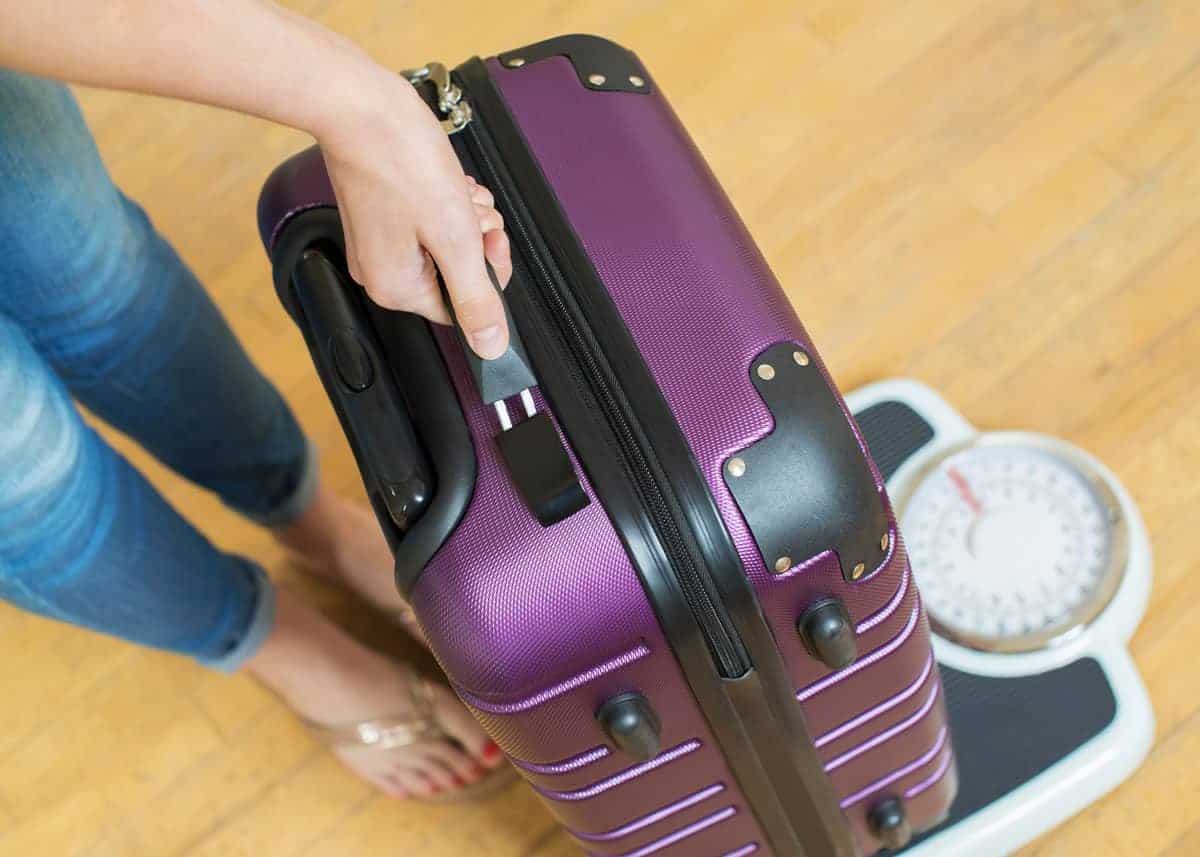
Some suitcases are too heavy or awkward to lift onto a bathroom scale. You can still weigh luggage at home by using a floor scale or a sturdy platform.
Place the suitcase on the scale while it is lying flat. Make sure no wheels, straps, or corners touch the floor beside the scale. Even a small part touching the floor can reduce the reading.
If the suitcase is larger than the scale, try these steps:
-
Place a strong board across the scale.
-
Check the board’s weight by itself.
-
Put the suitcase on the board.
-
Subtract the board’s weight from the total.
This method works only if the board rests fully on the scale and does not touch the floor. A large platform scale is better for oversized bags, musical instruments, and sports equipment.
Never stand on a bathroom scale with a suitcase balanced beside you. That can cause a fall or damage the scale.

How to Weigh Luggage Using a Household Scale
A kitchen scale can help with small bags, backpacks, and personal items. It is not suitable for a full size checked suitcase unless you weigh the contents in smaller groups.
To use a kitchen scale:
• Weigh an empty container first.
• Add a few items at a time.
• Keep a written running total.
• Include the weight of the bag itself.
For example, you can weigh clothing, toiletries, books, and electronics in separate groups. Add the numbers together, then add the empty suitcase weight.
This approach takes longer, but it can help when you are packing a small carry on. It also shows which items add the most weight. Shoes, books, hair tools, and toiletry bottles often weigh more than travelers expect.
A luggage scale remains easier for a full bag. Use the kitchen scale method when you need a detailed packing record or when your suitcase cannot fit on another scale.
How to Check Whether Your Scale Is Accurate
Home scales are useful, but none are perfect. A scale may show a slightly different result because of its battery, surface, age, or design.
Use these checks to improve accuracy:
Test the scale more than once
Weigh the same bag two or three times. The readings should be close. A difference of 1 pound may be normal for some home scales, but larger changes suggest a problem.
Use a known weight
Test the scale with an object that has a reliable weight. A sealed 5 pound bag of rice or a labeled dumbbell can work. Do not assume that every packaged item has exact weight unless the label gives a clear net weight.
Check the battery
A low battery can cause a digital luggage scale to shut off or display unstable readings. Replace the battery if the screen flickers or the weight changes without movement.
Use a hard surface
Place bathroom and floor scales on tile, wood, or another firm surface. Soft carpet can cause uneven pressure and incorrect readings.
Compare with another scale
If possible, compare your luggage scale with a second scale. The goal is not to find a perfect number. The goal is to learn whether your scale tends to read high or low.
In my own packing tests, the largest mistake came from weighing an open suitcase and then adding a heavy toiletry bag at the last minute. I now weigh the suitcase only after every item is packed, including the coat, shoes, and liquids bag.
How to Weigh Luggage at Home for Different Bag Types
Different bags need slightly different methods.
Checked suitcase
Use a handheld luggage scale or the bathroom scale subtraction method. Weigh the bag when it is fully packed and zipped. Include straps, covers, and items stored in outside pockets.
Carry on suitcase
Check both weight and size. A bag may meet the weight rule but still fail the airline’s size test. Measure the wheels, handles, and outside pockets if the airline includes them.
Personal item
Use a bathroom scale or kitchen scale. A backpack may seem light when empty but become heavy with a laptop, charger, books, and water bottle.
Duffel bag
Attach a luggage scale to a strong handle or strap. Keep the bag balanced and make sure the strap does not slip.
Sports equipment
Weigh each piece if it will be checked separately. A golf bag, bicycle case, ski bag, or instrument case may follow special airline rules.
Children’s luggage
Weigh kids’ bags before travel and keep them light enough for the child to carry safely. A bag that is within the airline limit may still be too heavy for a young traveler.

Common Mistakes When Weighing Luggage
Small errors can lead to a large surprise at the airport. Avoid these common problems when learning how to weigh luggage at home.
Weighing an empty suitcase
The suitcase itself may weigh 7 to 15 pounds or more. Always weigh the bag after packing it.
Forgetting outside pockets
Travelers often pack chargers, passports, snacks, and books in front pockets. These items still count toward the total weight.
Holding the bag against your body
When using a handheld scale, make sure the suitcase hangs freely. If it rests against your leg or touches the floor, the reading may be low.
Using a soft carpet
Carpet can make a bathroom scale less reliable. Move it to a hard, level surface.
Packing to the exact limit
A home scale and airport scale may not show the same number. Leave a safety margin of 2 to 3 pounds.
Ignoring measurement units
Some scales show kilograms, while your airline displays pounds. One kilogram equals about 2.2 pounds. Check the setting before you begin.
Weighing before the final pack
A jacket, pair of shoes, or full water bottle can change the total. Weigh the bag after the last item goes in.

How to Reduce Luggage Weight
If your bag is too heavy, do not panic. You can often remove weight without losing useful items.
Try these practical changes:
• Wear your heaviest shoes during the flight.
• Pack light layers instead of bulky clothing.
• Use travel size containers for liquids.
• Leave duplicate toiletries at home.
• Choose an e reader instead of several books.
• Remove extra hangers and packaging.
• Share items with travel companions.
• Put permitted heavy items in your personal item.
• Use compression bags for clothing, but remember that they reduce volume, not weight.
• Weigh electronics and chargers before packing them.
Be careful when moving items to a carry on. Airlines may weigh both your carry on and personal item. Always check the current baggage policy for your specific airline and ticket.

Airline Baggage Rules You Should Check
Knowing how to weigh luggage at home is only part of the process. You also need to check the rules for your flight.
Look at your airline’s official baggage page or booking details for:
• Checked bag weight limits
• Carry on weight limits
• Personal item size limits
• Oversize and overweight fees
• Number of included bags
• Special rules for sports equipment
• Rules for international routes
Policies can vary by airline, destination, fare type, frequent flyer status, and aircraft. Some U.S. airlines focus on carry on size rather than weight, while many international airlines publish both size and weight limits.
Airport scales are usually commercial grade, but their readings can still differ slightly from a home scale. That is why a safety margin matters. If your bag weighs 49.8 pounds at home, it is safer to remove a few items rather than risk a 50 pound limit.
A Simple Pre Airport Luggage Check
Use this short routine before leaving for the airport.
-
Pack every item, including last minute items.
-
Close all zippers and outside pockets.
-
Weigh each bag.
-
Repeat the reading once.
-
Check the airline’s weight and size limits.
-
Leave a small weight margin.
-
Label each bag with your name and contact details.
-
Take a photo of your packed bags.
-
Keep essential medication, documents, and valuables in your carry on when allowed.
-
Recheck the bag after adding food, water, or gifts.
This process takes only a few minutes. It can prevent the unpleasant moment when an agent asks you to open your suitcase in a busy check in line.
Frequently Asked Questions About How to Weigh Luggage at Home
What is the best way to weigh luggage at home?
A handheld digital luggage scale is usually the easiest and most practical option. A bathroom scale can also work by subtracting your body weight from your weight while holding the suitcase.
Can I use a bathroom scale to weigh a suitcase?
Yes, if you can safely hold the suitcase while standing on the scale. Take your weight first, then take your combined weight with the suitcase and subtract the first number.
How accurate are handheld luggage scales?
Most handheld luggage scales are accurate enough for normal travel planning, but readings may vary slightly. Leave at least 2 pounds below the airline limit if possible.
How do I weigh luggage without lifting it?
Place the suitcase on a floor scale or on a sturdy board supported by the scale. Make sure no part of the suitcase or board touches the floor beside the scale.
Should I weigh my luggage in pounds or kilograms?
Use the unit shown by your airline. If needed, remember that 1 kilogram equals about 2.2 pounds, and 1 pound equals about 0.45 kilograms.
Does the suitcase itself count toward the weight limit?
Yes. The airline weighs the complete bag, including the suitcase, wheels, handles, pockets, clothing, and personal items inside it.
How much below the airline limit should my bag be?
Aim to stay 2 to 3 pounds below the stated limit. This gives you a buffer for scale differences and last minute additions.
Conclusion
Learning how to weigh luggage at home is simple when you use the right tool and leave a small safety margin. A handheld luggage scale offers the easiest check, while a bathroom scale works well when you subtract your body weight. Always weigh the fully packed bag, check the airline’s current rules, and include every pocket, strap, and accessory.
Take a few minutes to weigh your bags before your next trip. That small step can protect your budget, reduce airport stress, and help your journey begin on a calmer note. Share your favorite luggage weighing method or explore more practical travel packing guides for your next adventure.

Zayden Halbrook is a travel enthusiast and gear researcher passionate about making every journey smoother and more enjoyable. With a keen eye for practical travel essentials and real-world tips, he helps readers choose the right gear and travel smarter. When he’s not testing travel kits or exploring new destinations, Zayden shares simple, reliable advice to make every trip stress-free.