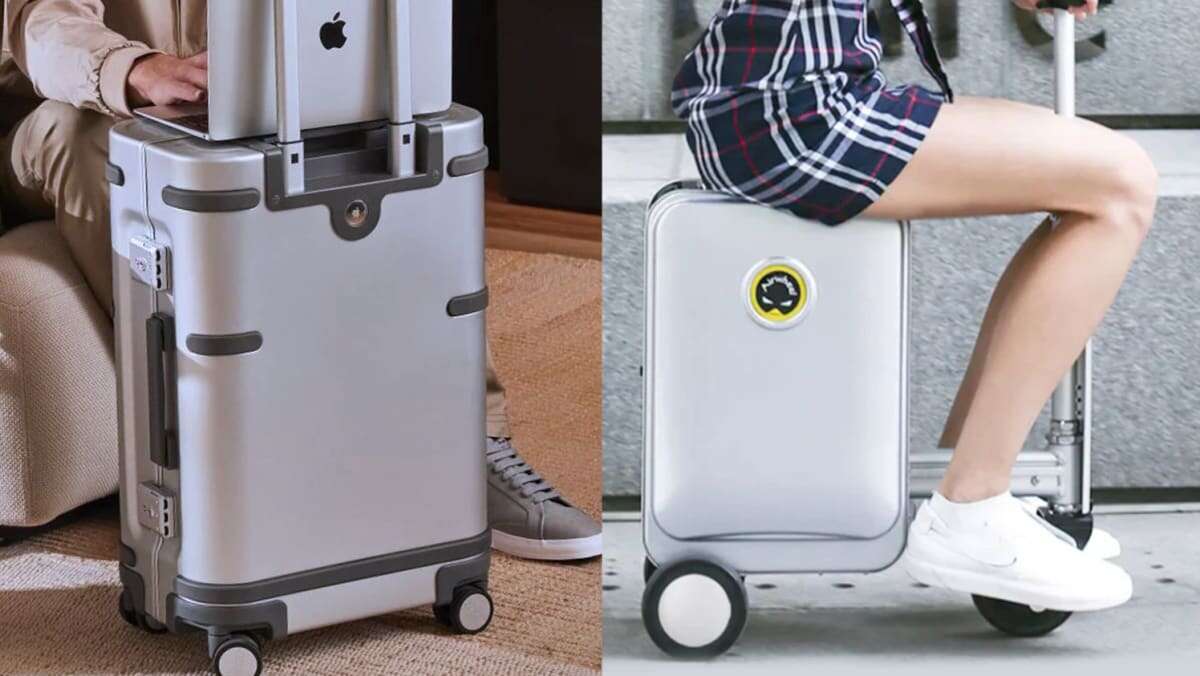
A smart bag is luggage with built-in technology that helps you charge, track, protect, and manage your belongings.
To understand what is a smart bag, think beyond a suitcase with a USB port. Modern smart luggage may combine GPS tracking, Bluetooth, digital locks, weight sensors, and removable lithium batteries. This guide explains how smart bags work, what features matter, their safety limits, and how to choose one for real travel.
What Is a Smart Bag?
A smart bag is a backpack, carry-on, suitcase, or travel case with electronic features designed to make travel easier and safer. It connects traditional storage with useful technology, much like a smartphone adds tools to an ordinary phone.
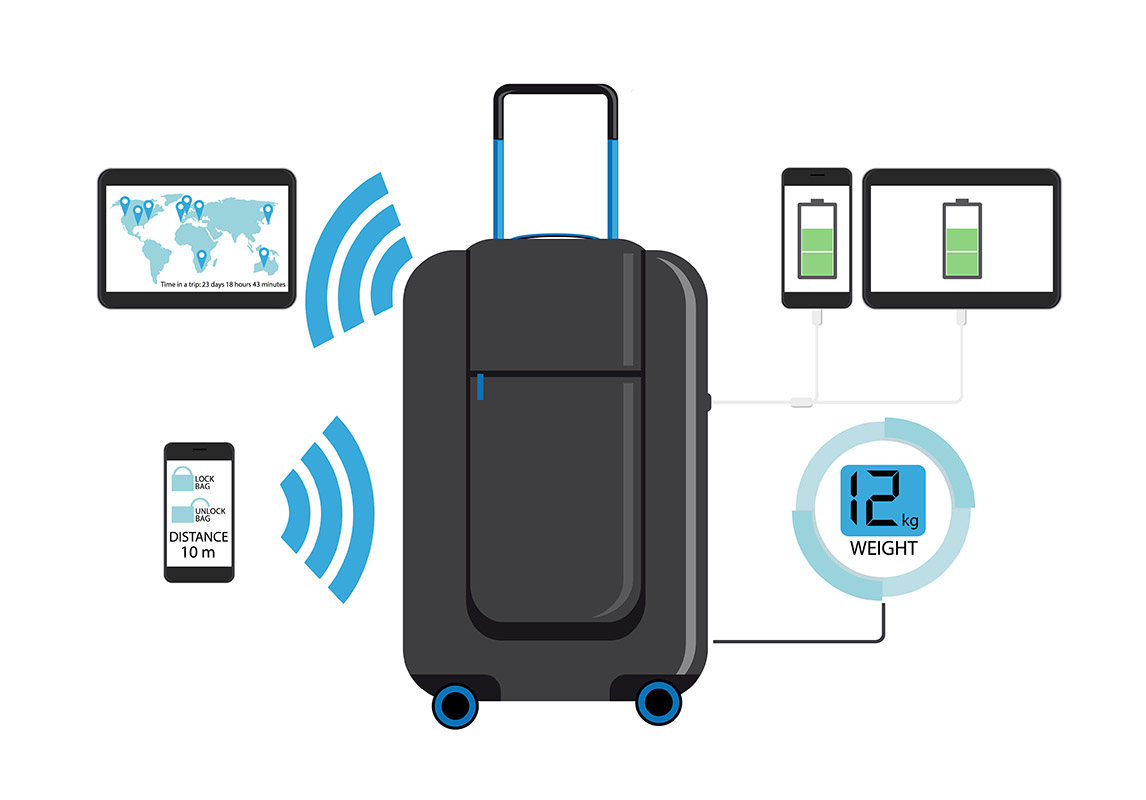
The exact features vary by brand and model. Some smart bags only offer a built-in charging port, while advanced models may include location tracking, fingerprint access, an electronic scale, or an app for travel alerts.
Common smart bag features include:
• USB charging ports for phones and tablets
• Removable lithium-ion battery packs
• GPS or Bluetooth tracking
• Digital locks or fingerprint locks
• Built-in weight sensors
• Solar charging panels on some outdoor bags
• LED lights for visibility
• Water-resistant materials and theft-resistant zippers
The main goal of a smart bag is simple: reduce travel stress. It can help you find your luggage, keep your devices powered, and notice problems before they become serious.

How Does a Smart Bag Work?
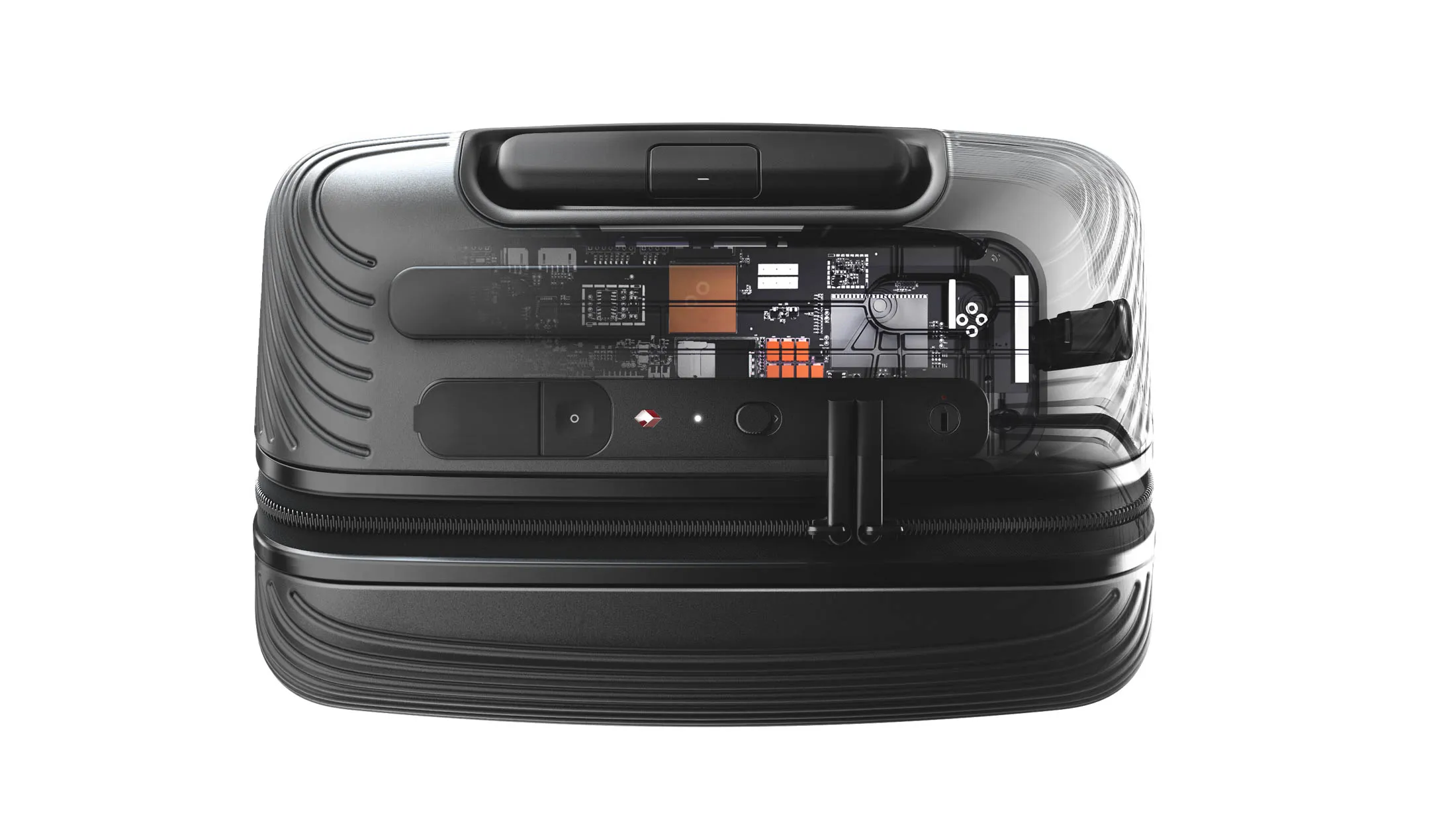
A smart bag uses a small battery, sensors, wireless connections, or a companion mobile app. These parts work together to provide information or power while you travel.
For example, a tracking tag inside the bag may use Bluetooth to connect with your phone. If the bag moves out of range, the app may alert you. Some products use GPS and cellular networks instead, which can provide location data over a longer distance.
Here is how common features work:
USB Charging
A battery inside the bag stores power. You connect your phone to an outside USB port with a charging cable. This saves you from searching for an airport outlet, though the battery still needs regular charging.
Location Tracking
A smart bag may contain a Bluetooth tracker or a GPS device. Bluetooth works well over a short range, while GPS tracking can offer wider coverage but may need a cellular plan and more battery power.
Digital Locks
A digital lock may open with a PIN, fingerprint, smartphone app, or approved wireless connection. These locks add convenience, but they should not replace common sense. A strong zipper and careful storage still matter.
Weight Measurement
Some smart luggage uses a scale in the handle. You lift the bag, and the system shows its estimated weight. This can help you avoid surprise baggage fees at the airport.
A useful lesson from real travel testing is that simple features often prove more valuable than flashy ones. A reliable battery and strong wheels may matter more than an app with ten complicated settings.

Smart Bag Features to Look For
Not every smart bag offers the same value. Before buying one, focus on the features that match your travel habits.
Device Charging
A charging port is one of the most common reasons people buy smart luggage. Check whether the battery is included, how much power it stores, and whether it supports USB-C.
A bag with a USB-C port can charge many newer phones and tablets more efficiently. However, the charging speed depends on the battery output, cable, and device.
Tracking Technology
Tracking can be useful when an airline delays or misplaces your luggage. Bluetooth trackers are often affordable and easy to set up. GPS trackers may provide more direct location data, but they can require a subscription.
Review the following details:
• Tracking range
• Battery life
• App quality
• Cellular coverage
• Monthly fees
• Privacy controls
Do not assume that “smart” always means “GPS.” Some bags only have a pocket for a tracker that you must purchase separately.
Security Features
Smart luggage may include fingerprint access, an app-controlled lock, hidden pockets, or tamper alerts. These features can discourage casual theft.
Still, no bag is completely theft-proof. Keep passports, medication, money, and other vital items in a secure place close to you.
Weight Sensors
A built-in scale can be helpful for checked luggage. Look for a clear display and a weight limit that fits your travel needs.
Weight readings are estimates, not official airport measurements. If your bag is close to the airline limit, leave a small safety margin.
Materials and Wheels
Technology does not make a weak bag strong. Check the shell, frame, zippers, handles, stitching, and wheels.
For frequent travel, smooth spinner wheels and a sturdy telescoping handle can make a bigger difference than a fingerprint scanner. This is one of the most practical lessons when comparing smart bags: comfort and durability should come before novelty.
Benefits of Using a Smart Bag
A smart bag can improve several parts of the travel experience. Its value depends on how often you travel and which features you will actually use.
Better Device Access
A charging system can help during long flights, train rides, road trips, and airport delays. You can keep your phone ready for boarding passes, maps, rideshare apps, and emergency calls.
Easier Luggage Recovery
A tracker may help you locate a misplaced bag. It cannot guarantee recovery, but it can provide useful information when speaking with an airline or transport company.
More Travel Control
A smart bag can help you check its weight, secure its contents, and monitor its location. These tools give travelers more control over small problems that often create major stress.
Added Convenience for Work Trips
Business travelers may appreciate quick charging, laptop protection, and organized pockets. A smart backpack can serve as a mobile work station during a busy day.
Helpful Features for Families
Parents may find tracking and organization features useful when managing several bags. A charging port can also help during long journeys with children.
The best smart bag does not try to do everything. It solves a few real problems well.

Limitations and Drawbacks of Smart Bags
Smart luggage is useful, but it is not perfect. Understanding the limits can prevent disappointment.
Battery Rules
Airlines and aviation regulators treat loose lithium batteries with care because damaged batteries can create a fire risk. Many airlines require removable batteries to be taken out of checked luggage.
If you check a smart bag, remove the battery first and carry it in the cabin when required. Always review the current policy of your airline and airport before traveling.
Extra Weight
A battery, sensors, reinforced frame, and electronic parts add weight. A heavy empty bag leaves less room for clothing before you reach the airline limit.
Higher Cost
Smart bags often cost more than standard luggage. You are paying for electronics, design, software, and sometimes a tracking service.
Charging Problems
A built-in charger is only useful when the bag’s battery has power. If you forget to charge it, the feature provides no benefit.
Technology Failure
Apps can stop working. Batteries can lose capacity. Wireless connections can fail. A good smart bag should still function as normal luggage when its electronics are turned off.
Privacy Concerns
A connected bag may collect location data or require an account. Read the privacy policy and turn off features you do not need.

Are Smart Bags Allowed on Airplanes?
Smart bags are usually allowed on airplanes, but their batteries can create restrictions. The key factor is whether the lithium battery is removable.
For most flights, a smart bag with a removable battery can be checked after you remove the battery. The battery usually travels with you in your carry-on baggage. A smart bag with a non-removable battery may be refused as checked luggage, especially if the battery exceeds airline limits.
Before flying:
- Check the battery rating in watt-hours.
- Confirm that the battery can be removed without tools.
- Review your airline’s smart luggage policy.
- Pack the battery in your carry-on if required.
- Protect spare batteries from short circuits.
- Keep the bag switched off during travel when instructed.
The Transportation Security Administration and international aviation guidance can change over time. Airline rules may also be stricter than general regulations, so check the latest requirements before departure.

Smart Bag Versus Regular Bag
The difference between a smart bag and regular luggage is built-in technology.
A regular bag focuses on storage, protection, and movement. A smart bag adds electronic tools such as charging, tracking, locking, or weighing.
Choose a regular bag if:
• You want the lowest price
• You prefer simple travel gear
• You rarely need to charge devices on the move
• You do not want to manage batteries or apps
Choose a smart bag if:
• You travel often
• You worry about lost luggage
• You need mobile charging
• You value digital security
• You want built-in weight checks